Table of Contents >> Show >> Hide
- What Is Spina Bifida Occulta?
- How Common Is Itand Who Gets It?
- Spina Bifida Occulta Symptoms
- Causes and Risk Factors
- How Spina Bifida Occulta Is Diagnosed
- Spina Bifida Occulta Treatment
- Living With Spina Bifida Occulta
- When to See a Doctor
- FAQ: Quick Answers to Common Questions
- Conclusion
- Experiences: What People Commonly Report (Real-Life Perspective)
Spina bifida occulta is like the “quiet roommate” of spinal conditions: it’s there, it’s real, and most of the time it
doesn’t make a mess. The word occulta literally means “hidden,” and that’s the whole vibemany people have it and
don’t find out until an X-ray or MRI for something totally unrelated (like a stubborn backache or a sports injury).
But “usually harmless” isn’t the same as “always ignore.” In a smaller group of people, spina bifida occulta can be tied
to nerve tension issues (like tethered cord syndrome), bladder or bowel changes, or leg symptoms that deserve real medical
attention. This guide breaks down what it is, what symptoms to watch for, how it’s diagnosed, and what treatment looks
like when treatment is actually needed.
Quick note: This article is for educationnot a diagnosis. If you have worrisome symptoms, a clinician is your best next step.
What Is Spina Bifida Occulta?
Spina bifida is a type of neural tube defectmeaning something in early fetal development didn’t close the way it usually
does. In spina bifida occulta, there’s a small gap in one or more vertebrae (the bones of the spine), but
there’s no open sac on the back and, in many cases, the spinal cord and nerves developed normally.
Think of it as a minor “construction gap” in the bony roof over the spinal canal. Because it’s covered by skin and often
doesn’t involve exposed neural tissue, it tends to be milder than other forms of spina bifida.
How Common Is Itand Who Gets It?
Spina bifida occulta is commonly described as the mildest and most common type of spina bifida. Many people never know
they have it, and it’s often discovered later in childhood or adulthood during imaging done for other reasons.
Like many congenital conditions, the “why” can be multifactorialgenetics, environment, and nutrition can all play roles.
Adequate folate (vitamin B9) before and during early pregnancy is strongly tied to reducing neural tube defect risk
overall, though spina bifida occulta isn’t always preventable.
Spina Bifida Occulta Symptoms
Here’s the headline: most people with spina bifida occulta have no symptoms. When symptoms do happen, they
can range from subtle to more obvious signs of nerve involvement.
1) No Symptoms at All (Yes, Really)
Many cases are found incidentallyan X-ray done for scoliosis screening, an MRI after a car accident, or imaging after a
sports injury. If there are no neurologic symptoms and no concerning findings, treatment may not be needed.
2) Skin Clues on the Lower Back
In some babies and children, skin findings over the lower spine can hint that something is happening underneath. Commonly
mentioned markers include:
- A small dimple (especially if it’s large, deep, or higher than the gluteal crease)
- A patch of hair
- A birthmark or darker spot
- A small lump or fatty-looking mass
- A red/purple vascular-looking mark
Most skin findings are harmlessbut certain patterns can prompt a clinician to consider imaging to rule out occult spinal
dysraphism or tethering.
3) Back, Leg, or Foot Symptoms
Symptoms that raise more concern typically suggest nerve tension or irritation rather than the bony gap itself. Possible
symptoms may include:
- Persistent or progressive back pain
- Leg weakness, numbness, or tingling
- Changes in gait (how someone walks) or frequent tripping
- Foot abnormalities or worsening orthopedic issues
- Scoliosis that seems to progress quickly
4) Bladder or Bowel Changes (Red-Flag Category)
Difficulty holding urine, new incontinence, frequent urinary tract infections, or bowel control changes can be signs that
nerves supplying the bladder/bowel are under strain. These symptoms don’t automatically mean spina bifida occulta is the
causebut they are the kind of symptoms clinicians take seriously.
When Symptoms Are Actually “Tethered Cord” Symptoms
One of the most important “more” in “symptoms, treatment, and more” is this: symptoms sometimes come from a related
condition called tethered cord syndrome, where the spinal cord is abnormally attached and gets stretched
as the body grows. Symptoms can appear or worsen during growth spurts, adolescence, or even adulthood.
Causes and Risk Factors
The exact cause of spina bifida (including occulta) isn’t usually pinned on one thing. Research and clinical guidance
commonly describe a combination of genetic, nutritional, and environmental factors.
Factors often discussed in reputable medical resources include insufficient folate early in pregnancy, certain seizure
medications (like valproate), preexisting diabetes that isn’t well managed, and obesity. Importantly, many parents of
children with spina bifida have no family historyso “I didn’t see this coming” is a common and valid experience.
How Spina Bifida Occulta Is Diagnosed
Clinical Exam: The Starting Line
Clinicians often start with a physical exam and symptom review: skin findings, neurologic exam (strength, reflexes,
sensation), gait assessment, and questions about bladder/bowel function. In infants, back skin markers can guide whether
imaging is appropriate.
Imaging Tests: X-ray vs. MRI
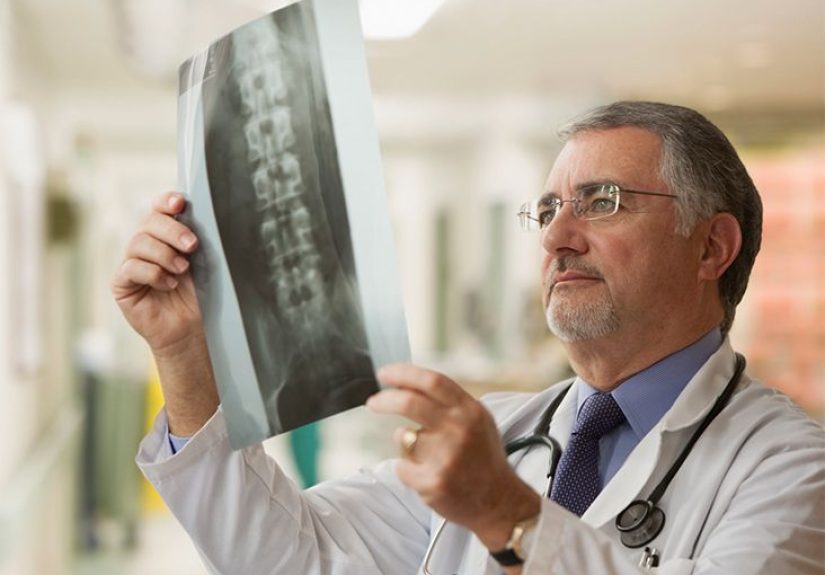
Spina bifida occulta may show up on an X-ray as a small defect in the posterior vertebral arches. But when symptoms suggest
nerve involvement, MRI is typically the best tool because it can evaluate the spinal cord, nerve roots,
and signs of tethering or other closed spinal dysraphism.
Pregnancy Screening (Context, Not a Guarantee)
Spina bifida as a broader category can be screened during pregnancy, often using maternal blood tests and ultrasound.
However, because spina bifida occulta is “hidden” and mild, it may not be detected prenatally and is frequently discovered
later.
Spina Bifida Occulta Treatment
Treatment depends less on the label and more on the lived reality: Are there symptoms? Is the spinal cord under
stress? Many people never need treatment at all.
If There Are No Symptoms
If spina bifida occulta is an incidental finding and there are no neurologic or bladder/bowel issues, clinicians may
recommend reassurance and routine follow-up only. Translation: “Good to know, not good to panic.”
If Symptoms Suggest Tethered Cord or Nerve Involvement
When tethered cord syndrome is diagnosed and symptoms are progressive or significant, surgery to “untether” the cord may
be considered. The goal is to reduce abnormal tension on neural tissue and prevent worsening nerve function. Decisions are
individualized and usually involve specialists such as neurosurgeons, neurologists, urologists, and rehabilitation teams.
Rehab and Symptom Management
Some people benefit from supportive care such as:
- Physical therapy to improve strength, flexibility, and gait mechanics
- Occupational therapy for function and daily activities
- Management strategies for bladder/bowel symptoms (often with a urology team)
- Orthopedic care for scoliosis, foot issues, or mobility-related concerns
If you’re reading this hoping for a single universal treatment plan, I’m sorry to report that the human spine did not
consult our desire for simplicity.
Living With Spina Bifida Occulta
Most people with spina bifida occulta live normal, active lives. The most practical approach is awareness without
obsession: know the red flags, get evaluated if symptoms appear, and otherwise let your spine keep its little secret.
For Kids and Teens
Pediatricians may pay closer attention if there are skin markers, unusual leg findings, scoliosis, or bladder/bowel
concerns. Symptoms that change during growth spurts deserve prompt evaluation.
For Adults
Many adults learn they have spina bifida occulta after imaging for back pain. Back pain is common in the general
population, so the key question is whether there are neurologic signs (weakness, numbness, progressive symptoms) or
bladder/bowel changes that point to something beyond routine strain.
Pregnancy and Prevention: The Folate Conversation
Public health guidance strongly supports adequate folic acid intake before conception and during early pregnancy to reduce
the risk of neural tube defects overall. If you’re planning pregnancy (or could become pregnant), a clinician can help you
determine the right folic acid doseespecially if there are additional risk factors.
When to See a Doctor
Consider medical evaluationespecially if symptoms are new, progressive, or affecting daily life. Seek care if you notice:
- New or worsening leg weakness, numbness, or coordination problems
- Back pain plus neurologic symptoms (not just “I slept weird” pain)
- Changes in bladder/bowel control, recurrent UTIs, or new incontinence
- A child with a concerning lower-back skin finding plus symptoms (or multiple skin markers)
If it’s an emergency (sudden severe weakness, loss of bladder control, or significant neurologic changes), seek urgent care.
FAQ: Quick Answers to Common Questions
Can spina bifida occulta cause back pain?
It can be associated with back pain in some cases, but many people with spina bifida occulta have no symptoms at all.
Clinicians typically look for additional neurologic or bladder/bowel signs to determine whether the finding is clinically
meaningful.
Can it get worse over time?
The bony gap itself doesn’t usually “progress,” but symptoms can appear if there’s tethering or another associated issue
that becomes more noticeable as the body grows or with certain life stages. That’s why new neurologic symptoms or bladder
changes deserve evaluation.
Does it affect life expectancy?
Spina bifida occulta alone is often mild and may not affect lifespan. Outcomes depend on whether there are associated
spinal cord or nerve problems and how they’re managed.
Is it hereditary?
Neural tube defects can have genetic contributions, but many cases occur without a known family history. If you’re concerned
about risk in pregnancy, a clinician (and sometimes a genetic counselor) can help.
Conclusion
Spina bifida occulta is commonly “no big deal”a small spinal variation that stays hidden and never causes trouble. But the
important nuance is knowing when it’s not just a harmless incidental finding. Skin markers in infants, progressive
leg symptoms, and especially bladder/bowel changes are signals to get evaluated for possible tethered cord or other related
spinal conditions.
If you’ve been told you have spina bifida occulta, the best next step is usually simple: match the finding to your
symptoms. No symptoms? Often no treatment. Symptoms that suggest nerve involvement? Get a careful workup so you can address
what’s actually driving the problem.
Experiences: What People Commonly Report (Real-Life Perspective)
The most common “experience” with spina bifida occulta is honestly pretty anticlimactic: people find out by accident.
Someone gets an X-ray after a minor car crash, or an MRI because of back pain that turns out to be muscular. Then the
radiology report drops a phrase like “spina bifida occulta noted,” and suddenly you’re googling at midnight, wondering if
your spine has been quietly plotting against you for years. For many, the reassurance is immediate once a clinician
explains that this finding is often mild and doesn’t automatically explain every ache or twinge.
Parents often describe a different path: a pediatrician notices a small dimple, a patch of hair, or a subtle lump over a
baby’s lower back. Most of the time it’s nothing serious, but the emotional experience can be intensebecause it’s your
baby, and “probably fine” doesn’t hit the same as “definitely fine.” When imaging is recommended, families frequently talk
about the relief of getting clarity: either confirmation that everything underneath looks normal, or a plan to monitor
growth and symptoms.
For the smaller number of people whose symptoms are related to tethered cord, the experience can be frustrating and
validating at the same time. Frustrating because symptoms may be subtle at firstoccasional leg tingling, foot fatigue,
back discomfort that comes and goes, or bladder issues that are easy to chalk up to stress, hydration, or “just getting
older.” Validating because a careful workup can finally connect the dots. People often describe the turning point as the
moment a clinician asks detailed questions about neurologic function and bladder/bowel changes instead of treating the
symptoms as isolated annoyances.
Treatment experiences vary widely. Some people feel empowered by physical therapylearning core stability, mobility work,
and movement strategies that reduce strain and improve confidence. Others describe specialist care as a “team sport,”
especially when urology, orthopedics, and neurosurgery are involved. If surgery is recommended for tethered cord, patients
often say the decision feels big (because it is), but they also value having a clear goal: prevent worsening nerve damage
and preserve function. Recovery stories range from “I wish I’d done this sooner” to “I’m glad we took time to weigh the
pros and cons,” which is exactly why individualized decision-making matters.
One consistent theme across experiences: the label alone doesn’t define the outcome. People do best when they focus on
symptoms, function, and follow-uprather than spiraling over a phrase on a report. If you’re newly diagnosed, it can help
to bring specific questions to your appointment: Do my symptoms match this finding? Are there signs of tethering? Do I need
MRI or specialist referral? What red flags should I watch for? That shiftfrom fear-driven searching to plan-driven careis
often what turns “hidden spina bifida” from scary-sounding to manageable.