Table of Contents >> Show >> Hide
- Why Your House Keeps “Re-Cluttering” (Even When You Swear You Just Cleaned)
- Step One: Declutter Before You Buy (Yes, Even the Cute Baskets)
- Step Two: Match Storage to the Mess (Wayfair Categories That Actually Work)
- 1) Fabric Storage Bins for Closets (The “Fold It, File It, Forget It” Fix)
- 2) Clear Storage Tubs & Totes (See It, Find It, Stop Buying Duplicates)
- 3) Under-Shelf Baskets & Stackable Organizers (The “Found Space” Trick)
- 4) Shoe Storage for Entryways (Because Shoes Multiply When You’re Not Looking)
- 5) Baskets That Don’t Look Like Storage (Aesthetic Peace Treaty)
- 6) Under-Bed Storage (The Most Overlooked Square Footage in America)
- How to Shop Wayfair Storage Smart (So You Don’t “Organize” Yourself Into More Stuff)
- Room-by-Room Game Plan (With Specific Examples)
- Maintenance: The 10-Minute Reset That Saves Your Sanity
- Conclusion
- Real-Life Decluttering Wins (and Faceplants): of Relatable “Yep, That’s Me”
If clutter had a loyalty program, most homes would be platinum members. The good news: you don’t need a celebrity organizer, a spare weekend in Tuscany, or a custom closet that costs more than your first car. You need two things: (1) a simple plan and (2) storage that actually fits your life. That’s where Wayfair’s budget-friendly organization finds can helpespecially when you stick to basics like bins, baskets, shelves, and space-saving “why didn’t I think of that?” add-ons.
And yes, the “from $10” part is real in spirit and often real in practice: recent Wayfair deals have dropped certain storage pieces to around ten bucks (sometimes even a touch under), while plenty of organizers sit comfortably under $25 depending on sales and category. Prices change, but the strategy doesn’t: buy the right container for the right mess, not the prettiest basket that starts a brand-new pile.
Why Your House Keeps “Re-Cluttering” (Even When You Swear You Just Cleaned)
Most clutter isn’t a moral failure. It’s a systems failure. Homes get messy when everyday items don’t have:
- A designated home (where the item belongs when it’s not in use)
- A container (something that sets a boundarythis is the “stop when it’s full” rule)
- A routine (a quick reset so clutter doesn’t become a long-term roommate)
Another sneaky culprit is “clutter blindness”when you’ve seen the piles so long they start to look like furniture. If your brain has begun treating that chair covered in clothes as a “textile-based side table,” you’re not alone. The fix is to make clutter impossible to ignore by creating clear zones, limiting what lives on surfaces, and using containers that signal “this belongs here.”
Step One: Declutter Before You Buy (Yes, Even the Cute Baskets)
Here’s the trap: people buy storage to avoid decluttering. Then they store the clutter. Now the clutter has a deluxe suite. Instead, do a fast sort first. A popular approach is the simple “four-container” method:
The 4-Container Method (Fast, Brutally Effective)
- Keep (you use it, love it, or truly need it)
- Donate/Sell (someone else will use it)
- Trash/Recycle (expired, broken, or unusable)
- Relocate (belongs in a different room)
Work one small zone at a time: a single drawer, one shelf, one corner of the entryway. Small wins build momentumand momentum is the only thing more powerful than procrastination.
Step Two: Match Storage to the Mess (Wayfair Categories That Actually Work)
Wayfair carries a wide range of organization itemsfrom basic storage tubs and totes to woven baskets, drawer systems, and shoe cabinets. The key is picking storage based on how you live, not how tidy the product photo looks.
1) Fabric Storage Bins for Closets (The “Fold It, File It, Forget It” Fix)
Fabric bins are closet MVPs because they’re lightweight, easy to grab, and don’t turn your shelves into a chaotic sweater avalanche. Look for features like front pull tabs and (bonus points) a clear window so you can see what’s inside without playing “bin roulette.” Recent deal coverage has highlighted fabric bins dipping to around $10 each during salesideal for building a matching set without pain.
Best for: sweaters, scarves, workout gear, linens, kids’ accessories, “I’ll deal with it later” items (but actually deal with them).
2) Clear Storage Tubs & Totes (See It, Find It, Stop Buying Duplicates)
Clear bins are practical because visibility reduces “out of sight, out of mind” waste. They’re especially helpful in hot spots like under the sink, bathroom vanities, pantries, and entryways. If you want your household to put things back where they belong, clear bins plus simple labels are a strong combo.
Pro tip: Don’t store everything in sealed plastic. Some items (like certain papers, photos, heat-sensitive items, or anything moisture-prone) need better protection or ventilation. Use the right container for the right material.
3) Under-Shelf Baskets & Stackable Organizers (The “Found Space” Trick)
If your cabinets have vertical space you’re not using, under-shelf baskets are basically free real estate. Slide them under pantry shelves to double capacity for snacks, wraps, or small gadgets. Stackable water bottle organizers and tiered can risers are also clutch in tight kitchens.
Best for: kitchen cabinets, pantry shelves, laundry supplies, bathroom backups.
4) Shoe Storage for Entryways (Because Shoes Multiply When You’re Not Looking)
Entryways are where clutter comes to party. A shoe cabinet (especially a slim one) can make the space feel instantly calmer and less congested. Look for models with multiple tiers, doors that hide visual mess, and a top surface that can double as a drop zone for keys and mail.
5) Baskets That Don’t Look Like Storage (Aesthetic Peace Treaty)
Baskets are the “soft power” of organizing: they hide odd shapes and random categories while still looking intentional. HGTV-style basket strategies work best when you assign each basket a job (blankets, toys, remotes, dog gear) and keep it consistent.
6) Under-Bed Storage (The Most Overlooked Square Footage in America)
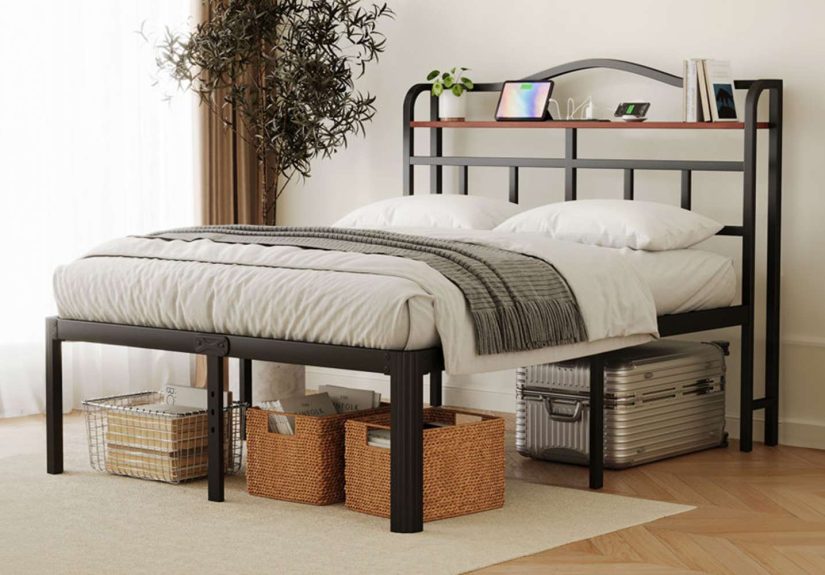
Under-bed storage is perfect for seasonal clothing, extra bedding, and anything bulky you don’t need daily. Choose low-profile bins that slide easily and, if possible, ones that seal or zip to reduce dust. This is also where a “label lightly” strategy helpsclear enough to find things, not so detailed it becomes a second hobby.
How to Shop Wayfair Storage Smart (So You Don’t “Organize” Yourself Into More Stuff)
Use the “Container First” Rule
Decide what you’re storing (and where) before choosing the container. Measure the spaceshelf depth, cabinet height, under-bed clearance and pick storage that fits those constraints. This prevents the classic mistake of buying bins that are “almost right,” which is the same as “wrong” but with more disappointment.
Build a Budget Set, Not a Random Collection
Wayfair commonly groups storage by price ranges (including under-$25 collections), which makes it easier to standardize. Standardizing matters because matching bins stack better, look calmer, and stop you from playing Tetris every time you put something away.
Don’t Overdo Labels
Labels should make sense for your household. Keep categories broad (“snacks,” “baking,” “first aid,” “chargers”) so people can actually follow the system without needing a flowchart.
Room-by-Room Game Plan (With Specific Examples)
Kitchen: The “Small Tools, Big Chaos” Zone
- Cabinet shelves: add under-shelf baskets for wraps, snack bags, dish towels.
- Pantry visibility: use clear bins for categories (breakfast, snacks, baking) and a tiered organizer for cans.
- “Utility drawer” reset: add small dividers for batteries, scissors, tape, and the mysterious Allen keys.
If you’re decluttering cookware or gadgets, a simple step-by-step sweep (keep what you use, relocate what belongs elsewhere, donate duplicates) prevents your cabinets from becoming a museum of good intentions.
Bathroom: Tiny Space, Huge Potential
- Under sink: clear bins for backups and cleaning supplies; one bin per category.
- Vanity drawers: small organizers for daily items so they don’t avalanche into a makeup landslide.
- Medicine visibility: use an accessible organizer system so essentials aren’t buried.
Closets: Where Time Goes to Disappear
- Shelves: fabric bins for folded categories (“gym,” “sleep,” “winter accessories”).
- Floor space: stackable shoe racks or a closed cabinet if visual clutter stresses you out.
- Seasonal rotation: under-bed storage for off-season clothes (label by season, not by item list).
A helpful decluttering mindset: keep what you actually wear in the current season accessible, then store the rest like it’s on a respectful sabbatical.
Living Room: The “Everyone Drops Everything Here” Reality
- Blankets: a lidded basket or storage ottoman to hide the cozy chaos.
- Remotes & chargers: a small tray or bin on the coffee table (one container = one boundary).
- Kids’ stuff: labeled bins at kid height so cleanup isn’t a negotiation.
Entryway: Stop the Pile Before It Starts
- Shoes: a slim cabinet or rack; aim to store only daily pairs at the door.
- Mail: one tray, one rule: sort immediately into “act,” “file,” or “recycle.”
- Grab-and-go: hooks for bags and coats so the chair can go back to being a chair.
Garage/Storage Areas: Durable Bins and Clear Labels
For garages, sturdier bins beat cardboard (moisture and pests love cardboard like it’s a theme park). Label bins so you can find seasonal and hobby items quicklythen place frequently used bins at eye level to avoid the “digging expedition” problem.
Maintenance: The 10-Minute Reset That Saves Your Sanity
The best organizing system is the one you can maintain while tired, busy, and mildly annoyed. Try this:
- Daily: a 10-minute reset in the highest-traffic area (usually the kitchen or living room).
- Weekly: a quick sweep of one “clutter magnet” (entryway table, pantry shelf, bathroom vanity).
- Monthly: remove one bag/box of donations or toss expired items (especially food, toiletries, and papers).
Decluttering isn’t a one-time event. It’s more like brushing your teethexcept your teeth don’t buy novelty water bottles at checkout.
Conclusion
Decluttering doesn’t require a total life overhaul. It requires a repeatable system and storage that supports it. Start small, sort before you shop, then use Wayfair’s budget-friendly bins, baskets, shelves, and organizers to create “homes” for the stuff you keep. Focus on high-impact zonesentryway, kitchen, bathroom, closetand you’ll feel the difference fast.
The goal isn’t to own nothing. The goal is to find things without launching a search party.
Real-Life Decluttering Wins (and Faceplants): of Relatable “Yep, That’s Me”
A common experience starts the same way: someone swears the house “isn’t that bad,” then opens the closet and gets hit by a cascade of reusable tote bags that apparently have been breeding. The turning point usually isn’t a dramatic makeover montageit’s a small, practical win. One household tackled the entryway first because that’s where backpacks, shoes, and mail formed a daily obstacle course. The fix was painfully simple: a shoe cabinet to hide the visual noise, a small tray for keys, and a single bin for incoming papers. The “faceplant” moment came a week later when the tray filled with random items (a toy dinosaur, two pens, and one lonely sock). The adjustment? A one-minute nightly reset. Suddenly, the system stuck.
Another classic: the pantry that looks organized until you actually need something. One family tried decanting everything into matching containers and labeling like a boutique grocery store. It was gorgeousuntil it became exhausting. When the labels got too specific (“gluten-free crackers, rectangle shape”), nobody maintained it. The better approach was broader categories in clear bins (“snacks,” “breakfast,” “baking”), plus a rule that duplicates don’t get to live in three different places. The result wasn’t magazine-perfect; it was functional, and that’s the point.
In a small apartment, the biggest victory often comes from “found space.” Under-shelf baskets turned one kitchen cabinet into two levels of storage, which meant water bottles stopped falling out like they were making a jailbreak. Under-bed bins reclaimed enough room that bulky sweaters and spare bedding no longer lived on the “temporary” chair (which, let’s be honest, had become permanent). The lesson learned the hard way: buying bins without measuring is basically ordering shoes without knowing your size. Close doesn’t count when the cabinet door won’t shut.
Closets bring their own storyline. A typical win is switching from stacks to “files”: folded shirts placed vertically in bins so you can see everything at once. People who try this often report the same surprise benefitless re-folding. When shirts aren’t stacked like pancakes, you don’t have to disrupt the entire pile to grab one. The stumble is usually overbuying: a few extra bins “just in case” that then…sit around…collecting clutter. The fix is using the container as a boundary: if the bin is full, something has to go before more comes in.
The most relatable experience might be the “junk drawer rebrand.” Calling it a “utility drawer” doesn’t magically make it organized, but it can change how people treat it. When dividers create lanes (batteries, tape, scissors, chargers), the drawer stops being a black hole and becomes a toolkit. The win is finding what you need in seconds. The faceplant is discovering five identical tape measures you bought because you couldn’t find the first four. The happy ending is donating the extras and labeling the drawer onceclearly, simply, and for the people who actually live there.