Table of Contents >> Show >> Hide
- What Is Dandelion Flower Honey?
- Why Make Dandelion Honey?
- Important Foraging Safety Before You Start
- Dandelion Flower Honey Recipe
- Step-by-Step Instructions
- Tips for the Best Dandelion Honey
- Common Mistakes to Avoid
- How to Use Dandelion Flower Honey
- Flavor Variations
- Storage and Food Safety
- Frequently Asked Questions
- Experience Notes: What Making Dandelion Flower Honey Teaches You
- Conclusion
- SEO Tags
If your lawn is wearing a yellow polka-dot outfit every spring, congratulations: you may be standing on dessert. A good dandelion flower honey recipe turns those bright little backyard suns into a golden, floral syrup that looks like honey, drizzles like honey, and makes toast feel like it just got invited to brunch at a cottage in the countryside.
Technically, dandelion honey is not bee honey. It is a homemade dandelion syrup made from fresh dandelion flowers, sugar, lemon, and water. Many people also call it vegan honey because it has a sweet, lightly floral flavor and a sticky spoon-coating texture without using any animal products. Think of it as honey’s botanical cousin: charming, golden, and slightly mischievous.
This guide walks you through how to make dandelion flower honey safely, how to choose clean flowers, how to avoid bitter flavors, how to thicken the syrup, and how to use it in everyday meals. You will also find practical experience notes at the end, because recipes are better when they come with real kitchen wisdom and a few “do not do what I did” moments.
What Is Dandelion Flower Honey?
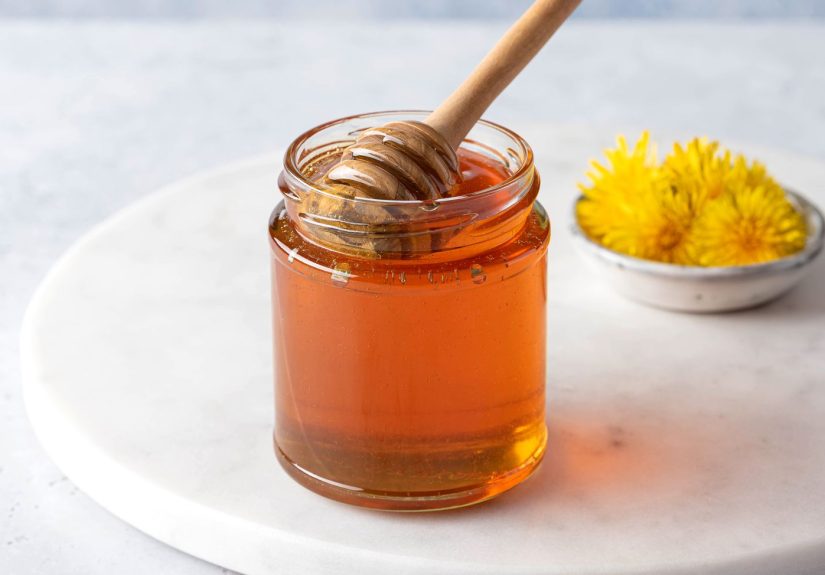
Dandelion flower honey is a sweet syrup made by steeping dandelion petals in water, straining the liquid, then simmering it with sugar and lemon juice until it becomes thick and glossy. The final result is amber-gold, fragrant, and surprisingly close to mild honey in both color and texture.
The flavor depends on the flowers, the steeping time, and how far you reduce the syrup. A lighter syrup tastes delicate, grassy, and floral. A darker syrup has deeper caramel notes, almost like wildflower honey met lemon candy and decided to become useful on pancakes.
Why Make Dandelion Honey?
There are several reasons this recipe keeps winning fans among home cooks, gardeners, foragers, and people who enjoy making something impressive from almost nothing.
It Uses a Common Spring Flower
Dandelions are widely available in many yards, gardens, and untreated open spaces. Instead of seeing them only as weeds, this recipe treats them as a seasonal ingredient. That said, “available” does not automatically mean “safe.” You should only harvest from areas you know are free from pesticides, herbicides, pet waste, road runoff, and other pollutants.
It Is a Vegan Honey Alternative
Because it contains no bee honey, dandelion syrup works well for people who avoid animal products. It can be drizzled over biscuits, stirred into tea, brushed on roasted vegetables, or used in baking where a floral sweetener makes sense.
It Feels Like a Tiny Kitchen Magic Trick
You start with a basket of cheerful yellow flowers and end with jars of golden syrup. That is the kind of transformation that makes people say, “Wait, you made this from lawn flowers?” Yes. Yes, you did. Then you serve it with warm bread and accept compliments with the calm confidence of someone who has boiled weeds into luxury.
Important Foraging Safety Before You Start
Before making homemade dandelion honey, the most important step is not the simmering, straining, or jarring. It is choosing safe flowers.
Pick Only Dandelions You Can Positively Identify
Use common dandelion flowers from plants you recognize confidently. Dandelions typically have bright yellow flower heads, hollow stems, milky sap, and tooth-edged leaves growing in a low rosette. If you are unsure, do not harvest. Wild food is not the place for “probably fine” energy.
Avoid Treated or Polluted Areas
Do not pick flowers from lawns treated with weed killer, pesticides, fertilizers, or other chemicals. Avoid roadsides, sidewalks, dog-walking zones, drainage ditches, parking lots, and public parks where spraying or pollution may be an issue. The best flowers come from your own untreated yard or a trusted chemical-free area where you have permission to harvest.
Harvest Responsibly
Take only what you need. Dandelion flowers are an early food source for pollinators, so leave plenty behind. A good rule is to harvest lightly from a large patch instead of stripping one area bare. Your syrup will taste better when your conscience is not hovering over the saucepan wearing a tiny judge robe.
Dandelion Flower Honey Recipe
Yield
About 2 to 2 1/2 cups of syrup, depending on how long you reduce it.
Ingredients
- 4 cups fresh dandelion flower heads, loosely packed
- 4 cups water
- 4 cups granulated sugar
- 2 tablespoons fresh lemon juice
- 1 teaspoon lemon zest, optional
- 1 thin lemon slice, optional, for a brighter flavor
Equipment
- Large bowl or basket for harvesting
- Kitchen scissors or fingers for removing petals
- Medium saucepan
- Fine-mesh strainer or cheesecloth
- Wooden spoon
- Clean glass jars with lids
- Candy thermometer, optional but helpful
Step-by-Step Instructions
Step 1: Harvest the Flowers
Pick dandelions on a dry, sunny day when the flowers are fully open. Morning after the dew has dried is ideal. Choose fresh, bright blooms and skip flowers that look wilted, brown, buggy, or suspiciously tired from living their best life near a driveway.
Step 2: Clean and Sort
Shake the flowers gently outside to encourage tiny insects to leave. Rinse quickly in cool water if needed, then spread the flowers on a towel to dry. Do not soak them for a long time, because too much washing can dilute the floral flavor.
Step 3: Remove Most of the Green Parts
For the best flavor, use mostly yellow petals. The green base of the flower can add bitterness. You do not have to remove every microscopic green speck, but the more green you remove, the smoother and sweeter the syrup will taste.
The easiest method is to pinch the yellow petals and pull them away from the base. You can also use scissors to snip off the petals. This part takes patience. Put on music, a podcast, or your favorite cooking show and pretend you are doing artisanal flower therapy.
Step 4: Make the Dandelion Tea
Place the petals in a saucepan with 4 cups of water. Bring to a gentle simmer, then turn off the heat. Cover and let the mixture steep for at least 4 hours, or overnight in the refrigerator for a stronger floral flavor.
Step 5: Strain the Liquid
Pour the steeped mixture through a fine-mesh strainer or cheesecloth into a clean saucepan. Press gently on the petals to extract the liquid, but do not crush them aggressively. You want flavor, not plant pulp revenge.
Step 6: Add Sugar and Lemon
Add the sugar, lemon juice, and optional lemon zest or lemon slice to the strained dandelion liquid. Stir over medium heat until the sugar dissolves completely. The lemon helps brighten the flavor and balance the sweetness.
Step 7: Simmer Until Syrupy
Reduce the heat and simmer gently, uncovered, for 45 to 90 minutes. Stir occasionally. The syrup will thicken as water evaporates. For a honey-like texture, aim for a glossy syrup that coats the back of a spoon. If using a candy thermometer, the syrup often thickens nicely near 219°F to 220°F, but texture can vary depending on your pan, humidity, and patience level.
Step 8: Test the Texture
Place a small spoonful of syrup on a chilled plate. Let it cool for one minute. If it runs like water, keep simmering. If it moves slowly and feels sticky, it is ready. Remember that syrup thickens more as it cools, so stop before it becomes hard candy. Unless you wanted dandelion lollipops, in which case, surprise.
Step 9: Jar and Store
Pour the hot syrup into clean jars and let it cool. Store in the refrigerator and use within about 3 to 4 weeks. For longer storage, freeze it in freezer-safe containers, leaving room for expansion. This recipe is intended as a refrigerated or frozen homemade syrup, not a shelf-stable canned product unless you use a tested preservation method from a reliable food-safety source.
Tips for the Best Dandelion Honey
Use Fresh Flowers
Dandelion flowers close quickly after picking and lose freshness fast. Make the infusion the same day you harvest for the cleanest flavor and brightest color.
Do Not Rush the Petal Prep
A little green is fine, but too much can make the syrup taste bitter. If your first batch tastes grassy, the likely reason is that too much of the flower base went into the pot.
Simmer, Do Not Boil Like a Volcano
A hard boil can darken the syrup quickly and may create a cooked sugar flavor. A steady simmer gives you more control and a cleaner floral taste.
Use Lemon Carefully
Lemon is important, but too much can overpower the dandelion flavor. Start with 2 tablespoons of juice. If you love a brighter syrup, add a little zest, but avoid making it taste like lemonade wearing a honey costume.
Common Mistakes to Avoid
Using Flowers From Unsafe Areas
This is the biggest mistake. Dandelions from roadsides, sprayed lawns, or pet-heavy areas are not worth the risk. Clean sourcing matters more than convenience.
Cooking the Syrup Too Long
If your syrup becomes extremely thick after cooling, gently warm it with a splash of water and stir until smooth. Next time, stop cooking earlier.
Not Cooking It Long Enough
If the syrup stays thin, pour it back into a saucepan and simmer it again until it reaches the texture you want.
Expecting It to Taste Exactly Like Bee Honey
Dandelion honey is honey-like, not identical. Its charm is its own flavor: floral, bright, earthy, sweet, and homemade in a way that makes store-bought syrup look emotionally unavailable.
How to Use Dandelion Flower Honey
This syrup is surprisingly versatile. Once you have a jar in the fridge, you may start looking for excuses to drizzle it on everything except maybe spaghetti. Actually, someone will try it. Please report back.
Breakfast Ideas
- Drizzle over pancakes, waffles, or French toast.
- Stir into oatmeal or overnight oats.
- Spoon over Greek yogurt with berries and granola.
- Spread on warm biscuits, toast, or cornbread.
Drink Ideas
- Stir into hot tea for a floral sweetener.
- Add to lemonade for a spring-inspired drink.
- Mix into sparkling water with lemon.
- Use in mocktails with mint, citrus, or berries.
Cooking and Baking Ideas
- Brush over roasted carrots or sweet potatoes.
- Use in salad dressing with olive oil and vinegar.
- Drizzle over pound cake or lemon cake.
- Use as a glaze for muffins or quick breads.
Flavor Variations
Vanilla Dandelion Honey
Add half a vanilla bean or 1 teaspoon of vanilla extract after cooking. Vanilla gives the syrup a warmer, dessert-like flavor.
Ginger Dandelion Honey
Add a few thin slices of fresh ginger during the simmering stage. This version is excellent in tea and lemonade.
Orange Dandelion Honey
Use orange zest instead of lemon zest for a softer citrus note. Keep the lemon juice in the recipe for balance.
Herbal Dandelion Honey
Steep a small sprig of thyme or mint with the dandelion petals. Remove herbs before simmering with sugar. Use a light hand, because herbs can easily take over like they own the jar.
Storage and Food Safety
Homemade dandelion flower honey should be stored in the refrigerator unless you are following a tested preservation process. Sugar helps create syrup texture and flavor, but it does not automatically make every homemade syrup shelf-stable. Use clean jars, refrigerate after cooling, and discard the syrup if you see mold, fermentation bubbles, cloudiness that seems unusual, or any off smell.
For longer storage, freeze the syrup in small containers or ice cube trays. Dandelion honey cubes are convenient for tea, lemonade, and quick sauces. Once thawed, keep the syrup refrigerated.
Frequently Asked Questions
Does dandelion honey contain real honey?
No. Most dandelion flower honey recipes are actually dandelion syrup recipes. They use dandelion petals, sugar, water, and lemon to create a honey-like sweetener.
Can I use the whole dandelion flower?
You can, but the green parts may add bitterness. For the best flavor, use mostly yellow petals.
Can I reduce the sugar?
You can reduce it slightly, but the syrup will be thinner and may not keep as well. Sugar is part of the structure, not just sweetness.
Can I use dried dandelion flowers?
Fresh petals give the best color and flavor. Dried flowers may work, but the syrup usually tastes less bright and may need testing in smaller batches.
Is dandelion honey safe for everyone?
People with allergies to related plants or sensitivities to dandelion should avoid it or ask a healthcare professional. Children should only forage and prepare wild foods with adult guidance. When trying any new wild food, start with a small amount.
Experience Notes: What Making Dandelion Flower Honey Teaches You
The first experience most people have with a dandelion flower honey recipe is surprise. The recipe looks almost too simple: flowers, water, sugar, lemon, heat. It feels like something from an old handwritten notebook found in a farmhouse kitchen drawer. Then the petals steep, the liquid turns golden, and suddenly the whole kitchen smells like spring decided to become dessert.
One useful lesson is that flower preparation matters more than you expect. If you toss whole flower heads into the pot without removing much of the green base, the syrup may still work, but it can taste more herbal and bitter. Some people enjoy that wild edge. Others want a smoother, honey-like sweetness. If you are making it for the first time, remove as much green as you reasonably can. You do not need perfection, but you do need patience. Dandelion honey rewards the cook who slows down.
Another real-world experience is learning how dramatically the syrup changes as it cools. When it is hot, it may look too thin. Many beginners keep boiling because they expect it to look like finished honey in the pan. Then it cools into something closer to taffy, and breakfast becomes a spoon-bending workout. The chilled plate test is your best friend. Put a plate in the freezer before cooking, drop a little syrup onto it, and check the cooled texture before deciding to simmer longer.
The best batches often come from flowers picked on a sunny day. Fully open blossoms tend to have a better aroma and brighter color. Rainy-day flowers can work, but the flavor may be weaker. If the flowers are damp, let them rest on a towel before using. Too much extra water means a longer simmer and a less concentrated floral taste.
Storage is another area where experience beats optimism. Homemade dandelion honey is not something to leave forgotten in a warm cabinet unless you have followed a tested canning method. Keep it in the refrigerator, use clean spoons, and make smaller batches if your household does not go through syrup quickly. Small jars are practical because you can open one at a time and freeze the rest.
In everyday use, dandelion honey shines brightest in simple foods. It is excellent on buttered toast, biscuits, plain yogurt, oatmeal, and pancakes. It also works beautifully in tea, especially black tea, chamomile, mint, or lemon ginger blends. In baking, it can add floral depth to muffins, quick breads, and glazes, but it should not always replace honey one-for-one in technical recipes because moisture and sugar concentration may differ.
Perhaps the nicest part of making dandelion flower honey is how it changes your relationship with an ordinary plant. A lawn full of dandelions stops looking like a problem and starts looking like a seasonal invitation. You begin noticing which flowers are clean, which patches are busy with bees, which spots should be left alone, and which sunny corner might give you enough petals for one small jar. The recipe becomes more than a sweetener. It becomes a small spring ritual: harvest carefully, leave plenty behind, simmer slowly, and enjoy something golden that came from a flower most people walk past without a second thought.
Conclusion
A homemade dandelion flower honey recipe is simple, affordable, and wonderfully satisfying when made with clean, safely harvested flowers. It gives you a floral vegan honey alternative for toast, tea, pancakes, baking, and sauces. The keys are easy to remember: identify the plant correctly, harvest only from safe untreated areas, use mostly petals, simmer gently, test the syrup as it cools, and store it in the refrigerator or freezer.
It may not come from bees, but it brings its own kind of golden magic to the table. And honestly, turning dandelions into syrup is a pretty delightful way to win an argument with your lawn.