Table of Contents >> Show >> Hide
- What Makes P.F. Chang’s Mongolian Beef So Addictive?
- The “Secret” Is Mostly Cornstarch (And Timing)
- Ingredients for Copycat P.F. Chang’s Mongolian Beef
- Step-by-Step: How to Make PF Chang’s Copycat Mongolian Beef
- Make It Taste More “Restaurant”: Pro Tips That Actually Matter
- Gluten-Free Mongolian Beef: The Easy Swap
- What to Serve with Mongolian Beef
- Variations (Because You’re the Boss of Your Skillet)
- Storage, Reheating, and Meal Prep Tips
- FAQ: Copycat P.F. Chang’s Mongolian Beef
- Experience Notes: The Very Real Joy (and Chaos) of Making Copycat Mongolian Beef at Home
You know that moment when you open a takeout container and the steam hits your face like a warm, gingery hugand then you realize you just paid “restaurant prices” for what is basically sweet-and-savory beef plus onions? Same.
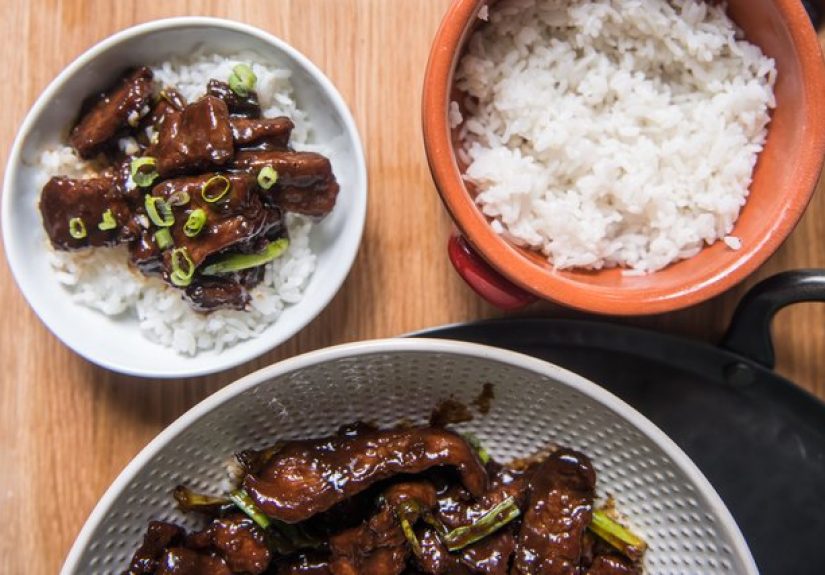
The good news: you can make a Copycat P.F. Chang’s Mongolian Beef at home that nails the signature vibetender beef, a glossy brown-sugar-and-soy sauce, and a confetti of green onionswithout putting your wallet in a headlock.
This guide gives you the “why it works” (so you can cook confidently), the “how to make it” (so dinner happens), and the “how to flex it” (so it becomes your signature).
If you’ve ever searched for PF Chang’s copycat Mongolian beef, easy Mongolian beef recipe, or crispy Mongolian beef, you’re in the right placeand your skillet is about to become a small legend.
What Makes P.F. Chang’s Mongolian Beef So Addictive?
Most Mongolian beef recipes look simple on paperbeef + sauce + onionsbut the restaurant version has a specific “sticky-glossy” texture and a sweet-salty balance that keeps you “accidentally” taking one more bite.
Here’s what we’re copying:
- Thinly sliced beef (so it cooks fast and stays tender).
- Cornstarch coating (for that light crisp + sauce-clinging magic).
- A caramelized sauce built on soy sauce and brown sugar, plus garlic and ginger.
- Lots of green onions (not garnishmore like a supporting actor who steals the scene).
The “Secret” Is Mostly Cornstarch (And Timing)
Cornstarch is doing double duty here: it helps the beef brown and feel lightly crisp, and it also helps thicken the sauce into that glossy coating you expect from takeout-style stir-fries.
The trick is high heat + quick cooking. If you crowd the pan, the beef steams and you lose the restaurant-style texture.
Why the Beef Gets Tender: A Quick Note on “Velveting”
Many Chinese restaurant-style stir-fries rely on a technique often called “velveting,” where a light starch coating protects the protein so it stays juicy and silky.
We’re using a simplified, weeknight-friendly approach: a cornstarch coat plus fast searing in hot oil.
You’ll still get that tender biteespecially if you slice correctly (more on that in a second).
Ingredients for Copycat P.F. Chang’s Mongolian Beef
This recipe is designed to taste like the restaurant classic while using easy-to-find grocery store ingredients.
You’ll get a sweet-savory sauce, garlicky warmth, and that “sticky stir-fry” finish.
For the Beef
- 1 lb flank steak (or skirt steak)
- 1/3 cup cornstarch
- 1/2 tsp kosher salt
- 1/4 tsp black pepper
- 3–4 tbsp neutral oil (canola, avocado, vegetable), for frying
For the Mongolian Sauce
- 1/2 cup low-sodium soy sauce (or tamari for gluten-free)
- 1/2 cup water (or low-sodium beef broth for extra depth)
- 1/2 cup packed dark brown sugar
- 1 tbsp fresh ginger, finely minced or grated
- 4 cloves garlic, finely minced
- 1–2 tsp toasted sesame oil (optional, for “restaurant aroma”)
- 1/4–1/2 tsp red pepper flakes (optional, for gentle heat)
To Finish
- 6–8 green onions, sliced into 2-inch pieces (plus extra thin slices for topping)
- 1 tsp cornstarch + 2 tbsp water (optional slurry, only if you want it thicker)
- Toasted sesame seeds (optional)
Step-by-Step: How to Make PF Chang’s Copycat Mongolian Beef
Step 1: Slice the Beef Like You Mean It
The #1 tenderness move is slicing against the grain. Look for the long muscle fibers running across the steak, then slice perpendicular to them.
For ultra-thin slices, pop the steak in the freezer for 10–15 minutes firstfirm, not frozen solid. It’s like giving your knife a cheat code.
Step 2: Coat the Beef
Toss the sliced steak with salt, pepper, and cornstarch until every piece looks lightly dusted.
Don’t worry if it looks a little dryonce it hits hot oil, it turns into that classic takeout texture that grabs sauce like it’s getting paid for it.
Step 3: Sear in Batches (Seriously)
- Heat a large skillet or wok over high heat until very hot.
- Add 2 tablespoons oil.
- Add beef in a single layer (work in 2 batches if needed).
- Sear for about 45–60 seconds per side, just until browned at the edges.
- Transfer to a plate. Repeat with remaining beef and a bit more oil if needed.
You’re not cooking it foreveryou’re building flavor quickly. Overcooking turns “tender takeout” into “chew toy.”
Step 4: Build the Sauce Right in the Pan
- Lower heat to medium.
- Add ginger and garlic. Stir for 15–30 seconds until fragrant (don’t let it burn).
- Add soy sauce, water, and brown sugar. Stir until the sugar dissolves.
- Bring to a simmer and cook for 2–3 minutes to thicken slightly and deepen flavor.
- If you want extra gloss/thickness, stir in the optional cornstarch slurry and simmer 30–60 seconds.
Step 5: Toss, Onion-Blast, Serve
- Add the beef back into the pan.
- Add the green onions.
- Toss for 30–60 seconds, just until the beef is coated and the onions soften slightly.
- Finish with sesame oil (optional) and sesame seeds (optional).
Make It Taste More “Restaurant”: Pro Tips That Actually Matter
Tip 1: Control the Sauce Like a Grown-Up
Restaurant Mongolian beef leans sweet and savory. If it tastes too sweet, add 1–2 teaspoons rice vinegar or a squeeze of citrus to balance it.
If it tastes too salty, add a splash more water and simmer briefly.
Tip 2: Use Dark Brown Sugar for Deeper Flavor
Dark brown sugar adds extra molasses notes, which helps mimic that “takeout richness.”
Light brown sugar worksyour dinner won’t file a complaintbut dark brings the drama.
Tip 3: Don’t Fear the Wok (But a Skillet Works)
A wok is great for high-heat stir-frying, but a large skillet works beautifully if you avoid crowding.
The real key is surface area so the beef sears instead of steams.
Tip 4: Want the “Extra Tender” Bite?
Slice thin, cut against the grain, and cook fast. That alone gets you 90% of the way.
Some restaurant-style methods also use a light starch-based marinade technique (often called velveting), but this streamlined version is built for normal humans on weeknights.
Gluten-Free Mongolian Beef: The Easy Swap
If you want a gluten-free version, use tamari or a certified gluten-free soy sauce.
Cornstarch is naturally gluten-free, but check labels if you’re cooking for someone with celiac disease.
The flavor stays classic, and you still get that sticky, glossy sauce.
What to Serve with Mongolian Beef
The sauce is bold and glossy, so pair it with something that soaks it up (or at least doesn’t fight it).
- Steamed jasmine rice or brown rice
- Rice noodles or lo mein-style noodles
- Broccoli (steamed, roasted, or quick stir-fried)
- Snap peas, green beans, or bell peppers for crunch
- Simple cucumber salad to add a cool, crisp contrast
Variations (Because You’re the Boss of Your Skillet)
Spicy Mongolian Beef
Add red pepper flakes, chili paste, or thin-sliced fresh chiles. Keep it balancedthis dish is about sweet-savory harmony, not punishment.
Extra “Umami” Mongolian Beef
If you love deeper savory notes, you can add a small spoonful of hoisin or a dash of oyster sauce to the sauce.
Use a light touchtoo much can pull it away from the classic PF Chang’s profile.
Veggie-Loaded Mongolian Beef
Stir-fry broccoli, green beans, or sliced onions after searing the beef, then proceed with sauce and toss everything together at the end.
It turns into a one-pan meal that feels suspiciously responsible.
Storage, Reheating, and Meal Prep Tips
- Fridge: Store leftovers in an airtight container for up to 3 days.
- Reheat: Warm in a skillet over medium heat with a splash of water to loosen the sauce.
- Meal prep: Slice the beef and mix the sauce ingredients ahead of time. Cook right before serving for the best texture.
FAQ: Copycat P.F. Chang’s Mongolian Beef
Is Mongolian beef actually from Mongolia?
Despite the name, the dish most Americans recognize as “Mongolian beef” is a Chinese-American restaurant-style stir-fry known for a sweet soy-based sauce, garlic, ginger, and green onions.
The name is more of a menu vibe than a geography lesson.
What’s the best cut of beef for Mongolian beef?
Flank steak is a classic choice because it slices well and cooks quickly.
Skirt steak also works. If you’re using a tougher cut, slicing thinly against the grain is non-negotiable.
Do I need a deep fryer?
Nope. A hot skillet or wok and a thin layer of oil are enough.
The goal is a quick, hot searnot a long, greasy swim.
Experience Notes: The Very Real Joy (and Chaos) of Making Copycat Mongolian Beef at Home
The first time people make Copycat P.F. Chang’s Mongolian Beef, it usually follows a predictable emotional arc:
confidence, curiosity, a brief moment of “why is my sauce so thin,” and thenif you nailed the heat and the timingpure pride.
It’s one of those recipes that feels like a magic trick because the ingredients are basic, but the end result tastes like you “know what you’re doing.”
One of the most common “aha” moments is discovering how much slicing matters. If you’ve ever had homemade stir-fry beef turn out a little chewy, it’s not that you’re cursedit’s usually the cut direction.
Once you slice the steak thinly against the grain and give it a cornstarch coat, you’ll notice the texture change immediately. The beef cooks in under two minutes total, and it stays tender instead of turning into a jaw workout.
That’s the moment your kitchen starts feeling less like “meal prep” and more like “tiny personal restaurant.”
Another relatable experience: the smell. When ginger and garlic hit a hot pan, it’s basically an announcement to everyone in the house that something good is happening.
It’s the same “walk past the mall food court and suddenly you’re hungry” effectexcept you’re not trapped near a pretzel stand.
By the time brown sugar dissolves into soy sauce and starts to simmer, the whole dish smells glossy, warm, and just a little fancy.
Sauce drama is also part of the journey. Sometimes the sauce looks thin right after you pour it in, and you’ll be tempted to panic.
But then you remember: it thickens as it simmers, and the cornstarch on the beef helps, too. If you like it extra sticky, you add a quick slurry and watch it transform in seconds.
That’s a very satisfying momentlike turning on the “restaurant setting” in your skillet.
The key experience lesson: don’t rush the simmer, and don’t dump in more sugar because you think “that’s the secret.”
The secret is balance, not dessert.
This recipe also has a social-life perk: it’s a crowd-pleaser that feels special but cooks fast.
People can hover near the stove (they will), sneak a piece of beef “for quality control” (they will), and suddenly you’re running a tiny tasting room.
Serve it over rice, add broccoli for color, sprinkle sesame seeds like you’re on a cooking show, and everyone assumes you spent way longer than you did.
It’s a confidence recipethe kind that makes you think, “Okay… what other takeout can I outsmart this week?”
And maybe the best experience of all: leftovers. Mongolian beef reheats surprisingly well, especially if you warm it gently with a splash of water to loosen the sauce.
The next day’s lunch tastes like you planned your life. The sauce soaks into the rice, the garlic-ginger flavor deepens, and you get that rare feeling of being both well-fed and wildly prepared.
Honestly? That might be the most “copycat restaurant” part of allbecause nothing feels more luxurious than having your favorite dish waiting for you, already made, in your own fridge.