Table of Contents >> Show >> Hide
- Why This Is the Best Gochujang Fried Rice Recipe
- What Is Gochujang and Why It Works in Fried Rice
- Recipe Card: Easy Gochujang Fried Rice
- How To Make Gochujang Fried Rice (Step-by-Step)
- Pro Tips for Restaurant-Style Korean Fried Rice at Home
- Common Mistakes (And How to Fix Them Fast)
- Easy Variations You’ll Actually Use
- Food Safety and Meal Prep Notes for Fried Rice
- FAQ: How to Make Gochujang Fried Rice Like a Pro
- 500-Word Experience Section: What I Learned After Making This Over and Over
- Final Bite
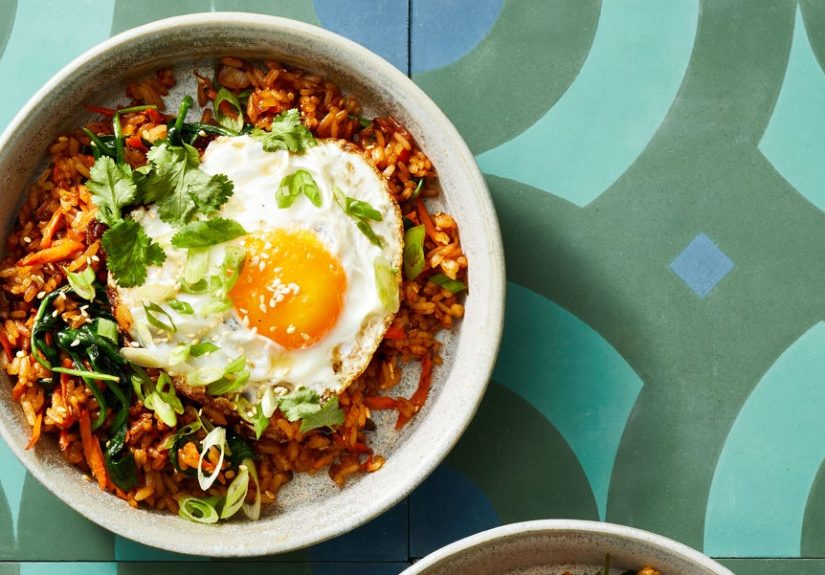
There are two kinds of weeknight dinners: the ones you cook because you have to, and the ones you cook because your brain has been thinking about them since 3 p.m. This best gochujang fried rice recipe is firmly in the second category. It’s spicy, savory, slightly sweet, deeply comforting, and suspiciously fast for something this satisfying.
If you’ve ever wondered how to make gochujang fried rice that tastes like it came from your favorite Korean spotbut still works in a normal home kitchen with one skillet and limited patiencethis is your playbook. We’ll build big flavor with a smart sauce, cold rice, and high-heat stir-frying, then finish with crispy edges, soft egg yolk magic, and topping ideas that make leftovers feel like a flex.
You’ll also get pro tips, common mistake fixes, safe storage guidance, and easy variations (vegetarian, extra protein, low-effort pantry version). Let’s make your fridge leftovers feel extremely famous.
Why This Is the Best Gochujang Fried Rice Recipe
1) It balances heat, sweetness, salt, and umami
Gochujang isn’t just “hot paste.” It brings fermented depth, gentle sweetness, and chili warmth all at once. Pair it with soy sauce, a little kimchi juice (or rice vinegar), and toasted sesame oil, and you get that craveable Korean-inspired flavor profile without a 27-ingredient shopping list.
2) It uses cold rice correctly
Great fried rice depends on texture. Cold, day-old rice separates into distinct grains and fries instead of steaming. If your rice is fresh, we’ll show you the quick-dry method so you still get that lightly chewy, toasty finish.
3) It’s built for real life
Forgot to thaw shrimp? No problem. Out of kimchi? Still possible. Need dinner in under 25 minutes? You’re in the right place. This recipe is flexible by design, and the flavor still lands hard.
4) It scales from “one bowl for me” to meal prep
Make one pan tonight, then reheat portions for lunch (safely) with almost no flavor loss. Add a fried egg each time, and suddenly Tuesday leftovers feel like Saturday brunch.
What Is Gochujang and Why It Works in Fried Rice
Gochujang is a Korean fermented chili paste typically made with red pepper flakes, fermented soybeans, glutinous rice, and salt. Translation: this ingredient does the work of several condiments at once. In fried rice, it gives:
- Heat without becoming one-note spicy
- Sweetness that rounds out salty flavors
- Umami depth from fermentation
- Color that makes your rice look restaurant-level
If you’re new to Korean cooking, this is one of the easiest entry points. If you already cook with gochujang, this recipe is your weeknight victory lap.
Recipe Card: Easy Gochujang Fried Rice
Yield, Time, and Equipment
- Servings: 3 to 4
- Prep time: 10 minutes
- Cook time: 10 to 12 minutes
- Total time: about 22 minutes
- Equipment: large wok or 12-inch skillet, spatula, small bowl for sauce
Main Ingredients
- 3 cups cold cooked rice (day-old jasmine, short-grain, or medium-grain)
- 1 to 1 1/2 cups kimchi, chopped (reserve 2 tablespoons kimchi juice)
- 2 tablespoons neutral oil (plus a little more if needed)
- 3 cloves garlic, minced
- 1 teaspoon fresh ginger, minced
- 3 scallions, sliced (separate whites and greens)
- 1 cup diced protein of choice (spam, bacon, chicken, tofu, or shrimp), optional
- 2 eggs for scrambling into the rice (optional)
- 2 to 4 fried eggs for topping (optional but iconic)
Gochujang Sauce Mix
- 1 1/2 tablespoons gochujang (use 1 tablespoon for mild heat)
- 1 tablespoon low-sodium soy sauce
- 2 tablespoons kimchi juice (or 1 tablespoon rice vinegar + 1 tablespoon water)
- 1 teaspoon sugar or honey (optional, for balance)
- 1 teaspoon toasted sesame oil (finish, not frying)
Optional Toppings
- Roasted seaweed strips (gim/nori)
- Toasted sesame seeds
- Cucumber ribbons
- Extra scallions
- Cheese (yes, seriously, and yes it works)
How To Make Gochujang Fried Rice (Step-by-Step)
Step 1: Prep everything before heat starts
Fried rice moves fast. Chop kimchi, mince garlic and ginger, slice scallions, and mix sauce in a small bowl. Break up cold rice clumps with clean hands so grains separate. This one step prevents gummy, uneven fried rice and improves browning.
Step 2: Heat pan until hot-hot
Place your wok or skillet over medium-high to high heat until very hot. Add neutral oil. If using bacon or spam, cook that first until crisp and lightly browned. Remove and set aside, leaving flavorful fat in the pan.
Step 3: Build your flavor base
Add scallion whites, garlic, and ginger. Stir 20 to 30 seconds until fragrant. Add kimchi and stir-fry 1 to 2 minutes so some moisture cooks off and the edges caramelize a little. That browning gives your rice deeper flavor.
Step 4: Add rice and fry, don’t steam
Add rice and spread it out. Let it sit undisturbed for 20 to 30 seconds, then toss. Repeat: spread, sizzle, toss. This creates those lightly crisp bits everyone fights over.
Step 5: Sauce it intelligently
Pour sauce mix around the edges of the hot pan (not directly on the rice mound). Let it bubble for a few seconds, then toss thoroughly so every grain gets coated instead of soaked. Add your cooked protein back in now.
Step 6: Egg strategy (choose your own adventure)
Option A: Push rice to one side, scramble 2 eggs in the empty space, then fold into rice.
Option B: Keep rice as-is and top each bowl with a fried egg.
Option C: Do both and live your best life.
Step 7: Finish and serve
Turn off heat. Add sesame oil and scallion greens. Toss once, taste, and adjust:
- Too spicy? Add a touch of sugar and more rice.
- Too salty? Add unsalted rice or a squeeze of lime.
- Too flat? Add a splash of kimchi juice or rice vinegar.
Serve immediately with sesame seeds and seaweed. Cue happy silence.
Pro Tips for Restaurant-Style Korean Fried Rice at Home
Use cold rice, but don’t panic if you forgot
If you only have fresh rice, spread it on a sheet pan in a thin layer and cool it near a fan for 20 to 30 minutes. The goal is drier surface moisture, so the rice fries instead of clumps.
Work in batches for better texture
Overcrowded pans trap steam. If doubling the recipe, cook in two rounds. You’ll get cleaner grains and more toasted edges.
Drain kimchi slightly, then use juice on purpose
Excess liquid early can make rice soggy. But a controlled amount of kimchi juice in the sauce gives acidity and funk where you want it.
Use sesame oil as a finisher
Toasted sesame oil loses fragrance if overheated. Add it at the end for maximum aroma.
Common Mistakes (And How to Fix Them Fast)
Mistake: Mushy rice
Fix: Higher heat, less crowding, drier rice. Let rice sit briefly between tosses.
Mistake: Too spicy
Fix: Add more plain rice, a little sugar, or top with fried egg/avocado to mellow heat.
Mistake: Bland result
Fix: You likely need acid and salt balance. Add kimchi juice and a dash of soy sauce.
Mistake: Greasy texture
Fix: Reduce oil by 1 teaspoon and avoid adding oil to cold rice before frying.
Mistake: Burnt garlic bitterness
Fix: Add garlic after protein has browned and stir constantly for a short burst only.
Easy Variations You’ll Actually Use
1) Vegetarian Gochujang Fried Rice
Use vegan kimchi (without fish sauce), add mushrooms + zucchini + edamame, and finish with crispy tofu. This version is hearty enough for dinner without meat.
2) High-Protein Version
Add diced chicken thigh, shrimp, or lean ground turkey. A common move is marinating shrimp briefly with soy sauce, garlic, and a touch of gochujang before stir-frying.
3) Extra-Crunch Version
Keep heat high and press rice into the pan for 30 seconds at a time before tossing. Top with seaweed and cucumber for contrast.
4) Cheesy Korean-Inspired Comfort Bowl
Stir in a small handful of mozzarella at the end or melt cheese on top under a broiler-safe skillet. Kimchi + gochujang + cheese is surprisingly excellent.
5) Pantry-Only Emergency Dinner
Rice + gochujang + soy sauce + frozen peas + egg + scallion = dinner in 12 minutes. Keep kimchi in the fridge and you’re always one skillet away from success.
Food Safety and Meal Prep Notes for Fried Rice
Rice is delicious and occasionally dramatic if handled carelessly. For safe leftovers:
- Cool cooked rice promptly and refrigerate within 2 hours (1 hour if very hot weather).
- Store leftovers in shallow containers for faster chilling.
- Eat refrigerated leftovers within 3 to 4 days.
- Reheat thoroughly until steaming hot (around 165°F internal target).
Translation: make it amazing, but don’t leave it on the counter all evening while you “just watch one episode.”
FAQ: How to Make Gochujang Fried Rice Like a Pro
Can I make gochujang fried rice without kimchi?
Yes. You’ll lose some tang, but it still works. Add 1 to 2 teaspoons rice vinegar and a pinch of sugar for balance.
What rice is best for gochujang fried rice?
Jasmine, medium-grain, and short-grain all work. The key is cold, separated grainsnot a specific variety.
How spicy is this recipe?
Medium by default. Start with 1 tablespoon gochujang for milder heat, then build upward.
Is this the same as kimchi fried rice?
They overlap a lot. Gochujang fried rice centers the chili paste flavor; kimchi fried rice leans more on fermented kimchi tang. This recipe blends both for a balanced “best of both worlds” result.
Can I freeze it?
Yes. Cool completely, portion into airtight containers, and freeze. Reheat in a skillet for best texture.
500-Word Experience Section: What I Learned After Making This Over and Over
The first time I made this, I treated fried rice like a lazy side dish. I tossed warm rice into a not-quite-hot skillet, added too much sauce, and ended up with something that tasted fine but looked like spicy risotto’s confused cousin. It was edible, but nobody wrote songs about it.
The second attempt changed everything. I used rice from the night before, broke up clumps with my hands, pre-mixed the sauce, and got my pan properly hot. Suddenly the grains stayed separate. The kimchi caramelized in spots. The gochujang coated everything without turning gluey. I topped it with a fried egg and had that quiet, magical first bite where you wonder whether you accidentally got better at cooking overnight.
Over time, I learned that this recipe rewards tiny habits more than fancy gear. Mise en place matters. Heat matters. Restraint with liquid matters. And surprisingly, patience matters most when the instinct is to stir constantly. Letting the rice sit for brief moments creates texture you can’t fake with extra sauce or garnish.
I’ve served this to friends who “don’t do spicy food,” and the trick was simple: reduce gochujang slightly, add more egg, and finish with cucumber. Same dish, different balance. I’ve also served it to spice lovers by adding extra kimchi juice and a spoonful of gochugaru at the end. Same base, different personality. It’s one of those recipes that meets people where they are.
The most useful lesson came during meal-prep weeks. I’d make a double batch, cool it quickly, and portion it for lunches. Reheated in a skillet with one fresh egg on top, it tasted intentional, not like leftovers. That felt like a small quality-of-life upgradegood food on stressful days, no extra brainpower required.
I also experimented with add-ins: mushrooms for umami, shrimp for sweetness, tofu for texture, even chopped kale when I needed to pretend I was being responsible. All worked, as long as I respected the core framework: dry rice, hot pan, balanced sauce, quick finish.
If you’re just starting out with Korean-inspired cooking, this dish builds confidence fast. If you cook a lot already, it’s still useful because it turns leftovers into something you actually crave. And if your week is chaos, this recipe is dinner insurance with personality.
My favorite final version now is simple: kimchi, scallions, garlic, gochujang sauce, crispy rice edges, fried egg, sesame seeds, and seaweed. Nothing fancy. Just bold, satisfying, deeply comforting food made in one pan. The kind that makes you text someone, “You need this recipe,” before you finish the bowl.