Table of Contents >> Show >> Hide
- What Is a Copper Nunki Weeder?
- Why Gardeners Like Copper and Bronze Garden Tools
- How the Copper Nunki Weeder Works
- How to Use a Copper Nunki Weeder Correctly
- Copper Nunki Weeder vs. Regular Hoe
- Why Early Weeding Matters
- Pairing the Nunki Weeder with Mulch
- Care and Maintenance
- Does Copper Improve Soil?
- Who Should Buy a Copper Nunki Weeder?
- Practical Examples in the Garden
- Buying Tips
- of Experience: What It Feels Like to Garden with a Copper Nunki Weeder
- Conclusion
Some garden tools arrive with the personality of a soup spoon. They work, technically, but nobody writes poetry about them. Then there is the Copper Nunki Weeder, a small, curved, bronze-bladed hand weeder that looks like it wandered out of an old-world potting shed and quietly decided to make your weed problem less dramatic.
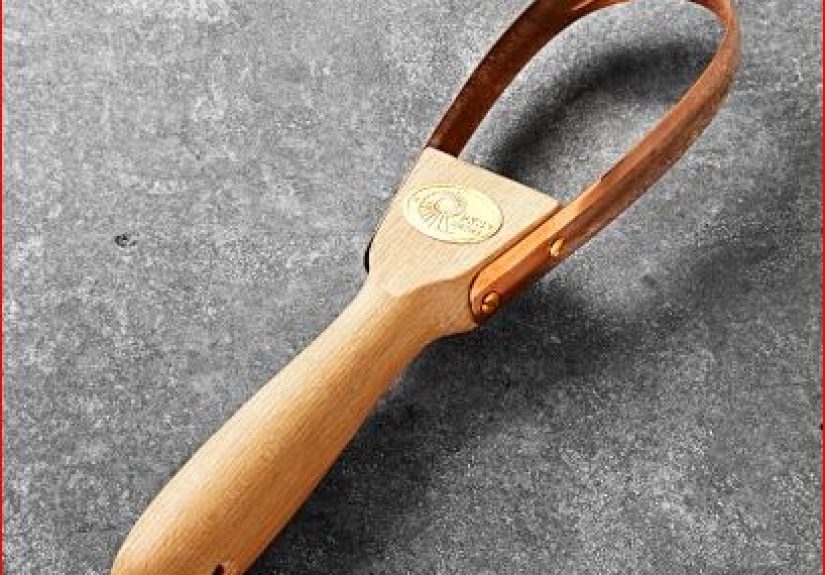
The Copper Nunki Weeder is best known as a compact hand tool for slicing shallow weeds, loosening surface soil, and working close to established plants without causing a tiny botanical disaster. It typically features a turned wooden handle, often beech, and a sharp hooped bronze blade made from a copper-rich alloy. In plain American garden language: it is a small hand hoe with a looped cutting edge, designed for careful weeding in flower beds, vegetable rows, raised beds, herb gardens, and tight spaces where a full-size hoe would behave like a bull in a salad bar.
Its charm is not just visual. The Nunki’s curved blade cuts on the push and pull, which makes weeding feel less like punishment and more like a satisfying little rhythm: scrape, slice, loosen, repeat. It is especially useful for young annual weeds, chickweed, speedwell, and other mat-forming weeds that creep around desirable plants like they pay rent. Used early and often, this copper weeding tool can help keep garden beds cleaner with less soil disturbance and fewer sore-back complaints.
What Is a Copper Nunki Weeder?
The Copper Nunki Weeder is a short-handled garden weeding tool with a horseshoe-shaped or hooped blade. The blade is usually made from bronze, a copper-and-tin alloy. Many sellers call it a copper weeder because the alloy contains a high percentage of copper, but technically, the working head is bronze. That matters because pure copper is too soft for serious garden work, while bronze offers better strength, durability, and edge-holding ability.
The tool’s shape is the secret sauce. Instead of digging straight down like a trowel or clawing through the soil like a cultivator, the Nunki glides across the top layer of soil. Its sharpened edges cut weed stems and roots just below the surface. This makes it ideal for shallow-rooted weeds and small invaders that have not yet developed the confidence of a backyard villain.
Key Features of the Nunki Weeder
- Hooped bronze blade: Cuts weeds in a push-pull motion.
- Copper-rich alloy: Rust-resistant and long-lasting compared with ordinary steel.
- Wooden handle: Often made from beech for a smooth, traditional grip.
- Compact size: Easy to use between vegetables, herbs, perennials, and seedlings.
- Lightweight feel: Designed for controlled hand weeding rather than heavy digging.
Why Gardeners Like Copper and Bronze Garden Tools
Copper and bronze garden tools have a loyal following for practical and aesthetic reasons. First, they do not rust like iron or ordinary steel. Instead, bronze develops a patina over time, which many gardeners see as part of the tool’s character. A shiny new Nunki may look fancy at first, but after a season of real use, it gains that “yes, I actually garden” glow.
Second, bronze tools are often smooth in the soil. Gardeners working in sticky clay, damp compost, or fine garden loam may appreciate that the blade does not cling to soil as stubbornly as some steel tools. Less sticking means less stopping to scrape mud off the tool, and more time actually weeding. Revolutionary? Maybe not. Delightful? Absolutely.
Third, many copper garden tools are handmade or produced using traditional methods. The Nunki Weeder is commonly associated with European bronze-tool craftsmanship, especially PKS Bronze tools from Austria. These tools are often positioned as heirloom-quality garden tools: not the kind you buy, bend, abandon, and replace, but the kind you clean, sharpen, and secretly hope someone compliments.
How the Copper Nunki Weeder Works
The Nunki works by scuffling the soil surface. You hold the wooden handle and move the curved blade back and forth across the top layer of soil. The sharpened loop slides just under the surface, cutting young weeds away from their roots and loosening the surrounding soil. This approach is especially useful when weeds are small. As garden experts love to remind us, weeds are much easier to defeat when they are babies, before they grow roots, attitude, and a five-year expansion plan.
Best Uses for the Copper Nunki Weeder
The Copper Nunki Weeder shines in places where precision matters. Use it between lettuce rows, around herbs, near low-growing flowers, along the edge of raised beds, and between established perennials. It is also handy in container gardens where a larger hoe has no business swinging around like it owns the patio.
The tool is especially effective against shallow annual weeds and mat-forming weeds. Chickweed, speedwell, and tiny weed seedlings are good examples. The looped blade can slip near desirable plants and remove unwanted growth without uprooting everything nearby. That is important because good weeding is not just about removing the enemy; it is about not accidentally assassinating the basil.
Where It Is Less Effective
No tool is magic, not even one that looks like it belongs in a gardener’s treasure chest. The Nunki Weeder is not the best choice for deep taproots, woody weeds, thick grass clumps, or established perennials with serious root systems. For dandelions, dock, thistle, or large weeds with deep roots, a digging fork, soil knife, fishtail weeder, or trowel may be more effective.
Think of the Nunki as a precision surface weeder, not a demolition machine. It is excellent for regular maintenance, but if your garden bed currently looks like a jungle that swallowed a mailbox, start with bigger tools, then bring in the Nunki for ongoing control.
How to Use a Copper Nunki Weeder Correctly
Using the Copper Nunki Weeder is simple, but good technique makes it much more effective. The goal is to cut weeds just below the soil surface while disturbing the soil as little as possible. Less disturbance matters because turning over too much soil can bring buried weed seeds into the light, where they wake up and say, “Finally, our moment.”
Step 1: Weed When the Soil Is Slightly Moist
The best time to use a Nunki Weeder is after light rain or watering, when the soil is workable but not muddy. Slightly moist soil lets the blade glide under weed roots with less resistance. If the soil is bone-dry, the tool may skip across the surface. If it is soggy, you may smear and compact the soil instead of loosening it.
Step 2: Hold the Tool Low and Steady
Grip the handle comfortably and keep the blade nearly parallel to the soil surface. You are not trying to dig a trench. Use a smooth push-pull motion so the sharp edges slice under the weeds. The blade should skim the top inch or so of soil, depending on the weed size and soil texture.
Step 3: Work Around Good Plants Carefully
When working near seedlings or shallow-rooted crops, slow down. The Nunki is precise, but it still has a sharp blade. Leave a little breathing room around tender stems. Mature perennials, established herbs, and sturdy vegetable plants are easier to weed around than tiny seedlings that panic when you look at them wrong.
Step 4: Rake or Lift Cut Weeds Away
After slicing weeds, remove them from the bed if they are mature, flowering, or likely to reroot. Tiny seedlings can sometimes dry out on the soil surface in warm weather, but weeds are famously sneaky. When in doubt, collect them and compost only if they have not gone to seed and are not invasive problem weeds.
Copper Nunki Weeder vs. Regular Hoe
A regular garden hoe is better for larger open spaces. It lets you stand upright and cover more ground, which is helpful in big vegetable gardens. The Copper Nunki Weeder, however, is better for close-up work. It belongs in raised beds, borders, and dense plantings where a long-handled hoe can feel clumsy.
Compared with a standard hand trowel, the Nunki is faster for surface weeding because it slices instead of scoops. Compared with a hand fork, it causes less soil disruption. Compared with pulling weeds by hand, it saves your fingers from endless pinching and tugging. In short, it fills the sweet spot between hand pulling and hoeing.
Why Early Weeding Matters
The Copper Nunki Weeder works best when you make weeding a habit rather than a rescue mission. Young weeds are vulnerable. Their roots are small, their stems are tender, and their life goals are still negotiable. Once weeds mature, they compete more aggressively with garden plants for water, light, nutrients, and space.
In vegetable gardens, weeds can reduce airflow, make harvesting harder, and create hiding places for pests. In flower beds, they steal attention from the plants you actually paid for. In herb gardens, they make everything look like a tiny wilderness documentary. Regular shallow cultivation with a tool like the Nunki helps prevent weeds from becoming established.
Pairing the Nunki Weeder with Mulch
A smart weed-control routine does not rely on one tool alone. The best strategy is simple: remove existing weeds, then prevent new ones from sprouting. After using the Copper Nunki Weeder, apply organic mulch such as shredded leaves, straw, compost, bark, or wood chips where appropriate. Mulch blocks light, conserves soil moisture, moderates soil temperature, and reduces future weed germination.
For vegetable beds, lighter mulches such as straw, dried grass clippings from untreated lawns, or shredded leaves can work well. For ornamental beds, bark or wood chips may be better. Keep mulch away from plant crowns and stems to avoid rot. Mulch is helpful, but it should not be piled like a volcano around plants. Garden volcanoes are rarely a good idea unless you are a very dramatic gnome.
Care and Maintenance
One reason gardeners love copper and bronze tools is that they are relatively low-maintenance. The Copper Nunki Weeder does not need the same rust-prevention routine as steel tools. Still, a little care will keep it working beautifully for years.
Cleaning the Blade
After use, wipe off soil with a rag or rinse the blade if necessary. Dry it before storing. Bronze does not rust, but putting tools away wet is still poor garden manners. A dry tool is a happy tool.
Maintaining the Handle
If the handle is made of beech or another hardwood, occasional oiling can help preserve its smooth feel. Use a natural tool-handle oil or boiled linseed oil, following product directions. Avoid leaving the tool outdoors in rain or direct sun for long periods. Even an heirloom tool does not want to live under a tomato plant all summer.
Sharpening the Edge
The Nunki’s performance depends on its edge. If the blade feels dull, sharpen it gently with a suitable file or sharpening stone. Follow the existing bevel and avoid removing too much material. A sharp blade slices weeds cleanly; a dull blade mostly annoys them.
Does Copper Improve Soil?
Many copper garden tool makers and enthusiasts say copper-rich tools can leave trace amounts of copper in the soil. Copper is indeed an essential micronutrient for plants, but it is needed only in very small amounts. This is where responsible gardening advice should put on its sensible shoes.
Using a copper or bronze hand tool is not the same as applying copper fertilizer or copper fungicide. The amount transferred from casual tool use is likely to be tiny. However, gardeners should avoid thinking that “more copper” automatically means better soil. In plant nutrition, micronutrients have a narrow comfort zone. Too little can cause deficiency in certain conditions; too much can become harmful. If you are concerned about soil fertility, a soil test is far more useful than guessing.
So, enjoy the Copper Nunki Weeder for what it clearly does well: precise weeding, surface cultivation, rust resistance, and long tool life. Treat soil-improvement claims as interesting but secondary, not as the main reason to buy the tool.
Who Should Buy a Copper Nunki Weeder?
The Copper Nunki Weeder is a great fit for gardeners who enjoy maintaining raised beds, herb gardens, flower borders, and vegetable patches by hand. It is especially appealing if you prefer durable tools, traditional craftsmanship, and low-maintenance materials. It also makes a handsome gift for gardeners who already own the basics and now deserve something more charming than another plastic hand trowel.
It may not be the best first tool for someone with a large field garden or severe weed infestation. In that case, a long-handled hoe, digging fork, broadfork, or heavy-duty cultivator may be more practical. But for regular bed maintenance, the Nunki earns its place.
Practical Examples in the Garden
Example 1: Raised Vegetable Beds
Imagine a raised bed planted with lettuce, radishes, and scallions. Tiny weeds begin appearing between rows. A regular hoe feels too large, and hand pulling takes forever. The Nunki slides between rows, cuts the weeds below the surface, and leaves the crop roots mostly undisturbed. Five minutes later, the bed looks tidy, and you get to feel like the kind of person who has their life together.
Example 2: Flower Borders
In a perennial border, weeds often appear close to plant crowns. Pulling by hand can disturb shallow roots. The Copper Nunki Weeder allows careful scraping around established plants, especially where small annual weeds are just emerging. It is not a substitute for digging out deep-rooted invaders, but it is excellent for weekly maintenance.
Example 3: Herb Gardens
Herb gardens are usually planted tightly, and nobody wants to accidentally uproot thyme while chasing chickweed. The Nunki’s small blade makes it easier to work around parsley, basil, oregano, chives, and sage. It also loosens the soil surface lightly, which can help water soak in rather than running off compacted patches.
Buying Tips
When shopping for a Copper Nunki Weeder, look for a genuine bronze or copper-alloy blade, a comfortable wooden handle, and a clearly sharpened loop. Check the dimensions if you have large hands or prefer longer handles. Many Nunki weeders are about 10 inches long, making them compact and easy to control.
Also pay attention to craftsmanship. A good tool should feel solid, balanced, and smooth in the hand. The blade should be firmly attached. The handle should not feel rough or unfinished. If you are buying it as a gift, some sellers offer engraving, which is a nice touch for gardeners who enjoy pretending they are not emotionally attached to their tools.
of Experience: What It Feels Like to Garden with a Copper Nunki Weeder
The first thing you notice about the Copper Nunki Weeder is that it does not feel like a disposable gadget. It has weight, but not heaviness. The wooden handle sits naturally in the palm, and the bronze loop catches the light in a way that makes you briefly consider reorganizing your entire tool shed around “vibes.” Then you take it outside and realize it is not just pretty. It is useful in the exact kind of quiet, repeatable way that makes gardening easier.
In a raised bed, the Nunki feels most at home. The short handle gives you control, especially when working near lettuce, carrots, onions, herbs, and young flowers. Instead of grabbing every weed with your fingers, you skim the blade under the soil and watch seedlings detach with almost no argument. There is something satisfying about the motion. It is not aggressive. It is more like shaving the garden bed. A little scrape here, a little pull there, and suddenly the soil looks neat again.
The best experience comes when weeds are small. If you use the Nunki once or twice a week during the growing season, it can turn weeding from a dreaded Saturday project into a five-minute check-in. That is its real superpower. It encourages better timing. Big weeds make gardeners feel behind. Tiny weeds make gardeners feel powerful. The Nunki is built for the powerful stage.
In flower borders, the tool is especially helpful around established plants where you want precision. It can slip between stems and around crowns better than a long-handled hoe. It is also useful along bed edges, around stepping stones, and in those awkward little corners where weeds seem to hold secret meetings. The looped blade cuts in both directions, so you do not have to constantly lift and reset the tool. That saves effort and keeps the motion smooth.
There are limits. If you meet a dandelion with a deep taproot, the Nunki will cut the top, but the root may return like a sequel nobody requested. For deep-rooted weeds, you still need a digging tool. If the soil is rock-hard, the blade will not glide as well. Watering lightly or waiting until after rain makes a big difference. And if weeds have gone to seed, remove the debris instead of leaving it on the bed. A weed with seeds is not compost; it is a future scheduling problem.
Maintenance is pleasantly simple. After use, wipe the blade, dry it, and put it somewhere safe. Over time, the bronze develops a darker patina. Do not panic. That is normal. It is not rust. The handle may need occasional oiling, especially if your climate is dry. Sharpening the edge now and then keeps the tool feeling lively.
Overall, the Copper Nunki Weeder is the kind of tool that rewards gardeners who pay attention. It will not fix a neglected garden overnight, but it makes regular care easier, cleaner, and honestly more enjoyable. It is beautiful enough to admire and practical enough to earn dirt under its blade. That combination is rare. Most tools choose either beauty or usefulness. The Nunki, smug little thing, manages both.
Conclusion
The Copper Nunki Weeder is a compact, elegant, and highly practical tool for gardeners who want better control over shallow weeds in raised beds, vegetable rows, herb gardens, and flower borders. Its hooped bronze blade, copper-rich construction, and comfortable wooden handle make it especially useful for careful weeding near established plants. It is not designed for deep taproots or heavy excavation, but for regular surface weeding, it is fast, precise, and satisfying to use.
For best results, use it early, when weeds are small, and pair it with mulch, good garden spacing, and consistent maintenance. Keep it clean, dry, and sharp, and the Nunki can become one of those rare tools that feels less like equipment and more like a gardening companion. A very sharp companion, yes, but a loyal one.