Table of Contents >> Show >> Hide
- What Is Common Good All Purpose Cleaner?
- Why People Notice This Cleaner in a Crowded Market
- What Is in Common Good All Purpose Cleaner?
- How Well Does It Work for Everyday Cleaning?
- What It Does Not Do
- The Refill Story Is a Big Part of the Appeal
- Who Is Most Likely to Like It?
- Common Good All Purpose Cleaner Experience: What Real Use Tends to Feel Like
- Final Verdict
If the cleaning aisle makes you feel like you need a chemistry degree, a hazmat suit, and a tiny emotional support mop, Common Good All Purpose Cleaner is the kind of product that tries to calm the room down. It is marketed as a plant-based, refill-friendly cleaner designed for everyday messes on non-porous surfaces, and that combination is a big part of its appeal. People are not just shopping for something that removes fingerprints from the counter anymore. They also want ingredient transparency, less plastic waste, a scent that does not punch them in the sinuses, and a bottle that does not look like it lost a fight with a neon highlighter.
That is where Common Good has carved out its lane. The brand has built a reputation around low-waste household cleaning, simple ingredient lists, and a polished refill system that feels more modern apothecary than under-sink chaos. But the real question is not whether it looks nice next to your faucet. The real question is whether Common Good All Purpose Cleaner actually earns a spot in a busy American home where grease, crumbs, toothpaste dots, and mystery sticky spots show up like uninvited relatives.
This guide takes a close look at what Common Good All Purpose Cleaner is, how it works, what makes it different, where it fits in a realistic cleaning routine, and why so many shoppers keep circling back to refillable multi-surface cleaners in the first place. The short version is that this is not a gimmick product for people who alphabetize their dish towels. It is a practical cleaner with a sustainability story, and that combination is exactly why it has become so easy to notice.
What Is Common Good All Purpose Cleaner?
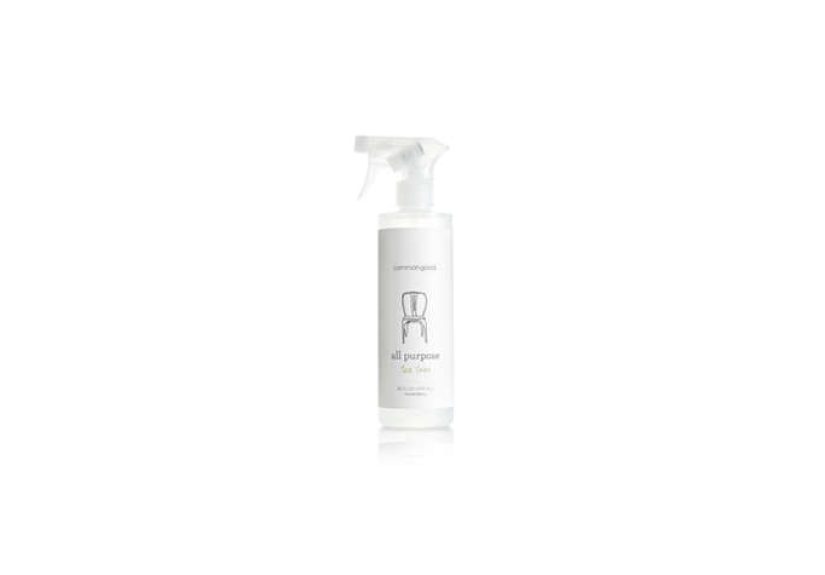
Common Good All Purpose Cleaner is an everyday multi-surface cleaner intended for routine household use. The brand positions it as a cleaner for non-porous surfaces, which typically means places like sealed countertops, tile, finished fixtures, bathroom vanities, and other hard surfaces that collect ordinary life. In plain English, this is the spray you reach for when the kitchen counter looks like lunch happened there, because lunch definitely happened there.
Unlike old-school all-purpose cleaners that lean hard into synthetic fragrance and aggressive branding, Common Good’s identity is quieter. The formula is presented as plant-based and biodegradable, and the product is sold in reusable and refillable formats rather than only in disposable spray bottles. That matters because many shoppers now evaluate a cleaner on three levels at once: cleaning power, ingredient comfort, and packaging waste. Common Good is designed to speak to all three.
Another reason the product stands out is the way it is sold. You can get it in a standard bottle, a refill pouch, or larger refill box formats meant to cut down on repeat plastic use. This means the product is not just “a cleaner.” It is also part of a refill system. For households trying to reduce waste without turning everyday chores into a lifestyle dissertation, that is a meaningful difference.
Why People Notice This Cleaner in a Crowded Market
The all-purpose cleaner category is packed. There are conventional sprays, concentrates, tablets, fragrance-free options, disinfecting sprays, greenwashed lookalikes, and bottles making promises so dramatic they sound ready to clean your taxes. Common Good gets attention because it keeps the pitch relatively simple: clean well, disclose ingredients, refill instead of rebuying bulky bottles, and skip the loud chemical vibe.
That simple pitch lands especially well with shoppers who want a product that feels less harsh without feeling weak. Nobody wants a “gentle” cleaner that treats grease like an emotional suggestion. The sweet spot is a formula that handles daily grime but does not make the whole kitchen smell like a synthetic lemon convention. Common Good aims squarely at that middle ground.
The design factor also deserves a mention. Let us be honest: packaging matters. A reusable glass bottle and a tidy refill pouch feel different from disposable plastic sprayed with marketing jargon. It is easier to keep a cleaner visible and accessible when it looks intentional. And when a cleaner stays visible, it tends to get used more consistently. That is not just aesthetic fluff. That is behavior design wearing a nice outfit.
What Is in Common Good All Purpose Cleaner?
One of the brand’s strongest selling points is ingredient transparency. The formula is typically described with a short, recognizable list that includes water, decyl glucoside, potassium carbonate, citric acid, potassium hydroxide, gluconic acid, and essential oil. For shoppers tired of mysterious labels, that kind of plain disclosure is refreshing.
Decyl glucoside is a plant-derived surfactant often used in gentler cleaning and personal care formulas. In practical terms, a surfactant helps break up grime so it can be wiped away instead of smeared around like bad kitchen gossip. Potassium carbonate and citric acid help support the cleaning action, while the rest of the formula helps stabilize performance and keep the product usable in real life, not just in a marketing photo.
The scent profile comes from essential oils rather than synthetic fragrance, with versions commonly sold in bergamot, lavender, and tea tree. That does not automatically mean every nose will love every version. Smell is personal, and one person’s “fresh and clean” is another person’s “why does my countertop smell like a tiny spa?” Still, the overall fragrance approach is clearly part of the brand’s identity.
The formula is also promoted as free from sulfates, parabens, and synthetic fragrances. That is a big reason the product shows up in conversations about lower-tox household cleaning. It is not sold as some magical unicorn mist that solves every cleaning problem known to civilization. It is sold as a thoughtfully formulated everyday cleaner with a shorter ingredient story and a lower-waste packaging model.
How Well Does It Work for Everyday Cleaning?
For day-to-day messes, Common Good All Purpose Cleaner fits the jobs most people actually have. Think kitchen counters after meal prep, bathroom sinks with toothpaste splatter, cabinet fronts with fingerprints, dining tables after homework and snacks, and tile that looks dull from ordinary buildup. In those situations, a good all-purpose cleaner should cut through light grease, lift grime, and leave the surface looking clean without a sticky film.
That is the role this product appears built for. It is not about dramatic “watch me destroy industrial sludge” theatrics. It is about reliable maintenance cleaning. That may sound less glamorous, but routine cleaners live or die on whether people want to use them several times a week. If the scent is tolerable, the wipe-down is easy, and the finish looks good, that is a win.
Some product descriptions and customer-style feedback emphasize that it leaves a nice finish on surfaces like granite and quartz without obvious streaking. That is important because a lot of everyday cleaners technically remove dirt while somehow leaving behind visual disappointment. A cleaner that does the job and then exits the scene quietly is often the one that earns repeat purchases.
It is also helpful that the cleaner is positioned for non-porous surfaces. That gives users a clearer sense of where it belongs. A good rule of thumb is not to freestyle with cleaners on delicate, unfinished, or specialty materials just because the bottle is nearby and you are feeling optimistic. Follow the product guidance, spot test when needed, and let common sense be part of the cleaning kit.
What It Does Not Do
This part matters. Common Good All Purpose Cleaner is a cleaner, not a disinfectant. Those are not the same thing. Cleaning removes dirt and reduces germs on surfaces. Disinfecting is about killing germs using specific active ingredients and directions. In most homes, routine cleaning is a big part of everyday maintenance. But when somebody is sick or a surface needs true disinfection, a standard all-purpose cleaner is not a substitute for a proper disinfectant used according to its label.
That distinction is important because modern cleaner marketing often blurs categories. Consumers see “fresh,” “powerful,” and “non-toxic,” and it becomes easy to assume the product does everything. It does not. Common Good All Purpose Cleaner is best understood as a daily cleaning product for ordinary soil, grease, dust, and surface messes. That is already a useful job. It does not need to cosplay as a hospital-grade formula.
It also is not the right product for every material or every level of mess. Heavy soap scum, mold issues, serious mineral buildup, and surfaces that need specialized care may call for a dedicated bathroom cleaner, stone-safe specialty product, or disinfectant. A strong cleaning routine is not about making one bottle do the work of ten. It is about using the right bottle without turning your cabinet into a chemistry museum.
The Refill Story Is a Big Part of the Appeal
If Common Good All Purpose Cleaner were sold only in a standard plastic trigger bottle, it would still be a decent plant-based cleaner option. But the refill system is what gives it real personality in the market. The product is available in refill pouches and larger refill boxes, and the brand talks a lot about reuse, refilling, and reducing single-use packaging.
That matters because cleaning products are one of those categories where plastic use sneaks up on people fast. One bottle for the kitchen. One for the bathroom. One backup because you forgot you already had one. Suddenly your cabinet looks like a small recycling center. A refill system helps break that pattern by shifting the routine from “buy another bottle” to “top up what I already use.”
Common Good’s larger refill formats push that idea even further. The brand has also highlighted a return-and-reuse approach for refill box liners, which is the kind of detail sustainability-minded shoppers want to see. Lots of brands say “eco-friendly.” Fewer explain what happens after the packaging is empty. That operational follow-through gives Common Good a more credible environmental angle than pretty green labels alone.
Of course, refill systems only work if people will actually use them. The good news is that this model is easy to understand. Keep the bottle. Refill the bottle. Avoid rebuying the whole setup every time. That is not revolutionary math, but it is the kind of practical sustainability that tends to stick because it asks for small habit changes, not a total personality transplant.
Who Is Most Likely to Like It?
Common Good All Purpose Cleaner is especially appealing to a few types of shoppers. First, there are the ingredient readers: the people who flip bottles around in stores like they are judging a spelling bee. If you care about straightforward labels and want a cleaner that avoids a long list of common “why is this even in here?” ingredients, this product makes sense.
Second, there are the low-waste shoppers. If you are trying to reduce plastic use without making every household purchase unbearably complicated, a refillable cleaner is an easy place to start. It is practical, visible, and tied to a product you use repeatedly. That is a much smoother entry point than trying to become a zero-waste wizard overnight.
Third, there are the design-minded shoppers who want their everyday items to look decent. There is no shame in that. A good-looking bottle on the counter can make a boring task slightly less annoying, and frankly, the bar for domestic joy is sometimes very low. If a cleaner can remove grime and also not offend your eyeballs, that is allowed.
Finally, this cleaner suits households that need a dependable daily spray, not a specialized heavy-duty chemical arsenal. It is for maintenance, not mayhem. For plenty of homes, that is exactly the right lane.
Common Good All Purpose Cleaner Experience: What Real Use Tends to Feel Like
Now for the part shoppers actually care about: what the experience is like once the bottle leaves the screen and enters a real home full of fingerprints, crumbs, half-finished coffee, and the eternal mystery of how toothpaste gets everywhere except the sink drain.
The first thing many people notice is that Common Good All Purpose Cleaner does not feel like a traditional “big cleaning day” product. It feels more like a maintenance cleaner you want to reach for often. That difference matters. Some sprays technically work, but they smell so sharp or feel so aggressive that people avoid using them until the mess becomes a personal betrayal. Common Good’s softer scent profile and cleaner aesthetic encourage more frequent use, and frequent use is usually what keeps a home looking under control in the first place.
The second common experience is that the cleaner seems to fit best into quick routines. A few sprays on the counter after cooking. A fast wipe of cabinet fronts. A once-over on the bathroom vanity before guests arrive and pretend they do not judge your faucet spots. It is not the kind of product that asks for gloves, goggles, and a motivational speech. It is a “do the job and move on with your life” cleaner, which is exactly what a lot of people want.
Another part of the experience is psychological, and yes, that counts. Refill-based products can make people feel better about everyday consumption because the routine shifts from constant disposal to repeated reuse. That does not mean one bottle of cleaner will save the planet before lunch. It means the product fits more comfortably into a home where people are trying to make slightly better decisions, consistently, without becoming unbearable about it at dinner parties.
There is also the scent factor. Bergamot, lavender, and tea tree each create a different mood, and scent can strongly shape how “clean” a home feels. For some people, Common Good smells fresher and calmer than mainstream cleaning sprays. For others, any scented product is still a scented product, and preferences will vary. That is why the experience of this cleaner is so tied to personal taste. Cleaning is chemistry, but it is also habit, atmosphere, and tolerance for fragrance at 7:15 on a Tuesday morning.
Finally, there is the experience of seeing the cleaner in your actual routine over time. A pretty bottle only earns its place if the product inside keeps working. Common Good All Purpose Cleaner seems to resonate most with users who want an everyday cleaner that feels modern, smells pleasant, handles basic grime well, and supports a refill habit that is easy to maintain. In other words, it is less about one dramatic spray-and-wipe miracle and more about becoming the cleaner you use so often that the house quietly stays nicer. That may not be flashy, but it is deeply useful. And in cleaning, useful usually beats dramatic by a mile.
Final Verdict
Common Good All Purpose Cleaner stands out because it combines practical cleaning, ingredient transparency, and a refill-first approach without making the whole experience feel complicated. It is best for daily messes, routine upkeep, and shoppers who want a cleaner that feels a little more intentional than the average supermarket spray. It is not a disinfectant, not a miracle worker for every surface, and not the only decent plant-based option on the market. But it is a strong one.
If your idea of a good cleaner is something that handles ordinary life, smells better than panic, and helps you use fewer disposable bottles over time, Common Good All Purpose Cleaner is easy to understand. It does not reinvent cleaning. It just makes it feel smarter, calmer, and a bit less wasteful. That is a pretty common good, if you ask me.