Table of Contents >> Show >> Hide
- Quick Take
- What Exactly Is a Cataract?
- Common Cataract Symptoms (and What They Feel Like)
- When Symptoms Suggest an Urgent Visit
- Why Cataracts Cause These Symptoms (Plain-English Version)
- How Cataracts Are Diagnosed
- Who’s at Higher Risk?
- When to Treatand What to Expect
- Cataracts vs. Other Eye Problems (Quick Comparisons)
- Everyday Strategies to Function BetterFor Now
- Bottom Line
- SEO Goodies
- Real-World Experiences: What Living with Cataract Symptoms Looks Like
If your world has started to look like it’s been smudged with petroleum jellyor headlights come with their own sparkly halosyou might be meeting a very common eye guest: cataracts. Let’s make sense of the symptoms, how they show up in real life, and what to do next.
Quick Take
Cataracts are a slow clouding of the eye’s natural lens. Most people develop them as they age, and the changes can be subtle at first: a little extra glare here, a quick squint there, colors that seem “meh” instead of vibrant. Over time, you may notice blurry vision, trouble seeing at night, double vision (often in one eye), and the need to update your glasses prescription more frequently. The good news? They’re very treatable.
What Exactly Is a Cataract?
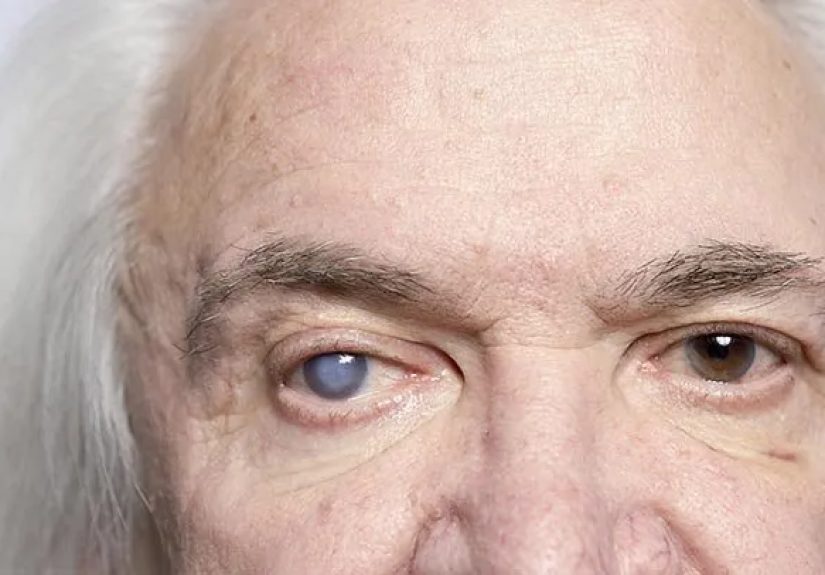
Inside each eye sits a clear, flexible lens that focuses light onto the retina. With age (and a few other risk factors), proteins in the lens can clump and scatter light, turning that clear lens cloudylike a frosted bathroom window you’re trying to see through. That haze creates vision symptoms that tend to creep up over months to years.
Common Cataract Symptoms (and What They Feel Like)
1) Blurry or Cloudy Vision
Think: looking through fog or a smeared windshield. Fine print looks muddier, faces across the room lose crisp edges, and contrast takes a hit. You might rub your lenses or check your screen brightness, only to realize it’s not your glasses or your phoneit’s your eyes.
2) Trouble with Night Vision
Dim environments become a chore. Restaurants are darker than you remember, and nighttime driving can feel tense because oncoming headlights seem aggressively bright while everything else fades into the background.
3) Glare and Halos
Bright lights may throw off flashy halos or starbursts, especially after dark. Streetlights and car headlights can look like they’re surrounded by glowing rings. You may find yourself avoiding night driving or squinting through an evening walk.
4) Faded or Yellowed Colors
Colors can look dull, as if someone snuck a yellow filter over your eyes. Whites aren’t quite white; blues and purples blend into muddier tones. People often notice after surgery just how blue the sky really is (surprisevery).
5) Double Vision in One Eye (Monocular Diplopia)
This isn’t the classic “two of everything” from a cartoon bar scene. With cataracts, you might see a ghosted or doubled image in one eye. Covering the other eye doesn’t clear it. That’s a clue the lens itself is distorting light.
6) Frequent Prescription Changes
When your lens clouds and hardens, it can alter how light focuses. You might feel like you “need new glasses again,” only to find the upgrade helps for a bituntil it doesn’t.
7) “Second Sight” (Temporary Better Up-Close Vision)
Some people suddenly read better without readers. It feels like a magic perkuntil other symptoms catch up. This happens because specific cataract changes can shift your focusing power toward nearsightedness.
8) Light Sensitivity and Eye Strain
Bright sun or even a ring light for video calls can feel harsh. You might find yourself reaching for sunglasses more often or bumping up ambient lighting at home just to read comfortably.
When Symptoms Suggest an Urgent Visit
Cataracts usually change slowly, so gradual blur is the norm. But if you suddenly see flashes of light, a shower of new floaters, a curtain over part of your vision, severe eye pain, or a dramatic drop in vision, that’s not a typical cataract patternget urgent eye care. For cataract-like symptoms that worsen quickly or interfere with driving, reading, or work, schedule a comprehensive eye exam soon.
Why Cataracts Cause These Symptoms (Plain-English Version)
Your eye’s lens is a tidy stack of transparent proteins. With age and other exposures, those proteins can misbehaveclumping, yellowing, and scattering light. Scattered light equals glare and halos. Yellowing filters out blues and purples. Clouding reduces contrast and sharpness, especially in low light. If clouding is uneven, it can refract light oddly and create double images in one eye.
How Cataracts Are Diagnosed
Diagnosis is painless and surprisingly quick. Your eye care professional will typically:
- Check visual acuity (that eye chart you know and love) to measure clarity at distance.
- Use a slit-lamp microscope to inspect the lens up close for clouding types (nuclear, cortical, posterior subcapsular).
- Dilate the pupils to examine the lens and retina thoroughly and to grade how the cataract affects the visual pathway.
- Consider other tests as needed to distinguish cataracts from lookalike problems like macular degeneration, corneal disease, or glaucoma.
Heads up: tonometry (eye pressure check) can be part of a comprehensive examnot to “diagnose cataracts,” but to screen for glaucoma while you’re there.
Who’s at Higher Risk?
Age is the heavyweight drivercataracts are extremely common by the 60s and 70s. Other contributors include diabetes, smoking, long-term ultraviolet (UV) exposure, certain steroid medications, and a history of eye injury or surgery. Family history and some medical conditions can also raise risk. Wearing UV-blocking sunglasses and a brimmed hat, not smoking, and keeping blood sugar controlled are simple, meaningful habits.
When to Treatand What to Expect
You don’t have to rush into surgery when a cataract is found. Early on, stronger lighting, updated glasses, anti-glare sunglasses, and high-contrast print can help. The moment to consider surgery is personal: when symptoms interfere with daily life (reading, night driving, work tasks, hobbies) or when your eye doctor sees that the cataract meaningfully limits your safe vision.
Cataract surgery basics: It’s typically an outpatient procedure that removes the cloudy lens and replaces it with a clear intraocular lens (IOL). Most people notice clearer, brighter vision within days, with continued fine-tuning as the eye heals. Complications are uncommon, but like any surgery, risks existyour surgeon will walk you through them. Months or years later, a “secondary cataract” (posterior capsule opacification) can cause foggy vision again; a quick in-office laser procedure can fix that.
About IOL choices: Standard monofocal lenses deliver excellent clarity at one focal distance (often distance). Some people choose premium options (multifocal, extended-depth-of-focus, or small-aperture designs) to reduce dependence on glasses; these require careful selection and expectation-setting. If you also have other eye diseases, your surgeon will tailor guidance around what matters most for your vision.
Cataracts vs. Other Eye Problems (Quick Comparisons)
- Dry eye: fluctuating blur that improves with blinking or artificial tears; not typically halos at night.
- Macular degeneration: central distortion or missing spots rather than universal fog or glare.
- Glaucoma: peripheral vision loss early on; not usually glare/halos as a primary symptom.
- Refractive error: blur that sharpens reliably with proper glasses/contacts (cataract blur often persists even with the “right” prescription).
Everyday Strategies to Function BetterFor Now
- Use brighter, evenly distributed lighting and high-contrast print for reading.
- Minimize nighttime driving; if you must drive, reduce glare by keeping windshields clean inside and out.
- Wear UV-blocking sunglasses outdoors and a brimmed hat to cut scattered light.
- Boost text size and bold fonts on phones and computers; use dark mode if it increases comfort.
- Manage health basics: don’t smoke, keep diabetes well-controlled, and protect your eyes at work and during sports.
Bottom Line
If your vision is getting blurrier, colors look stale, night driving feels unsafe, or you see halos and double images in one eye, you might be dealing with a cataract. An eye exam can confirm it. You can often cope for a while with better lighting and updated lensesbut when daily life gets limited, modern cataract surgery is a safe, effective fix for most people.
SEO Goodies
sapo: Cataracts can sneak up as glare, halos, faded colors, and even double vision in one eye. This in-depth guide breaks down real-world symptoms, who’s at risk, how doctors diagnose cataracts, when to consider surgery, and smart ways to function better right nowso you can get back to crisp, comfortable vision.
Real-World Experiences: What Living with Cataract Symptoms Looks Like
Night driving turns from “no big deal” to “nope.” One of the first lifestyle shifts many people report is giving up night drivingespecially on highways. It starts with a little discomfort around oncoming headlights. Then the rings and starbursts build until it feels like the entire windshield is a light show. People start planning errands earlier in the day, preferring rideshares for evening events, and sticking to well-lit, familiar routes. Those who live in rainy climates describe a double-whammy: water on the road and glass multiplies glare.
Color surprisesbefore and after. A subtle hallmark of cataracts is color washout. The world looks fine, just… muted. After surgery, many people laugh about how blue the sky is or how white their walls actually are. Artists and photographers often notice this most; a watercolorist might say their ultramarine and violet look lifeless pre-op and vivid after. Even clothing shopping changesmatching blacks and navies gets easier when the yellow veil lifts.
The “new glasses treadmill.” Another common story: “I just got a new prescription, and it already feels off.” Cataracts can change the refractive power of the eye in ways that help temporarily, then hinder. Someone who always needed readers may suddenly read fine without them for a while (that’s the “second sight” phase), only to find distance vision getting worse and near vision inconsistent. People sometimes keep backup glasses for specific tasksone pair for TV, another for laptop, a third for reading recipesuntil they decide it’s time for surgery.
Work and hobbies evolve. Programmers and editors raise on-screen font sizes; knitters switch to high-contrast yarns under full-spectrum lamps; cooks favor bold-printed recipes. E-book settings become best friends: larger fonts, increased spacing, and higher contrast themes reduce strain. Gamers adopt larger monitors or sit closer to preserve fine detail. Photographers rely more on autofocus feedback and histogram views when judging exposure, because the preview “looks” dimmer than it is.
Lighting becomes strategy, not background. People get particular about bulbs and placement“warm” vs. “cool,” overhead vs. task lamps, glare from glossy pages vs. matte paper. Many report that evenly diffused, bright light makes the biggest difference; a single harsh spotlight can make text shimmer or edges glow. In the car, an anti-reflective windshield treatment and meticulous cleaning inside the glass help tame those neon halos.
Social adjustmentssmall but real. Restaurants with mood lighting? Less charming when menus blur. Friends and family notice more squinting in photos or ask why you hold your phone at arm’s length. People often explain to loved ones that they need brighter light or a different seat to avoid glare. Sharing that you’re dealing with cataracts helps others understand why you might prefer brunch over dinner or ask for a window seat away from direct sun.
What tips people swear by (pre-surgery): keep microfiber cloths to de-smudge glasses and screens; use bold fonts and zoom features on every device; pick matte-finish books or e-readers; get prescription sunglasses with UV protection; and organize spaces with contrasting colors (dark cutting boards for light vegetables, light mugs for dark coffee). Small hacks reduce friction so you don’t feel your vision is running the show.
Decision time feels personal, not “now or never.” Most describe a moment when inconveniences stack: no more comfortable night driving, too many glare headaches, too many missed details at work or in hobbies. That’s usually when a conversation with an ophthalmologist clarifies options. Many people are surprised at how quick recovery feels and how vivid colors return. The specifics varyeye health, IOL choice, and individual goals matterbut a common theme is relief at getting back visual confidence.
Post-surgery expectations from real life: The first few days can include mild scratchiness, occasional light sensitivity, or a bit of distortion as the eye adjusts. Most notice steady improvement week by week. Some still use glasses for certain tasks depending on the lens chosen and personal visual goals. Months or years later, if vision gently fogs again, many describe a fast laser procedure that “snaps” clarity backreassuring proof that modern eye care has their back.
Bottom line from lived experiences: cataract symptoms are annoying but manageableand overwhelmingly fixable. If the world looks hazy and your evenings feel like a glare marathon, an eye exam can confirm what’s going on and map a path to crisp, comfortable vision again.