Table of Contents >> Show >> Hide
- What Is Castilian Spanish Garlic Soup?
- Why This Sopa de Ajo Recipe Works
- Key Ingredients for the Best Garlic Soup
- Castilian Spanish Garlic Soup (Sopa de Ajo) Recipe
- Tips for Success
- Easy Variations
- What to Serve with Castilian Garlic Soup
- How to Store and Reheat It
- Why This Rustic Spanish Soup Still Feels Modern
- Kitchen Experiences: What It Feels Like to Make and Eat Sopa de Ajo
- Final Thoughts
Some soups wear tuxedos. Sopa de ajo shows up in work boots, smells like toasted garlic, and still steals the whole evening. This classic Castilian Spanish garlic soup is one of those beautifully humble dishes that proves a hard truth: a loaf of stale bread is not a problem, it is a plot twist. With olive oil, garlic, paprika, broth, and eggs, you get a bowl that tastes cozy, smoky, savory, and just a little dramatic in the best possible way.
If you have never made Castilian Spanish garlic soup before, do not worry. This is not a fussy restaurant recipe that demands twelve specialty ingredients, a culinary degree, and emotional support tweezers. It is rustic, practical, and forgiving. It was designed by common sense and cold weather, which is often how the best recipes are born.
In this guide, you will learn what makes sopa de ajo special, which ingredients matter most, how to avoid bitter garlic, and how to make a version that tastes deeply traditional while still fitting a modern American kitchen. You will also get a full, web-ready recipe, plus extra kitchen notes and a longer section on the experience of cooking and eating this famous Spanish comfort food.
What Is Castilian Spanish Garlic Soup?
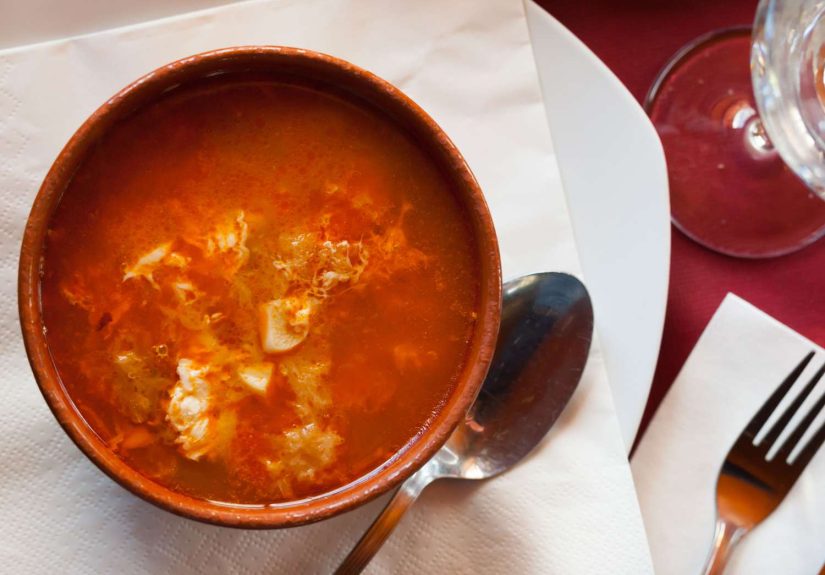
Castilian Spanish garlic soup, also called sopa de ajo or sometimes sopa castellana, is a traditional soup from the Castile region of Spain. At its core, it is a frugal bread soup made with garlic, olive oil, paprika, broth or water, and eggs. In many versions, day-old bread is the ingredient that gives the broth body and turns a modest pantry meal into something hearty enough for dinner.
That is the genius of the dish. It takes ingredients that can seem plain on paper and transforms them into something warm, bold, and strangely luxurious. Garlic perfumes the oil, paprika adds color and smoky depth, bread thickens the liquid, and the eggs bring richness. Some versions include serrano ham or another cured pork element for an extra savory edge. Others stay meatless and let the garlic do all the heavy lifting. Either way, the result is deeply comforting.
It is also a recipe with a strong sense of place. Castilian cuisine is known for practical, warming dishes, especially in colder months, and this soup fits that spirit perfectly. It is simple food with backbone. Not flashy. Not precious. Just honest, good soup.
Why This Sopa de Ajo Recipe Works
This version keeps the soul of the traditional dish while making a few thoughtful choices for flavor and ease. Instead of plain water, it uses a good chicken stock, which gives the soup a fuller, rounder taste. If you want a vegetarian version, vegetable broth works beautifully too. Day-old baguette or rustic country bread gives the soup body without turning it into glue. A touch of dry white wine adds brightness, while smoked paprika delivers the signature deep red color and campfire-like aroma that makes this soup feel unmistakably Spanish.
The eggs are added as ribbons instead of individually poached, because that method is easier for most home cooks and spreads richness through every spoonful. If you prefer, you can poach one egg per serving. The soup will still be delicious. Sopa de ajo is democratic like that. It is not here to judge your egg decisions.
Key Ingredients for the Best Garlic Soup
Garlic
This is not the moment for garlic shyness. Use a generous amount, and slice it rather than mincing it into oblivion. The goal is sweet, mellow, golden garlic flavor, not scorched little bitter coins of regret.
Olive Oil
Use extra-virgin olive oil with good flavor. Since the ingredient list is short, every piece matters. Fruity, peppery olive oil helps carry the garlic and paprika through the broth.
Day-Old Bread
Stale bread is not just acceptable here. It is traditional. A baguette or country loaf with a sturdy crust works best. Soft sandwich bread can collapse too quickly and make the texture flat. You want the bread to soften into the soup while still helping build structure.
Smoked Paprika
This ingredient gives the soup much of its color and personality. Sweet smoked paprika is ideal. Hot paprika can be used in a small amount if you like more kick, but the soup should taste warm and smoky, not aggressive.
Broth
Chicken broth is the most broadly crowd-pleasing option, but vegetable broth is excellent if you are skipping meat. Choose a broth you would actually enjoy sipping on its own.
Eggs
Eggs are what take the soup from rustic to glorious. Whisked eggs create silky ribbons throughout the broth. Poached eggs create dramatic golden centers that ooze into the soup. Pick your adventure.
Optional Serrano Ham or Prosciutto
A little diced cured ham adds salt, savoriness, and a more classic Castilian feel. If you cannot find serrano ham, a small amount of prosciutto works well. If you want to keep the recipe vegetarian, simply leave it out.
Castilian Spanish Garlic Soup (Sopa de Ajo) Recipe
Ingredients
- 1/4 cup extra-virgin olive oil
- 10 garlic cloves, thinly sliced
- 3 ounces serrano ham or prosciutto, diced small (optional)
- 4 ounces day-old baguette or rustic country bread, torn or sliced into small pieces
- 1 1/2 teaspoons sweet smoked paprika
- 1/4 cup dry white wine
- 5 cups chicken stock or vegetable broth
- 4 large eggs, lightly beaten
- Salt, to taste
- Freshly ground black pepper, to taste
- 1 tablespoon chopped parsley, for serving
- 1 to 2 teaspoons sherry vinegar, optional, for finishing
Instructions
- Toast the bread. Heat 2 tablespoons of the olive oil in a large heavy pot over medium heat. Add the bread and cook, stirring often, until lightly golden and crisp at the edges, about 4 to 6 minutes. Transfer to a plate.
- Cook the garlic gently. Add the remaining olive oil to the pot. Reduce the heat to medium-low and add the sliced garlic. Cook slowly, stirring often, until the garlic turns pale golden and fragrant, about 2 to 3 minutes. Do not let it brown too hard or the soup can turn bitter.
- Add the ham if using. Stir in the diced serrano ham or prosciutto and cook for about 1 minute, just until it starts to release flavor into the oil.
- Bloom the paprika. Turn the heat to low. Stir in the smoked paprika and cook for about 15 seconds, just long enough to wake it up. Paprika burns quickly, so keep it moving.
- Deglaze and build the broth. Add the white wine and let it bubble for about 30 seconds. Pour in the stock, then add the toasted bread. Bring everything to a gentle simmer.
- Simmer until the bread softens. Cook for 10 to 12 minutes, stirring occasionally. The bread should soften into the broth and thicken it slightly, but the soup should still feel brothy rather than pasty.
- Add the eggs. Lower the heat so the soup is barely simmering. Slowly pour in the beaten eggs while stirring gently in one direction. This creates delicate ribbons throughout the soup.
- Season and finish. Taste the soup and add salt if needed, plus black pepper. Stir in a small splash of sherry vinegar if you want a little brightness.
- Serve hot. Ladle into bowls and top with chopped parsley. Add a little extra olive oil over the top if you want to feel fancy without doing any additional work.
Tips for Success
Use old bread on purpose. Fresh bread can work, but slightly stale bread is better because it absorbs the broth without disintegrating too fast. This is one of the rare times when forgetting about your baguette for a day makes you look organized.
Do not rush the garlic. Fast, dark browning gives harsh flavor. Gentle cooking gives sweetness and aroma. Think mellow and golden, not tiny burnt frisbees.
Mind the paprika. Paprika adds essential flavor, but it can scorch almost instantly. Stir it in briefly over low heat, then get the liquid in the pot.
Choose the texture you want. For a more rustic soup, leave the bread in visible pieces. For a more unified broth, stir the soup more often as it simmers so the bread breaks down further.
Adjust the finish. Want more richness? Add a drizzle of olive oil at the end. Want more balance? Use a few drops of sherry vinegar. Want more smoke? Add a pinch more paprika. This soup is simple, but it listens well.
Easy Variations
Vegetarian Sopa de Ajo
Skip the ham and use a robust vegetable broth. Add a little extra olive oil for body. The soup still feels satisfying and deeply savory.
Poached Egg Version
Instead of whisking the eggs, crack one egg into the gently simmering soup for each serving and poach until the whites are set. This version looks dramatic and eats like breakfast and dinner got together and decided to improve your week.
Spicier Version
Add a pinch of hot paprika or red pepper flakes. Keep it modest. Garlic soup should warm you up, not challenge your insurance coverage.
Tomato-Tinged Version
Some cooks like a spoonful of tomato paste or a small grated tomato for extra depth. It is not the most classic Castilian direction, but it can be delicious if you want a slightly richer broth.
What to Serve with Castilian Garlic Soup
The beauty of this soup is that it can be both starter and main course. For a light meal, serve it with a simple green salad dressed with sherry vinegar and olive oil. For something more substantial, pair it with roasted vegetables, olives, manchego, or a plate of thinly sliced cured meats. If you are serving it at a dinner party, small bowls make an excellent first course before roast chicken or grilled fish.
It is also one of the best “I do not want to cook, but I do want to eat something that feels like a real meal” recipes on earth. Add fruit, cheese, and a glass of crisp white wine, and suddenly the evening feels very intentional.
How to Store and Reheat It
This soup is best the day it is made, but leftovers are still worth keeping. Store it in an airtight container in the refrigerator for up to 2 days. Reheat gently on the stove over low heat. The bread will continue to soften, so the texture will be thicker the next day. Add a splash of broth or water to loosen it as needed.
If you know you want leftovers, consider adding the eggs only to the portion you are serving immediately. That way, the base soup keeps a cleaner texture for reheating.
Why This Rustic Spanish Soup Still Feels Modern
Sopa de ajo has all the things modern home cooks love, even if the recipe itself is centuries old. It reduces food waste. It relies on pantry ingredients. It is affordable, flexible, and adaptable to what you have at home. It is also deeply flavorful without requiring a long ingredient list or complicated technique. In an era when some recipes read like a hostage negotiation with your spice drawer, that simplicity feels refreshing.
More importantly, it tastes like comfort with character. It is not bland “feel better” soup. It is robust, smoky, and garlicky, with a richness that feels bigger than the shopping list. That is why this Castilian Spanish garlic soup recipe keeps earning new fans. It is practical food that still feels special. That is a rare trick.
Kitchen Experiences: What It Feels Like to Make and Eat Sopa de Ajo
There is something almost theatrical about making sopa de ajo, even though the ingredient list looks so modest you might initially suspect the soup is overselling itself. It starts quietly enough. A splash of olive oil. A cutting board full of sliced garlic. Bread that has gone a little stiff on the counter. Then the garlic hits the warm oil, and suddenly the kitchen smells like it has been taking Mediterranean life advice behind your back. It is one of those aromas that changes the mood in the room almost immediately.
One of the most memorable parts of the experience is how quickly the soup begins to feel generous. Before the broth even goes in, the oil carries the scent of garlic and paprika in a way that makes the whole recipe seem bigger than it is. The bread follows, and what looked like leftovers now looks like intention. This is one reason so many people fall for the dish. It does not pretend to be luxurious in the usual way, but it delivers the emotional effect of luxury anyway. Warm bowl. Deep aroma. Toasty edges. Rich broth. Little effort. Maximum gratitude.
It is also a soup that teaches patience in a very specific way. If you rush the garlic, the flavor turns sharp and bitter. If you coax it gently, it becomes sweet, mellow, and fragrant. That tiny difference changes the entire bowl. So cooking sopa de ajo becomes less about technical difficulty and more about attention. You are not battling the recipe. You are listening to it. In a busy week, that can feel surprisingly calming.
Then there is the texture, which is half the fun. The bread softens into the broth and thickens it, but not in the creamy soup sense. It becomes rustic and spoon-coating, with little soft pieces that feel substantial without making the dish heavy. Add the eggs, and the soup changes once again. Whisked eggs create delicate ribbons that make every bite feel silkier. Poached eggs create a richer, more dramatic bowl where the yolk breaks and melts into the smoky broth. Either version feels like comfort food with excellent manners.
People also tend to remember when they eat this soup. It is a cold-night soup, a rainy-day soup, a “there is bread but not enough motivation for a complicated dinner” soup. It is what you make when you want the kitchen to smell alive again. It suits quiet evenings, small tables, thick socks, and that particular moment when you want dinner to feel nurturing without becoming bland. It can be casual enough for a Tuesday and soulful enough for guests who appreciate food with a story.
The best part may be the surprise. Many first-time eaters expect something harsh because garlic is in the title and clearly not hiding. But cooked gently, garlic becomes rounded and sweet, while paprika adds warmth and depth rather than brute force. So the experience of eating sopa de ajo is often a little revelation: this is not just garlic soup, it is bread soup, egg soup, pantry soup, memory soup. It tastes older than trends and smarter than its grocery bill.
That is why this dish sticks with people. It gives you the satisfaction of making something deeply traditional, yet it never feels locked in the past. It is still practical, still economical, still adaptable, and still wildly good. In the end, sopa de ajo feels like the kind of recipe every home cook should know, not because it is flashy, but because it understands something important: simple food can still be extraordinary when every ingredient knows its role.
Final Thoughts
Castilian Spanish garlic soup is proof that a great recipe does not need excess to be memorable. It needs confidence, balance, and a little kitchen wisdom. With garlic, olive oil, bread, paprika, broth, and eggs, you get a soup that feels hearty, soulful, and deeply satisfying. Whether you make it for a quiet dinner, a cozy lunch, or a cold evening when only serious comfort will do, this sopa de ajo recipe earns its place in your regular rotation.
And if anyone asks whether stale bread can become dinner, you can now answer with complete authority: yes, and a very good one too.