Table of Contents >> Show >> Hide
- What It Is (And Why “3 Bu” Matters)
- “Permanent Style” Isn’t a Fashion BlogIt’s a Build Choice
- Why the Elevated Design Is the Real Headliner
- Key Specs and Features That Make It Feel “Commercial (But Livable)”
- Where This Cart Actually Shines
- How to Choose the Right Configuration
- Care and Maintenance (So It Stays Nice-Looking, Not Sad-Looking)
- Buying Notes: “Made to Order” and What That Means for You
- FAQ: Quick Answers Before You Commit to a Rolling Hamper Lifestyle
- Conclusion: A Small Upgrade That Changes the Whole Routine
- Real-World Experiences (About of What It’s Like to Live With One)
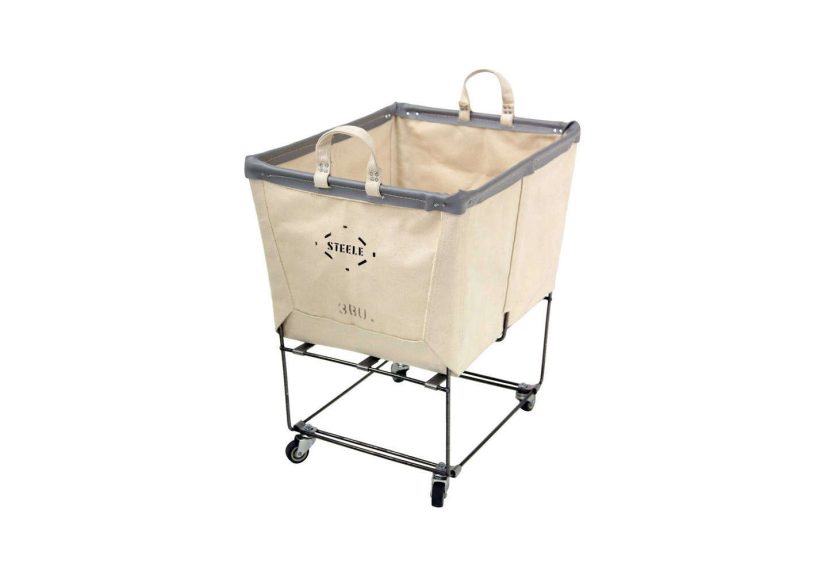
Laundry has a talent for multiplying when you’re not looking. One minute you’ve got “a few towels,” and the next you’re living in a sitcom where the hamper is the main character. Enter the Canvas Elevated Truck – Permanent Style 3 Bu: a commercial-style rolling laundry cart that’s basically saying, “RelaxI’ve got the heavy lifting (and the bending) handled.”
Despite the word truck, this isn’t something you register with the DMV. In laundry-world, a “truck” is a sturdy cart built to move textiles efficientlylinens, uniforms, towels, bedding, you name it. The “elevated” part is the magic: the basket rides higher off the floor so you’re not constantly folding yourself into a human pretzel.
What It Is (And Why “3 Bu” Matters)
The “3 Bu” stands for 3 bushelsa traditional U.S. unit of dry volume. If you’ve only heard “bushel” in old-timey phrases like “a bushel and a peck,” you’re not alone. In practical terms, the 3-bushel size is a sweet spot: big enough to hold a real load, compact enough to fit in a normal laundry room without looking like you’re running a hotel basement.
Bushels, translated into real life
- 3 Bu is a mid-size capacity that works for households, small businesses, and light commercial workflows.
- It’s ideal when you want fewer trips than a tiny hamperbut you don’t want a giant rolling bin dominating the room.
“Permanent Style” Isn’t a Fashion BlogIt’s a Build Choice
“Permanent style” refers to how the basket is constructed: the canvas body is integrated with the frame so it keeps its shape and stays ready for daily use. Think of it as the difference between a flimsy bag you fight with versus a structured bin that politely cooperates.
In practical terms, permanent-style construction helps the cart maintain a consistent opening and stable formso loading, unloading, and rolling feel predictable. No collapsing sides, no awkward “where did the rim go?” moments.
Why the Elevated Design Is the Real Headliner
The key benefit isn’t just that it rollsit’s where the basket sits. Elevation reduces repeated bending when you’re tossing in clothing, pulling out wet towels, or sorting piles that apparently reproduce overnight.
Ergonomics: less bend, less strain, more “I’m not sore tomorrow”
Ergonomics is basically the art of making tasks fit humans instead of forcing humans to adapt like poorly designed robots. In laundry workwhether at home, in hospitality, or in healthcareawkward postures and frequent lifting can contribute to discomfort and musculoskeletal strain. Elevated carts and good workflow habits (like not overloading and keeping loads manageable) are common recommendations for reducing risk.
- Higher load height means less forward bending during loading/unloading.
- Rolling transport can reduce carrying and help keep loads close and controlled.
- Right-sized capacity helps you avoid overstuffing (which is the laundry equivalent of trying to zip a suitcase while sitting on it).
Key Specs and Features That Make It Feel “Commercial (But Livable)”
The Canvas Elevated Truck – Permanent Style 3 Bu is widely sold as a premium hamper/cart for both home and commercial use. While exact options can vary by retailer (rim material, caster size, divider choices), the core form factor stays consistent: a durable canvas basket supported by a metal frame on casters, with handles for pushing or pulling.
Typical size (3 Bu)
- Inside dimensions: about 24" L × 18" W × 16" H
- Outside dimensions: about 25.5" L × 19.5" W × 27" H
Mobility and handling
- Casters for smooth rolling (often listed as non-marking, industrial-style casters).
- Handles designed for easy grip while pushing or pulling.
- Some versions offer 2" or 3" caster options, depending on configuration and seller.
Materials and construction vibe
- Canvas basket (breathable, classic look, built for repeated use).
- Metal frame (commonly described as welded steel in commercial listings).
- Rim options vary: vinyl/rubberized edges or leather trim options are commonly offered.
Where This Cart Actually Shines
This isn’t a “one-trick pony” hamper. The elevated canvas truck is essentially a rolling container that looks tidy, moves well, and doesn’t demand you stoop constantly. That makes it useful in more places than just laundry day.
1) Home laundry rooms (especially multi-person households)
If your household produces laundry like it’s a competitive sport, the 3-bushel size is a practical middle ground. It holds enough volume to reduce trips while still fitting through doorways and between machines.
2) Dry cleaners, tailoring shops, and garment workflows
Commercial descriptions often highlight short-distance loadsmoving garments, linens, or textiles from one station to another without wrestling loose piles in your arms. The elevated frame helps keep the “load zone” closer to hand height.
3) Hospitality and light commercial linen handling
In hospitality and facilities work, workflow is everything: load, move, unload, repeat. A rolling, elevated cart supports that rhythm. While large operations may use bigger linen trucks, a 3-bushel cart can be perfect for smaller back-of-house runs, sorting stations, or housekeeping staging.
4) The “not technically laundry” uses you’ll brag about later
- Kids’ toys (the cart rollsso clean-up becomes a sport with wheels).
- Craft rooms (fabric, yarn, batting, paper rollshello, mobile supply bin).
- Seasonal storage (blankets, throw pillows, costumesespecially if you want breathable canvas instead of sealed plastic).
How to Choose the Right Configuration
Many listings for this cart family offer variations: rim trims, caster sizes, and optional dividers. Picking the right one isn’t about “maxing out features”it’s about matching your space and habits.
Divider or no divider?
- No divider: best if you sort later or you’re mainly transporting clean or dry items.
- One divider: helpful if you do a simple split (lights/darks, adult/kids, towels/clothes).
Caster size: 2" vs 3" (quick rule of thumb)
- 2" casters: great for smooth floors and tighter turning.
- 3" casters: often nicer for thresholds, slightly rougher surfaces, or heavier rolling loads.
3 Bu vs other sizes in the same family
If you’re debating sizes, here’s an easy way to think about it:
- 2 Bu: compact, ideal for small spaces and single-person loads.
- 3 Bu: the “most people” sweet spotroomy but not massive.
- 4 Bu: more capacity for families or frequent linen loads.
- 6 Bu: big, more commercial-feeling; great when you’re moving bulky loads regularly.
Care and Maintenance (So It Stays Nice-Looking, Not Sad-Looking)
Canvas is durable, but it appreciates basic care. Most manufacturer guidance and retailer care notes emphasize spot cleaning rather than throwing the whole thing into a washer (nice try, though).
Practical care tips
- Spot clean with mild soap and water.
- For stubborn stains, some guidance suggests diluted bleach (test a small area first).
- Let it air dry thoroughly to prevent moisture issues.
- Check casters occasionally for lint buildup (casters love lint the way toddlers love stickers).
Buying Notes: “Made to Order” and What That Means for You
One reason these carts show up in premium home retailers is that they’re positioned as long-lasting, commercial-grade products. Many configurations are described as made to order, which can mean a short lead time before shipping. The upside: you’re not buying disposable plastic. The tradeoff: it may not arrive tomorrow with a drone.
Price and value reality check
You can absolutely buy a cheap hamper. You can also buy a cheap frying pan. Both may “work,” but you’ll notice the difference every time you use them. The value proposition here is:
- Ergonomics (less bending, easier loading).
- Durability (canvas + steel construction built for repeat use).
- Mobility (smooth rolling, handles, controlled transport).
- Looks (it can live in a bedroom corner without screaming “college dorm”).
FAQ: Quick Answers Before You Commit to a Rolling Hamper Lifestyle
Is it only for laundry?
Not at all. Laundry is the obvious use, but many people treat it as a rolling storage bin for textiles, toys, crafts, or staging items in a workspace.
Will it fit through a standard doorway?
With an overall width around 19.5", it generally fits through typical interior doorsthough tight corners and crowded laundry closets can still be a “measure twice, roll once” situation.
Does it feel stable when loaded?
A wide base and low center of gravity help stability, but any rolling cart can tip if overloaded unevenly or yanked around like you’re drifting through the hallway. Load evenly, roll calmly, live longer.
Conclusion: A Small Upgrade That Changes the Whole Routine
The Canvas Elevated Truck – Permanent Style 3 Bu is one of those rare household upgrades that’s both practical and oddly satisfying. It makes laundry less annoying because it attacks the two biggest problems: bending and multiple trips. Add the fact that it rolls smoothly, looks intentional, and is built like it expects to be used every day, and you’ve got a cart that earns its floor space.
If you want a premium rolling laundry hamper that’s sturdy, ergonomic, and legitimately multipurpose, the 3-bushel elevated truck is a strong “buy once, use forever” candidatewhether your “laundry operation” is a busy family or a small business with real textile flow.
Real-World Experiences (About of What It’s Like to Live With One)
Let’s talk about what owning an elevated canvas truck feels likenot in a poetic “laundry is a metaphor” way, but in the daily reality of socks, towels, and the mystery shirt that always appears right after you’ve finished folding. The most immediate difference people notice is the height. Instead of dropping clothes into a hamper near the floor, you’re loading at a friendlier levelmore like tossing items into a bin on a stand. Over a week, that adds up. It’s not dramatic in the moment, but you’ll catch yourself thinking, “Huh. My back isn’t complaining.” That’s the elevated design doing its quiet, unglamorous hero work.
The rolling part changes behavior too. With a stationary hamper, you tend to make pileson the bed, on the chair, on the floor (a classic interior design move known as “Laundry Chic”). With a rolling truck, you can move the collection point to where life happens. Sorting in the bedroom? Roll it in. Transferring loads between rooms? Roll it out. Even in a small laundry room, the cart helps you keep laundry contained rather than migrating into a new species of hallway clutter.
In a family setting, the 3-bushel size hits a practical rhythm. It can hold enough clothing that you’re not emptying it constantly, but it’s not so massive that it encourages “let’s wait three weeks and do laundry as a lifestyle event.” Many households end up using it as a rolling staging area: one day it’s dirty clothes; the next it’s clean towels waiting to be put away; then it’s linens heading back upstairs. Because it’s breathable canvas, it also tends to feel fresher than sealed plastic binsespecially if you’re tossing in gym clothes that have seen… effort.
In small business or garment workflows, the cart acts like a mobile buffer between steps. You can move a manageable load from one station to another without carrying armfuls, and because the basket is structured, loading and unloading feels more controlled. The handles matter more than you’d think: pushing a cart with a good grip feels stable, while pulling it around corners is easier when the cart tracks smoothly. And yescasters pick up lint. Consider it a sign you’re doing laundry at scale (or at least, you own towels).
Finally, there’s the “it looks nice enough to leave out” factor. In a bedroom corner, a canvas-and-frame truck reads more like intentional storage than a bargain-bin hamper. That’s not vanitythat’s workflow. When something looks acceptable in the open, you’re more likely to keep it in the right place, use it consistently, and maintain a routine that doesn’t end with a clothing mountain. In short: it’s not just a hamper. It’s a rolling system for keeping your life from turning into a textile crime scene.