Table of Contents >> Show >> Hide
- What Is the Brose-Fogale Hand Mirror?
- The Design Story Behind Brose-Fogale
- Why the Brose-Fogale Hand Mirror Still Feels Fresh
- How It Compares to Ordinary Hand Mirrors
- Where to Use the Brose-Fogale Hand Mirror
- Styling Ideas for Modern Interiors
- Care and Cleaning Tips
- Who Should Consider This Mirror?
- Why Small Design Objects Matter
- Experience Notes: Living With a Brose-Fogale Hand Mirror
- Conclusion
Some objects shout for attention. Others quietly sit on a dresser, make the room look smarter, and then politely help you check whether your hair has staged a small rebellion. The Brose-Fogale Hand Mirror belongs to the second group. It is simple, useful, handsome, and just unusual enough to make people ask, “Where did you get that?”which, in the world of home accessories, is basically a standing ovation.
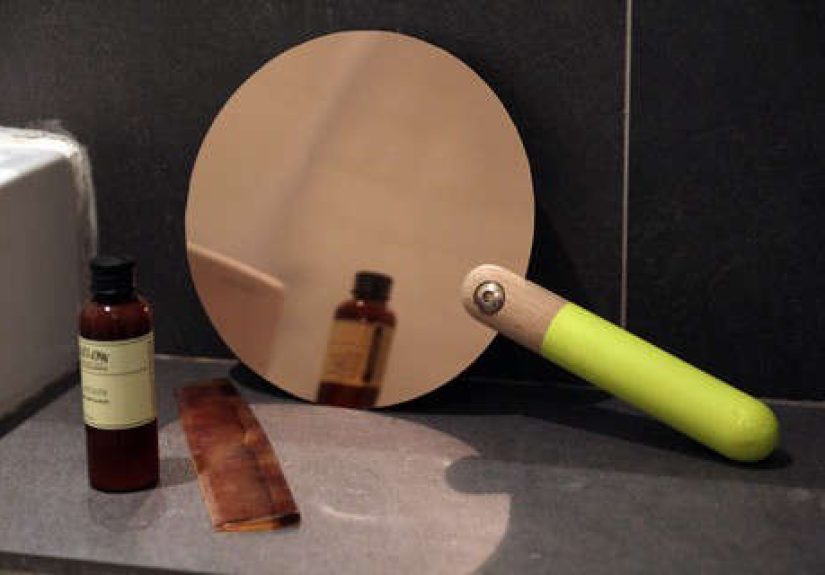
Designed by brose~fogale, the London-based collaboration between designers Matteo Fogale and Joscha Brose, this modern hand mirror reflects a design philosophy built around honest materials, everyday usefulness, and long-lasting character. It is not trying to be a futuristic gadget. It is not covered in rhinestones. It does not need Bluetooth, an app, or a tiny panic-inducing charging cable. Instead, it uses a solid oak handle and a polished metal mirror surface in chrome or copper finishes to turn a familiar object into something more architectural, more tactile, and far more memorable.
In a market packed with disposable bathroom accessories, the Brose-Fogale Hand Mirror feels refreshingly intentional. It is a practical grooming tool, yes, but also a sculptural tabletop object, a compact vanity companion, and a subtle reminder that good design does not have to be loud to be interesting. Sometimes it just needs good proportions, warm wood, a reflective surface, and the confidence to keep things beautifully simple.
What Is the Brose-Fogale Hand Mirror?
The Brose-Fogale Hand Mirror is a minimalist handheld mirror made from solid oak with a metal mirror available in chrome or copper finishes. The original product listing described it as measuring approximately 34 cm by 19 cm, with a 3 cm handle diameter and a 19 cm mirror diameter. It was offered in finish combinations including natural oak with copper, natural oak with chrome, and a more playful fluoro yellow with copper.
That sounds straightforward, but the details matter. A 19 cm mirror face is large enough to be useful for grooming, makeup touch-ups, shaving checks, hair styling, and the occasional suspicious inspection of “Is that glitter or toothpaste?” At the same time, the long oak handle gives the object a strong visual identity. Unlike a standard compact mirror or a plastic drugstore hand mirror, this piece has presence. It looks good even when it is not being used.
The design is associated with the broader Camerino Collection, a family of objects that includes pieces such as valet stands, vanity trays, hooks, and accessories. The word “Camerino” means dressing room in Italian, and that reference makes sense. These are objects for the rituals of getting dressed, organizing personal belongings, and preparing to step into the day with at least moderate confidence.
The Design Story Behind Brose-Fogale
To understand the mirror, it helps to understand the studio behind it. Brose~Fogale was founded by Matteo Fogale and Joscha Brose, two designers with international backgrounds and experience in furniture, product design, interiors, and installations. Their work has been described through ideas such as premium materials, functionality, longevity, and the reinterpretation of everyday objects.
Matteo Fogale was born in Montevideo, Uruguay, later studied in Italy, and worked with respected design studios before building his own practice in London. Joscha Brose, born in Berlin, studied product design and worked with well-known figures and studios in the British design scene. Together, they brought a mixed design language to brose~fogale: part European craftsmanship, part London creative energy, part practical problem-solving, and part “Why does this ordinary object have to be boring?”
The Camerino project also carried an entrepreneurial spirit. Brose~Fogale explored direct production and distribution, including crowdfunding for early products. That matters because it reflects a design approach focused not only on the object itself but also on how people access it. Instead of treating design as something locked behind showroom velvet ropes, the studio leaned toward useful, well-made objects at more approachable prices.
Why the Brose-Fogale Hand Mirror Still Feels Fresh
Minimalist design can age beautifully when it is done with warmth. The danger of minimalism is that it sometimes becomes cold, flat, or emotionally about as exciting as an empty spreadsheet. The Brose-Fogale Hand Mirror avoids that trap by pairing a clean silhouette with solid oak. The wood adds grain, color variation, texture, and natural warmth. The metal mirror adds shine and precision. Together, they create contrast without drama.
Solid Oak Gives It Weight and Warmth
Oak has long been valued in furniture and home accessories because it is durable, attractive, and visually versatile. In the Brose-Fogale Hand Mirror, the oak handle does more than provide grip. It gives the object a sense of permanence. You can imagine it on a Scandinavian-style dresser, a modern bathroom vanity, a vintage writing desk, or a neatly arranged shelf beside perfume bottles and a ceramic tray.
The handle’s rounded form also softens the overall geometry. It is simple, but not stiff. It feels closer to a crafted tool than a decorative prop. That is important because the best home accessories usually earn their place twice: once by working well, and again by looking good while doing it.
Copper and Chrome Create Two Different Moods
The metal finish changes the personality of the mirror. A chrome hand mirror feels crisp, reflective, and modern. It works well in bathrooms with polished fixtures, cool stone, white tile, black accents, or contemporary lighting. Chrome gives the design a clean edge, like it has somewhere important to be and has already ironed its shirt.
A copper hand mirror, on the other hand, feels warmer and more expressive. Copper pairs beautifully with oak because both materials bring a natural richness. It suits interiors with terracotta, cream, walnut, brass, linen, marble, or earthy color palettes. It also develops a more romantic visual language: less “laboratory clean,” more “boutique hotel where even the soap looks expensive.”
The fluoro yellow and copper option adds a playful twist. It is the choice for someone who likes minimalism but still wants a wink. In a neutral room, that flash of color can behave like a small design exclamation point.
How It Compares to Ordinary Hand Mirrors
Most hand mirrors are designed to disappear into drawers. They are practical, cheap, and often made from plastic. There is nothing wrong with thateveryone needs a humble mirror that can survive a suitcase, a gym bag, or an accidental encounter with the bathroom floor. But the Brose-Fogale Hand Mirror belongs to a different category. It is a designer hand mirror that treats the act of looking as part of a daily ritual.
Compared with a typical plastic mirror, it offers a more elevated material palette. Compared with ornate vintage hand mirrors, it feels cleaner and more architectural. Compared with compact mirrors, it is easier to use for hair, grooming, and face-level detail. Compared with wall mirrors, it gives flexibility: you can move toward natural light, check angles, and avoid doing the bathroom-vanity lean that makes everyone look like they are negotiating with gravity.
It is also a giftable object. A modern hand mirror is personal without being too intimate, beautiful without being useless, and practical without screaming, “I panicked and bought this at the checkout counter.” For design lovers, it lands in that sweet spot between everyday tool and collectible accessory.
Where to Use the Brose-Fogale Hand Mirror
The most obvious place for the Brose-Fogale Hand Mirror is a bathroom vanity, but it is not limited to the bathroom. In fact, one of its strengths is that it looks intentional in several rooms.
On a Bathroom Vanity
Place it beside a small tray, a candle, a ceramic cup, or a bottle of hand soap with packaging so attractive it makes your old soap feel underdressed. The oak handle brings warmth to hard bathroom surfaces, especially if the room has tile, stone, glass, or metal fixtures. If your bathroom is mostly white, the copper version can add instant softness. If your bathroom has black hardware or chrome fittings, the chrome version fits naturally.
On a Dressing Table
A dressing table is where this mirror really makes sense. The Camerino idea connects directly to dressing, preparation, and personal ritual. Lay the mirror on a linen runner, lean it against a small box, or pair it with a vanity tray. It can sit near jewelry, fragrance, skincare, hair tools, or a favorite comb. Suddenly, your morning routine feels slightly more composedeven if you are still drinking coffee like a raccoon found it first.
In a Guest Room
A hand mirror in a guest room is a thoughtful detail. Visitors can use it for touch-ups without occupying the bathroom, and it makes the room feel more considered. Put it on a bedside table or dresser with a small bowl for keys and jewelry. It says, “I prepared this space for you,” which is much nicer than saying, “The Wi-Fi password is under the router and good luck.”
As a Decorative Object
The Brose-Fogale Hand Mirror can also function as a decorative accessory. Its circular mirror and linear handle create a pleasing composition, especially when styled with books, trays, textiles, or sculptural objects. The reflective surface catches light, while the oak keeps the piece grounded. It is small, but it can quietly sharpen a vignette.
Styling Ideas for Modern Interiors
If you are styling the Brose-Fogale Hand Mirror, the goal is not to bury it under clutter. Give it room to breathe. This is an object that benefits from negative space. A crowded vanity can make even beautiful accessories look like they are participating in a storage emergency.
For a minimalist bathroom, pair the chrome finish with white towels, a stone soap dish, and one plant. Keep the palette restrained. Let the oak handle prevent the room from feeling too sterile. For a warmer organic look, choose the copper finish and place it near natural materials such as rattan, linen, clay, walnut, or travertine. Copper and oak together create an inviting tone without needing much else.
In a colorful interior, the fluoro yellow version can be surprisingly useful. It works with cobalt blue, forest green, blush pink, or charcoal because the shape remains minimal even when the color is bold. Think of it as a small accessory with a sense of humor. Not a clown nose. More like excellent socks under a tailored suit.
Care and Cleaning Tips
Because the Brose-Fogale Hand Mirror combines wood and metal, it deserves gentle care. Avoid soaking it or leaving it in standing water. Bathrooms are humid places, and while oak is durable, no wooden accessory enjoys being treated like a pool float.
For the mirror surface, use a soft microfiber cloth. A light mist of glass cleaner on the clothnot directly sprayed into the mirror edge or onto the woodis usually safer than drenching the object. Wipe gently and dry immediately. Avoid abrasive pads, harsh chemicals, and enthusiastic scrubbing. Enthusiasm is good for dancing, less good for polished finishes.
For the oak handle, dust regularly and wipe with a barely damp cloth when needed. Dry it right away. Depending on the finish, a suitable wood-care oil or wax may help maintain the natural look over time, but always test carefully and avoid applying products to the metal mirror surface. If the mirror has a copper finish, remember that copper can visually change with handling and air exposure. Some people love that evolving patina; others prefer to polish it. Either way, gentle cleaning is the rule.
Who Should Consider This Mirror?
The Brose-Fogale Hand Mirror is ideal for people who appreciate objects that combine function and form. It suits design collectors, homeowners improving a bathroom or vanity area, stylists, boutique hotel designers, and anyone who prefers fewer but better accessories. It is especially appealing if you like modern European design, natural materials, and objects that feel crafted rather than mass-produced.
It may not be the best choice if you want a lighted magnifying mirror, a travel compact, or a budget plastic mirror for a gym bag. This is not a throwaway item. It is more like a small piece of design furniture for your hand. That sounds dramatic, but honestly, some mirrors have earned the compliment.
Why Small Design Objects Matter
Large furniture pieces often get the attention: sofas, dining tables, beds, statement lighting. But small objects shape daily experience in quieter ways. A hand mirror is something you pick up, hold, move, and use closely. Its material, balance, and appearance become part of your routine. When those details are thoughtfully designed, the ordinary moment becomes just a little better.
That is the value of the Brose-Fogale Hand Mirror. It does not solve a dramatic problem. It simply improves a familiar action. It brings warmth to a bathroom, elegance to a vanity, and intention to a daily ritual. It reminds us that design is not only about what impresses guests. Sometimes it is about what feels good in your hand on a Tuesday morning when your hair has chosen chaos.
Experience Notes: Living With a Brose-Fogale Hand Mirror
Using a mirror like the Brose-Fogale Hand Mirror changes the pace of a routine in a surprisingly pleasant way. A standard mirror is something you grab and forget. This one asks you, very politely, to slow down. The oak handle feels substantial, so the act of picking it up has a small sense of ceremony. Not a royal ceremony, of courseno trumpets requiredbut enough to make a daily grooming task feel more intentional.
On a bathroom counter, it works best when it has a dedicated place. I like the idea of placing it on a small tray with only a few essentials: lip balm, a comb, a favorite fragrance, maybe a ring dish. The mirror instantly makes the arrangement feel styled rather than scattered. Without it, those objects may look like they simply got tired and lay down. With the mirror, they become a composition.
The copper finish is especially charming in morning light. It catches warmth from the room and reflects it back in a softer way than bright chrome. If your bathroom or bedroom has beige walls, oak furniture, linen curtains, or warm bulbs, the copper version blends beautifully. It feels personal, almost nostalgic, but still clean and modern. It is the kind of accessory that can make an inexpensive vanity look more considered.
The chrome version is better for a sharper environment. In a bathroom with polished fixtures, glass shelves, white tile, or black-and-white contrast, chrome looks precise and fresh. It also feels more gender-neutral and slightly more utilitarian, which may appeal to people who want a modern object without decorative warmth. Chrome says, “I am efficient.” Copper says, “I am efficient, but I also know a very good candle shop.”
In daily use, the size is practical. A 19 cm circular mirror gives enough viewing area for checking makeup, shaving lines, hair, collars, earrings, or skincare application. The longer handle means you can angle it toward natural window light, which is often more forgiving and more accurate than overhead bathroom lighting. Anyone who has ever applied makeup under harsh lighting and then walked outside to discover an entirely different face will understand the value of mobility.
One underrated experience is how good the mirror looks when left out. Many grooming tools need to be hidden because they make a room look messy. This mirror does the opposite. It can stay visible. It belongs on the surface. That changes how you organize a vanity because you are not constantly trying to conceal everything. Instead, you can build a small, useful setup around it.
For gifting, the experience is also strong. It feels thoughtful without being overly specific. You do not need to know someone’s clothing size, skin tone, scent preference, or complicated coffee order. A well-designed hand mirror fits many lifestyles: new apartments, guest rooms, dressing tables, bathrooms, creative studios, and boutique hospitality spaces. It is practical enough to justify itself and beautiful enough to feel special.
The only real caution is care. Because it combines oak and metal, it should not be tossed into a wet sink area or cleaned aggressively. Treat it like a small crafted object. Dry hands are better than wet hands. A microfiber cloth is better than a paper towel. A calm wipe is better than a cleaning rampage. Do that, and the mirror can remain attractive for years.
Ultimately, the Brose-Fogale Hand Mirror offers a quiet kind of pleasure. It does not transform your life. It will not answer emails, fold laundry, or prevent you from buying another scented candle. But it can make a daily ritual feel more graceful. And in a home, those tiny improvements add up. Good design often lives in the details we touch every day.
Conclusion
The Brose-Fogale Hand Mirror is proof that even the simplest household object can become memorable when design, material, and usefulness meet in the right proportions. With its solid oak handle, polished copper or chrome finish, and minimalist shape, it turns a basic grooming tool into a refined modern accessory. It suits bathrooms, dressing tables, guest rooms, and carefully styled shelves, offering both function and quiet beauty.
Its appeal lies in restraint. The mirror does not depend on decoration for impact. Instead, it relies on balance: warm wood against reflective metal, everyday practicality against sculptural presence, and simplicity against personality. For anyone who loves modern home accessories, oak design objects, copper accents, or thoughtful bathroom styling, the Brose-Fogale Hand Mirror remains a small but distinctive piece worth noticing.
Note: This article was written in original language for web publishing and is based on publicly available product details, designer background, and broader interior design context.