Table of Contents >> Show >> Hide
- How Nutritionists Choose High Protein Costco Foods
- 20 High Protein Costco Foods to Add to Your Cart
- 1. Costco Rotisserie Chicken
- 2. Kirkland Signature Wild Alaskan Sockeye Salmon
- 3. Kirkland Signature Organic Greek Nonfat Yogurt
- 4. Kirkland Signature Organic Hard-Boiled Eggs
- 5. Wild Planet Wild Albacore Tuna
- 6. Kirkland Signature Canned Chicken Breast
- 7. Kirkland Signature Protein Bars
- 8. Fairlife Protein Shakes
- 9. Okami Organic Edamame
- 10. Nosoya Organic Extra Firm Tofu
- 11. Tasty Bite Organic Madras Lentils
- 12. Kirkland Signature Organic Quinoa
- 13. Goya Black Beans
- 14. S&W Organic Garbanzo Beans
- 15. Season Skinless & Boneless Sardines in Olive Oil
- 16. Kirkland Signature Lightly Breaded Chicken Breast Chunks
- 17. Kirkland Signature Uncured Bacon and Gouda Egg Bites
- 18. Whisps Parmesan and Cheddar Cheese Crisps
- 19. Go Raw Sprouted Organic Pumpkin Seeds
- 20. Kirkland Signature Organic Almond Butter
- Best Costco High Protein Foods by Goal
- How to Build a High Protein Costco Cart Without Overdoing It
- Real-Life Experience: What It Is Like Shopping Costco for High Protein Foods
- Conclusion
Note: Nutrition facts, package sizes, and product availability can vary by Costco location. Always check the product label in your warehouse before buying, especially if you are watching sodium, added sugar, saturated fat, allergens, or total calories.
Costco is a magical place where you can walk in for eggs and leave with Greek yogurt, salmon, protein bars, windshield wipers, a 12-pack of socks, and a rotisserie chicken that somehow feels like a financial strategy. But beyond the jokes and oversized carts, Costco is also one of the easiest places to build a practical, high-protein grocery list without turning your weekly budget into a dramatic reality show.
Protein matters because it supports muscle repair, helps meals feel more satisfying, and can make snack choices less chaotic. Nutritionists often recommend spreading protein across the day instead of saving it all for dinner. That does not mean every meal needs to look like a bodybuilder’s lunchbox. It simply means choosing foods that bring a meaningful amount of protein along with useful nutrients like fiber, calcium, omega-3 fats, iron, or probiotics.
The best high protein Costco foods are not all powders and bars. Some are classic whole foods like eggs, chicken, beans, yogurt, tuna, tofu, salmon, lentils, nuts, and seeds. Others are convenient shortcuts for busy mornings, office lunches, post-workout snacks, and “I forgot to meal prep again” dinners. Below are 20 nutritionist-friendly Costco foods that can help you hit your protein goals with less stress and a lot more flavor.
How Nutritionists Choose High Protein Costco Foods
A smart high-protein grocery pick should do more than brag about protein grams on the front of the package. Nutritionists usually look at the full picture: protein per serving, ingredient quality, sodium, added sugar, saturated fat, fiber, convenience, cost per serving, and how easy the food is to use in real meals.
For example, a salmon fillet gives you protein plus omega-3 fatty acids. Greek yogurt gives you protein plus calcium and probiotics. Black beans and lentils give you protein plus fiber, which helps make meals feel more filling. Protein bars and shakes can be useful, but they work best as backup options rather than the entire personality of your pantry.
20 High Protein Costco Foods to Add to Your Cart
1. Costco Rotisserie Chicken
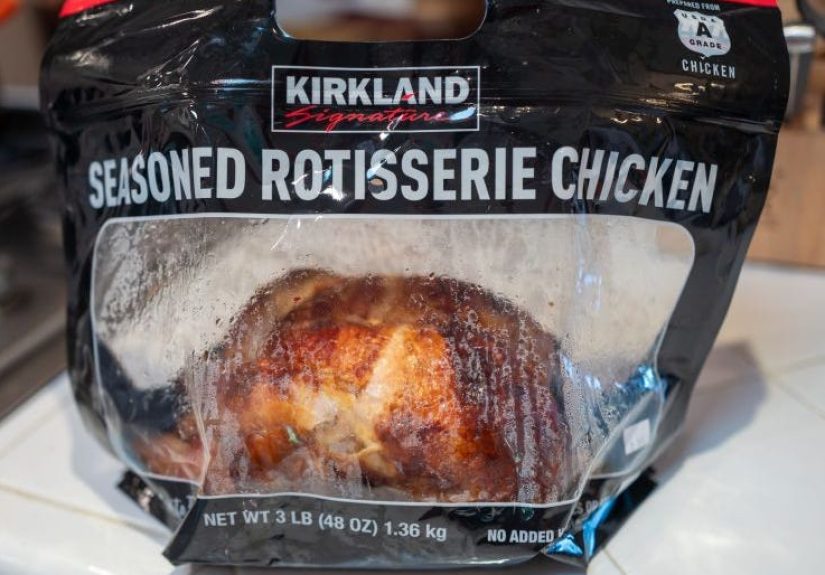
The famous Costco rotisserie chicken deserves its reputation. It is ready to eat, budget-friendly, and useful in almost anything: salads, tacos, soups, grain bowls, wraps, casseroles, or quick chicken salad. A typical 3-ounce serving of chicken provides around 19 to 20 grams of protein, making it one of the easiest high-protein Costco foods for weeknight meals.
Nutritionist tip: remove the skin if you want to reduce saturated fat and sodium. Pair the chicken with vegetables and a fiber-rich carbohydrate, such as brown rice, quinoa, beans, or whole-grain bread, for a more balanced meal.
2. Kirkland Signature Wild Alaskan Sockeye Salmon
Frozen salmon fillets are a freezer hero. Kirkland Signature Wild Alaskan Sockeye Salmon is high in protein and naturally rich in omega-3 fats. Depending on the package and portion size, a serving can provide more than 30 grams of protein. That makes salmon a strong choice for anyone who wants a nutrient-dense dinner without a complicated recipe.
Try baking it with lemon, garlic, olive oil, and black pepper, then serving it with roasted vegetables and potatoes. It also works beautifully in rice bowls with cucumber, avocado, and a yogurt-based sauce.
3. Kirkland Signature Organic Greek Nonfat Yogurt
Greek yogurt is a Costco protein superstar because it is affordable, versatile, and easy to use all day long. A serving of Kirkland Signature Organic Greek Nonfat Yogurt provides about 18 grams of protein. It also brings calcium and live active cultures, which makes it a useful base for breakfasts, smoothies, dips, and sauces.
Use it with berries and walnuts for breakfast, mix it with ranch-style seasonings for a veggie dip, or swap it for mayo in tuna salad. It is one of those foods that quietly does five jobs in the fridge.
4. Kirkland Signature Organic Hard-Boiled Eggs
Hard-boiled eggs are a simple protein snack with almost no effort required. Two eggs provide about 12 grams of protein, along with choline, vitamin B12, vitamin D, and healthy fats. Costco’s ready-to-eat hard-boiled eggs are especially helpful for people who like eggs but do not enjoy peeling them while silently questioning their life choices.
Pack them with fruit, whole-grain crackers, or sliced vegetables for a balanced snack. They also turn a plain salad into a more satisfying lunch.
5. Wild Planet Wild Albacore Tuna
Canned tuna is shelf-stable, portable, and extremely protein-dense. A can of albacore tuna can provide more than 30 grams of protein, depending on the size. It is a practical Costco buy because it can sit in your pantry until the day you need lunch in five minutes.
Mix tuna with Greek yogurt, mustard, chopped celery, lemon juice, and pepper. Serve it in lettuce cups, on whole-grain toast, over rice, or with crackers. For variety, rotate tuna with salmon, sardines, chicken, beans, and tofu throughout the week.
6. Kirkland Signature Canned Chicken Breast
Kirkland Signature canned chicken breast is packed in water and designed for quick meals like chicken salad, quesadillas, soups, casseroles, and wraps. It is a convenient high-protein pantry item, especially when fresh chicken is not available or you do not feel like cooking.
Because canned foods can be higher in sodium, check the label and consider draining or rinsing when appropriate. Add vegetables and herbs to brighten the flavor instead of relying only on salty sauces.
7. Kirkland Signature Protein Bars
Costco usually carries several protein bar options, including Kirkland Signature varieties. Some Kirkland protein bars provide around 21 to 22 grams of protein per bar, while chewy versions may provide about 10 grams. Bars are not a replacement for every meal, but they are useful for travel days, gym bags, long commutes, and emergency snack situations.
Nutritionist tip: compare protein, fiber, added sugar, and sugar alcohols. The best protein bar is the one that helps you feel satisfied without upsetting your stomach or tasting like sweetened cardboard with ambition.
8. Fairlife Protein Shakes
Fairlife protein shakes are popular at Costco because they are shelf-stable, convenient, and typically provide around 30 grams of protein per bottle. They can be helpful after workouts, during busy mornings, or as a quick snack when you need something more filling than coffee and hope.
Use shakes as a tool, not a crutch. For a more balanced breakfast, pair one with fruit, nuts, or whole-grain toast. You can also pour a little into iced coffee for a higher-protein drink.
9. Okami Organic Edamame
Edamame is one of the best plant-based high protein Costco foods. A serving can provide around 11 grams of protein, plus fiber, iron, and potassium. It is also easy to prepare: heat, sprinkle lightly with salt or chili flakes, and snack away.
Edamame works as a side dish, salad topping, stir-fry ingredient, or afternoon snack. Because it contains both protein and fiber, it tends to be more satisfying than many crunchy packaged snacks.
10. Nosoya Organic Extra Firm Tofu
Tofu is affordable, versatile, and underrated. A 3-ounce serving of extra-firm tofu usually provides around 7 to 9 grams of protein. It absorbs flavor well, making it ideal for stir-fries, curries, grain bowls, soups, and breakfast scrambles.
For better texture, press the tofu, cube it, season it, and bake or air-fry until crisp around the edges. Add it to vegetables and rice for a balanced plant-based meal.
11. Tasty Bite Organic Madras Lentils
Tasty Bite Organic Madras Lentils are a convenient plant-based option with about 11 grams of protein per pouch serving, plus fiber. They are ready quickly and work well over rice, quinoa, cauliflower rice, baked potatoes, or alongside grilled chicken.
They are especially useful for office lunches or nights when cooking feels like a personal attack. Add spinach, Greek yogurt, or extra vegetables to make the meal more filling and colorful.
12. Kirkland Signature Organic Quinoa
Quinoa is higher in protein than many grains and contains all nine essential amino acids. A cooked cup provides about 8 grams of protein, while a dry quarter-cup serving often provides around 6 grams. It also contributes fiber, magnesium, iron, and a pleasantly nutty flavor.
Use quinoa as the base for salmon bowls, chicken bowls, bean salads, or breakfast porridge. Batch-cook it once and use it for several meals during the week.
13. Goya Black Beans
Black beans are a budget-friendly high-protein Costco pantry staple. A half-cup serving provides about 7 to 8 grams of protein and a strong dose of fiber. That protein-fiber combination is exactly why beans are so helpful for satisfying meals.
Add black beans to tacos, burrito bowls, soups, salads, omelets, or chili. They are also excellent with rice because the combination creates a hearty, inexpensive meal with plant-based protein.
14. S&W Organic Garbanzo Beans
Garbanzo beans, also called chickpeas, bring protein, fiber, and versatility. A half-cup serving provides around 6 grams of protein and 6 grams of fiber. They can be tossed into salads, blended into hummus, roasted until crispy, or added to soups and stews.
For a quick snack, rinse chickpeas, dry them well, season with smoked paprika and garlic powder, then roast until crunchy. It is snack food with a résumé.
15. Season Skinless & Boneless Sardines in Olive Oil
Sardines are small but mighty. A can can provide more than 20 grams of protein, along with omega-3 fats, vitamin D, calcium, and other minerals. They are also shelf-stable, which makes them a smart pantry protein.
If sardines intimidate you, start simple: mash them with lemon juice, black pepper, and a little Greek yogurt, then spread on whole-grain toast. Add pickled onions or cucumber for crunch.
16. Kirkland Signature Lightly Breaded Chicken Breast Chunks
These frozen chicken breast chunks are popular because they are easy, fast, and family-friendly. A serving can provide around 16 grams of protein. They are not the same as plain grilled chicken, but they can still fit into a balanced meal when paired with vegetables and a sensible sauce.
Air-fry them and serve over salad, in wraps, or with roasted broccoli and rice. The trick is to make the plate look like dinner, not just a mountain of nuggets. A delicious mountain, yes, but still a mountain.
17. Kirkland Signature Uncured Bacon and Gouda Egg Bites
Egg bites are a convenient high-protein breakfast or snack. Costco’s Kirkland Signature egg bites often provide around 17 grams of protein per two-piece serving. They heat quickly and feel more satisfying than a plain pastry or sugary breakfast bar.
Pair them with fruit, avocado toast, or a side salad for a fuller meal. If you want a lighter option, compare varieties and choose the one that best matches your calorie, sodium, and saturated fat goals.
18. Whisps Parmesan and Cheddar Cheese Crisps
Whisps are crunchy cheese crisps that can provide around 6 to 9 grams of protein per serving, depending on the flavor. They are a fun option when you want something salty and crisp but still want a bit of protein.
Use them as a snack, salad topper, or soup crunch. Because they are cheese-based, keep an eye on sodium and saturated fat, especially if you are pairing them with other salty foods.
19. Go Raw Sprouted Organic Pumpkin Seeds
Pumpkin seeds, also known as pepitas, offer about 8 grams of protein per serving, plus healthy fats, magnesium, zinc, and iron. They are easy to sprinkle onto yogurt, oatmeal, salads, soups, or roasted vegetables.
They are especially helpful for people who want plant-based protein without much preparation. Keep a bag in the pantry and use it when a meal needs crunch, flavor, and a little nutrition upgrade.
20. Kirkland Signature Organic Almond Butter
Almond butter is not as protein-dense as chicken or tuna, but it still earns a spot because it combines plant protein with healthy fats, vitamin E, magnesium, and satisfying flavor. A tablespoon provides about 4 grams of protein.
Spread it on whole-grain toast, stir it into oatmeal, blend it into smoothies, or pair it with apple slices. Just measure your serving if calories matter to you, because nut butter has a way of turning one spoonful into a small excavation project.
Best Costco High Protein Foods by Goal
For Quick Breakfasts
Choose Greek yogurt, hard-boiled eggs, egg bites, protein shakes, or almond butter on whole-grain toast. These options are easy to prepare and help prevent the classic mid-morning snack emergency.
For Meal Prep
Rotisserie chicken, canned chicken, salmon fillets, quinoa, black beans, chickpeas, tofu, and lentils are excellent meal-prep anchors. Cook once, then mix and match throughout the week so lunch does not feel like a punishment.
For Snacks
Protein bars, Whisps, pumpkin seeds, edamame, hard-boiled eggs, and Greek yogurt are easy high-protein snacks. For better staying power, pair protein with fiber: yogurt with berries, eggs with fruit, or edamame with vegetables.
For Plant-Based Protein
Edamame, tofu, lentils, quinoa, black beans, chickpeas, pumpkin seeds, and almond butter are strong choices. Plant-based meals can be high in protein when you combine several sources across the day.
How to Build a High Protein Costco Cart Without Overdoing It
A high-protein Costco cart should still look balanced. Protein is important, but so are fruits, vegetables, whole grains, healthy fats, and enough variety to keep meals enjoyable. Buying five pounds of one protein might be efficient, but if you are tired of it by Tuesday, it is not really a plan.
Start with two fresh or refrigerated proteins, two freezer proteins, two pantry proteins, and one or two snack proteins. For example, you might buy rotisserie chicken, Greek yogurt, frozen salmon, frozen edamame, canned tuna, black beans, protein bars, and pumpkin seeds. That gives you breakfasts, lunches, dinners, and snacks without making your kitchen feel like a warehouse annex.
Also check sodium. Many convenient high-protein foods, including rotisserie chicken, canned foods, cheese crisps, jerky, and frozen prepared items, may be higher in sodium. That does not automatically make them “bad,” but it does mean the rest of your day should include lower-sodium foods like fresh fruit, vegetables, plain grains, and unsalted nuts or seeds.
Real-Life Experience: What It Is Like Shopping Costco for High Protein Foods
Shopping for high protein foods at Costco is both practical and mildly dangerous in the way only Costco can be. You enter with a list. The list says Greek yogurt, eggs, salmon, and beans. Then suddenly you are considering a patio umbrella, a 40-ounce water bottle, and a family-size bag of snacks you have never tried but now deeply trust because there is an asterisk on the sign. Still, if you shop with a protein plan, Costco can make healthy eating much easier.
The biggest benefit is convenience. A rotisserie chicken can become dinner on Monday, chicken tacos on Tuesday, and a salad topping on Wednesday. Greek yogurt can become breakfast, a smoothie base, a dip, or a sauce. Frozen salmon can sit patiently in the freezer until you need a fast dinner that feels more impressive than the effort involved. Canned tuna, canned chicken, beans, and lentils are the pantry backups that save you from ordering takeout when the fridge looks uninspired.
Another real-world advantage is portion planning. Costco sells in bulk, which can be wonderful if you actually use what you buy. The trick is to divide foods as soon as you get home. Portion salmon into freezer bags if needed. Store protein bars in a visible spot. Keep hard-boiled eggs near the front of the fridge. Put pumpkin seeds in a smaller jar so you remember they exist. Bulk buying only helps when the food becomes easy to grab, not when it disappears into the deep pantry wilderness next to emergency paper towels.
One of the best high-protein habits is building “assembly meals.” These are meals that require almost no cooking: rotisserie chicken plus quinoa plus salad greens; Greek yogurt plus berries plus pumpkin seeds; tuna plus chickpeas plus cucumber; tofu plus frozen vegetables plus rice; lentils plus spinach plus a fried egg. Costco is excellent for this style of eating because it offers the building blocks in large, affordable formats.
The experience also teaches you to read labels quickly. Protein grams are useful, but they are not the whole story. A product with 20 grams of protein may also contain more sodium, added sugar, or saturated fat than you expect. That does not mean you have to avoid it. It means you decide how it fits. A protein shake might be perfect after a workout. Cheese crisps might be great with a salad. Breaded chicken chunks might work well with vegetables and rice. Context matters.
Finally, Costco makes it easier to keep protein interesting. Eating high protein does not have to mean eating plain chicken breast every day while staring sadly into the middle distance. You can rotate seafood, poultry, dairy, eggs, soy foods, beans, lentils, nuts, seeds, and convenient snacks. That variety helps you get different nutrients and keeps your meals from becoming boring. And when healthy food is not boring, you are much more likely to keep eating it.
Conclusion
The best high protein Costco foods are the ones that fit your routine, taste good, and help you build balanced meals without requiring heroic effort. Rotisserie chicken, Greek yogurt, salmon, tuna, eggs, edamame, tofu, lentils, beans, quinoa, pumpkin seeds, almond butter, and smart convenience foods can all play a role in a protein-rich diet.
Nutritionists tend to favor foods that offer more than protein alone. Look for fiber, healthy fats, vitamins, minerals, and simple ingredients when possible. Use bars, shakes, egg bites, and prepared foods for convenience, but build most meals around whole or minimally processed foods. Costco can absolutely support a high-protein lifestyle. Just bring a list, read the labels, and maybe avoid shopping hungry unless you want to come home with enough snacks to host a small sports team.