Table of Contents >> Show >> Hide
- Why Your Backsplash Tile Choice Matters
- Best Overall: Ceramic Tile
- Best for Durability: Porcelain Tile
- Best for Easy Cleaning and Light Reflection: Glass Tile
- Best for Timeless Luxury: Natural Stone Tile
- Best for Character and Texture: Zellige and Handmade Tile
- Best for Detail and Curves: Mosaic Tile
- Best for a Seamless Look: Large-Format and Slab-Style Tile
- How to Choose the Best Backsplash Tile for Your Lifestyle
- Tile Size, Layout, and Grout Matter More Than People Think
- Popular Backsplash Styles That Work in Real Kitchens
- Mistakes to Avoid When Choosing Kitchen Backsplash Tile
- So, What Is the Best Tile for Your Kitchen Backsplash?
- 500 More Words of Real-World Experience: What Choosing a Kitchen Backsplash Actually Feels Like
- Conclusion
- SEO Tags
Your kitchen backsplash has two jobs. First, it protects the wall from tomato sauce splatters, coffee drips, mystery grease, and that one heroic spaghetti incident no one wants to discuss. Second, it helps define the style of the whole kitchen. That is a lot of responsibility for a strip of wall above the counter.
So, what is the best tile for your kitchen backsplash? The honest answer is this: the best backsplash tile depends on how you cook, how much maintenance you can tolerate, and how bold you want your kitchen to look. For most homeowners, ceramic and porcelain tile are the best all-around picks because they are durable, easy to clean, widely available, and friendly to a wide range of budgets. But glass, natural stone, mosaic tile, handmade zellige, and large-format slab-style tile each bring something special to the party.
In this guide, we will break down the pros, cons, style advantages, cleaning realities, and best-use cases for the most popular backsplash tile options. By the end, you will know whether your kitchen needs classic subway tile, glossy glass, dramatic marble, or something with a little more attitude.
Why Your Backsplash Tile Choice Matters
A backsplash is one of the first visual surfaces people notice in a kitchen. Cabinets and countertops may take the bigger budget, but backsplash tile often delivers the bigger personality. It can make a small kitchen feel brighter, help a busy kitchen feel more polished, or add texture to a space that would otherwise look flat and forgettable.
Function matters just as much as style. A backsplash sits in the splash zone near sinks, prep areas, and ranges. That means your tile should be able to handle moisture, cooking residue, and regular wipe-downs without turning your cleaning routine into a part-time job.
Best Overall: Ceramic Tile
Why ceramic tile works so well
Ceramic tile is the dependable favorite of kitchen backsplashes. It is easy to find, easy to clean, and easy to love. It comes in countless shapes, finishes, colors, and price points, which is great news for homeowners who want style without requiring a second mortgage or a spiritual journey.
Pros
Ceramic tile is lightweight, versatile, and generally affordable. It works beautifully in traditional, farmhouse, transitional, coastal, and even modern kitchens depending on the color and layout. Glossy ceramic tile is especially smart for backsplashes because it wipes down quickly and reflects light, which helps smaller kitchens feel more open.
Cons
Some ceramic tiles are not quite as dense or hard as porcelain, so they may chip more easily if handled roughly during installation. For a backsplash, though, that is usually not a dealbreaker.
Best for
Homeowners who want the best balance of cost, beauty, ease, and flexibility. If you are unsure where to start, ceramic is a very safe and very stylish first move.
Best for Durability: Porcelain Tile
Why porcelain earns its reputation
If ceramic tile is the reliable all-star, porcelain is its slightly tougher cousin who goes to the gym but still sends thank-you notes. Porcelain is denser and more durable than standard ceramic, which makes it a strong choice for busy kitchens.
Porcelain tile is excellent for homeowners who want a backsplash that looks polished but does not demand much attention. It can mimic marble, natural stone, concrete, or handmade tile while often being easier to maintain than the real thing.
Pros
Porcelain is highly durable, relatively stain-resistant, and available in a huge range of looks. It is a great option if you love the appearance of stone but want less fuss. Large-format porcelain pieces can also create a cleaner, more seamless backsplash with fewer grout lines.
Cons
Porcelain may cost more than standard ceramic, and it can be tougher to cut during installation. That means it may be less forgiving for DIY projects.
Best for
Families, frequent cooks, and anyone who wants a practical backsplash with a polished, upscale look.
Best for Easy Cleaning and Light Reflection: Glass Tile
Why people love glass backsplashes
Glass tile is a favorite for modern kitchens because it reflects light beautifully and brings a fresh, airy feel. If your kitchen does not get much natural light, a glass backsplash can help wake up the room like a good espresso shot.
Pros
Glass tile is easy to wipe down, resistant to stains, and ideal for contemporary spaces. It is especially effective in smaller kitchens because its reflective surface creates depth. It also works well in neutral kitchens that need a little sparkle without turning into a disco ball.
Cons
Glass tile can show smudges and fingerprints more clearly than some matte surfaces. Installation may also require more precision, especially with translucent pieces where adhesive mistakes can show through.
Best for
Small kitchens, darker kitchens, and homeowners who want a bright, clean, modern backsplash.
Best for Timeless Luxury: Natural Stone Tile
Why stone stays in style
Natural stone backsplashes, including marble, travertine, and slate, have a timeless appeal that is hard to fake. Stone adds character, texture, and visual depth in a way that feels collected rather than cookie-cutter. Each piece has natural variation, which means your backsplash will feel unique.
Pros
Stone looks luxurious and works beautifully in classic, European-inspired, rustic, and high-end kitchens. Marble, in particular, remains a go-to choice for homeowners who want softness, movement, and elegance.
Cons
Natural stone is more porous than ceramic or porcelain, so it usually requires sealing and more mindful care. It may also stain more easily if grease, tomato sauce, or acidic ingredients sit too long. Translation: gorgeous, yes. Indestructible, no.
Best for
Homeowners who care deeply about natural beauty and are comfortable with a little extra maintenance.
Best for Character and Texture: Zellige and Handmade Tile
If you want your backsplash to feel warm, artisanal, and slightly imperfect in the best possible way, handmade tile is where things get interesting. Zellige and other handcrafted tiles have tonal variation, uneven surfaces, and a glossy, lived-in beauty that mass-produced tile often cannot match.
These tiles are stunning in kitchens that want texture and soul. They are especially popular in organic modern, Mediterranean, and updated traditional spaces. But they are not always the easiest option for perfectionists. If you want every tile to look identical, handmade tile may test your patience and your blood pressure.
For the right kitchen, though, the variation is exactly the point. The backsplash feels collected, layered, and custom rather than flat and predictable.
Best for Detail and Curves: Mosaic Tile
Mosaic tile is made of smaller pieces, often mounted on mesh sheets. It works well around outlets, corners, and tricky layouts, which makes it a smart practical option as well as a decorative one. Mosaic tile is available in glass, ceramic, porcelain, stone, and mixed materials.
This style is great if you want pattern, shimmer, movement, or a focal point behind the range. Penny tile, hex tile, fish scale tile, and marble mosaics all create a distinct personality. Just remember that smaller tiles usually mean more grout lines, and more grout lines mean more cleaning. Your future self with a sponge would like that fact entered into evidence.
Best for a Seamless Look: Large-Format and Slab-Style Tile
Large-format tile and slab-style backsplash designs have become increasingly popular because they create a sleek, uninterrupted surface. Fewer grout lines make the backsplash look cleaner and often make maintenance easier too.
This style works especially well in modern, minimalist, and luxury kitchens. If your countertop has dramatic veining, running that look up the wall can create a high-end, custom effect that feels cohesive and intentional. It is not the most budget-friendly path, but it can be one of the most visually striking.
How to Choose the Best Backsplash Tile for Your Lifestyle
If you cook a lot
Choose ceramic, porcelain, or glass tile. These options are easier to clean and less stressful to maintain after daily cooking.
If you want the lowest maintenance possible
Go with porcelain or glass. Both are practical choices for homeowners who do not want to fuss with sealing or extra upkeep.
If you want a timeless look
Subway tile, marble-look porcelain, neutral ceramic, and classic stone-inspired designs tend to age well. Trendy does not have to be bad, but timeless usually gives you better long-term value.
If you want a statement backsplash
Consider zellige, mosaic tile, bold color, dramatic veining, or full-height backsplash installation. This is where your backsplash stops being background and starts stealing scenes.
If your kitchen is small
Glossy tile, glass tile, light colors, and large-format pieces can help reflect light and keep the room from feeling visually crowded.
Tile Size, Layout, and Grout Matter More Than People Think
Tile material is only part of the story. The size of the tile, the way it is laid, and the grout color all influence how the backsplash looks in real life.
A simple 3×6 subway tile can feel classic in a running bond pattern, crisp in a horizontal stack, taller in a vertical layout, or more dynamic in herringbone. Meanwhile, grout can either blend in quietly or call attention to every tile edge. Contrasting grout makes shape and pattern pop. Matching grout creates a softer, more seamless effect.
In practical terms, darker grout can hide stains better, while lighter grout often looks cleaner at first but may need more upkeep over time. So yes, grout is not glamorous. But it has big main-character energy.
Popular Backsplash Styles That Work in Real Kitchens
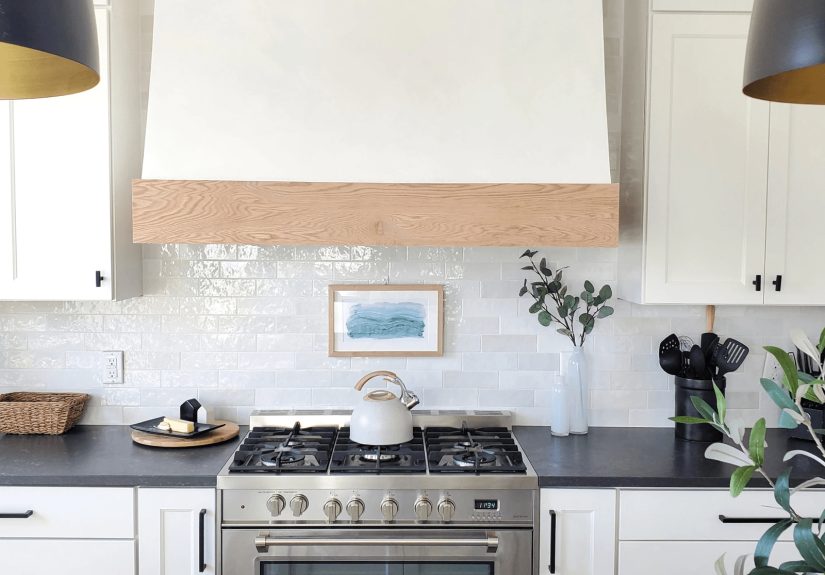
Classic white subway tile
Still popular for a reason. It is simple, adaptable, and easy to pair with almost any cabinet color or countertop material.
Warm neutral porcelain
A great choice for homeowners moving away from stark white kitchens. Warm beige, taupe, greige, and creamy tones add softness without feeling dull.
Green or blue tile
Colorful backsplashes can add depth and personality while still feeling sophisticated, especially in earthy or muted shades.
Stone-look slab or large-format tile
Ideal for a clean, modern, seamless result with a luxury feel.
Textured handmade tile
Perfect when you want movement, charm, and a collected look that feels less manufactured.
Mistakes to Avoid When Choosing Kitchen Backsplash Tile
Choosing only with your eyes. A gorgeous tile that is difficult to clean may wear out its welcome faster than an overenthusiastic dinner guest.
Ignoring grout. Tile and grout are a package deal. Choose both together, not as a last-minute afterthought.
Skipping samples. Always test tile in your actual kitchen lighting. Showroom lighting has tricked better people than all of us.
Overcomplicating a small space. In compact kitchens, too many shapes, colors, and finishes can make the room feel busy.
Forgetting the countertop. Your backsplash should complement the countertop, not start a visual argument with it.
So, What Is the Best Tile for Your Kitchen Backsplash?
If you want the best all-around answer, porcelain or ceramic tile wins. These materials offer the strongest combination of durability, easy maintenance, design flexibility, and long-term value. They work in nearly every kitchen style and do not demand constant babying.
If your priority is brightness and easy wipe-downs, glass tile is excellent. If your heart belongs to texture and handmade character, zellige or artisanal tile might be your perfect match. And if you want pure drama with a side of elegance, natural stone or slab-style tile can deliver that magazine-worthy finish.
The real secret is choosing a backsplash tile that fits your life, not just your Pinterest board. The best backsplash should look good on installation day, still look good six months later, and not make you regret your choices every time pasta sauce flies.
500 More Words of Real-World Experience: What Choosing a Kitchen Backsplash Actually Feels Like
Ask almost any homeowner about remodeling a kitchen and you will hear a variation of the same story: cabinets were stressful, countertops were expensive, appliances were confusing, and somehow the backsplash became weirdly emotional. That tracks. A backsplash is one of those details that seems small until you realize it is the thing you will stare at every morning while making coffee and every evening while pretending cooking is relaxing.
One common experience is falling in love with a tile sample that behaves very differently once it is installed across an entire wall. A small sample can look elegant and subtle, but twenty square feet of it can suddenly feel louder, shinier, darker, or busier than expected. That is why experienced homeowners and designers keep repeating the same advice: bring samples home, hold them next to your countertops and cabinets, and look at them in morning light, afternoon light, and nighttime under task lighting. Kitchen lighting can be wildly humbling.
Another real-life lesson is that grout changes everything. Many people focus on tile shape and color, then choose grout in the final hour like they are selecting a backup salad dressing. Big mistake. White subway tile with white grout feels soft and classic. The same tile with charcoal grout feels graphic and modern. A handmade tile with a carefully matched grout looks rich and blended. That same tile with a high-contrast grout may suddenly look busier, sharper, and much more demanding. In other words, grout is not just filler. It is a design decision wearing work boots.
Homeowners also learn quickly that maintenance style is personal. Some people genuinely do not mind sealing natural stone or paying closer attention to cooking splatters. For them, the beauty of marble or handmade tile is worth it. Others want something they can wipe once with a soft cloth and never think about again. Those people usually end up happiest with ceramic, porcelain, or glass. Neither camp is wrong. The best backsplash is not the one a stranger online called luxurious. It is the one that fits your tolerance for upkeep on an ordinary Tuesday.
There is also the emotional side of choosing tile. A backsplash can be the place where cautious homeowners allow themselves one interesting move. Maybe the cabinets are neutral, the counters are simple, and the backsplash becomes the fun part: glossy green tile, a herringbone layout, warm zellige, or a marble mosaic behind the range. Because backsplash tile covers a smaller area than flooring, it often feels like a safer place to experiment. It is the kitchen equivalent of wearing great shoes with a simple outfit.
Perhaps the most useful experience-based takeaway is this: the backsplash that keeps making sense usually wins over the one that merely makes a dramatic first impression. Homeowners tend to stay happiest with choices that connect to the rest of the kitchen, feel practical in daily use, and still have a little personality. Not boring. Not chaotic. Just enough style to make the room feel finished without requiring an explanation every time someone visits.
That is why the smartest backsplash decisions usually balance three things at once: how the tile looks, how it cleans, and how it will feel after the novelty wears off. When those three line up, you end up with a backsplash you enjoy living with, not just photographing. And honestly, that is the dream.
Conclusion
The best tile for your kitchen backsplash is the one that matches your kitchen’s style, your cooking habits, and your patience for maintenance. Ceramic and porcelain are the most dependable all-around winners. Glass is bright and sleek. Natural stone is timeless and luxurious. Handmade tile adds charm and texture. Mosaic tile brings detail, and slab-style surfaces create a clean, upscale look. Start with how you live, then choose the tile that makes your kitchen feel like your kitchen. The backsplash should work hard, clean up well, and look terrific doing it.