Table of Contents >> Show >> Hide
Nodules are one of those medical words that can sound dramatic before anyone has explained what they actually are. The term itself is broad. It usually means a small lump, bump, or rounded area of abnormal tissue that can show up in different parts of the body. Some nodules are felt with your fingers. Others turn up uninvited on an ultrasound, CT scan, or exam you had for a completely different reason. Yes, your body does occasionally like surprise guest appearances.
The important thing to know is this: a nodule is a description, not a final diagnosis. Some nodules are harmless and never cause trouble. Others need monitoring, medicine, a biopsy, or more active treatment. The meaning depends on where the nodule is, what it looks like, how fast it changes, and whether you have symptoms or risk factors.
If you have found a lump or have been told you have a nodule, this guide walks through the common types, likely causes, treatment options, and signs that mean it is time to get medical help sooner rather than later.
What Is a Nodule?
In plain English, a nodule is a localized growth or lump. It can be solid, fluid-filled, inflamed, scar-related, or made up of overgrown cells. Doctors use the word in many settings, including thyroid nodules, lung nodules, vocal cord nodules, skin nodules, and rheumatoid nodules.
That broad definition is why hearing “you have a nodule” can feel frustratingly vague. It is like being told your car has “a noise.” Helpful? Technically. Specific? Not even a little.
To understand whether a nodule matters, doctors usually look at:
- Its location
- Its size and shape
- Whether it is solid or fluid-filled
- Whether it causes symptoms
- Whether it is changing over time
- Your age, medical history, and risk factors
Common Types of Nodules
Thyroid Nodules
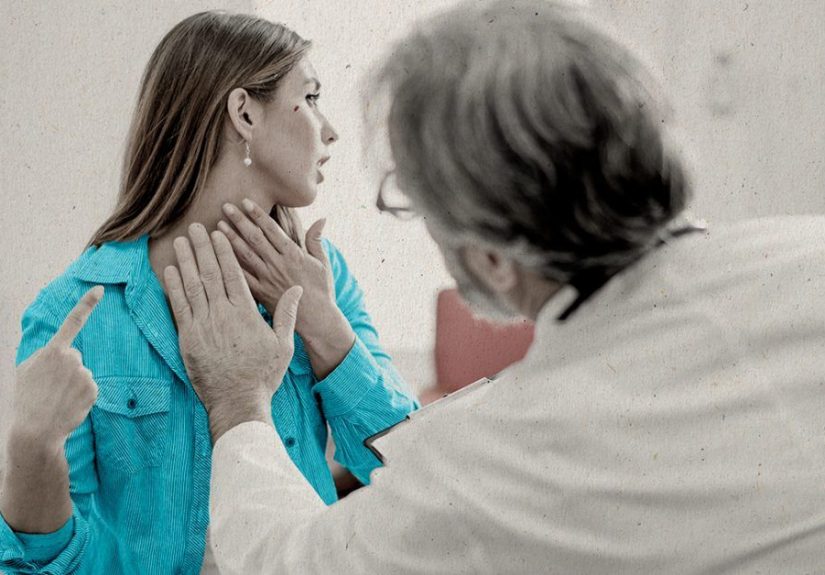
Thyroid nodules form in the thyroid gland at the front of the neck. They are very common, and many people do not know they have one until it is found during a routine exam or imaging scan. Most thyroid nodules are benign, but a smaller number can be cancerous, which is why proper evaluation matters.
Some thyroid nodules are solid. Others are cystic, meaning they contain fluid. Doctors may also describe them as “hot” or “cold,” depending on whether they produce thyroid hormone. A large nodule may cause a visible lump, a tight feeling in the neck, trouble swallowing, voice changes, or the sense that shirt collars are suddenly plotting against you.
Lung Nodules
Lung nodules, also called pulmonary nodules, are small spots in the lungs that are often found incidentally on chest imaging. They are common and usually do not cause symptoms, especially when they are small. Many turn out to be related to old infections, inflammation, or scarring. Some, however, need follow-up because lung nodules can occasionally represent cancer or another significant lung condition.
Because lung nodules are often silent, the main issue is not how they feel but how they look on imaging and whether they change over time. That is why repeat scans can be a big part of the plan.
Vocal Cord Nodules
Vocal cord nodules are small benign growths that develop on the vocal cords, often after chronic voice strain. Teachers, singers, coaches, public speakers, and anyone who has ever tried to out-yell a blender may be more likely to deal with them. These nodules can cause hoarseness, breathiness, vocal fatigue, and a rough or strained voice.
They are not usually dangerous, but they can be miserable if your voice is part of your work or daily life.
Skin and Soft Tissue Nodules
Skin nodules and soft tissue lumps may include cysts, lipomas, dermatofibromas, inflamed nodules, or other growths under or within the skin. Many are benign. Some are caused by irritation, injury, infection, blocked glands, or overgrowth of normal tissue. Others need closer evaluation if they are firm, fixed, rapidly enlarging, painful, or associated with skin changes.
If you notice a new lump under the skin and have no idea where it came from, that is worth discussing with a healthcare professional rather than declaring it “probably nothing” and moving on with your day.
Breast and Rheumatoid Nodules
People sometimes use the word nodule to describe certain breast lumps as well. Many breast lumps are benign, such as cysts or fibroadenomas, but any new breast lump should be checked. In people with rheumatoid arthritis, firm nodules may also develop under the skin, often around pressure points like the elbows or fingers.
Again, same word, different setting, very different next steps.
What Causes Nodules?
The causes of nodules vary by location, but common explanations include inflammation, infection, scarring, cyst formation, overgrowth of normal tissue, autoimmune disease, benign tumors, and cancer. A few of the most common patterns include:
- Cell overgrowth: Thyroid and skin nodules may develop when cells multiply in one small area.
- Inflammation: Chronic irritation or inflammation can produce nodules in the skin, lungs, thyroid, or joints.
- Past infection: Lung nodules may represent healed areas from previous infections.
- Voice overuse: Repeated strain can lead to vocal cord nodules.
- Autoimmune disease: Rheumatoid arthritis can cause rheumatoid nodules.
- Cysts or fluid buildup: Some nodules are partly or entirely fluid-filled.
- Cancer: Some nodules are malignant, which is why persistent or suspicious ones should not be ignored.
It is also possible not to have a clear cause right away. Sometimes the answer only becomes obvious after imaging, blood work, or biopsy.
Symptoms: When Do Nodules Cause Problems?
Some nodules cause no symptoms at all. Others get noticed because they create pressure, pain, or visible swelling. Symptoms depend heavily on location.
Symptoms That May Happen with Nodules
- A visible or palpable lump
- Hoarseness or voice fatigue
- Trouble swallowing
- Shortness of breath
- Pain or tenderness
- A feeling of fullness or pressure
- Skin redness, warmth, or drainage
- Cough or chest symptoms, depending on the cause
For example, a thyroid nodule might cause neck fullness, swallowing trouble, or voice changes if it becomes large enough. A vocal cord nodule may mainly show up as persistent hoarseness. A lung nodule often causes no symptoms and is found only through imaging. A skin nodule may be noticeable because of tenderness, growth, or cosmetic change.
How Doctors Diagnose Nodules
Diagnosis usually begins with a history and physical exam. Your clinician will want to know when you first noticed the nodule, whether it has changed, whether it hurts, and whether you have related symptoms such as weight loss, fever, swallowing trouble, or hoarseness.
After that, testing depends on the type of nodule.
Common Diagnostic Tools
- Imaging: Ultrasound is especially useful for thyroid, breast, and some soft tissue nodules. CT scans are common for lung nodules.
- Blood tests: Thyroid nodules may be checked with thyroid hormone testing. Inflammatory or autoimmune causes may lead to other lab work.
- Laryngoscopy: This lets specialists examine the vocal cords when hoarseness or vocal nodules are suspected.
- Biopsy: Fine-needle aspiration or another biopsy may be recommended when a nodule has suspicious features or the diagnosis is unclear.
- Follow-up imaging: Some nodules are not removed right away but are monitored to see whether they grow or change.
Biopsy sounds intimidating, but in many cases it is the fastest way to move from “mysterious lump” to a real answer.
Treatment for Nodules
Nodule treatment depends on the cause, size, symptoms, and level of concern for cancer. There is no single treatment because there is no single type of nodule.
Watchful Waiting
Many benign nodules do not need immediate treatment. Instead, doctors may recommend observation with repeat exams or imaging. This is common for stable thyroid nodules, some lung nodules, and other growths that look low-risk.
Medications
If the nodule is related to inflammation, infection, thyroid dysfunction, reflux, or autoimmune disease, treatment may focus on the underlying problem. For example, vocal cord nodules may improve with voice therapy and better vocal habits, while thyroid-related issues may require medication or other endocrine treatment.
Procedures or Surgery
A nodule may need to be drained, biopsied, removed, or otherwise treated if it is painful, growing, suspicious, interfering with breathing or swallowing, or confirmed to be cancerous. Surgery may be recommended for some thyroid nodules, persistent vocal cord lesions, concerning breast lumps, or skin growths that cannot be clearly identified otherwise.
Lifestyle and Self-Care Support
Self-care is not a substitute for diagnosis, but it can help in certain situations. Voice rest, hydration, and speech therapy can support recovery from vocal nodules. Avoiding repeated irritation may help some skin or soft tissue problems. Keeping follow-up appointments is also a treatment strategy in its own right, especially for nodules that are being monitored.
When Should You Seek Medical Help?
This is the part many people want to skip, usually in favor of internet optimism. Resist that urge. While many nodules are benign, some deserve timely evaluation.
Seek Medical Care if You Notice:
- A new lump in the neck
- An unexplained lump or swelling anywhere on the body
- A lump that grows quickly
- A hard, fixed, or irregular nodule
- Trouble breathing or swallowing
- Persistent hoarseness, especially lasting more than a few weeks
- Skin changes over a lump, such as redness, drainage, dimpling, or ulceration
- Fever, night sweats, or unexplained weight loss
- A new breast lump, nipple discharge, or breast skin changes
If a lump is painful, hot, red, or draining, infection may be involved and prompt care is wise. If a thyroid-area lump comes with voice changes, swallowing trouble, or neck pressure, do not wait it out. If hoarseness lingers after a cold should have passed, get it checked.
The goal is not to panic. The goal is to avoid missing something important while it is still easier to treat.
Experiences Related to Nodules: What People Often Go Through
The following are composite, realistic examples based on common experiences people report when dealing with nodules. They are not individual case reports.
One person notices a small lump low in the neck while applying moisturizer before work. At first, it feels easy to ignore because there is no pain, no fever, no dramatic movie soundtrack. But over the next few weeks, swallowing feels slightly odd, and the person starts tugging at shirt collars more often. An ultrasound later shows a thyroid nodule. The biggest emotion is not pain but uncertainty. Waiting for blood work and possibly a biopsy can feel harder than the physical symptoms. Once the testing shows the nodule is benign, the relief is enormous, even if follow-up scans are still needed.
Another person learns about a lung nodule after a scan done for something completely unrelated. That experience can be especially stressful because the nodule was not causing symptoms at all. Suddenly, a routine scan leads to phone calls, follow-up imaging, and a lot of late-night searching that usually makes everything feel worse. In many cases, the next scan shows the nodule is stable, small, and likely related to an old infection or scar. But until then, the mind tends to sprint several miles ahead of the facts.
For people with vocal cord nodules, the experience is often more day-to-day and frustrating than frightening. A teacher, singer, coach, or customer service worker may notice chronic hoarseness, throat fatigue, and the annoying sense that the voice just will not cooperate anymore. The hard part is that improvement often depends on changing habits, doing voice therapy, staying hydrated, and resisting the urge to push through. Recovery may be gradual rather than dramatic, which can test anyone’s patience.
Skin nodules bring a different kind of stress. Because they are visible, they can affect body image or simply become a constant source of fiddling and worry. People may keep checking whether the lump is bigger, firmer, or more tender. Sometimes it turns out to be a harmless cyst or lipoma. Other times, the doctor recommends removal or biopsy because the appearance is not classic enough to safely guess.
There is also the emotional side that rarely gets enough attention. Many people feel embarrassed for worrying about “just a lump,” then feel guilty if it turns out to be something serious, or silly if it turns out to be benign. The truth is that getting a nodule checked is never foolish. It is what responsible adults do when their body sends a signal it does not usually send.
In the end, the experience of having a nodule is often a lesson in uncertainty. You may need a scan, a wait, another scan, maybe a specialist visit, and sometimes a procedure. That process can be inconvenient and nerve-rattling. But it is also how medicine separates harmless bumps from problems that deserve treatment. And honestly, knowing is usually easier than guessing forever.
Conclusion
Nodules can appear in many places, including the thyroid, lungs, vocal cords, skin, breasts, and joints. Some are harmless, some are annoying, and some need close attention. The key is not to assume all nodules are dangerous, but also not to shrug them off without evaluation. A nodule is best understood in context: where it is, what it looks like, what symptoms it causes, and how it behaves over time.
If you find a new lump, develop persistent hoarseness, or are told you have a nodule on imaging, the smartest next step is a proper medical assessment. Early evaluation can bring peace of mind, catch a serious problem sooner, and help you avoid turning a manageable issue into a much bigger one.