Table of Contents >> Show >> Hide
- What Is a Stonk Rope Towel Rail?
- Why a Rope Towel Rail Works So Well in a Bath
- Best Bathroom Styles for a Stonk Rope Towel Rail
- Choosing the Right Rope Material
- Choosing the Best Fittings and Finish
- Where to Place a Rope Towel Rail
- Installation Tips for a Secure Rope Towel Rail
- How to Keep a Rope Towel Rail Clean and Fresh
- Pros and Cons of a Stonk Rope Towel Rail
- Buying Checklist: What to Look For
- Common Mistakes to Avoid
- Experience Notes: Living With a Rope Towel Rail
- Conclusion
A bathroom towel rail usually has one job: hold the towel and try not to fall off the wall during a dramatic post-shower grab. The Stonk Rope Towel Rail, however, brings a little more personality to the party. It is not just bathroom hardware; it is a small design statement with nautical roots, tactile texture, and the relaxed confidence of something that looks like it belongs on a classic yacht, a coastal cottage, or a bath where the soap is probably handmade and the towels are suspiciously fluffy.
At its core, a rope towel rail is exactly what it sounds like: a towel holder made from sturdy rope and wall-mounted fittings. But the charm comes from the detailsknots, splices, natural-looking fibers, metal brackets, and the way the rope softens all the hard surfaces that bathrooms tend to collect. Tile, porcelain, glass, chrome, stone: beautiful, yes, but sometimes a little cold. Rope adds warmth without trying too hard.
What Is a Stonk Rope Towel Rail?
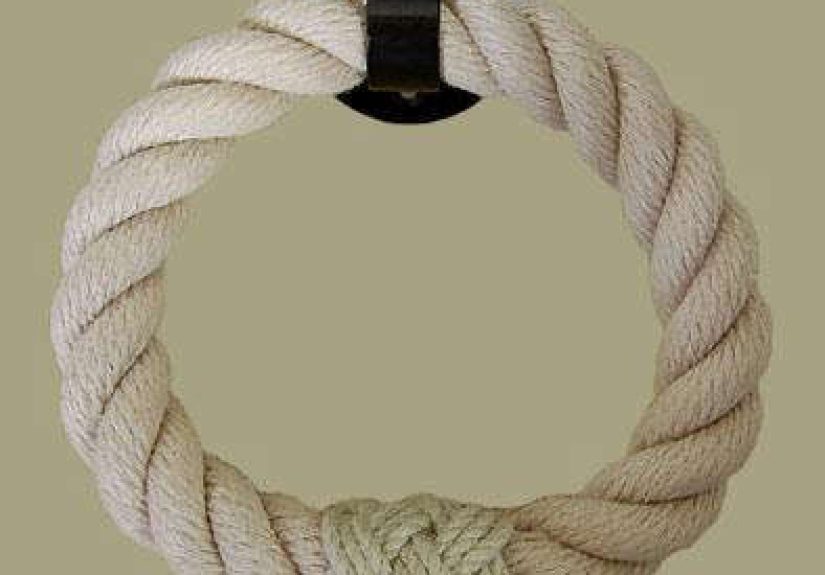
The phrase Stonk Rope Towel Rail refers to a rope-based towel holder associated with Stonk Knots, a maker known for hand-produced rope accessories inspired by traditional knotting and marine craft. The design may appear as a circular towel ring or a straight rope rail, often finished with decorative knots, eye splices, or metal wall fittings.
Unlike a standard metal towel bar, a rope towel rail has a relaxed, hand-crafted quality. It looks less like an item from aisle seven and more like something brought home from a seaside workshop after a very successful weekend involving salt air and excellent coffee. The rope can be natural hemp or cotton, or a synthetic rope that mimics the look of natural fiber while handling moisture more reliably.
One important material often connected with this style is P.O.S.H. rope, a high-grade polyester rope developed for classic yacht use. That matters because bathrooms are damp environments. A purely decorative rope might look lovely for three weeks and then begin acting like it has joined a swamp ecosystem. A more moisture-resistant rope is the grown-up choice.
Why a Rope Towel Rail Works So Well in a Bath
It Adds Texture Where Bathrooms Need It Most
Bathrooms are full of smooth finishes: glossy tile, polished faucets, glass shower doors, enamel tubs, and mirrors that reveal exactly how tired you look on Monday morning. A rope towel rail introduces texture, which makes the space feel warmer and more layered. It gives the eye something tactile to enjoy.
This is especially useful in white bathrooms, coastal bathrooms, minimalist bathrooms, and small powder rooms. A single rope towel holder can prevent a clean design from feeling sterile. It says, “Yes, this bathroom is tidy, but it also has a personality.”
It Brings Nautical Style Without Going Full Pirate Ship
Nautical bathroom decor can go wrong quickly. One minute you add a rope accent, the next minute there are anchor decals, seashell soap dishes, and a sign that says “Ahoy, Matey” above the toilet. A Stonk-style rope towel rail gives you the coastal feeling without turning the bathroom into a seafood restaurant lobby.
The key is restraint. Pair the rope rail with simple towels, natural wood, brushed metal, white tile, soft blue paint, or warm neutral walls. Let the rope be the wink, not the entire comedy show.
Best Bathroom Styles for a Stonk Rope Towel Rail
Coastal and Beach House Bathrooms
This is the obvious match. A rope towel rail naturally complements coastal bathroom decor, especially when paired with white shiplap, pale oak, rattan baskets, stone floors, or blue-gray walls. Choose a natural-looking rope with brass, chrome, or stainless steel fittings for a classic seaside look.
Rustic and Cottage Bathrooms
In a cottage-style bath, rope feels charming rather than themed. It works nicely with beadboard, vintage mirrors, clawfoot tubs, painted vanities, and woven storage baskets. Hemp-colored rope or cotton rope can help the room feel comfortable and lived-in.
Modern Organic Bathrooms
Modern organic design relies on clean shapes, quiet colors, and natural textures. A rope towel holder can soften sleek stone, concrete-look tile, matte black fixtures, or floating wood vanities. In this style, choose simple brackets and avoid overly decorative knots unless you want the rail to become the focal point.
Industrial Bathrooms
Rope and metal are a strong combination. If your bathroom has black fixtures, exposed shelving, dark grout, or vintage lighting, a rope towel rail with wrought iron or matte black fittings can feel intentional and rugged. It creates contrast without looking too shiny or polished.
Choosing the Right Rope Material
P.O.S.H. Polyester Rope
For bathrooms, synthetic rope is often the practical winner. P.O.S.H. polyester rope has the traditional look of natural rope but offers better moisture resistance. It is a smart option if the towel rail will be used daily, especially in a family bathroom where damp towels appear with the mysterious regularity of unpaid bills.
Natural Hemp or Manila Rope
Hemp and manila rope offer beautiful texture and authentic character. They look earthy, rustic, and very “I own linen napkins.” However, natural fibers can absorb moisture, shrink, discolor, or develop odors if they stay damp. If you choose natural rope, place it in a well-ventilated bathroom and keep it away from direct shower spray.
Cotton Rope
Cotton rope has a softer, cleaner appearance and works well in relaxed bathrooms. It can look especially nice with chrome or brushed nickel fittings. The trade-off is maintenance. Cotton can show dirt more easily than darker or natural-toned rope, so it may need occasional gentle cleaning.
Choosing the Best Fittings and Finish
The fittings determine whether your rope towel rail looks refined, rustic, modern, or marine-inspired. Common finish choices include stainless steel, brass, chrome, black metal, and wrought iron. Each creates a different mood.
- Stainless steel: Best for a clean, durable, moisture-friendly finish.
- Brass: Warm, classic, and excellent for vintage or coastal baths.
- Chrome: Bright and polished, ideal for traditional bathrooms.
- Matte black: Modern, graphic, and great with industrial or contemporary spaces.
- Wrought iron: Rustic and character-rich, but it needs proper protection in damp rooms.
For a polished look, match the rail fittings to your faucet, shower trim, cabinet hardware, or mirror frame. They do not have to be identical, but they should speak the same design language. Brass and aged bronze can be cousins. Chrome and brushed nickel are friendly neighbors. Shiny chrome and rusty orange metal, however, may need couples therapy.
Where to Place a Rope Towel Rail
Placement is the difference between “beautiful design detail” and “why is my towel grazing the toilet tank?” A bathroom towel rail should be easy to reach from the sink, tub, or shower, and it should allow the towel to hang freely enough to dry.
Ideal Height
A typical towel bar height for adults is around 42 to 48 inches from the floor. For children, a lower height may be more practical. For users with limited mobility, the towel rail should be placed within comfortable reach. The best height is not always the textbook height; it is the height that works for the people actually using the bathroom.
Distance from Shower or Sink
Place the rope towel rail close enough to grab easily but not so close that it gets soaked by shower spray. A towel rail beside the shower, beside the vanity, or on the back of a door can work well. Avoid cramped corners where air cannot circulate.
Small Bathroom Tip
In a small bath, a circular rope towel ring may be better than a long rail. It delivers the same texture in less space. A straight rope rail, on the other hand, is better for bath towels because it lets fabric spread out and dry faster.
Installation Tips for a Secure Rope Towel Rail
A rope towel rail may look soft and casual, but the installation should be serious. Wet towels are heavier than dry towels, and people have a habit of tugging towels with unnecessary drama. Secure mounting matters.
- Find wall studs when possible. Mounting into studs gives the strongest hold.
- Use quality anchors if studs are not available. Drywall alone is not enough for long-term strength.
- Use a level. A slightly crooked rope rail will annoy you forever. It will sit there, quietly judging your haste.
- Mark with painter’s tape. Tape helps you visualize placement and avoid unnecessary wall marks.
- Do not treat it as a grab bar. A towel rail is for towels, not for supporting body weight.
If you are installing into tile, use the correct drill bit and go slowly. If you are unsure, hire a professional. Tile is gorgeous until it cracks, at which point it becomes an expensive lesson in confidence.
How to Keep a Rope Towel Rail Clean and Fresh
Bathrooms are moisture machines. Steam, splashes, damp towels, and limited airflow can make any material work harder. A rope towel rail needs a little common sense to stay attractive.
- Hang towels open rather than bunched up.
- Run the bathroom exhaust fan during and after showers.
- Avoid placing the rope rail where it receives direct water spray.
- Wipe metal fittings occasionally to prevent residue buildup.
- Clean rope gently with mild soap and minimal water if needed.
- Let the rope dry fully before hanging heavy damp towels again.
The goal is airflow. Towels that dry quickly smell fresher and last longer. A rope rail should help your bathroom feel charming, not like a forgotten gym bag.
Pros and Cons of a Stonk Rope Towel Rail
Pros
- Distinctive, hand-crafted appearance
- Great for coastal, rustic, cottage, and organic-modern bathrooms
- Adds warmth and texture to hard bathroom surfaces
- Available in different rope types, knots, fittings, and finishes
- Works as a decorative focal point in small spaces
Cons
- Natural rope may absorb moisture if poorly ventilated
- Rope can collect dust or lint more than smooth metal
- May not suit ultra-formal or high-gloss bathroom designs
- Needs careful placement to dry properly
- Not a substitute for a safety grab bar
Buying Checklist: What to Look For
Before buying a rope towel rail, measure your space and think about how the towel will hang. A rail that looks perfect online may be too short for a plush bath sheet or too deep for a narrow powder room.
- Length: Choose a size that fits your towel and wall space.
- Rope diameter: Thicker rope looks more dramatic; thinner rope feels lighter.
- Material: Use synthetic rope for higher-moisture bathrooms.
- Fittings: Match or complement existing bathroom hardware.
- Mounting method: Confirm that hardware is suitable for your wall type.
- Cleaning needs: Consider whether the rope color will hide or show marks.
For a guest bath, you can choose a more decorative rope towel ring. For a main bathroom used every day, prioritize durability, ventilation, and easy towel drying.
Common Mistakes to Avoid
Choosing Beauty Over Function
A towel rail can be beautiful and still fail if it does not let towels dry. Avoid placing it in a tight corner or behind a door that stays closed all day.
Using the Wrong Rope in a Humid Room
Natural rope can be wonderful, but it is not always the best choice for a steamy bathroom. If your bathroom has poor ventilation, synthetic rope is usually more practical.
Installing It Too Low
Towels should not touch the floor, the vanity top, or the toilet tank. Measure the towel folded over the rail before drilling. Your future self will thank you with dry socks.
Ignoring the Rest of the Bathroom
A rope towel rail should feel connected to the room. Repeat its texture subtly through baskets, wood, linen, or natural accessories. One rope accent is stylish. Seven unrelated rope accents may look like your bathroom is preparing to dock.
Experience Notes: Living With a Rope Towel Rail
The first thing people notice about a rope towel rail is not usually its technical brilliance. Nobody walks into a bathroom and says, “Ah yes, exceptional wall-mounted towel management.” What they notice is the feeling. A rope rail makes the bathroom seem more relaxed, more personal, and more designed. It has that small boutique-hotel effect, where a simple detail makes the room feel considered.
In daily use, the experience depends heavily on placement. When a rope towel rail is mounted beside the sink for a hand towel, it performs beautifully. The towel is easy to grab, the rope adds texture at eye level, and the whole setup feels charming without being demanding. Guests often comment on it because it is different from the standard metal ring. It becomes a tiny conversation piece, which is impressive for an object whose professional responsibility is “hold damp rectangle.”
For bath towels, the experience is a little more practical. A straight rope rail works best when there is enough horizontal room for the towel to spread out. If the towel is folded too thickly or squeezed into a narrow space, drying slows down. That is not the rope’s fault; it is physics being rude. The best setup is a rail near the shower but outside the splash zone, with a fan that actually vents moisture. In that situation, the towel dries well and the rope stays fresh.
Maintenance is also part of the experience. Smooth metal bars can be wiped in three seconds. Rope asks for a gentler hand. Dust may settle into the fibers, and light-colored cotton rope may show marks over time. A soft brush, a barely damp cloth, and mild soap can help, but soaking the rope is not wise. This is one reason synthetic rope is appealing in busy bathrooms. It gives the visual comfort of natural fiber with fewer worries.
Style-wise, a rope towel rail has a surprisingly calming effect. It pairs beautifully with white towels, waffle-weave towels, striped hand towels, and neutral bath linens. It looks especially good near wood vanities, stone sinks, plaster walls, and handmade tile. The rope introduces imperfection in the best way. It has twist, shadow, knotwork, and character. In a room where everything else may be squared, sealed, polished, and grouted into submission, that softness matters.
The only real caution is not to over-theme the space. A Stonk-style rope towel rail is strongest when it looks effortless. Let it suggest the coast rather than shout about it through a megaphone shaped like a lighthouse. Pair it with thoughtful materials, give it breathing room, install it securely, and it becomes one of those small bathroom upgrades that makes the whole room feel more finished.
Conclusion
The Stonk Rope Towel Rail is proof that bathroom hardware does not have to be boring. It combines function, craft, and texture in a way that suits coastal bathrooms, rustic retreats, cottage-style spaces, and modern organic interiors. The right rope material, fitting finish, installation height, and ventilation plan will determine whether it becomes a long-lasting design highlight or just a damp decorative experiment.
Choose moisture-friendly rope for everyday bathrooms, mount the rail securely, keep towels open for airflow, and let the design breathe. Done well, a rope towel rail is more than a place to hang a towel. It is a small detail that makes a bath feel warmer, smarter, and much more memorable.