Table of Contents >> Show >> Hide
- How Far Along Are You at 8 Weeks Pregnant?
- Baby Development at 8 Weeks Pregnant
- Common 8 Weeks Pregnant Symptoms
- What You Might See on an 8-Week Ultrasound
- Your First Prenatal Visit: What to Expect
- Healthy Tips for 8 Weeks Pregnant
- When to Call a Healthcare Provider at 8 Weeks Pregnant
- Can Symptoms Disappear at 8 Weeks Pregnant?
- Emotional Changes at 8 Weeks Pregnant
- Real-Life Experiences at 8 Weeks Pregnant
- Conclusion
- SEO Tags
Eight weeks pregnant can feel like a strange mix of “Is this really happening?” and “Why does my refrigerator suddenly smell like a crime scene?” At this stage, you may not look pregnant yet, but your body is working overtime. Hormones are rising, your uterus is growing, your blood volume is beginning to increase, and your tiny developing baby is making major progress behind the scenes.
Pregnancy week 8 is part of the first trimester, a period packed with important development. Your baby is still very smallroughly the size of a raspberry or kidney bean, depending on the source and measurementbut the changes happening now are enormous. Facial features are beginning to take shape, limb buds are becoming more defined, and major organs and body systems are forming. Basically, your baby is doing a full construction project while you are trying not to gag at the smell of toast.
This guide explains common 8 weeks pregnant symptoms, what is happening with baby development at 8 weeks, what to expect from early prenatal care, and when to call a healthcare provider.
How Far Along Are You at 8 Weeks Pregnant?
At 8 weeks pregnant, you are about two months into pregnancy. Pregnancy is usually counted from the first day of your last menstrual period, not from the exact day of conception. That means your baby’s actual developmental age is usually about six weeks after conception, even though your pregnancy is called 8 weeks along.
This timing can be confusing, especially if you are using a pregnancy app, reading medical charts, or comparing notes with friends. The important thing to remember is that your due date is an estimate. Your healthcare provider may adjust it after an early ultrasound, especially if your cycle is irregular or you are unsure about your last period.
Baby Development at 8 Weeks Pregnant
Your baby may be tiny, but week 8 is a busy chapter. Many parents imagine pregnancy development as slow and gentle, but early pregnancy is more like a high-speed blueprint phase. The foundation is being laid for the brain, heart, spine, limbs, face, digestive system, and more.
Your Baby’s Size at 8 Weeks
By the end of week 8, the embryo is often described as being about half an inch long, measured from crown to rump. Some week-by-week guides compare the baby to a raspberry, kidney bean, or small grape. These fruit comparisons are not perfect science, but they are more fun than saying “approximately 1.5 centimeters.” Pregnancy deserves at least one cute visual.
The Face Is Starting to Form
At 8 weeks pregnant, facial features are becoming more noticeable. The eyes are more visible, the nose and upper lip are beginning to form, and tiny structures that will become the ears are developing. Your baby does not look like a newborn yet, but the early framework of the face is taking shape.
Arms, Legs, Fingers, and Toes Are Developing
The arms and legs continue to grow longer. Small hand and foot areas may look paddle-like at this stage, and early finger rays are beginning to appear. The toes are also developing, although they may still be webbed or not fully separated. This is the “tiny superhero gloves and flippers” stageadorable in theory, invisible from the outside.
The Heart and Major Organs Are Working Hard
By 8 weeks, the heart has already begun beating and may be visible on ultrasound, depending on timing, equipment, and individual development. Major organs and body systems are developing rapidly. The brain and spinal cord are continuing to form, and the digestive tract is also developing. This is one reason early pregnancy is such an important time to avoid alcohol, smoking, recreational drugs, and unsafe medications unless specifically approved by a healthcare provider.
The Umbilical Cord Is Becoming More Important
The umbilical cord is developing and will become the baby’s lifeline, carrying oxygen and nutrients while removing waste. The placenta is also developing, although it will continue maturing over the coming weeks. Until it fully takes over, early pregnancy support systems are still transitioning.
Common 8 Weeks Pregnant Symptoms
Symptoms at 8 weeks pregnant can vary wildly. Some people feel extremely pregnant, while others feel almost normal and worry that something is wrong. Both experiences can happen in healthy pregnancies. Symptoms can also come and go, which is deeply inconvenient for anyone who likes certainty.
Nausea and Morning Sickness
Nausea is one of the most famous first-trimester symptoms, although “morning sickness” is a suspiciously polite name. It can happen in the morning, afternoon, evening, or during a dramatic 3 a.m. cracker-eating session. Rising pregnancy hormones, a stronger sense of smell, and slower digestion may all play a role.
Try eating small, frequent meals, keeping plain crackers near your bed, sipping fluids slowly, and avoiding strong odors when possible. Ginger, vitamin B6, or other remedies may help some people, but ask your healthcare provider before taking supplements or medications.
Extreme Fatigue
If you feel like you could nap under your desk, in the grocery line, or while brushing your teeth, welcome to first-trimester fatigue. Your body is using energy to support pregnancy, hormone levels are shifting, and blood volume is beginning to increase. This is not ordinary tiredness. This is “I need a nap after my nap” tiredness.
Rest when you can, simplify your schedule, and eat balanced meals with protein, fiber-rich carbohydrates, and healthy fats. Light movement, such as a short walk, may improve energy for some people, but do not force intense exercise if you feel wiped out.
Breast Tenderness and Changes
Sore, swollen, or sensitive breasts are common at 8 weeks pregnant. Your body is preparing for breastfeeding long before you have decided whether your current bra is an enemy. The areolas may darken, veins may become more visible, and your usual bra may feel tighter.
A supportive bra, soft fabrics, and sleeping in a comfortable bralette may help. If breast pain is severe, one-sided, or accompanied by redness or fever, contact a healthcare provider.
Frequent Urination
Needing to pee more often is another classic early pregnancy symptom. Hormonal changes, increased blood flow to the kidneys, and pressure from the growing uterus can all contribute. You may feel like your bladder has adopted a very small storage policy.
Do not cut back too much on fluids. Hydration matters during pregnancy. Instead, limit large drinks right before bed if nighttime bathroom trips are ruining your sleep. Call your provider if urination is painful, cloudy, bloody, or accompanied by fever, since those symptoms may signal a urinary tract infection.
Food Cravings and Food Aversions
At 8 weeks pregnant, food can become unpredictable. Yesterday’s favorite meal may suddenly seem offensive, while a very specific pickle, noodle, or cereal may become your emotional support snack. A heightened sense of smell can also make cooking difficult.
Do your best to keep meals simple and nutritious, but give yourself grace. If all you can manage today is toast, fruit, soup, or a baked potato, that is not a moral failure. The first trimester is often about survival with a side of prenatal vitamins.
Bloating, Gas, and Constipation
Progesterone helps relax smooth muscle, which is useful for pregnancy but less charming for digestion. Food may move more slowly through your system, leading to bloating, gas, and constipation. Your jeans may feel tight even before you have a visible baby bump.
Drinking water, eating fiber-rich foods, and staying gently active may help. Good options include oatmeal, beans, lentils, berries, pears, vegetables, and whole grains. Ask your provider before using laxatives or stool softeners.
Mild Cramping or Pulling Sensations
Some mild cramping, stretching, or pulling can happen as the uterus grows. It may feel similar to light period cramps. However, severe pain, one-sided pelvic pain, shoulder pain, dizziness, fainting, or heavy bleeding should be evaluated right away.
Mood Swings
Pregnancy hormones can turn emotions into a weather system. You might cry over a commercial, snap at a spoon, then laugh five minutes later because the spoon had it coming. Mood changes are common, but persistent sadness, anxiety, panic, or hopelessness deserves support. Mental health is prenatal health.
What You Might See on an 8-Week Ultrasound
Not everyone has an ultrasound at 8 weeks, but if you do, your provider may check the gestational sac, yolk sac, embryo, heartbeat, and measurements. The crown-rump length can help estimate gestational age. In some cases, an ultrasound may also show whether you are carrying twins or more.
Do not panic if dates shift slightly. Ovulation can happen earlier or later than expected, and early measurements may lead to a revised due date. Your provider will interpret results based on your medical history, symptoms, and timing.
Your First Prenatal Visit: What to Expect
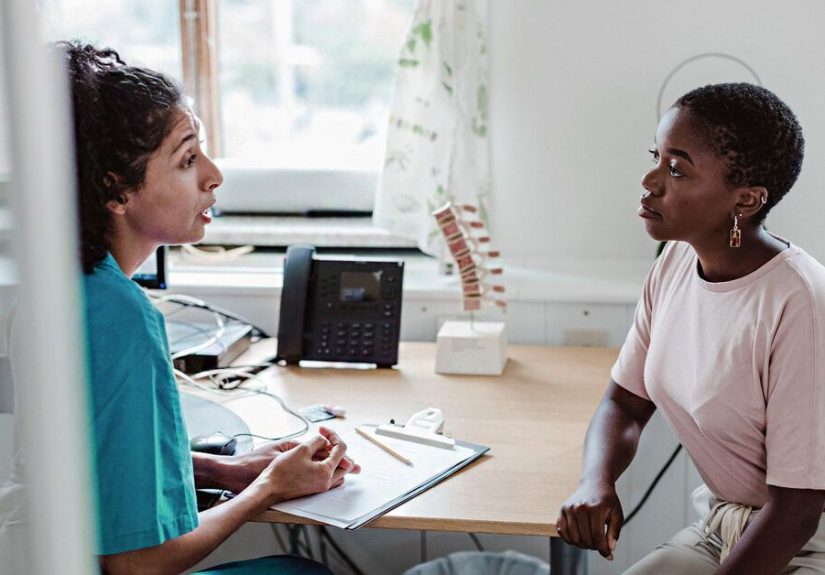
Many people have their first prenatal appointment around 8 weeks, although timing varies by clinic and personal health needs. This visit may include a detailed health history, review of medications, blood pressure check, weight measurement, urine test, blood work, and discussion of due date.
Your provider may ask about previous pregnancies, chronic conditions, family history, lifestyle, nutrition, supplements, vaccines, and symptoms. This is also your time to ask questions. No question is too small. If you are wondering whether your favorite cheese, skincare ingredient, workout, or coffee habit is okay, ask. Pregnancy has enough mystery without turning Google into your midnight roommate.
Healthy Tips for 8 Weeks Pregnant
Take a Prenatal Vitamin
A prenatal vitamin helps cover important nutrients, including folic acid, iron, iodine, vitamin D, and others depending on the formula. Folic acid is especially important early in pregnancy because it supports neural tube development. Ask your healthcare provider which prenatal vitamin is right for you, especially if you have nausea, anemia, thyroid disease, dietary restrictions, or a history of neural tube defects.
Be Smart About Food Safety
Pregnancy affects the immune system, which can increase the risk of foodborne illness. Avoid raw or undercooked meat, fish, and eggs; unpasteurized milk or juices; and soft cheeses made with unpasteurized milk. Heat deli meats and hot dogs until steaming if you choose to eat them. Wash produce, cook foods to safe temperatures, and practice good kitchen hygiene.
Limit Caffeine
Many healthcare organizations advise keeping caffeine intake moderate during pregnancy, often around 200 milligrams per day or less. That is roughly one 12-ounce cup of coffee, though caffeine content varies. Remember that tea, soda, energy drinks, chocolate, and some medications may also contain caffeine.
Avoid Alcohol, Smoking, and Recreational Drugs
No amount of alcohol is known to be safe during pregnancy. Smoking, vaping nicotine, and recreational drugs can also increase pregnancy risks. If quitting feels hard, tell your provider. Support is available, and asking for help is a strong parenting move.
Move Gently If You Feel Up to It
If your provider has not restricted activity, gentle exercise may support energy, mood, digestion, and sleep. Walking, prenatal yoga, swimming, and light strength work are common options. If you were active before pregnancy, you may be able to continue with modifications. Stop and call your provider if you have bleeding, dizziness, chest pain, severe shortness of breath, calf swelling, or painful contractions.
When to Call a Healthcare Provider at 8 Weeks Pregnant
Many first-trimester symptoms are normal, but some signs need medical attention. Contact your provider promptly if you experience heavy bleeding, severe abdominal or pelvic pain, one-sided pain, fainting, shoulder pain, fever, chills, painful urination, severe vomiting, signs of dehydration, or unusual vaginal discharge with odor, itching, or pain.
Also call if your nausea is so intense that you cannot keep fluids down, you are losing weight, or you feel weak and dizzy. Severe nausea and vomiting in pregnancy may require treatment, and you do not have to “tough it out” with a ginger candy and a brave face.
Can Symptoms Disappear at 8 Weeks Pregnant?
Yes, symptoms can fluctuate. Some people have strong symptoms one day and fewer the next. This can be normal, especially as hormones rise in waves and your body adjusts. However, sudden loss of symptoms combined with bleeding or cramping should be discussed with a healthcare provider.
It is also possible to have very few symptoms and still have a healthy pregnancy. Pregnancy does not award bonus points for suffering. If you feel good, enjoy itbut keep your prenatal appointments.
Emotional Changes at 8 Weeks Pregnant
Eight weeks pregnant can be emotionally intense. You may feel excited, anxious, protective, overwhelmed, or all of the above before lunch. Some people are waiting to share the news. Others are navigating symptoms at work while pretending they are “just tired.” Some are pregnant after loss or fertility treatment, which can make every symptom feel loaded with meaning.
Try to build a support system early. This may include a partner, trusted friend, family member, therapist, doula, or pregnancy care team. You do not need to announce your pregnancy publicly before you are ready, but you deserve support nownot only after the baby shower invitations appear.
Real-Life Experiences at 8 Weeks Pregnant
For many people, being 8 weeks pregnant feels oddly invisible. On the outside, you may look exactly the same. On the inside, your body is running a biological marathon while wearing a backpack full of hormones. You might be sitting in a meeting, nodding professionally, while secretly calculating whether you can make it to the bathroom before the smell of someone’s egg sandwich wins the battle.
A common experience at 8 weeks is learning how unpredictable the first trimester can be. One morning, you may wake up starving and eat a full breakfast. The next day, the thought of opening the refrigerator may feel like starring in a survival documentary. Many pregnant people discover “safe foods”simple meals or snacks that usually stay tolerable. Crackers, applesauce, rice, toast, smoothies, soup, baked potatoes, and cereal often become first-trimester heroes. They may not be glamorous, but neither is gagging at a salad you lovingly bought two days ago.
Fatigue is another major theme. People often describe it as different from normal tiredness. It can feel heavy, sudden, and non-negotiable. You may have big plans to clean the house, answer emails, exercise, and prepare a balanced dinner, only to fall asleep at 7:42 p.m. with one sock on. This does not mean you are lazy. It means your body is building early pregnancy support systems, increasing blood volume, and adjusting to major hormonal changes. Rest is productive, even when it looks suspiciously like doing absolutely nothing.
Emotionally, week 8 can bring a strange mix of joy and worry. Some people feel reassured by symptoms; others feel trapped by them. Some feel nervous before an ultrasound or first prenatal visit. Others may feel guilty because they are not “glowing.” Here is the truth: the pregnancy glow is not a requirement. Sometimes the glow is just sweat from trying not to vomit in a parking lot. You are still doing beautifully.
Partners and family members may not fully understand how intense this stage can be because there is no visible bump yet. It can help to explain symptoms clearly: “I am not just tired; I feel like my battery is at 3% all day,” or “Strong smells are making me nauseated, so I need help with cooking for a while.” Specific requests often work better than hoping someone magically notices that the dishwasher now smells like a dragon’s cave.
Many people also start thinking ahead at 8 weeks: when to announce, which provider to choose, what foods to avoid, whether exercise is safe, and how life will change. It is normal to feel excited one minute and completely overwhelmed the next. Take it one appointment, one snack, and one nap at a time. Early pregnancy is not about doing everything perfectly. It is about getting support, listening to your body, and making steady choices that protect your health and your baby’s development.
Conclusion
At 8 weeks pregnant, your body and baby are changing quickly. You may be dealing with nausea, fatigue, breast tenderness, frequent urination, bloating, cravings, mood swings, or a superhero-level sense of smell. Meanwhile, your baby is developing facial features, limb structures, a beating heart, early organs, and the foundations of the brain and spinal cord.
This week can feel exciting, uncomfortable, emotional, and slightly ridiculoussometimes all within the same hour. Keep taking your prenatal vitamin, schedule prenatal care if you have not already, practice food safety, avoid alcohol and smoking, and call your healthcare provider if symptoms feel severe or concerning.
Note: This article is for general educational purposes only and is not a substitute for medical advice, diagnosis, or treatment. Always consult a qualified healthcare provider about pregnancy symptoms, medications, supplements, test results, or personal medical concerns.