Table of Contents >> Show >> Hide
- Why Mass-Produced Dolls Look “Flat” (And Why That’s Not a Bad Thing)
- The Big Secret: Realism Comes From Layers, Not Perfection
- What “Doll Repainting” Actually Includes
- How an Artist Makes Plastic Look Like Skin
- Specific Examples of What Artists Change (And Why It Works)
- Why the Before-and-After Feels So Shocking
- Realistic Doesn’t Always Mean “Human”Sometimes It Means “Alive”
- Collectors, Commissions, and the Ethics of the Glow-Up
- How to Enjoy This Trend Without Owning a Single Paintbrush
- What It Feels Like to See a Doll Become “Real” (Experience Section)
- Conclusion
Mass-produced dolls are tiny miracles of modern manufacturing: perfectly symmetrical faces, identical blush placement, and eyes that look like they were applied by a very confident printer (because they were). But every once in a while, an artist comes along and treats that “factory face” like a blank canvasadding depth, texture, and the kind of subtle expression that makes you do a double take and whisper, “Wait… why does this Barbie look like she pays taxes?”
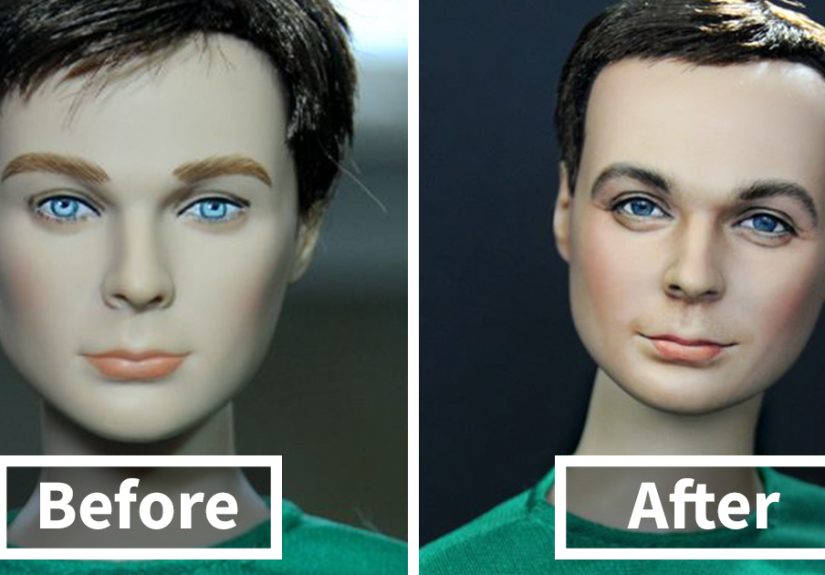
Doll repaintingoften called OOAK (one-of-a-kind) customizingtakes dolls made by the millions and turns them into singular works of art. The glow-up isn’t just “better makeup.” It’s a full-on miniature portrait session: realistic skin tones, soft shadows, tiny freckles, individual brow hairs, wet-looking eyes, and lips that have actual dimension. The result can be so lifelike it feels less like a toy and more like a character who’s about to ask you for directions and then recommend a great coffee shop.
Why Mass-Produced Dolls Look “Flat” (And Why That’s Not a Bad Thing)
Let’s defend the factory for a second. Mass production is designed for consistency, speed, and durability. Doll faces are typically created with standardized painting or printing processes, limited color passes, and bold shapes that read well from a distance (and survive being dragged through the living room by a toddler with the grip strength of a competitive rock climber). The goal is a clean, friendly face that looks good under store lighting and from across the toy aisle.
That production logic naturally creates “flatness.” You might get a single blush circle, one lip color, and crisp eyeliner lines that are the same on every unit. It’s graphic design, not portrait painting. Which is exactly why repaint artists can do something so dramatic: they’re not fighting the factorythey’re switching the art style.
The Big Secret: Realism Comes From Layers, Not Perfection
Real human faces aren’t one color. Skin has undertones, translucent areas, warm spots, cool shadows, and tiny variations that your brain reads as “alive.” A repaint artist recreates those cues with layeringthin applications that build depth the way traditional painters build a portrait. In painting terms, it’s closer to glazing and subtle layering than to slapping on a single opaque coat and calling it a day.
And here’s the twist: the most realistic faces aren’t the most symmetrical. Factory faces tend to be extremely even. Real faces have micro-asymmetriesslight differences in eyebrow height, tiny shifts in eyelid shape, a barely uneven smile. Skilled repaint artists often introduce gentle asymmetry on purpose, because your brain trusts it.
Micro-Details That Trick the Brain (In the Best Way)
- Soft shadow placement: Around the nose, under the lower lip, and at the eye socketsubtle, not cartoonish.
- Color variation: Warmer cheeks, cooler jawline, slightly different tones around the eyes.
- Eye realism: A crisp iris edge, a soft gradient, and tiny catchlights that suggest moisture.
- Texture cues: Freckles, moles, faint lip creases, and gentle “skin” transitions that remove the plastic look.
What “Doll Repainting” Actually Includes
When people hear “repainting,” they imagine a quick makeover: new lipstick, new eyeliner, call it a day. In the custom doll world, repainting can be part of a bigger transformation that may include hair work, styling, and even subtle sculpt adjustments. Some artists focus on fashion-doll glam; others aim for museum-level realism; others split the difference and create faces that look realistic but still “doll-like” in a charming way.
The dolls used as bases range widely: iconic fashion dolls, big-eyed stylized lines, collector dolls, and even older dolls that need restoration. There’s also a huge commission marketpeople order custom dolls that resemble a favorite character, an original design, or (in some cases) a portrait-style likeness.
How an Artist Makes Plastic Look Like Skin
The process varies by artist and doll material, but the artistic logic is consistent: prep the surface, build a believable face in layers, then finish it so it lasts. Because the base doll is mass-produced, the artist is working with a smooth vinyl or plastic head that doesn’t naturally behave like canvas or paper. That means surface prep and finishing matternot just for looks, but for longevity.
Important note for anyone tempted to try it: some products used in customizing (especially sprays, solvents, or strong sealers) can be hazardous if misused. If you’re experimenting, do it with a trusted adult, follow label directions, and prioritize ventilation and protective gear. Appreciating the craft does not require turning your bedroom into a DIY paint booth.
Step 1: The “Blank Slate” Moment
Most mass-produced dolls start with factory-applied face graphics. Customizers typically remove or neutralize that look so they can rebuild from scratch. This is the part of the process that separates casual crafting from “respect the materials” artistrybecause the wrong approach can damage the doll’s surface. Professionals treat prep like conservation: slow, careful, and deliberate.
Step 2: Mapping the Face Like a Portrait Artist
Before color ever goes on, repaint artists plan proportions and expression. Tiny changeslifting the brow angle, widening the eye shape, softening the lip cornerscan shift the doll’s entire mood. A factory face often reads as “generic happy.” A repaint can read as thoughtful, shy, mischievous, tired, confident, or quietly dramatic (the best kind of dramatic).
Step 3: Building Realistic Skin With Thin Layers
Realism comes from depth: translucent layers that let previous tones show through. Artists often build from a base tone into warm and cool variations, adding blush, subtle contouring, and tiny “imperfections” that look natural. Done well, the face stops looking like painted plastic and starts looking like skin over bone structureminiature, but convincing.
Step 4: Eyes That Look Wet (Not Glossy Like a Sticker)
The eyes are where the magic either happens or collapses like a bad soufflé. A realistic eye isn’t just a colored circle. It’s an iris with depth, a pupil that’s crisp, a limbal ring that’s controlled, and highlights that make the surface feel alive. Even stylized dolls benefit from eye work that suggests light direction and moisture.
Step 5: Brows, Lashes, and LipsThe “Human” Features
Brows are often built hair-by-hair to avoid the stamped-on look. Lips become more realistic when they have a gradient (not a single flat color) and when the artist uses subtle shadow under the lower lip to create dimension. Lashes and eyeliner can be sharpened or softened depending on the intended vibe: natural, editorial, fantasy, or “I am the main character and I know it.”
Step 6: Hair Work That Completes the Illusion
Even a perfect face can look “toy-ish” if the hair stays factory-stiff or poorly fitted. Many customizers restyle, replace, or reroot hair to match the realism level of the new face. Hairlines become more natural, parts look intentional, and the whole doll suddenly feels less like a product and more like a person-with-a-story.
Specific Examples of What Artists Change (And Why It Works)
Turning “Printed Makeup” Into Skin-Like Color
A factory blush circle is easy to spot because it’s uniform. A repaint blush looks like blood under skin: softer edges, varied intensity, and placement that matches facial structure. The difference is small in measurement and huge in perception. Your brain reads the second one as biology rather than decoration.
Softening Hard Lines Without Losing Style
Mass-produced eyeliner is often bold so it stays visible. Repaint artists can keep the drama while adding softness: a tapered wing, a subtle gradient, or a slightly broken line that looks like actual makeup rather than a printed shape. The result can still be glamorousjust less “sticker,” more “cinematic.”
Adding “Imperfect” Details That Feel Real
Freckles are a common example, but not because freckles are trendy (though they are). They work because they introduce natural variation. A tiny mole, a faint beauty mark, a soft flush across the nose bridge these details create the impression that the doll has lived a life outside the box.
Why the Before-and-After Feels So Shocking
Humans are face-reading machines. We notice tiny differences in eyes and mouth shape because that’s how we interpret emotion and intention. When a doll face becomes more nuancedslightly different eyelid shading, a more believable lip shape, a hint of expressionyour brain responds immediately. It’s the same reason a well-painted portrait feels like it’s watching you (politely, from across the room).
There’s also a psychological “uncanny” factor in reverse. We’re used to dolls being stylized. When a doll suddenly looks almost real, it can be startlingthen mesmerizingthen you’re zooming in on freckles like you’re analyzing a Renaissance painting in a museum.
Realistic Doesn’t Always Mean “Human”Sometimes It Means “Alive”
Not every artist aims for hyperrealism. Some create faces that are still stylized but far more dimensional than the original. Think of it like animation: you can have realism in lighting, texture, and emotion without copying real human proportions exactly. A big-eyed fantasy doll can still look “real” in the sense that the face feels expressive, tactile, and thoughtfully lit.
That’s why this art form keeps growing: it’s not one style, it’s a whole universe. Some customs look like runway models, some look like storybook characters, some look like a movie close-up, and some look like you might bump into them at a bookstore and end up discussing your favorite authors.
Collectors, Commissions, and the Ethics of the Glow-Up
Custom dolls live at the intersection of art, collecting, and restoration. Sometimes an artist repaints a brand-new doll purely as a creative project. Other times, they restore older dollstouching up faded features or repairing damageespecially when a doll has sentimental value.
In the restoration community, a key principle is to consider what’s reversible and what isn’t, and to be transparent if a doll is sold after restoration. In other words: art is wonderful, but honesty is non-negotiable. The healthiest parts of the custom scene are built on clear disclosure, respect for materials, and appreciation for the original objecteven when it gets a total makeover.
How to Enjoy This Trend Without Owning a Single Paintbrush
- Follow artists online: Many share time-lapses and progress photos that reveal how much skill goes into tiny details.
- Learn the vocabulary: Terms like OOAK, rerooting, face-up, and restoration help you understand what you’re seeing.
- Support responsibly: If you buy, look for clear photos, a description of materials, and transparent disclosure of modifications.
- Appreciate the artistry: Even if you never commission a doll, seeing the transformation can change how you view miniature art.
What It Feels Like to See a Doll Become “Real” (Experience Section)
If you’ve ever watched a doll repaint video, you know the feeling: it starts as casual scrolling, and suddenly you’re emotionally invested in a piece of vinyl. The first few moments are always a little dramaticfactory face removed, bare head staring into the void like it just realized it left the stove on. It’s uncanny, slightly funny, and also weirdly suspenseful, because you know something amazing is about to happen.
Then the artist begins. At first, nothing looks “better.” It looks cautious. Experimental. Like the doll is in the awkward middle school phase of a makeover montage. And that’s the part people underestimate: realism is built slowly. You don’t get “lifelike” in one step. You get it in a hundred tiny decisions that most viewers can’t name but absolutely feel.
The experience of watching the face develop is almost like watching a photograph appear in an old darkroom. A faint shadow under the nose suddenly creates structure. A gentle gradient on the lips turns a flat smile into a mouth with softness. The eyesalways the eyesshift from “printed design” to “focused gaze” the moment highlights and depth land in the right place. That’s usually when the comments explode with some variation of “WHY IS SHE LOOKING INTO MY SOUL,” which is fair. She kind of is.
Seeing the finished doll in hand (or even in close-up photos) is a different kind of wow. Your brain starts doing this strange recalculation: you still know it’s a doll, but you respond to it like it’s a portrait. You look for personality. You interpret expression. You imagine backstory. A subtle brow shape can make a doll look confident. A softer mouth can make it look shy. A tiny scatter of freckles can make it look like it has a favorite season (and it’s probably fall, because freckles have that cozy energy).
There’s also a collector’s appreciation that comes with time. The more you watch, the more you notice craftsmanship: clean line control, believable color transitions, consistent lighting logic, and details that stay readable at arm’s length. You start to understand why two “similar” repaints can feel totally differentbecause one is just decoration and the other is anatomy, color theory, and storytelling in miniature.
And maybe the best part of the experience is realizing this isn’t just about “making dolls prettier.” It’s about making mass-produced objects personal. It’s about craft in a world of copies. A repaint turns something identical into something specificone face, one mood, one tiny character that exists nowhere else. In a very small way, it’s the same reason people love murals, handmade ceramics, or custom sneakers: it’s proof that human hands can still surprise you.
Conclusion
When an artist repaints a mass-produced doll, the transformation isn’t magicit’s skill. It’s layering, careful observation, and an understanding of what the human brain reads as “alive.” Factory dolls are designed for consistency; repainted dolls are designed for presence. And that’s why the result is so amazing: it takes something familiar and makes you see it again for the first timeone tiny freckle, eyelash, and catchlight at a time.