Table of Contents >> Show >> Hide
- Why Healthy Eating on Vacation Matters
- Tip 1: Plan Ahead Like a Tourist With Main-Character Energy
- Tip 2: Build Meals Around Balance, Not Vacation Math
- Tip 3: Do Not Skip Meals Just to “Save Up”
- Tip 4: Hydrate Like You Mean It
- Tip 5: Outsmart Restaurant Portions Without Feeling Deprived
- Tip 6: Respect Food Safety, Especially When Traveling Far From Home
- What a Healthy Vacation Day Can Actually Look Like
- Common Mistakes to Avoid
- Final Thoughts
- Travel Experiences: What Healthy Eating on Vacation Really Feels Like
- SEO Tags
Vacation is supposed to be a break from stress, not a seven-day audition for “Most Likely to Regret the Buffet.” Yet that is exactly what happens to a lot of travelers. One late airport meal turns into three days of pastries, giant restaurant portions, mysterious road-trip snacks, and the sudden belief that iced coffee counts as hydration. The good news? Eating healthy on vacation does not mean nibbling lettuce in the corner while everyone else falls in love with local food.
In fact, the smartest approach is far more realistic: enjoy the trip, eat foods you genuinely love, and build enough structure around your meals that you still feel energized instead of sluggish. Healthy vacation eating is less about perfection and more about rhythm. You want meals that keep your blood sugar steady, enough water to help you function like a civilized person, and a few simple habits that stop every travel day from becoming a food free-for-all.
This guide breaks down six practical tips to eat healthy on vacation without missing the fun. Think of it as a carry-on sized nutrition strategy: light, useful, and much more reliable than that giant cinnamon roll calling your name from the hotel lobby.
Why Healthy Eating on Vacation Matters
When your routine changes, your eating habits usually change with it. Flights run late. Hotel breakfasts are loaded with tempting extras. Sightseeing pushes meals into odd hours. Add more restaurant dining, bigger portions, alcohol, and less sleep, and your body starts waving tiny red flags. You may notice bloating, constipation, low energy, dehydration, or the classic “why do my jeans suddenly feel judgmental?” sensation.
Staying mindful with food while traveling helps you avoid those problems. It also makes the trip better. Balanced meals can support steady energy for long walking days, reduce random snacking, and help you enjoy treats without feeling miserable afterward. That is the goal here: not diet culture, not food guilt, just smart choices that leave room for pleasure.
Tip 1: Plan Ahead Like a Tourist With Main-Character Energy
If you want to eat healthy on vacation, start before the first suitcase zipper closes. Planning ahead is the single easiest way to avoid hunger-driven decisions that end with greasy fries, a candy bar, and a bottle of something neon.
Look at your travel schedule before you leave
Ask a few simple questions. When will you realistically eat? Will you be in an airport during lunch? Are you driving through long stretches with limited options? Does your hotel room have a fridge? If your sightseeing day starts at 8 a.m. and dinner is not until 8 p.m., you need a plan for the middle. Your stomach should not be forced into survival mode just because you booked a boat tour.
Pack travel-friendly healthy snacks
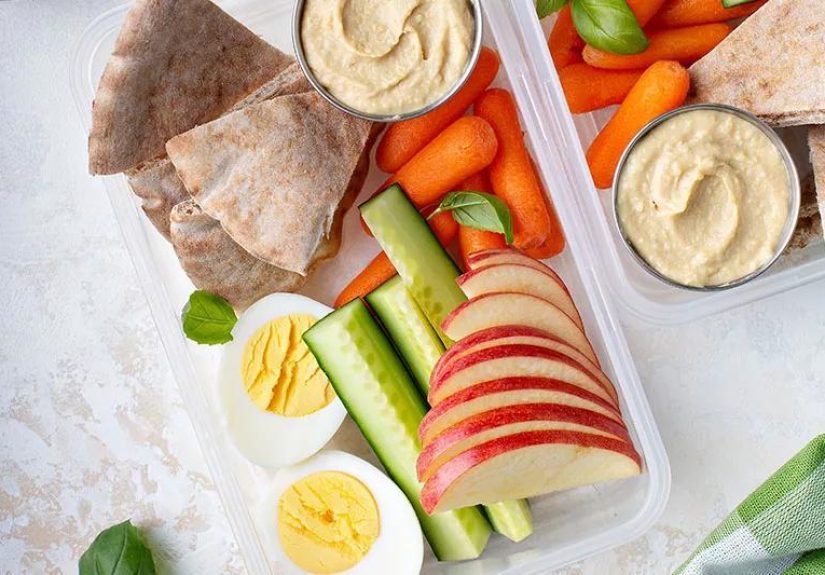
Great options include nuts, trail mix with minimal added sugar, whole fruit, roasted chickpeas, whole-grain crackers, nut butter packets, low-sugar protein bars, unsweetened applesauce cups, and dried fruit in sensible portions. These foods travel well, help curb extreme hunger, and make it easier to skip random convenience-store disasters.
Healthy snacks are especially useful for airports, road trips, theme parks, and long excursions. They also protect you from the dangerous thought, “I’m starving, so obviously I need to order mozzarella sticks for the table.”
Tip 2: Build Meals Around Balance, Not Vacation Math
Vacation math is a fascinating concept. It says that because you walked nine thousand steps, gelato has become a vegetable and nachos are now a wellness bowl. Charming theory. Unfortunately, your digestive system remains unconvinced.
A better strategy is to build most meals around balance. You do not need to count every calorie. You just need a plate that includes a few basics.
Use a simple plate formula
Whenever possible, aim for:
- Fruits and vegetables for fiber, vitamins, and fullness
- Lean protein such as eggs, fish, chicken, turkey, beans, lentils, tofu, or Greek yogurt
- Whole grains or smart carbohydrates like oatmeal, brown rice, whole-grain toast, potatoes, or beans
- A reasonable amount of healthy fat from nuts, seeds, avocado, or olive oil
This approach works almost anywhere. At breakfast, that might mean eggs, fruit, and oatmeal. At lunch, maybe grilled fish tacos with cabbage slaw and beans. At dinner, perhaps a chicken dish with vegetables and rice. You are not trying to create a perfect plate every time. You are trying to make the average day better.
Make local food part of the plan
Eating healthy on vacation does not mean refusing local specialties. It means enjoying them strategically. Split a rich dessert. Pair a heavier entrée with a vegetable-based starter. Choose the one indulgence you truly want instead of ordering every tempting thing because “I’m on vacation.” That phrase has led many good people directly into food comas.
Tip 3: Do Not Skip Meals Just to “Save Up”
One of the most common mistakes travelers make is undereating during the day and overeating at night. The logic seems innocent enough: skip breakfast, eat a tiny lunch, then go big at dinner. In reality, this often backfires. By the time dinner arrives, you are so hungry that the bread basket becomes a personal challenge.
Keep your eating pattern reasonably consistent
You do not need to follow your home routine perfectly, but a rough structure helps. Eating every few hours can keep hunger from getting out of hand and reduce the urge to inhale the first thing you see. A light breakfast, a balanced lunch, a planned snack, and a satisfying dinner usually works better than accidental fasting followed by restaurant chaos.
Start the day with something real
Even a simple breakfast makes a difference. Think Greek yogurt with fruit, oatmeal and nuts, eggs with toast, or a smoothie with protein and fiber. Starting with a mix of protein and complex carbohydrates can help steady energy, especially if you have a long morning of travel or sightseeing.
If a hotel breakfast is your only option, skip the “all beige” plate and add something fresh. Fruit, yogurt, eggs, and whole-grain toast can save you from the 10:30 a.m. muffin emergency.
Tip 4: Hydrate Like You Mean It
Many people think they are hungry when they are actually thirsty, tired, or mildly dehydrated. Travel makes that more likely. Airplanes are dry. Hot weather increases fluid loss. Walking all day adds to it. Alcohol does not exactly help. Neither does pretending coffee counts as a personality trait and a hydration plan.
Carry a refillable water bottle
This tiny habit solves a lot of problems. Keep water with you during flights, road trips, beach days, city walks, and sightseeing tours. Sip regularly instead of waiting until you feel parched. If plain water feels boring, add citrus slices, drink sparkling water, or choose unsweetened flavored options.
Be mindful with alcohol and sugary drinks
Vacation cocktails are fun. Giant frozen drinks that taste like melted candy can be fun too. But liquid calories add up quickly, and alcohol can nudge food choices in the wrong direction. A practical rule is to alternate alcoholic drinks with water, avoid drinking on an empty stomach, and choose the drinks you truly want rather than saying yes to every poolside suggestion.
Hydration also supports digestion, which matters when travel constipation decides to become an uninvited travel companion. Water plus fiber is not glamorous, but it is deeply appreciated by your body.
Tip 5: Outsmart Restaurant Portions Without Feeling Deprived
Restaurant meals on vacation are often delicious and oversized. That combination is both magical and dangerous. You can absolutely eat out and still keep your nutrition on track. The trick is to manage portions without turning dinner into a math exam.
Use a few easy restaurant strategies
- Start with a salad, broth-based soup, or vegetable side if available
- Choose grilled, baked, broiled, roasted, or steamed options more often than fried ones
- Ask for sauces and dressings on the side
- Split large entrées or share appetizers and desserts
- Box up half early if portions are enormous
- Add vegetables or swap fries for fruit, salad, or beans when possible
Upgrade the meal instead of obsessing over it
You do not always need to order the “healthiest” item on the menu. Sometimes it is enough to make the meal a little more nutrient-dense. Order the burger, but add a side salad and skip the second round of fries. Get the pasta, but ask for extra vegetables and grilled chicken. Choose tacos, but balance them with beans and salsa instead of a mountain of chips.
That is what sustainable healthy eating looks like on vacation: not restriction, but better trade-offs.
Tip 6: Respect Food Safety, Especially When Traveling Far From Home
Nothing ruins a vacation faster than foodborne illness. You can have the best itinerary in the world, but if you spend two days stuck in a hotel bathroom regretting a questionable lunch, the memories take a sharp turn.
Be extra careful with risky foods
If you are traveling internationally or anywhere with uncertain food and water safety, be cautious with raw produce, fresh salads washed in unsafe water, cut fruit, unpasteurized dairy, raw seafood, and undercooked meat. In some destinations, it is safer to choose foods that are thoroughly cooked and served hot, fruits you can peel yourself, and sealed beverages.
Store snacks properly
If you bring perishable foods, keep them cold with ice packs or a cooler. Toss anything that sits too long at unsafe temperatures. Healthy food is only helpful if it is still safe to eat. Nobody wants yogurt with a side of bad decisions.
Food safety is also part of healthy eating on vacation. It may not sound as exciting as “find the cutest brunch spot,” but your future self will be grateful.
What a Healthy Vacation Day Can Actually Look Like
Let’s make this practical. Here is one example of a balanced travel day:
- Breakfast: Veggie omelet, fruit, and whole-grain toast
- Mid-morning snack: Apple and a handful of nuts
- Lunch: Grilled chicken salad with beans and a whole-grain roll
- Afternoon treat: One local pastry or gelato you truly want
- Dinner: Fish tacos, black beans, grilled vegetables, and water or sparkling water
- Evening: If hungry, yogurt or fruit instead of random minibar roulette
That day includes enjoyment, local flavor, steady energy, and zero nutrition drama. You could also swap in road-trip snacks, picnic meals, or hotel buffet choices. The exact foods matter less than the pattern: protein, fiber, hydration, and intentional treats.
Common Mistakes to Avoid
- Arriving starving: This almost never ends in a calm, balanced choice.
- Drinking too little water: Fatigue and headaches love this move.
- Treating every meal like a cheat day: Fun at first, rough by day three.
- Ignoring vegetables and fruit completely: Your digestion notices.
- Ordering based only on mood: Delicious, yes. Smart every time, no.
- Being too rigid: Healthy eating should support the trip, not dominate it.
Final Thoughts
The best vacation eating plan is one you can actually follow. That means no all-or-nothing rules, no guilt spiral after dessert, and no pretending the only healthy option is dry grilled chicken with the personality of a paper towel. You are allowed to enjoy the trip. You are also allowed to care about how your body feels while you enjoy it.
Plan ahead, keep snacks nearby, build balanced meals, stay hydrated, manage restaurant portions, and use common sense with food safety. Those six habits can help you eat healthy on vacation without draining the joy out of travel. And that is really the sweet spot: coming home with great memories, decent energy, and maybe even pants that still button without filing a complaint.
Travel Experiences: What Healthy Eating on Vacation Really Feels Like
Anyone who has tried to eat well while traveling knows the challenge is rarely a lack of knowledge. Most people already understand that vegetables, water, and balanced meals are a good idea. The hard part is applying that knowledge when you are tired, excited, off schedule, surrounded by tempting food, and convinced that buying caramel popcorn at 9 a.m. is somehow part of the cultural experience.
One of the most common vacation experiences happens at the airport. You leave home in a rush, skip breakfast because you are “too busy,” and then spend the next three hours pretending you are not desperate enough to eat a giant cinnamon bun next to Gate B12. Travelers who pack fruit, nuts, or a protein bar often have a completely different day. They board calmer, choose lunch more thoughtfully, and avoid that jittery combination of hunger, caffeine, and regret.
Road trips create another familiar pattern. It usually starts with good intentions and ends with crumbs in the cup holder. But people who keep a cooler with water, fruit, yogurt, sandwiches, and cut vegetables often say the trip feels easier. They stop because they want a break, not because they are ravenous. That small difference changes everything. Instead of inhaling fast food at the first exit, they can choose a meal they actually enjoy and still feel good driving afterward.
Beach vacations offer their own lessons. Many travelers find that heat, sun, and salty snacks can blur the line between hunger and dehydration. A day that starts with pastries and mimosas can turn sluggish by midafternoon. By contrast, a breakfast with eggs, fruit, and oatmeal, plus steady water throughout the day, usually leads to better energy for swimming, walking, and dinner later on. You still get the frozen drink if you want it, but you are choosing it for fun, not because your body is running on fumes.
City trips can be the most surprising. When people spend all day sightseeing, walking museums, climbing subway stairs, and standing in lines, they often assume they can eat anything and feel fine. Sometimes that works for one day. By day two or three, many travelers realize that oversized restaurant meals and too few vegetables make them feel heavy and tired. The travelers who do best are often the ones who keep one or two anchors in place: a solid breakfast, a planned snack, and at least one vegetable-heavy meal each day.
The most positive travel experiences usually do not come from strict dieting. They come from balance. People remember the amazing pasta in Rome, the tacos in San Diego, the lobster roll in Maine, or the pastry from a tiny neighborhood bakery. They also remember feeling good enough to enjoy the walk afterward, wake up hungry for breakfast, and keep exploring instead of needing an afternoon nap and an apology to their stomach. That is what healthy vacation eating really gives you: not less pleasure, but more usable energy for the trip itself.