Table of Contents >> Show >> Hide
- First things first: can wearing sports bras all the time cause a breast lump?
- Why a “strange lump” feels so alarming
- What a breast lump could actually be
- What sports bras can do when they do not fit well
- Signs your sports bra may be part of the problem
- When to see a doctor about a lump
- What the doctor will likely do
- How to wear sports bras without making your chest miserable
- Do not let myths replace real breast awareness
- Screening still matters, too
- The real lesson women should take from this story
- Additional experiences related to this topic
- SEO Tags
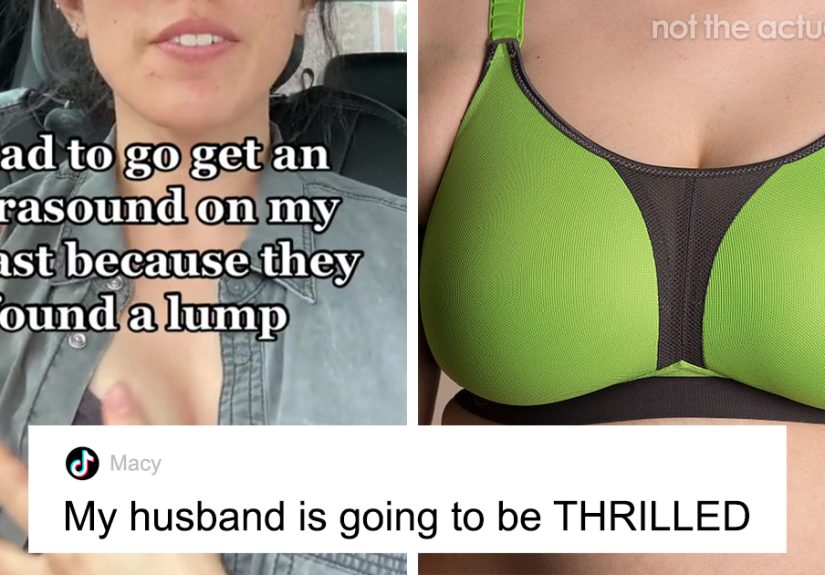
A viral story about a woman discovering a strange breast lump after wearing sports bras almost nonstop sounds like the internet’s favorite kind of headline: dramatic, alarming, and just believable enough to make everyone nervously adjust their straps. And honestly? The panic makes sense. Finding a lump in your breast can turn a normal Tuesday into a full-blown internal disaster movie.
But here’s where we all need to take one deep breath and step away from the panic spiral: a sports bra is not some secret villain plotting against your chest. Wearing one all the time does not appear to cause breast cancer. That said, constant compression, friction, sweat, and poor fit can absolutely make your breasts, skin, and surrounding tissue feel cranky, tender, irritated, and sometimes weird enough to send you straight into a Google search you’ll regret.
So what should women really know? A lot, actually. Some breast lumps are harmless. Some are caused by cysts, fibrocystic changes, or benign growths. Some “lumps” turn out to be inflamed skin, a clogged follicle, swollen tissue, or an area that simply became more noticeable because a tight bra kept rubbing or compressing it. And yes, sometimes a lump needs urgent medical attention. The lesson is not “burn all sports bras.” The lesson is “know your body, wear supportive gear that actually fits, and never ignore a new breast change.”
First things first: can wearing sports bras all the time cause a breast lump?
Not directly in the way social media sometimes claims. There is no strong evidence that bras, including sports bras, cause breast cancer or magically create dangerous breast lumps out of thin air. The old myth that bras “block lymph flow” and lead to cancer has been kicked around for years, but major medical organizations do not support it. So if someone told you your sports bra is basically a tiny chest prison with evil intentions, that theory needs to calm down.
However, that does not mean nonstop sports-bra wear is always comfortable or problem-free. A too-tight bra can cause breast pain, chest tightness, skin irritation, pressure marks, chafing, and tenderness. Add heat, workouts, trapped sweat, and a bra you have definitely worn too many times since laundry day, and now you have a recipe for bumps, rashes, inflamed follicles, or under-breast irritation. In real life, that can feel suspiciously lump-like, especially if the area is sore.
In other words, the bra may not be the root cause of a breast disease, but it can make you notice a problem, aggravate discomfort, or create skin-level irritation that feels scary until a clinician takes a proper look.
Why a “strange lump” feels so alarming
Because breasts are not exactly subtle. When something changes, women notice. A new firm spot. A tender knot. A mobile little marble. A thickened area under the arm. A patch of skin that looks irritated. A place that suddenly hurts when you reach across your body or peel off your sports bra after a sweaty afternoon. That kind of change is emotionally loud, even when the cause turns out to be benign.
The tricky part is that breast lumps do not come with labels. Your body does not attach a helpful sticky note saying, “Relax, this is just a cyst,” or “Please see a doctor this week.” That is why doctors consistently say the same thing: most breast changes are not cancer, but new breast changes should still be evaluated.
What a breast lump could actually be
1. A cyst
Breast cysts are fluid-filled sacs that can appear quickly and may feel soft, firm, round, or tender. Some women describe them as little grapes. Others say they feel like a water balloon with a bad attitude. They are common, especially around hormonal shifts, and they can become more noticeable before a period.
2. Fibrocystic breast changes
This is one of the biggest reasons breasts can feel lumpy, ropey, swollen, or unusually tender. Fibrocystic changes are common and often linked to hormone fluctuations. Translation: your breast tissue may feel like it is auditioning for a dramatic role even when nothing dangerous is going on.
3. Fibroadenoma
A fibroadenoma is a common benign lump, especially in younger women. It often feels smooth, rubbery, and movable. Many women find one by accident while changing clothes, showering, or yes, while readjusting a sports bra that has gotten a little too enthusiastic with the compression.
4. Fat necrosis after trauma
This sounds terrifying, but the condition itself is benign. Fat necrosis can happen after an injury or blow to the breast tissue and may create a firm lump. It is more about trauma than your bra. Think impact during exercise, an accidental hit, or prior procedures affecting the tissue. The lump can still feel alarming and may need imaging to sort out.
5. Swollen lymph nodes
Lymph nodes near the underarm can swell in response to infection, inflammation, shaving irritation, skin problems, or other causes. A woman might notice discomfort on one side and assume the breast itself is the problem when the underarm area is involved too.
6. Skin issues that masquerade as something worse
A tight, sweaty sports bra can create perfect conditions for heat rash, intertrigo, folliculitis, and friction-related irritation. These can show up as red bumps, sore patches, or inflamed areas that feel unusual enough to spark major concern. They are not the same thing as a breast mass, but when they occur on or under the breast, the distinction is not always obvious at home in your bathroom mirror.
7. Infection or inflammation
Mastitis is more common during breastfeeding, but breast inflammation and infection can happen in other settings too. Redness, warmth, swelling, pain, fever, or a fast-changing tender area should not be shrugged off.
8. Breast cancer
Yes, this is the possibility nobody wants to think about, which is exactly why it cannot be ignored. A breast cancer lump may feel hard, irregular, or fixed, but there is no single “correct” feel. Some breast cancers do not cause a distinct lump at all. Skin dimpling, nipple changes, swelling, discharge, redness, thickening, or an underarm lump can also be warning signs.
What sports bras can do when they do not fit well
Sports bras are supposed to reduce movement and discomfort during activity. That is their job. But wearing the wrong one all day, every day, can backfire. A bra that is too tight may dig into the shoulders, create chest pressure, leave deep indentations, and make breast pain worse rather than better. One that traps sweat can encourage irritation. One with stiff seams can rub the skin raw enough to make you question every life choice that led to this moment.
If you live in sports bras because they feel more supportive than regular bras, that is understandable. Many women with larger breasts prefer the stability and reduced bounce. The key is fit and purpose. A high-compression bra made for intense workouts is not always the ideal choice for desk work, errands, dinner, and sleeping like it is applying for full-time employment.
Signs your sports bra may be part of the problem
- It leaves painful grooves or marks that linger for hours.
- You feel chest tightness or shortness of breath in it.
- Your breasts spill out, shift strangely, or feel smashed flat in an uncomfortable way.
- The band rides up or digs in.
- You get repeated rashes, bumps, or itchy spots under the breasts or along seams.
- You keep wearing it when it is damp with sweat because laundry is a future-you problem.
Future-you would like a word, by the way.
When to see a doctor about a lump
If you notice a new lump, thickened area, persistent tenderness in one spot, swelling under the arm, nipple discharge, skin dimpling, redness, warmth, or a visible change in breast shape, make an appointment. Do not wait around hoping your breast will send a follow-up memo.
Get prompt care sooner if:
- The lump feels new and distinct from your usual breast texture.
- It does not go away after your menstrual cycle.
- The breast looks red, swollen, or hot.
- You have fever or feel unwell.
- You notice bloody or unusual nipple discharge.
- The skin looks puckered, thickened, or dimpled.
- You find a lump under your arm.
Even if you recently had a normal mammogram, a new breast change still deserves attention. Screening is not a force field.
What the doctor will likely do
The evaluation usually starts with a history and physical exam. Expect questions about when you found the lump, whether it changes with your cycle, whether it hurts, whether you have had trauma to the area, and whether there are skin changes or discharge.
From there, the next step may be imaging. For many women with a new lump, clinicians use ultrasound, diagnostic mammography, or both, depending on age, symptoms, and the exact situation. If imaging shows something suspicious or unclear, a biopsy may be recommended. That sounds scary, but it is simply the path from “we are wondering” to “now we know.”
How to wear sports bras without making your chest miserable
Choose the right bra for the right job
A maximum-support sports bra is great for running, jumping, and other high-impact workouts. It is not always the best choice for a lazy Sunday, remote work, or watching three episodes in a row while pretending you are “recovering.” Match support level to activity.
Get refitted when your body changes
Weight change, pregnancy, postpartum shifts, hormonal changes, and aging can all affect breast size and shape. A bra that fit beautifully a year ago can become today’s tiny fabric tyrant.
Let your skin breathe
Take the bra off after workouts, shower if you are sweaty, and change out of damp gear. If you are prone to rashes, look for breathable, moisture-wicking fabrics and smoother seams.
Wash bras regularly
Bras collect sweat, skin oil, and friction-loving debris. As a general rule, wash them every two to three wears, and wash sooner if you worked out or got especially sweaty. A bra should support your body, not develop a whole side career in skin irritation.
Pay attention to pain
If your breasts feel better when the bra comes off, that is useful information. If they feel worse every time you wear a certain style, retire it. There is no trophy for surviving a terrible bra.
Do not let myths replace real breast awareness
The bigger takeaway from stories like this is not “sports bras are dangerous.” It is that breast awareness matters. Know what is normal for your body. Notice changes. Take symptoms seriously. And do not talk yourself out of care just because you are young, active, busy, or convinced you are probably overreacting.
Many women find a lump while doing something completely ordinary: showering, getting dressed, scratching an itch, changing into pajamas, or adjusting a sports bra in a parking lot. That does not mean the bra caused the problem. It means the moment helped them notice it.
Screening still matters, too
If you are at average risk, current guidance generally recommends regular screening mammography beginning at age 40. Some people need earlier or more individualized screening based on family history, genetics, past chest radiation, or other factors. The right plan is personal, not one-size-fits-all.
And one more reminder worth taping to your mirror: being healthy, fit, or physically active does not make anyone immune to breast problems. Exercise is excellent for overall health, but it does not grant your breasts diplomatic immunity.
The real lesson women should take from this story
If you love sports bras, you do not need to throw them into a bonfire behind the gym. You just need to wear them smartly. Choose the right size. Use the right support level. Get out of sweaty gear. Do not ignore pain, rashes, or changes. And if you find a lump, do the least glamorous but most useful thing possible: call a healthcare professional.
Because the most empowering message is not fear. It is clarity. A breast lump is not something to diagnose with vibes, rumors, or a dramatic comment section. It deserves real medical attention, real answers, and a calm, informed response.
Additional experiences related to this topic
The topic resonates so strongly because many women have had a moment when clothing, comfort, and health collided in a very personal way. One common experience goes like this: a woman starts wearing sports bras more often because they feel easier, softer, and more supportive than traditional bras. Over time, they become the default choice for errands, work, lounging, and sleep. Then one day she notices a sore patch, a firm little knot, or a tender ridge in one breast. Her brain immediately jumps to the worst-case scenario. After an exam and imaging, the result may turn out to be a cyst, fibrocystic tissue, or even skin irritation made more obvious by constant compression. The emotional roller coaster, however, feels very real.
Another experience shows up in active women who spend long hours in tight workout gear. They finish a run or a shift at the gym and discover red bumps or painful spots along the lower breast or near the bra line. At first, they think they are feeling a “lump,” but the problem is actually superficial: friction, folliculitis, trapped sweat, or a rash caused by moisture and rubbing. These women often say the same thing afterward: they had no idea something so ordinary as a bra seam, damp padding, or all-day compression could irritate the area enough to cause that much concern.
Women with larger breasts often describe a different challenge. They may prefer sports bras because the compression reduces movement and makes daily life feel more manageable. For them, the bra can feel like relief and restraint at the same time. If it is supportive enough, it helps with pain. If it is too compressive, it can create tenderness, chest pressure, shoulder grooves, and a constant sense of being “squeezed.” In that situation, a woman may not develop a true breast lump from the bra itself, but the bra can make normal breast texture feel more noticeable, or make already-sensitive tissue feel inflamed.
There are also women who discover a lump almost by accident while adjusting a sports bra in public, after a shower, or before bed. The bra becomes part of the story because it was present at the moment of discovery, not necessarily because it caused the problem. That detail matters. In some public awareness stories, women found cysts. In others, they found fibroadenomas. In still others, the lump turned out to be cancer. The shared theme is not the bra. It is attention. A routine motion became a life-changing observation.
Then there is the experience many women know but rarely describe with full honesty: the period between noticing a change and getting it checked. That stretch of time can be full of overthinking, fear, denial, midnight searches, bra switching, self-pep talks, and a suspicious amount of touching the exact same spot every 20 minutes. It is exhausting. Yet it also explains why stories like this spread so quickly. Women recognize themselves in them. They understand the fear of noticing something strange, wondering whether it is nothing, and trying not to panic while absolutely panicking.
In the end, the most helpful shared experience is this one: women who get answers almost always wish they had spent less time guessing and more time calling a clinician. Whether the final diagnosis is a benign cyst, hormonal lumpiness, skin irritation, or something more serious, clarity tends to beat spiraling every single time.