Table of Contents >> Show >> Hide
- What Is the Old City Linen Tablecloth, Exactly?
- Why Linen Is the Tablecloth Material That Quietly Wins at Everything
- How to Choose the Right Size (So Your Tablecloth Doesn’t Look Like a Skirt That Needs Hemming)
- Styling the Old City Look in an American Home (Without Turning Your Dining Room into a Theme Park)
- Care and Feeding of Your Linen Tablecloth (So It Lasts Longer Than Your New Year’s Resolutions)
- A Real-Life Stain Playbook (Because Life Happens and Pasta Has No Mercy)
- Why “Organic Linen” and Azo-Free Dyes Actually Matter
- When Linen Isn’t Your Best Fit (And That’s Okay)
- Quick FAQ
- Conclusion: Why the Old City Linen Tablecloth Earns Its Place at the Table
- Experiences With an Old City Linen Tablecloth (The Part Where Real Life Shows Up)
A tablecloth is basically your dining room’s background music: nobody notices it when it’s bad, but when it’s right, suddenly everyone’s telling you your roast chicken tastes better. (It doesn’t. The table just looks like it hired a stylist.) That’s the charm of a linen tableclothespecially one with a story and a little swaggerlike the Old City Linen Tablecloth.
This isn’t the stiff, shiny “banquet hall special” you wrestle into place twice a year. Linen is the fabric that shows up looking relaxed, wrinkles and all, like it just got back from a long weekend in wine country. And the “Old City” part? That’s your hint that this tablecloth is more than a neutral rectangleit’s a conversation starter that can still take a spill like a champ.
What Is the Old City Linen Tablecloth, Exactly?
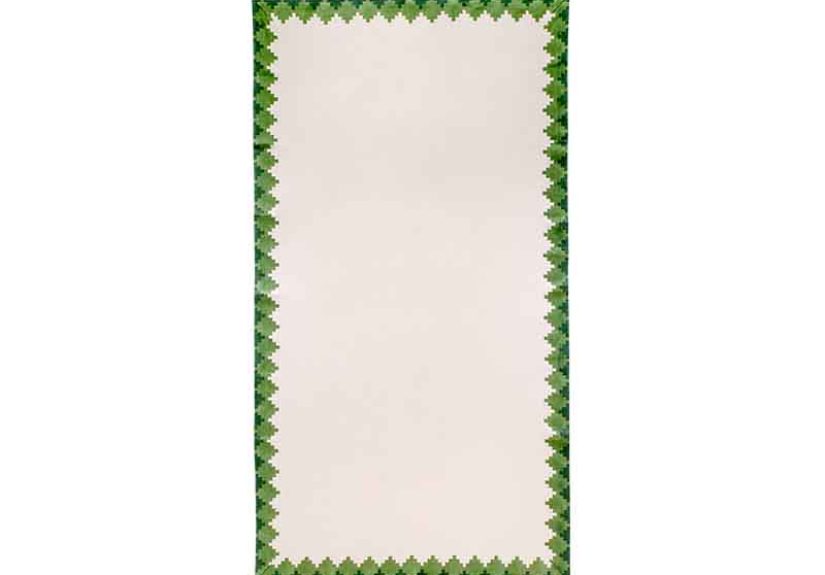
The Old City Linen Tablecloth is a linen tablecloth designed with a travel-postcard energy: inspired by Jaipur’s old city streets, made in pink linen, and finished with a bold green block-printed border. It’s crafted from 100% organic linen and traditionally hand block printed using azo-free, non-toxic dyes.
One commonly listed size is 137 x 245 cm (about 54 x 96.5 inches), which lands in that sweet spot for many American rectangular dining tablesbig enough to feel intentional, not so huge that your guests are wearing it like a lap blanket by dessert.
Why Linen Is the Tablecloth Material That Quietly Wins at Everything
Linen gets recommended over and over for table linens for three simple reasons: it’s durable, it’s easy to live with, and it looks effortlessly elevated even when you did not, in fact, make an effort.
1) It ages like a good cast-iron skillet
Linen tends to soften over time. The more you wash it (correctly), the more it becomes that perfect “broken-in” texturestructured, but not stiff. If you’re the type who wants a tablecloth that improves with use, linen is your people.
2) It’s breathable and not clingy
Linen is made from flax fibers, which naturally breathe. That matters because tablecloths get trapped under hot dishes, warm hands, and the occasional “I’ll just set this down for a second” pan situation. Linen is a calm fabric in a chaotic world.
3) It makes even simple meals look styled
A patterned border like Old City’s gives you “tablescape” energy without needing a full production. You can put out takeout and still look like you own matching serving spoons. (You can buy matching serving spoons later. The tablecloth is doing enough for now.)
How to Choose the Right Size (So Your Tablecloth Doesn’t Look Like a Skirt That Needs Hemming)
Tablecloth sizing is basically geometry plus vibes. The goal is a “drop” (the fabric hanging over the edge) that looks proportional and functions well.
Step 1: Measure your table
- Rectangular/oval: measure length and width.
- Round: measure diameter.
Step 2: Pick your drop length
- Casual everyday: about 8–12 inches of drop.
- Dressier dinners: about 12–15 inches of drop.
- Very formal: longer drops exist, but they’re not great for kids, dogs, or anyone with knees.
Step 3: Do the quick math
For a rectangular table: (table length + 2 x drop) by (table width + 2 x drop). For round tables: (diameter + 2 x drop).
With a size around 54 x 96.5 inches, the Old City Linen Tablecloth can work beautifully for a lot of standard 6–8 seat rectangular tables, especially if you like a modest, modern drop. If your table is extra wide or you want a dramatic drape, you may prefer sizing up (or using the Old City as your “special dinners” cloth where the drop is intentionally tailored and tidy).
Styling the Old City Look in an American Home (Without Turning Your Dining Room into a Theme Park)
The Old City Linen Tablecloth’s signature move is contrast: soft pink base, crisp green border, and artisanal block-print character. Here’s how to make it feel intentionalwhether your home is modern, traditional, farmhouse, or “I have three chairs that don’t match but they have personality.”
Let the border do the work
The border is your built-in frame. Keep your centerpieces low and simple so the pattern stays visible: a shallow bowl of citrus, a cluster of bud vases, or a few taper candles.
Pick a supporting cast, not a rival
- Napkins: creamy white, pale pink, sage, or a stripe that includes green.
- Plates: plain white makes the print pop; stoneware neutrals feel cozy; green-rimmed plates look custom on purpose.
- Flatware: classic stainless keeps it clean; brushed gold leans festive; black flatware gives modern edge.
Use texture like a secret weapon
Linen loves friends with texture: rattan chargers, wood serving boards, ceramic bowls, or even a simple linen runner layered on top (yes, linen-on-linen can be a thingjust keep one piece quieter).
Seasonal ideas that aren’t cheesy
- Spring brunch: tulips, white plates, and a green glass carafe.
- Summer dinner: grilled everything, citrus, and breezy napkins tied with twine.
- Fall hosting: add warm wood, a big salad bowl, and candles to soften the pink into “glow.”
- Winter holidays: evergreen sprigs + brass candlesticks = festive, not frantic.
Care and Feeding of Your Linen Tablecloth (So It Lasts Longer Than Your New Year’s Resolutions)
Linen is tough, but it does have opinionsmainly about heat and harsh chemicals. The good news: if you follow a few rules, care is refreshingly low-drama.
The everyday wash routine
- Shake it out after meals to remove crumbs (your future self will thank you).
- Pre-treat stains before they settle in and become “part of the design.”
- Wash cold or lukewarm on a gentle/delicate cycle.
- Use mild detergent; skip bleach unless the care label explicitly says otherwise (and even then, tread carefully).
- Avoid fabric softener; linen naturally softens with washing.
Drying without heartbreak
High heat is where linen can shrink or lose that gorgeous drape. Air-drying is the safest betespecially for printed linens. If you do use a dryer, choose low heat and pull it out while it’s slightly damp.
Ironing (optional, not a moral requirement)
If you want crisp, iron while the fabric is still damp and use steam. If you don’t want crisp, congratulations: you’ve unlocked linen’s best featurewrinkles that read as “character,” not “neglect.”
How often should you wash it?
If you’re using it regularly, rotating through a couple of tablecloths helps. Even without visible spills, washing weekly (or at least routinely) keeps dust and kitchen “mystery particles” from building up. For special-occasion linens, always wash before storage so stains don’t set while they’re in hiding.
A Real-Life Stain Playbook (Because Life Happens and Pasta Has No Mercy)
Red wine
- Blot immediatelydon’t rub (rubbing is how stains get promoted).
- Salt can help absorb fresh wine while you set up a real clean.
- Cold water rinse from the back of the stain can help push pigment out.
- White vinegar or a gentle stain treatment can help break down pigment.
- Avoid heat until the stain is gone (heat sets it).
Grease (butter, olive oil, “I barely used any”)
A drop of dish soap and a gentle blot can help lift fresh grease. If it’s already set, a targeted stain remover and a rewash on gentle often does the trick. Again: no dryer until you’re sure it’s gone.
Wax
Let it harden completely, then gently scrape. You can place paper towels over the spot and use a warm iron briefly to transfer remaining wax, but go slowlylinen likes heat only when it’s controlled and purposeful.
Why “Organic Linen” and Azo-Free Dyes Actually Matter
Linen already has a reputation as a “buy it once” textile because it’s durable. When you add organic linen and azo-free dyes, you’re signaling an even higher standard of material choice and dye safety practices. The most sustainable tablecloth is often the one you’ll happily use for yearsbecause it survives life and still looks good doing it.
Translation: if a tablecloth becomes your default for weeknight dinners, birthday cakes, and the occasional “we should host more” moment, you’re getting real value out of iteconomically and environmentally.
When Linen Isn’t Your Best Fit (And That’s Okay)
Linen is wonderful, but it isn’t the only path to a good-looking table:
- Linen-cotton blends: often softer and slightly less wrinkly.
- Cotton: easy, familiar, and can be very crisp.
- Performance fabrics: great for outdoor tables or homes with tiny tornadoes (a.k.a. toddlers).
- Runners + placemats: a good compromise if you want style with less fabric to wash.
Quick FAQ
Will it wrinkle?
Yeslinen wrinkles. It’s not a bug, it’s a feature. If you want crisp, iron damp. If you want “effortless,” embrace the texture.
Will it shrink?
Linen can shrink if exposed to high heat, especially if it’s not pre-washed. Cold water washing and low-heat drying (or air-drying) help keep sizing steady.
Can I use it outdoors?
Absolutely. Just expect more frequent washing and be mindful of food oils and sunscreenboth love fabric in a committed way.
Conclusion: Why the Old City Linen Tablecloth Earns Its Place at the Table
The Old City Linen Tablecloth hits that rare combination: it’s visually bold without being loud, artisanal without feeling precious, and practical enough to use more than once a year. The pink-and-green palette brings a fresh, design-forward look, while linen’s durability keeps it grounded in real lifeaka the world where someone always spills something.
If you want one tablecloth that can do weeknight pasta, weekend brunch, and “we’re celebrating something but I don’t want to say what yet,” this is a strong contender. And honestly? If a tablecloth makes you want to light a candle on a random Tuesday, that’s not decor. That’s quality of life.
Experiences With an Old City Linen Tablecloth (The Part Where Real Life Shows Up)
The first time you spread a linen tablecloth like Old City across your table, you notice something weirdly satisfying: the room gets quieter. Not literallyyour family will still be loud, and the dog will still appear the moment you open a cheese package but visually, the table becomes a “scene.” The pink reads soft and welcoming, and the green border feels like it’s outlining the moment: this is where we sit, this is where we land, this is where the day finally slows down.
One of the best everyday wins is how it handles casual meals without looking casual. I’ve seen people use patterned linens only for holidays, like they’re afraid the tablecloth will “run out” if you use it too much. Linen doesn’t work like that. It gets better with repetition. That’s the magic: the cloth starts out crisp-ish, then relaxes into a drape that looks more expensive as time goes on. After a few uses, the tablecloth stops feeling like an “item” and starts feeling like part of the homelike the wooden spoon that somehow makes every soup taste better.
Hosting is where the Old City style really earns its keep. A border print is basically a built-in styling trick: it frames your plates. For a brunch, you can keep everything simplestacked white dishes, a bowl of fruit, a carafe of something coldand the table still looks designed. For dinner, it does that “intentional but not fussy” thing: you can add candles and a salad bowl and suddenly everyone is taking pictures of the table before they take pictures of the food. (They will still take pictures of the food. We live in this timeline now.)
Then comes the moment of truth: a spill. It always happens. The red wine glass tips like it’s auditioning for a soap opera, or a spoonful of pasta sauce lands exactly where you can’t pretend it’s “part of the pattern.” Here’s the experience-based truth: linen is forgiving if you act quickly. Blot first, don’t rub, and don’t panic-dry it in the machine “just to see.” The biggest learning curve with linen isn’t cleaningit’s patience. Air-drying feels slow the first few times, but it’s how you keep the print and drape looking gorgeous. Once you get into that rhythm, stains feel less like disasters and more like chores with a beginning, middle, and end.
There’s also the wrinkle question, which is basically a personality test. Some people iron linen into museum-level flatness. Others lean into the lived-in look. Over time, you realize wrinkles aren’t the enemyrandom creases are. The happy medium is pulling the tablecloth out of the wash while it’s still slightly damp, giving it a good shake, smoothing it with your hands, and letting gravity do the rest. The cloth dries with a relaxed texture that reads “European lunch that accidentally lasted four hours.”
The most charming “experience” with a tablecloth like this is the way it changes routine. When your table looks good by default, you’re more likely to sit down for breakfast instead of hovering at the counter. You’re more likely to invite people over because the base layer of the table is already handled. And you start thinking of meals less like tasks and more like small events even if the event is just Tuesday tacos and a playlist you pretend is curated (but is actually whatever the app suggests). A great linen tablecloth doesn’t make your life perfect. It just makes your table feel ready for it.