Table of Contents >> Show >> Hide
- The simple definition
- What’s typically in duxelles
- Why duxelles tastes so intense
- How to make duxelles
- Classic variations (so you can choose the right “style”)
- What do you actually do with duxelles?
- How to store duxelles (make-ahead friendly)
- Common mistakes (and easy fixes)
- Duxelle vs. duxelles: quick clarity
- A “no-recipe” formula you can remember
- Kitchen Experiences: of Real-World Duxelles Moments
- Conclusion
If you’ve ever bitten into a Beef Wellington and thought, “Wow, this pastry is hiding something delicious,”
there’s a good chance you’ve met duxelleseven if you didn’t get introduced properly.
Duxelles (often spelled “duxelle” in casual conversation) is one of those classic culinary terms that sounds like
a fancy French perfume, but it’s actually a humble, hardworking mushroom mixture that makes other foods taste like
they got a promotion.
This guide keeps things simple on purpose: you’ll get a clear definition, the basic method, why it works,
and plenty of practical examples. No culinary gatekeeping. No mysterious “chef magic.” Just mushrooms doing their
best work.
The simple definition
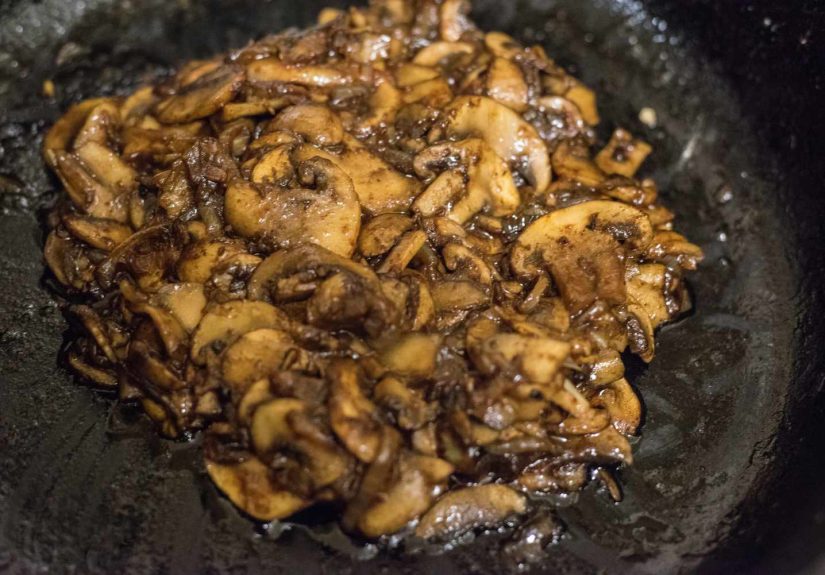
Duxelles (pronounced duck-SELL) is a finely chopped mushroom mixture
cooked with shallots (or onions), usually butter, and often herbs,
simmered until the mushrooms release their water and the mixture reduces into a concentrated, savory paste.
Think of it as a mushroom “flavor concentrate”: earthy, deeply savory, and designed to be tucked into
other dishes as a filling, topping, or base for sauces.
What’s typically in duxelles
Duxelles isn’t one single strict recipeit’s a technique and a category. But classic versions usually include:
- Mushrooms (button, cremini, portobello, shiitake, wild mixesanything flavorful)
- Shallots or onions (shallots are common in many modern recipes)
- Butter (sometimes olive oil is used too)
- Herbs (thyme and parsley are frequent flyers)
- Salt and pepper
Optional upgrades (all common in real-world kitchens): a splash of Madeira, sherry, port, or Cognac,
a little garlic, and sometimes cream for a richer, softer spread.
Why duxelles tastes so intense
Mushrooms are mostly water. Duxelles works because you cook that water outslowly and thoroughlyso what’s left is a
concentrated mash-up of mushroom flavor, browned aromatics, and fat (butter), which carries aroma straight to your
taste buds like it’s riding first class.
This “reduce-until-dry” step is also why duxelles is famous as a Beef Wellington filling:
excess moisture is the enemy of crisp pastry. Cook the mushrooms until the pan is dry and you’re protecting your
puff pastry from soggy heartbreak.
How to make duxelles
The basic method (reliable and repeatable)
-
Chop very finely. Use a knife for rustic texture or a food processor for speed.
The goal is small pieces that cook evenly and reduce into a cohesive mixture. -
Start the mushrooms first. Melt butter (or butter + oil) in a wide pan, add mushrooms,
and cook until they release liquid. -
Cook until dry. Keep going until the moisture evaporates and the mixture looks pasty,
not wet. You want a pan that’s mostly dry, not “mushroom soup.” - Add shallots (and garlic if using). Cook until soft and fragrant.
-
Add herbs, seasonings, and optional wine. If adding wine or spirits, let it cook off
so you keep flavor without raw alcohol bite. - Cool before using as a filling. Especially important for pastry-based dishes.
Pro tips that make a big difference
- Use a wide pan. More surface area = faster evaporation = better texture.
-
Don’t rush the dry-down. The “done” moment is when the mixture clumps together
and the pan stops looking steamy-wet. -
Want extra insurance for pastry? Some traditional approaches squeeze chopped mushrooms
to remove liquid before cooking, then sauté and reduce. - Season at the end, then adjust. Reduction concentrates salt, tooso taste once it’s reduced.
Classic variations (so you can choose the right “style”)
1) Dry duxelles
The most Wellington-friendly version: cooked down until fairly dry and paste-like. Ideal for stuffing pastries,
layering under proteins, and adding to fillings where moisture matters.
2) Creamy duxelles
Some recipes add cream for a softer, richer spreadgreat for toast points, crostini,
or stirring into pasta sauces.
3) Wine-boosted duxelles
A splash of Madeira, sherry, port, or even Cognac is common. The key is to add it and then cook it off,
leaving behind a subtle sweetness and complexity rather than boozy fumes.
4) “Whatever mushrooms you’ve got” duxelles
Wild mushrooms (or a blend) can deepen the flavor, while button mushrooms keep things mild and budget-friendly.
Mixing cremini + shiitake is a popular “middle path”: more depth, still easy to find.
What do you actually do with duxelles?
Duxelles is a supporting actor that steals scenes. Here are practical, real-kitchen uses:
Beef Wellington (and its cousins)
The headline job: duxelles is spread as a layer to add savory flavor and help manage moisture inside pastry-wrapped
roasts. You’ll see it in classic beef Wellington and also in variations like salmon Wellington.
Burgers and meat-mushroom blends
Finely cooked mushrooms can add richness and juiciness to burgers and meatloaf mixtureslike a stealth umami boost.
Some chefs use duxelles specifically as the mushroom component in blends.
Eggs that taste like you tried
Fold duxelles into omelets, scrambled eggs, or frittatas. You get that “restaurant mushroom” vibe without needing
a side quest. (Also: it pairs beautifully with goat cheese, Gruyère, or cream cheese.)
Sauces, soups, and pan gravies
Stir a spoonful into a cream sauce, add to a pan gravy, or use as a base flavor for mushroom soup.
Since it’s already reduced, it integrates quickly and brings depth without adding extra water.
Stuffing and filling powerhouse
Use it for stuffed chicken breasts, stuffed vegetables, savory tarts, ravioli fillings, or folded into breadcrumbs
for a more flavorful stuffing. It’s basically “mushroom seasoning” that happens to be edible by the spoonful.
Spreads and appetizers
Spread duxelles on crostini, stir into soft cheese, or tuck into phyllo cups. It’s the kind of appetizer filling
that makes people hover near the tray like it’s giving out secrets.
How to store duxelles (make-ahead friendly)
- Refrigerator: Store in an airtight container for several days. Let it cool first.
- Freezer: Portion into small amounts (tablespoon “flavor bombs” work great), then freeze.
- Reheating: Warm gently in a pan. If it loosens and looks wet, cook a minute longer to re-dry.
Freezing is especially practical if you buy mushrooms in heroic quantities and then realize you are, in fact,
only one human. Epicurious even frames duxelles as a smart way to preserve extra mushrooms for later cooking.
Common mistakes (and easy fixes)
Mistake: Stopping too soon
If your duxelles looks shiny-wet or you can spoon liquid out of the pan, it’s not finished. Keep cooking.
The fix is simple: more time, medium heat, stir occasionally.
Mistake: Overcrowding the pan
Too many mushrooms at once steam instead of sauté. Cook in batches or use a wider pan so moisture can evaporate.
Mistake: Under-chopping
Big pieces don’t reduce evenly. If you want a true paste-like consistency, chop finer (or pulse briefly in a
food processor, then finish with a knife if needed).
Mistake: Using it hot in pastry
Hot filling + pastry = melted fat + steam = texture problems. Cool it first, especially for Wellington-style wraps.
Duxelle vs. duxelles: quick clarity
Most cookbooks and culinary references use duxelles to name the preparation. You will sometimes see
“duxelle” used informally, but if you’re aiming for the standard culinary term, duxelles is the one
to know.
A “no-recipe” formula you can remember
When you don’t want to measure (or you’re measuring with your heart), try this:
- 1 pound mushrooms, very finely chopped
- 1–2 shallots, minced
- 2–3 tablespoons butter (plus a little oil if you like)
- Herbs (thyme + parsley is classic)
- Salt and pepper
- Optional: splash of wine/fortified wine; optional spoon of cream
Cook mushrooms until dry, then add shallots and herbs, season, and reduce again if needed. That’s the heart of it.
Kitchen Experiences: of Real-World Duxelles Moments
The first “experience” many home cooks have with duxelles is accidental: you’re following a recipe for something
impressiveWellington, stuffed chicken, a fancy tartand suddenly you’re asked to cook chopped mushrooms “until
completely dry.” You think, “Surely they mean mostly dry.” Then the mushrooms release what feels like an
entire rainstorm into your pan, and you realize this is less a step and more a life lesson.
There’s a particular satisfaction to watching the transformation. At the start, chopped mushrooms look like a bowl
of humble, slightly squeaky confetti. Ten minutes later, the pan is steamy, the mushrooms are slumping, and you’re
stirring a puddle. This is the moment when patience pays rent: if you keep cooking, the water evaporates, the aroma
gets deeper, and the mixture starts to tighten. Suddenly it becomes spoonable and cohesivelike the mushrooms got
their act together and decided to be useful.
Duxelles also has a funny way of changing how you cook for the week. Once you have a container in the fridge,
you start adding it to everythingnot because you’re showing off, but because it makes ordinary food taste like it
had a plan. A Tuesday omelet becomes “mushroom-herb omelet with duxelles.” A quick pasta sauce becomes “creamy
mushroom pan sauce.” Even a grilled cheese gets a glow-up when you spread a thin layer inside; it’s like umami
insurance.
Another common duxelles experience is learning how little you actually need. A full pound of mushrooms cooks down
dramatically, but the flavor concentrates so much that a tablespoon can do real work. People often discover that
duxelles is best used like a seasoning or filling componentlayered thinly, mixed into something else, or tucked
into pastry where it can shine without turning the dish into “mushroom paste: the sequel.”
And then there’s the “Wellington moment,” when you realize duxelles is partly about texture control. The first time
someone makes a Wellington-style dish, they often worry about overcooking the meat or tearing the pastry. Later,
they learn the sneaky villain is moisture. Properly cooked duxelles acts like a savory buffer: it brings flavor,
but it also helps protect crisp layers by not leaking water into them. That’s when duxelles stops being a random
French word and becomes a trusted kitchen trick.
In the end, the most relatable duxelles experience is this: you make it once for a “special” dish, then you keep
making it because it quietly improves the everyday ones. It’s not flashy. It doesn’t need garnish. It just shows
up, does its job, and makes dinner taste like you know a few secrets.
Conclusion
Duxelles is simple: finely chopped mushrooms cooked down with aromatics until concentrated and paste-like.
But the results are anything but boring. Once you understand the core idearemove moisture, concentrate
flavoryou can make duxelles with whatever mushrooms you love, tailor it for pastry or sauce, and use it
as a weeknight shortcut to “fancy” flavor.
So the next time you see “duxelles” in a recipe, don’t panic. It’s not a test. It’s just mushrooms, getting
their MBA in deliciousness.