Table of Contents >> Show >> Hide
- Yuba, Tofu Skin, Bean Curd Sheets: Are These the Same Thing?
- How Yuba Is Made (and Why It’s Not Technically Tofu)
- Types of Yuba: Fresh, Dried, Sheets, Sticks, and “Noodles”
- What Does Yuba Taste Like?
- Where Yuba Shows Up in Cooking
- How to Buy and Store Yuba
- How to Cook With Yuba (Without Turning It Into Sad Paper)
- Is Yuba Healthy? Nutrition and Dietary Notes
- FAQ: Quick Answers About Yuba
- In the Kitchen: Real-World Experiences With Yuba (Extra Section)
- Conclusion: Yuba Is Soy Milk’s Best Glow-Up
If tofu is the reliable friend who always shows up with snacks, yuba is tofu’s stylish cousin who arrives wearing a silk scarf and somehow
makes plain soybeans feel fancy. Yuba (pronounced YOO-bah) is commonly called tofu skin, but that name is a little misleading:
it’s not “skin” peeled off tofu. Instead, it’s the delicate film that forms on the surface of hot soy milk. That film gets lifted,
folded, rolled, or dried into different shapesthen cooked into dishes that range from silky and elegant to satisfyingly chewy.
You’ll see yuba in Japanese cuisine (especially in Kyoto), in Chinese cooking (often as dried “bean curd sticks”), and increasingly in modern plant-forward
cooking because it’s versatile, high in protein, and great at delivering texture. Whether you’re new to yuba or you’ve already spotted it in an Asian
grocery store and thought, “Is this edible parchment?”you’re in the right place.
Yuba, Tofu Skin, Bean Curd Sheets: Are These the Same Thing?
Sometimes yes, sometimes noand this is where many first-time yuba buyers get bamboozled by packaging.
-
Yuba (tofu skin / soy milk skin): the thin film lifted from heated soy milk. It can be fresh, frozen, or dried into sheets, knots,
“noodles,” or sticks. -
Dried bean curd sticks (often labeled “fu zhu” or “foo jook”): a common dried form made from soy milk skin that’s folded and dried into
crinkly sticks. These rehydrate into a chewy, sponge-like texture. -
Tofu sheets (sometimes labeled “bean curd sheets”): in some stores, these can mean pressed tofu sheets (a different product). They’re
thicker and more “tofu-like” than true yuba.
The takeaway: if you’re buying “tofu skin,” look for clues like film/skin from soy milk, yuba, or bean curd stick. If the
product looks dense and uniformly pressed like a thin tofu slab, it may be a tofu sheet rather than classic yuba. (Still tastyjust a different texture and
cooking behavior.)
How Yuba Is Made (and Why It’s Not Technically Tofu)
Yuba starts with soybeans, but the method is closer to making “soy milk skin” than making tofu curds. When soy milk is gently heated in an open pan or vat,
proteins and fats gather at the surface and form a thin layer. That layer is carefully lifted offoften repeatedly, as new layers formthen eaten fresh or
dried for storage.
Here’s the cool part: yuba doesn’t require a coagulant (like calcium sulfate or magnesium chloride), which is what turns soy milk into tofu
curds. Yuba forms through heat and timebasically the soy milk version of that skin that forms on hot cocoa… except, you know, delicious on purpose.
Types of Yuba: Fresh, Dried, Sheets, Sticks, and “Noodles”
Yuba comes in multiple forms, and each one shines in different dishes. Think of yuba as an ingredient family with shared DNA but very different personalities.
Fresh yuba (refrigerated or frozen)
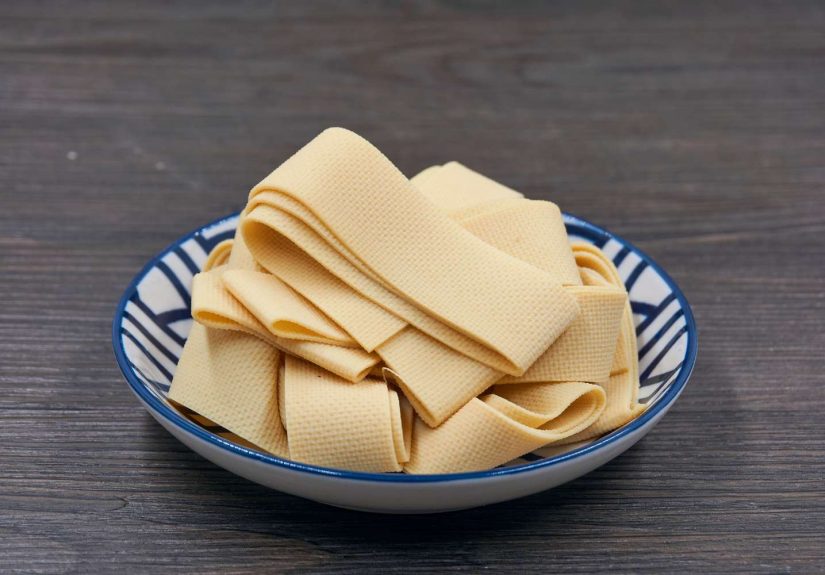
Fresh yuba is soft, pliable, and often sold folded into layers. It can be sliced into ribbons (hello, “yuba noodles”), torn into rustic pieces for soups,
or used as a tender wrapper. Fresh yuba tends to have a gentle sweetness and a lightly nutty soy aroma.
Dried sheets
Dried yuba sheets look like thin parchment and can be rehydrated into flexible wrappers. This is where yuba becomes a culinary multi-tool: spring-roll style
wraps, stuffed rolls, layered bakes, or torn into braises.
Dried bean curd sticks
These are the crinkly sticks that puff and soften after soaking. They’re beloved in braises, stews, hot pot, and stir-fries because they develop a hearty,
chewy bite and soak up sauce like they’re getting paid per ounce.
Knots, rolls, and specialty cuts
You may also find yuba tied into knots (great for simmered dishes), rolled into logs, or shaped into mock-meat styles. Specialty yuba is common in Buddhist
vegetarian cooking because it can create satisfying, meaty textures without actually being meat.
What Does Yuba Taste Like?
Yuba tastes like concentrated soy milk: mild, slightly nutty, sometimes faintly sweet, and deeply savory once it meets salt, soy sauce, or
broth. Texture is the real headline:
- Fresh yuba: silky, tender, lightly elastic.
- Rehydrated dried sheets: pliable, chewy, great for wrapping.
- Rehydrated sticks: chewy-spongy, sauce-loving, hearty.
If tofu is a blank canvas, yuba is a canvas that already comes with texturelike it’s pre-embossed for your convenience.
Where Yuba Shows Up in Cooking
Yuba is used across East Asian cuisines (and increasingly beyond), but two big culinary “homes” are Japanese and Chinese cooking. The ingredient is also popular
in plant-based menus because it’s naturally gluten-free and high in protein (though always check labels for added seasonings or sauces).
Yuba in Japanese cuisine
In Japan, yuba is especially associated with Kyoto and temple cuisine. You might see it served fresh as delicate ribbons, simmered in dashi,
or layered into refined dishes where texture is treated like an art form. Some preparations highlight yuba’s soft, creamy sidealmost like a savory custard
vibe without the eggs.
Yuba in Chinese cuisine
In Chinese cooking, yuba often appears as dried bean curd sticks in braises, stews, hot pot, and stir-fries. After soaking, the sticks
become chewy and absorb sauces beautifully. Yuba is also used as a wrapper in dim sum-style rolls, adding structure and a crisp or tender bite depending on
how it’s cooked.
How to Buy and Store Yuba
Where to find it
Your best bet is an Asian grocery store (Chinese, Japanese, Korean, or pan-Asian markets). Well-stocked supermarkets may carry fresh yuba
near refrigerated tofu. Dried yuba is often in the aisle with dried mushrooms, noodles, and soup ingredients.
Storage basics
- Fresh/refrigerated yuba: keep cold and use by the package date; once opened, treat it like fresh tofu (use promptly).
- Frozen yuba: keep frozen until needed; thaw in the fridge for best texture.
- Dried yuba: store airtight in a cool, dry place. It’s pantry-friendly and long-lasting.
How to Cook With Yuba (Without Turning It Into Sad Paper)
Yuba is easy once you know what form you’re working with. The biggest learning curve is simply: don’t treat all yuba the same.
How to rehydrate dried yuba sheets
- Break or cut sheets into workable sizes (or leave whole if you’re wrapping).
- Soak in warm water until pliable. This can take a few minutes to 20+ minutes depending on thickness.
- Gently rinse if needed, then squeeze out excess water (don’t wring like you’re mad at it).
Once rehydrated, yuba sheets can be sliced into ribbons for stir-fries and salads, layered like pasta, or used as wrappers for baked or fried rolls.
How to rehydrate dried bean curd sticks
Soak the sticks in warm-to-hot water until they soften. Some cooks like adding a tiny pinch of baking soda to help tenderize (optionaluse sparingly). After
soaking, drain well. From there, yuba sticks are excellent in braises, soups, and stir-fries.
Easy, beginner-friendly yuba ideas
- Yuba “noodles”: slice fresh yuba into ribbons and toss with sesame sauce, chili crisp, scallions, and cucumbers.
- Quick stir-fry: rehydrated yuba + garlic + greens (bok choy, broccoli) + soy sauce + a splash of rice vinegar.
- Soup booster: add torn yuba to miso soup, vegetable soup, or a gingery broth for extra body.
- Crispy wrappers: use rehydrated sheets to wrap a veggie filling, then bake or pan-fry until crisp.
Common yuba mistakes (and how to avoid them)
- Over-soaking: yuba can get overly soft or mushy if left too long. Soak just until pliable.
- Boiling it aggressively: yuba prefers gentle simmering, especially in broths or braises.
- Skipping the squeeze: waterlogged yuba dilutes sauces. Drain and gently press out excess water.
- Expecting it to taste like chicken: yuba is great at texture, but flavor comes from seasoning and sauce.
Is Yuba Healthy? Nutrition and Dietary Notes
Yuba is often described as a protein-rich plant food because it’s essentially concentrated soy proteins (and some fats) collected from soy
milk. Dried yuba products can be especially protein-dense compared with many other plant ingredients, while fresh yuba is lighter and more delicate. Because
yuba is made from soy, it also contributes nutrients naturally found in soybeans.
A few practical notes:
- High-protein option: useful for plant-based eaters who want texture and satiety.
- Allergy alert: it’s soy, so it’s not suitable for people with soy allergies.
- Sodium varies: plain yuba is mild, but prepared yuba dishes can be salty depending on sauces and broths.
- “Healthy” depends on the prep: braised in a light broth vs. deep-fried wrappersboth valid, just different vibes.
FAQ: Quick Answers About Yuba
Is yuba the same as tofu?
Not exactly. Both come from soy milk, but tofu is made by coagulating soy milk into curds, while yuba forms as a film on heated soy milk and is lifted off.
Does yuba need to be cooked?
Many fresh yuba products are ready to eat (especially in salads or chilled dishes), but it’s commonly cooked to improve texture and soak up flavor. Dried yuba
should be rehydrated and usually cooked.
Is yuba gluten-free?
Yuba itself is typically gluten-free, but always check packaging for additives and watch for sauces (like some soy sauces) in prepared foods.
What’s the easiest way to start with yuba?
Try fresh yuba ribbons tossed in a sesame dressing or add rehydrated yuba sticks to a simple ginger-soy braise. Both are
forgiving and delicious.
In the Kitchen: Real-World Experiences With Yuba (Extra Section)
The first “yuba experience” many people have isn’t eating itit’s standing in an aisle holding a package and asking, “Okay… what am I looking at?”
If you’ve ever brought home dried yuba sheets that looked like edible stationery, congratulations: you’re officially part of the club. The good news is that
yuba is far less intimidating once you’ve watched it transform in water. One of the most common first-time reactions is surprise at how quickly a rigid sheet
becomes flexiblelike it goes from “ancient scroll” to “dumpling wrapper” in a single soak.
Another shared experience: realizing yuba is a texture ingredient as much as it’s a protein. People often expect it to behave like tofumild,
soft, and easily crumbled. Instead, yuba can be elastic, chewy, and springy, especially when sliced into ribbons. That “bouncy” bite is why it shows up as
noodle-like strips in modern recipes: it gives you that satisfying slurp-and-chew moment without relying on wheat noodles.
Home cooks also tend to discover yuba’s superpower the moment it meets sauce. A classic “aha” is adding rehydrated bean curd sticks to a braise and watching
them soak up broth like little flavor sponges. In stews and hot pot, yuba turns into the ingredient everyone fights overnot because it’s loud, but because it
quietly becomes the richest-tasting bite in the bowl.
There’s also a very real learning moment around handling. Fresh yuba is delicate, and beginners sometimes treat it like a tortillafolding and
stretching until it tears. The more successful approach is gentler: support it with both hands, fold loosely, and let it relax. Dried yuba can crack if you
force it before it’s fully softened, so patience pays off. Many cooks end up describing yuba as “forgiving” once rehydrated, but “dramatic” when it’s still
drylike a cat that doesn’t want to be picked up.
Finally, people often remember their first yuba dish because it feels like a culinary cheat code. You can make a plant-based meal feel hearty without trying to
imitate meat too literally. Slice yuba into ribbons, toss it with sesame, chili, and crunchy vegetables, and it suddenly feels like you ordered takeout from a
place that knows what it’s doing. Wrap mushrooms and scallions in a yuba sheet, crisp it in a pan, and you get that golden exterior that makes everyone at the
table ask, “Waitwhat is this?” (That’s your cue to say, casually, “Oh, just yuba,” and pretend you’ve been doing this for years.)
Conclusion: Yuba Is Soy Milk’s Best Glow-Up
So, what is yuba? It’s the tender, chewy, flavor-friendly film formed on heated soy milksold fresh, frozen, or dried into sheets and sticks
that can become noodles, wrappers, braises, soups, and crispy rolls. If you love ingredients that deliver big texture with minimal fuss, yuba is worth adding
to your pantry (or fridge). Start simple, season boldly, and remember: yuba doesn’t need to be complicated to be impressive.