Table of Contents >> Show >> Hide
- Why Modern Farmhouse Still Works When It Evolves
- 1. Warm Up the Color Palette
- 2. Mix Rustic Pieces With More Refined Furniture
- 3. Retire the Obvious Farmhouse Clichés
- 4. Bring in Darker Woods and Real Patina
- 5. Add Pattern, Wallpaper, and a Little Whimsy
- 6. Update Hardware and Lighting for a More Collected Look
- 7. Style With Vintage Art and Collected Accessories
- 8. Soften the Silhouettes and Layer Texture
- Common Mistakes to Avoid When Updating Modern Farmhouse Style
- Real-Life Experience: What Happens When You Actually Update a Modern Farmhouse Home
- Conclusion
- SEO Tags
Modern farmhouse style has had a long run for a reason. It feels relaxed, familiar, and welcoming in a way many trendier looks never quite manage. It gives you cozy textures, practical finishes, and rooms that seem to say, “Yes, you may absolutely put your coffee here.” But if your space still leans heavily on bright white walls, black metal everything, and enough shiplap to start a lumberyard, it may be time for a refresh.
The good news is that updating modern farmhouse style does not require a total personality transplant. You do not need to wake up tomorrow and become a full-time minimalist, a Paris apartment collector, or a person who casually says things like, “We’re really leaning into Belgian restraint this season.” What you do need is a more layered, lived-in, and thoughtful version of farmhouse decor.
Today’s designer-approved farmhouse update is warmer, softer, and far more personal. Instead of copying a formula, the best interiors borrow the most timeless farmhouse ideas, then mix in refinement, history, color, and comfort. Here are eight smart ways to make modern farmhouse style feel fresh again.
Why Modern Farmhouse Still Works When It Evolves
The modern farmhouse look became wildly popular because it combined rustic charm with clean lines. It made homes feel approachable. Apron-front sinks, wide-plank floors, wood beams, shaker cabinets, open shelving, and neutral colors created a style that felt practical without being boring. The problem came when the look became too predictable.
When every room relies on the same black-and-white palette, the same mass-produced signs, and the same weathered faux-rustic accessories, the result can feel more staged than soulful. The updated version of modern farmhouse keeps the comfort but loses the costume. That means more depth, better contrast, natural patina, and details that actually reflect the people living there.
1. Warm Up the Color Palette
Trade crisp contrast for something softer and richer
If your current farmhouse room looks like it was assembled using only white paint and black hardware, start here. One of the easiest ways to update modern farmhouse style is to move away from stark black-and-white contrast and bring in warmer tones.
Think creamy whites instead of icy ones. Think mushroom, clay, oat, putty, caramel, olive, deep blue, and muted terracotta. These shades still feel grounded and natural, but they create more depth and comfort. A warm neutral backdrop also makes wood beams, antique pieces, and handmade materials look intentional rather than decorative.
In a kitchen, this might mean painting the island a moody green or soft brown. In a living room, it could be as simple as swapping bright white pillows for flax linen, rust velvet, or a checked wool throw. Farmhouse style should feel like a hug, not a dental office.
2. Mix Rustic Pieces With More Refined Furniture
Balance is what keeps the style from feeling heavy
One common farmhouse mistake is using too many rustic elements at once. A chunky wood coffee table, distressed console, barn-door cabinet, spindle chairs, and reclaimed shelves can quickly turn a room into a theme park gift shop with excellent lighting.
Designers are updating modern farmhouse interiors by balancing rougher materials with cleaner, more polished pieces. Pair a rustic dining table with upholstered dining chairs. Let exposed beams share the room with a tailored sofa. Keep a vintage pine dresser, but top it with a modern lamp or abstract art.
This contrast gives farmhouse decor a more collected feel. It also lets statement pieces breathe. When everything is rustic, nothing stands out. When rustic and refined sit together, both look better.
3. Retire the Obvious Farmhouse Clichés
Yes, this includes the signs
Some elements of farmhouse style have simply been overused. Word art, mass-market faux-distressed furniture, sliding barn doors in homes that do not need them, and identical matte black fixtures throughout every room can make your space feel dated fast.
Updating modern farmhouse style means editing out the pieces that feel too on-the-nose. You do not need a sign that says “Gather” in the dining room. The table already gave that away. You also do not need every finish to match perfectly. Real homes have a little tension, and that is a good thing.
Instead, replace cliché decor with objects that suggest character rather than announce it. A stack of old cookbooks, a vintage croc, a painted cabinet, or framed antique art will do far more for the room than a decorative sign ever could.
4. Bring in Darker Woods and Real Patina
A little age makes the room feel more believable
For years, farmhouse spaces leaned hard into pale wood, whitewashed finishes, and faux weathering. The new direction is richer. Mid-tone and darker woods bring a sense of substance that helps modern farmhouse interiors feel less trendy and more timeless.
Walnut, stained oak, chestnut, and antique pine add warmth and visual weight. A darker wood hutch can ground a bright kitchen. A timeworn dining table can make a new-build house feel less generic. Patina matters too. Not fake “I bought this last Tuesday but made it look tired” patina. Real age, real wear, real texture.
This is one reason vintage and antique furniture work so well in farmhouse homes. They soften new construction, add history, and help the room avoid that showroom-perfect look. You are not trying to make the house look old. You are trying to make it feel lived in.
5. Add Pattern, Wallpaper, and a Little Whimsy
Farmhouse does not have to mean plain
If your version of modern farmhouse has become a sea of solids, give it some life with pattern. Designers are using wallpaper, striped textiles, checked fabrics, floral prints, and folk-inspired accents to make farmhouse rooms feel more personal and less expected.
A floral wallpaper in a powder room can instantly soften the architecture. A striped runner in the kitchen adds movement without overwhelming the space. A plaid pillow, block-print curtain, or small-scale botanical fabric can wake up a neutral room that has started to feel sleepy.
The key is moderation. You are not trying to turn the house into a maximalist carnival. A few thoughtful layers of pattern can keep a farmhouse room from feeling flat, especially when the architectural shell is simple.
6. Update Hardware and Lighting for a More Collected Look
Small details can change the entire mood
Nothing dates a space faster than default finishes used everywhere. Matte black had a huge moment, but when every faucet, pull, sconce, and pendant is black, the room can start to feel predictable. Updated modern farmhouse style leans into hardware and lighting with more nuance.
Try aged brass, unlacquered brass, oil-rubbed bronze, iron with warmth, or even mixed metals used intentionally. A brass bridge faucet, antique-style sconces, or a lantern with a softer profile can make a kitchen or bathroom feel far more layered.
Lighting is also a powerful upgrade tool. Farmhouse spaces look fresher when they include unexpected fixtures such as pleated shades, vintage-inspired pendants, sculptural chandeliers, or library-style lamps. Good lighting adds polish. Great lighting adds story.
7. Style With Vintage Art and Collected Accessories
Personality beats perfection every time
One reason farmhouse interiors sometimes fall flat is that the accessories are too coordinated. A perfectly matched set of neutral vases is tidy, sure, but it can also feel a little sleepy. The updated farmhouse home looks more collected over time.
That might mean hanging antique landscapes, mixing old ceramics with new bowls, or layering flea market finds with contemporary pieces. A farmhouse room becomes more interesting when it contains a few surprises: a modern painting above a reclaimed mantel, a folk-art chest in the entry, a vintage brass lamp on a clean-lined console.
This is how you keep the style from becoming generic. The most beautiful farmhouse rooms are not built from a catalog page. They feel edited, but they also feel human.
8. Soften the Silhouettes and Layer Texture
Comfort should show up in both shape and touch
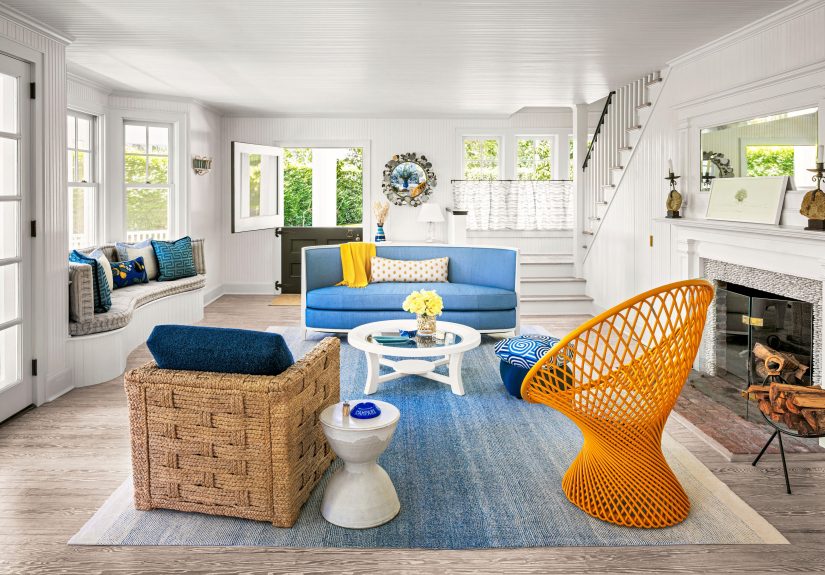
Older versions of modern farmhouse often focused so much on the rustic shell that the furnishings felt too stiff. Designers are now softening the look with curved chairs, slipcovered seating, rounded lamps, nubby textiles, woven shades, linen drapery, plaster finishes, and tactile rugs.
Texture is what keeps a neutral room interesting. In fact, if you love farmhouse style but are not ready to add much color, texture can do most of the work for you. Combine wood, linen, wool, leather, wicker, stone, ceramic, and metal so the room feels layered without looking cluttered.
Soft silhouettes also help balance angular architecture such as beams, paneling, and shaker cabinetry. A curved accent chair next to a heavy wood table creates that sweet spot between structure and comfort. Modern farmhouse should feel relaxed enough for real life, not like everyone has to sit up straight and protect the throw pillows.
Common Mistakes to Avoid When Updating Modern Farmhouse Style
Even good design ideas can go sideways when they are overdone. Keep these pitfalls in mind as you refresh your home:
- Do not replace every neutral with trendy color at once. Start with one room or one anchor piece.
- Do not buy “vintage-looking” accessories in bulk. A few authentic pieces are better than twenty fake ones.
- Do not let every wood tone match. Variation creates depth.
- Do not confuse farmhouse with clutter. Collected is good. Crowded is not.
- Do not erase everything you already own. The best updates are layered, not theatrical.
Real-Life Experience: What Happens When You Actually Update a Modern Farmhouse Home
In real homes, the shift away from old-school modern farmhouse usually begins with one small frustration. A homeowner stands in the kitchen and realizes the room looks clean but somehow cold. Or they sit in the living room and notice everything matches, yet nothing feels memorable. The style is not wrong, exactly. It is just too rehearsed.
One of the most common experiences people have is discovering that warmth changes everything faster than square footage ever could. A room with white walls, black pendants, and gray-washed wood may seem safe on paper, but once a creamy paint color, vintage runner, and wood stool with actual age enter the picture, the space starts to exhale. It feels less staged and more settled.
Another big lesson is that texture often matters more than color. Many homeowners assume they need a dramatic makeover, when in reality the room only needs more touchable materials. A linen shade, a wool rug, an old crock on the counter, and a leather dining cushion can make a farmhouse interior feel ten times more inviting without changing the entire palette.
People also tend to realize that matching sets are the enemy of charm. The moment a farmhouse bedroom swaps identical nightstands for two different pieces with similar scale, the room gains personality. When a dining room adds a vintage hutch instead of another new distressed cabinet, it suddenly looks like someone has lived there for more than a weekend. Those collected-over-time details are what make modern farmhouse style feel authentic.
There is also usually a funny moment of reckoning with decor that once felt essential. The sign above the pantry. The tiny metal windmill on the shelf. The aggressively distressed bench no one enjoys sitting on. Once homeowners start editing, they often realize they were never attached to those items in the first place. They were attached to the idea of the style. That is a helpful distinction.
The best part of the update is that it rarely requires blowing up the whole house. A farmhouse kitchen can feel current with a softer wall color, warmer metal finishes, and better lighting. A living room can feel transformed by replacing factory-made “rustic” accessories with books, art, baskets, and one great antique table. A bedroom can move from basic to beautiful with patterned bedding, a textured rug, and one unexpected piece of furniture.
Over time, people usually report the same result: the house feels calmer, richer, and more like them. The updated modern farmhouse look still delivers comfort, but with more depth and less formula. It stops trying so hard to read as a trend and starts working like a home. And that, more than any specific paint color or pendant light, is what gives the style lasting power.
Conclusion
Modern farmhouse style does not need to disappear. It just needs to grow up a little. The best designer-approved updates keep the bones of the look that people love, then layer in warmth, refinement, character, and a few unexpected choices. That means softer palettes, richer woods, better hardware, vintage pieces, textured materials, and rooms that look collected rather than copied.
If your home still loves farmhouse style, let it. Just give it more nuance. A space can be cozy without being cliché, polished without being precious, and rustic without trying to cosplay as a barn. That sweet spot is where the updated modern farmhouse look really shines.