Table of Contents >> Show >> Hide
There are few things on the internet more reliable than animals meeting snow for the first time and reacting as if the sky has personally betrayed them. One second, a dog is strutting outside like the mayor of the backyard. The next, it’s doing a dramatic freeze-frame because the ground has turned cold, white, crunchy, and deeply suspicious. Cats look offended. Rabbits look confused. Goats act like they accidentally stepped into whipped cream. And somewhere, a husky is smiling like it just got promoted.
That contrast is exactly what makes first-snow animal reactions so funny, so relatable, and weirdly heartwarming. Snow is not just “cold stuff.” For animals, it is a full sensory event. It changes smell, sound, texture, footing, visibility, and routine all at once. Some animals treat it like a magical playground. Others react like management failed to approve this weather.
This article rounds up the funniest, cutest, and most revealing kinds of first-snow animal moments while also explaining what those reactions actually mean. Because behind every priceless expression is a little animal-behavior story: surprise, curiosity, caution, instinct, or pure chaotic joy. So yes, we are absolutely here for the adorable faces. But we are also here for the science, the psychology, and the very real reason some pets turn into snow rockets while others become tiny, shivering union organizers.
Why Animals React So Dramatically to First Snow
Snow changes an animal’s world in seconds. Familiar smells get buried. Grass disappears. The ground feels colder, softer, or slipperier than usual. Sounds are muffled. Footprints appear everywhere like mysterious evidence. For a pet or animal that has never seen snow before, the experience can be thrilling, unsettling, or both at the same time.
It’s a Sensory Shock
Animals rely heavily on scent, touch, and pattern recognition. A new snowfall covers scent trails, changes walking surfaces, and creates a visual landscape that can look almost alien. That is why first reactions are often exaggerated: intense sniffing, hopping, paw shaking, zoomies, or the classic “I would like to go back inside immediately” stare.
Breed, Species, Age, and Coat Matter
Not all animals are built for winter in the same way. Thick-coated, cold-tolerant breeds may treat snow like a personal theme park, while short-haired or small pets may lose enthusiasm after about seven seconds. Age matters too. Puppies may be all curiosity and bad decisions. Senior pets may be more cautious. Cats, as usual, may respond with a face that says, “This meeting could have been an email.”
Some Animals Truly Love Snow
Cold-adapted animals often become more active in winter conditions. That is why zoo staff frequently share wonderful scenes of pandas rolling, otters romping, red pandas exploring, and big cats looking downright majestic in fresh powder. Meanwhile, animals from warmer climates may inspect snow like it is a legal dispute.
50 Times Animals Experienced Snow for the First Time
- The “What happened to my lawn?” face. A dog steps outside expecting grass and instead finds a white blanket covering its usual bathroom, snack, and squirrel-observation station. Betrayal is immediate.
- The cautious paw tap. One paw goes down. It comes right back up. The expression says, “Cold. Very cold. Why is the floor refrigerated?”
- The bunny hop of disbelief. Rabbits encountering snow for the first time often bounce with a mix of excitement and confusion, as if they’ve discovered marshmallow terrain with bad traction.
- The cat-at-the-window judgment panel. Indoor cats don’t even need to step outside. One glance through the glass is enough for them to conclude winter was a terrible idea.
- The puppy snow-snort. Curious puppies lower their noses into powder, inhale a little too confidently, then jerk back with the realization that snow is not, in fact, fluffy air.
- The zoomies of absolute freedom. Some dogs react to fresh snow as though the universe built them a private racetrack overnight. Running becomes less of an activity and more of a moral obligation.
- The dramatic statue pose. A tiny dog in a big yard turns still for several seconds, apparently trying to process why the earth is cold and crunchy and mildly offensive.
- The face-plant test. A dog dives muzzle-first into a snowbank with the confidence of an action hero and emerges looking both delighted and slightly confused.
- The goat trampoline moment. Goats don’t always walk through first snow. Sometimes they spring through it like caffeinated gymnasts auditioning for a winter talent show.
- The horse snort of suspicion. Horses often investigate new ground conditions carefully, blowing warm air over the surface as if trying to negotiate with the weather.
- The “No thanks” senior dog shuffle. Older pets may prefer a brief sniff, a practical bathroom break, and a quick return to central heating. Honestly, relatable.
- The tail-chasing excitement spiral. Some dogs get so overstimulated by snow that they don’t know whether to run, dig, bark, or chase their own tail. So they try all four.
- The chicken tiptoe. Chickens stepping into snow often look personally inconvenienced, lifting their feet like they’ve stumbled onto nature’s coldest apology.
- The duck that approves immediately. Water-loving birds can be surprisingly casual about cold weather, often giving the impression that everyone else is overreacting.
- The llama side-eye. A llama surveying snowy ground has a very specific expression: calm, skeptical, and somehow deeply superior.
- The pig nose-plow. Pigs love rooting, and fresh snow offers a strange new layer to investigate. Their enthusiasm looks like determined landscaping with bonus snorts.
- The tiny dog in a sweater who still hates everything. Fashion helps, but it does not always improve morale. The outfit is adorable. The attitude remains terrible.
- The husky who acts like it has come home. Then there is the snow-loving dog that steps outside and suddenly becomes the main character of an Arctic documentary.
- The corgi plow mode. Short legs plus deep snow equals full-body effort. The result is less walking and more determined bread loaf tunneling.
- The paw-shake protest. Some animals seem offended by the texture more than the temperature, repeatedly flicking snow from their paws like they’re handling a sticky social obligation.
- The donkey’s slow-motion inspection. Donkeys tend to be thoughtful observers, and snow gives them a lot to think about. Mostly: “Who authorized this?”
- The red panda float. Cold-adapted animals often move through snow like it belongs there and they are simply continuing a very stylish day.
- The otter party. For playful animals, fresh snow is basically a new enrichment toy delivered by the sky with zero assembly required.
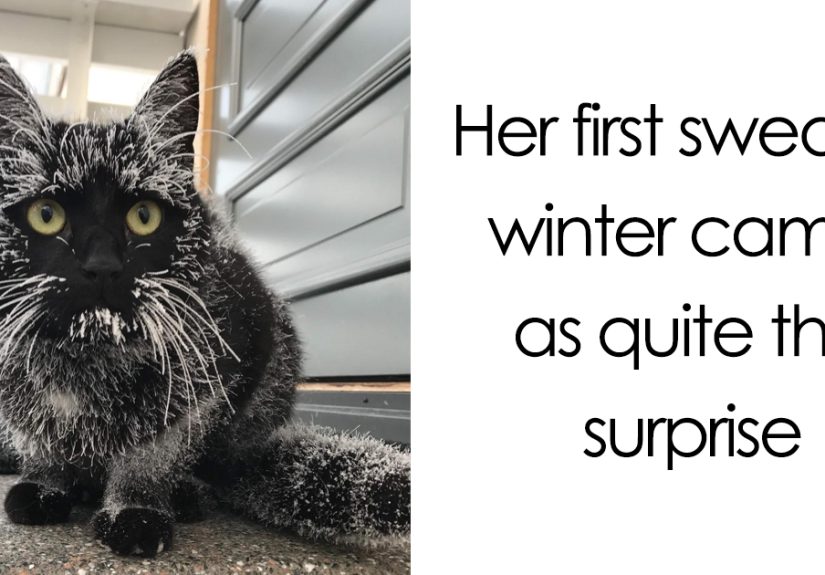
- The cat who touched it once and filed a complaint. A single paw to the snow can produce an expression so dramatic it deserves its own soundtrack.
- The golden retriever grin. Some dogs wear joy all over their faces in winter, especially when snow means fetch, rolling, and turning into a moving powdered donut.
- The alpaca fluff advantage. Thick fleece changes the whole equation. Animals with natural insulation often look unbothered, even while everyone nearby looks emotionally unfinished.
- The fox-style pounce imitation. Dogs sometimes discover that diving into snow is fun before understanding why. Instinct and comedy make a great team.
- The goat-on-ice correction. Not every first-snow memory is graceful. Sometimes the lesson is simply that momentum and frozen ground are not close friends.
- The bulldog “absolutely not.” There is a special kind of refusal that can only come from a stubborn dog faced with a freezing yard and zero compelling incentives.
- The barn cat reconsidering its whole brand. Outdoor-savvy cats may act tough year-round, but fresh snow can reveal the inner critic beneath the swagger.
- The duck foot confidence. Waterfowl often move through slushy or snowy spaces with irritating ease, like they’ve seen worse and frankly expected more resilience from the mammals.
- The puppy trying to eat the weather. Many young dogs decide snow is either a toy, a snack, or a personal enemy. They test all three theories quickly.
- The sheep shrug. Woolly animals frequently take winter in stride, creating the impression that their whole species was designed by someone who really believed in layering.
- The peacock regret walk. Large birds in winter can still be beautiful, but the slow high-step across snow often looks like a very glamorous mistake.
- The rabbit camouflage moment. Light-colored animals in snow sometimes disappear visually for a second, then blink back into view like winter magicians.
- The beagle scent confusion spiral. Hounds live by smell, so a snow-covered yard is basically an erased detective case. Their sniffing becomes deeply investigative.
- The “Why is it silent?” pause. Snow changes sound too. Some animals stop moving just to listen, startled by how the world suddenly feels quieter and softer.
- The paw-lift parade. When snow is too cold or salty, pets may begin lifting alternating paws in a dance no one taught them and everyone immediately understands.
- The giant dog acting like a puppy again. There is something especially funny about a hundred-pound dog rediscovering wonder by bouncing through snow like a toddler in pajamas.
- The turtle-level refusal from a tiny companion animal. Smaller pets are often less thrilled by cold conditions, and their body language can shift from curiosity to retreat almost instantly.
- The horse rolling celebration. Some larger animals react to changed ground or crisp weather with rolling, stretching, or energetic movement that looks like pure physical delight.
- The rooster that still has somewhere to be. Not every animal slows down for snow. Some march through it with the confidence of a creature late for an important meeting.
- The bulldozing labrador. If there is snow, there is a lab somewhere happily converting itself into a torpedo with ears.
- The first-snow sibling rivalry. Two animals from the same house can respond completely differently: one ecstatic, one horrified, both convinced they are correct.
- The fence-line wildlife stare. Even wild animals sometimes pause longer than expected in fresh snow, checking new tracks, new smells, and changed terrain before moving on.
- The penguin-level professionalism. Cold-weather specialists can make snow look ordinary, which somehow makes everyone else’s dramatic reaction even funnier.
- The cheetah-style disapproval face. Some animals built for speed and warmth do not consider snow charming. They consider it paperwork.
- The sea lion curiosity check. Snow around water can produce an especially funny contrast: half winter postcard, half playful chaos.
- The panda roll of happiness. Few things look more joyful than a cold-adapted animal treating fresh snow like the best surprise gift of the season.
- The final look back at the door. No matter the species, many first-snow encounters end with the same expression: “Are we done here, or is this somehow the new normal?”
What These Reactions Actually Tell Us About Animal Behavior
The funniest animal snow reactions are not random. They reveal how animals process novelty. Curiosity-driven animals sniff, dig, taste, paw, and bounce. Cautious animals freeze, step slowly, or retreat. Social animals often take cues from companions. Confident dogs may charge into the yard, while a more hesitant housemate watches from the porch like a risk manager.
Snow also reveals physical comfort levels fast. A thick-coated dog may want to stay outside longer, while a short-haired dog starts lifting its paws after a few minutes. Cats may tolerate brief exploration but generally prefer warmth, routine, and not being inconvenienced by frozen surprises. Even within one species, personality matters. One dog sees snow and becomes a winter athlete. Another sees snow and starts negotiating remote bathroom options.
In zoos and sanctuaries, snow often acts like natural enrichment. For cold-tolerant species, it encourages exploration, rolling, scent-marking, pouncing, and playful movement. For warm-climate animals, snow may be observed with far less enthusiasm, which is fair. Not everybody asked for seasonal drama.
If the Animal Is Your Pet, Keep the Fun Safe
First snow is adorable, but pet safety still matters. Snow and ice can irritate paws, and de-icing chemicals can be a problem if licked off later. Small dogs, short-haired breeds, very young pets, senior pets, and animals with health issues may need shorter outings, extra warmth, or protective gear. If your pet starts shivering, slowing down, lifting paws repeatedly, or acting reluctant to walk, the joke is over and it is time to head inside.
It also helps to remember that snow can make familiar scents harder to follow. That matters most for dogs outdoors, especially in storms or low visibility. A leash, updated ID, clean paws after walks, and a warm indoor recovery plan are all smart moves. Snow day magic is best enjoyed when nobody ends it with frozen toes and a panic search.
More First-Snow Experiences That Pet People Know by Heart
If you have ever lived with an animal through its first snow, you know the moment can feel weirdly unforgettable. Not because snow itself is rare everywhere, but because animals experience it with zero social filtering. Humans see snowfall and think about traffic, wet socks, canceled plans, and whether the grocery store still has bread. Animals see snowfall and react with complete emotional honesty. That is part of the charm.
A puppy’s first snow often feels like watching someone discover another planet. Everything is worth sniffing. Every footprint is a clue. Every flake is either magical or suspicious. Some puppies charge ahead like they have been waiting their whole short lives for this exact morning. Others step onto the porch, blink twice, and retreat so fast you would think winter insulted their family.
Kittens can be even funnier. Their first encounter with snow is usually a blend of curiosity and offense. They watch flakes drift down with big eyes, maybe paw at the window, maybe sniff at the crack of a door, and then decide the whole matter should remain outdoors where it belongs. Their expression is not fear so much as administrative disapproval. They did not approve this texture. They did not request this temperature. They definitely did not sign anything.
For larger animals, the first snow often becomes a full-body event. Horses may snort, toss their heads, and move with more energy in the crisp air. Goats can become tiny acrobats. Farm dogs transform into self-appointed blizzard supervisors. Even animals that stay calm tend to become more alert, more observant, and more engaged with their surroundings. Snow changes the script of the day, and animals notice.
There is also something sweet about how first-snow moments reveal individual personality so quickly. One dog becomes an adventurer. Another becomes a philosopher. One cat turns into a furious art critic. Another secretly wants to investigate but only from the safety of a human lap and a heated room. The weather may be the same, but the reactions are gloriously personal.
That is why these moments keep showing up in family albums, social feeds, and memory folders people never delete. They are funny, yes, but they are also deeply recognizable. Wonder. Caution. Delight. Confusion. Complaint. Celebration. Every face says something, and usually very loudly. When animals experience snow for the first time, they do not pretend to be cool about it. They give us the full review in real time. Honestly, humans could stand to be that expressive once in a while.
Conclusion
Animals experiencing snow for the first time are hilarious because the reactions are so pure. A dog’s zoomies, a cat’s offended glare, a goat’s airborne nonsense, or a panda’s joyful roll all remind us that weather is not just background scenery. It is an event. It changes how animals move, think, sniff, and play. Some embrace it instantly. Some reject it on sight. Most do a little of both.
That is why these snowy animal moments never get old. They are funny on the surface, but they also reveal something real about instinct, adaptation, and personality. Snow can be enrichment, confusion, inconvenience, or bliss depending on the animal standing in it. And when that reaction lands perfectly on the face? Internet gold. Pure, frosty, highly expressive gold.