Table of Contents >> Show >> Hide
- What That Little Hole Is (And Why It Exists)
- How a Sink Overflow Works (The Simple Physics Version)
- What the Overflow Canand Can’tSave You From
- Why That Area Gets Gross (And Sometimes Smells Like Regret)
- How to Clean a Sink Overflow Hole (Without Starting a Chemistry War)
- Pro Tip: Cover the Overflow When Plunging
- Drain Parts Matter: “With Overflow” vs “Without Overflow”
- Why Some Sinks Don’t Have an Overflow Hole
- So… Why Is This “Awesome,” Exactly?
- of Real-Life Overflow-Hole Experiences
There are two kinds of household heroes. The flashy oneslike your dishwasher when it actually finishes the cycleand the quiet ones,
like that tiny little hole near the top of your bathroom sink that saves you from an accidental indoor swimming pool.
You’ve seen it. You’ve probably ignored it. You may have even wondered if it’s just… decorative. (It’s not. Your sink is not wearing a piercing.)
That little opening is the sink’s built-in “nice try” button for overflow disastersand it deserves a moment in the spotlight.
What That Little Hole Is (And Why It Exists)
Meet the overflow hole
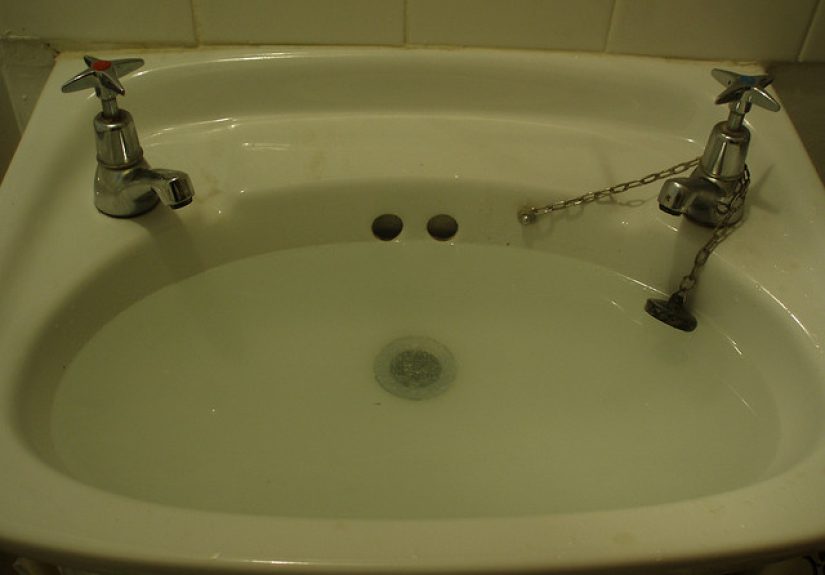
The tiny opening near the rim of many bathroom sinks is called an overflow (or overflow hole / overflow drain opening).
It’s designed to reduce the chances that water will spill over the edge if the sink is filling too highespecially when the stopper is down.
Here’s the key detail: the hole you see is only the “front door.” Inside the sink is a hidden channel that runs down and connects back into the drain area,
so extra water can route into the plumbing instead of onto your vanity, cabinet, and sanity.
How a Sink Overflow Works (The Simple Physics Version)
A hidden hallway for water
Inside many sinks is a concealed passage (think: a skinny hallway) behind the porcelain. When the water level rises high enough to reach the overflow opening,
water enters that channel and travels down to the drain connection below the basin.
If you’ve ever looked at a bathroom sink drain flange (the metal ring part) and noticed side openings/slots, those openings exist for a reason:
they allow overflow water coming through that hidden channel to enter the drain assembly instead of backing out.
Bonus function: it can help the sink drain faster
The overflow isn’t just about preventing spills. When a sink is full and the drain opening is covered by water, drainage can slow down
because air has a harder time getting into the system. The overflow opening can let air into the drain path, reducing that “glug-glug” suction effect
and helping water move out more smoothly.
What the Overflow Canand Can’tSave You From
What it does well
- Stops “stopper accidents.” If the stopper is closed and someone leaves the faucet running, overflow routing can buy time.
- Helps with full-basin draining. That extra air path can improve drain speed when the basin is packed with water.
What it does not guarantee
An overflow is a safety feature, not a magical force field. If the overflow channel is clogged, it may not move water fast enough to prevent a spill.
And if the plumbing downstream is blocked (or the faucet is blasting like a pressure washer), water can still rise faster than the system can handle.
Translation: it’s helpfuljust not invincible.
Why That Area Gets Gross (And Sometimes Smells Like Regret)
It doesn’t get “naturally rinsed”
The overflow channel is often damp, dark, and rarely flushed with strong flow unless the sink actually reaches overflow level.
Over time, soap residue, toothpaste foam, skin oils, and general bathroom “life” can build up into a slimy film that can cause odors.
If you’ve ever noticed a funky smell that seems to come back even after you clean the bowl, the overflow channel is a prime suspect.
It’s basically the sink’s attic: out of sight, collecting mysteries.
How to Clean a Sink Overflow Hole (Without Starting a Chemistry War)
The quick clean (5–10 minutes)
- Brush the opening. Use a small bottle brush, pipe cleaner, or a thin scrub brush to loosen grime right inside the hole.
- Flush with hot water (carefully). Hot water helps move loosened residue. Avoid scalding yourself, and be mindful of older plumbing.
- Wipe the rim. A cotton swab or microfiber cloth helps remove the ring of buildup around the opening.
The deeper clean (when odors are stubborn)
For more persistent funk, many home-care guides recommend a baking soda + vinegar approach to help break up residue,
followed by a thorough rinse. Keep it practical: don’t overdo it, and don’t mix multiple chemical products together.
- Option A: Add baking soda, then vinegar, let it sit, then rinse well with water.
- Option B: Use a non-corrosive, biodegradable pipe-cleaning product as directed.
Important safety note: Avoid harsh drain cleaners or bleach-heavy routines if you don’t need them.
Some sources caution they can be hard on pipes and risky to handle. Also, boiling water can help in certain situations,
but it may be risky for some PVC or older plumbinguse caution.
Pro Tip: Cover the Overflow When Plunging
Yes, that tiny hole can ruin your plunge power
If you’re using a sink plunger to clear a slow drain, that overflow opening can leak air and reduce suction.
The classic fix is simple: place a wet rag firmly over the overflow hole before you plunge. That helps you build pressure where it mattersat the drain.
Drain Parts Matter: “With Overflow” vs “Without Overflow”
Don’t accidentally buy the wrong drain assembly
When replacing a bathroom sink drain (like a pop-up assembly), you’ll often see two versions:
for sinks with overflow and for sinks without overflow.
If your sink has that overflow opening near the rim, you generally want a drain assembly designed to work with itso overflow water can route properly.
On the flip side, some sinks (like certain vessel styles) may not have an overflow passage at all.
In those cases, the drain parts can differ, and using an “overflow-style” drain where it doesn’t belong can lead to leakage or poor performance.
Why Some Sinks Don’t Have an Overflow Hole
Design tradeoffs (and a little risk)
Some modern or minimalist sinks skip the overflow opening for aesthetics or because the sink material/design doesn’t accommodate a hidden channel.
The tradeoff is straightforward: no overflow feature means less backup protection if water is left running with the drain blocked.
So… Why Is This “Awesome,” Exactly?
Because it’s one of those everyday design details you only appreciate when it quietly prevents chaos.
It doesn’t beep. It doesn’t send notifications. It just sits therewaiting for the day you get distracted by one (1) text message,
and it decides your bathroom floor is not going to be the main character.
The overflow hole is small, unglamorous, and wildly underthanked. In other words: it’s basically the friend who helps you move and never mentions it again.
of Real-Life Overflow-Hole Experiences
If you’ve lived in a house (or an apartment, or a dorm, or that one rental where the bathroom fan sounded like a helicopter),
you’ve probably had at least one “sink moment” where the overflow hole earned its keep. It usually starts innocently: you plug the drain to soak something,
or you’re rinsing a razor, or you’re doing the classic splash-and-go face wash that somehow turns the counter into a water park.
Then life happens. Maybe someone knocks on the door. Maybe your phone buzzes. Maybe your brain decides this is the perfect time to remember
you left laundry in the washer three hours ago. You look back and the water level is climbing like it has big weekend plans.
That’s when the overflow hole steps in like a tiny bouncer at the club: “Sorry, water. Not past this line.”
Another common experience: the slow-drain mystery. The sink looks clean. The drain looks fine. But the water pools up anyway,
and you’re standing there watching it drain with the intensity of someone monitoring a suspense thriller. You try the faucet again.
Same result. Suddenly you’re bargaining with the sink. “If you drain normally, I promise I’ll start flossing.” (The sink does not accept deals.)
This is when people discover two things: plungers can be surprisingly effective, and that overflow hole must be covered or your plunging
turns into a disappointing cardio session with zero payoff.
And then there’s the smell. The one that makes you think, “Is something… living in here?” You scrub the bowl, wipe the counter, rinse the drain,
and the odor still returns like it pays rent. That’s the overflow channel’s calling card. It’s the spot nobody remembers until it makes itself unforgettable.
Once you clean it properlybrush, flush, and repeat as neededit feels like winning a small but meaningful battle for civilization.
Even kids end up learning about the overflow hole without realizing it. They’ll splash, play, fill the sink “just a little,” and walk away,
because kids treat time like it’s infinite. Parents discover the overflow hole the way archaeologists discover ancient artifacts:
with surprise, relief, and the immediate thought, “This has been here the whole time?!”
The funniest part is how quickly we return to taking it for granted. Once the crisis passes, we go back to ignoring ituntil the next near-overflow
reminds us that the tiniest design feature in the bathroom is quietly doing the most. It’s not dramatic. It’s not flashy.
It’s just reliably awesome… which is arguably the best kind of awesome.