Table of Contents >> Show >> Hide
- Why These Approvals Mattered
- Meet the Two New Non-Statin Drugs
- How Much Can These Drugs Lower LDL?
- Who Might Be a Good Candidate?
- What About Side Effects and Safety?
- How These Drugs Fit Into Today’s Cholesterol Strategy
- Why These Drugs Are More Than a 2020 Headline
- Bottom Line
- Experiences Patients and Clinicians Commonly Have With These Newer Non-Statin Drugs
High cholesterol has a sneaky way of acting like an uninvited houseguest. It slips in, makes itself comfortable, and quietly raises your risk of heart attack and stroke while pretending everything is fine. For years, statins have been the headline act in cholesterol treatment, and for good reason. They work well, they are backed by mountains of evidence, and they remain the first-choice medication for many people. But not everyone can reach their LDL goals with statins alone, and some people simply cannot tolerate the recommended dose.
That is where two newer non-statin drugs stepped into the spotlight: Nexletol and Nexlizet. When the FDA approved them in February 2020, they gave clinicians and patients two fresh oral options for lowering LDL cholesterol, also known as “bad” cholesterol. These medications did not arrive to overthrow statins like some kind of pharmaceutical reality-show villain. Instead, they arrived to fill a real gap: helping adults who need additional LDL lowering, especially those with established cardiovascular disease, inherited cholesterol disorders, or statin intolerance.
So what makes these drugs different? Who might benefit from them? And why are heart specialists still talking about them years after their approval? Let’s break it down without making your brain feel like it just sat through a four-hour pharmacology lecture.
Why These Approvals Mattered
LDL cholesterol plays a major role in atherosclerosis, the plaque buildup that can narrow or block arteries. Lowering LDL reduces cardiovascular risk, which is why treatment decisions often focus on how far LDL can be pushed down safely and consistently. Lifestyle habits such as eating less saturated fat, getting more fiber, moving your body, and maintaining a healthy weight are still essential. But for many people, healthy habits alone do not bring cholesterol down enough.
Statins remain the foundation of treatment because they lower LDL effectively and have strong evidence for reducing heart attacks, strokes, and death from cardiovascular disease. Still, real life is messy. Some patients do not hit target LDL levels even on maximally tolerated statin therapy. Others develop muscle symptoms, liver enzyme concerns, or simply cannot stay on the recommended regimen long term. In high-risk patients, that treatment gap matters.
The 2020 FDA approvals of Nexletol and Nexlizet mattered because they expanded the menu of oral, non-statin LDL-lowering treatments. Before that, many of the most powerful non-statin options were injectables, such as PCSK9 inhibitors. Those drugs can be excellent, but some patients prefer pills over needles, and some clinicians want an oral step before moving to injectable therapy. In that sense, these drugs were less “miracle replacement” and more “finally, another practical tool in the toolbox.”
Meet the Two New Non-Statin Drugs
Nexletol: One Drug, One New Pathway
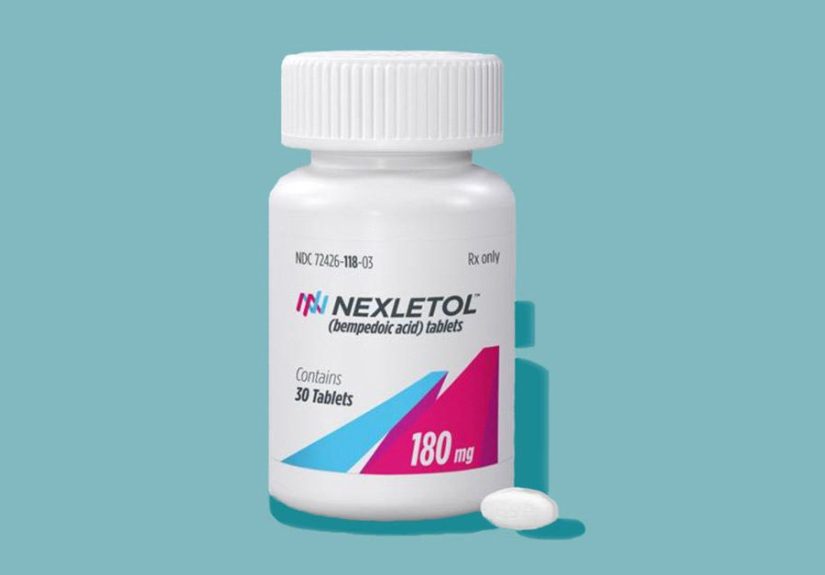
Nexletol is the brand name for bempedoic acid. It is taken by mouth once daily. When it was first approved by the FDA in February 2020, it was indicated as an adjunct to diet and maximally tolerated statin therapy for adults with heterozygous familial hypercholesterolemia or established atherosclerotic cardiovascular disease who needed additional LDL reduction.
Bempedoic acid works by inhibiting an enzyme called ATP-citrate lyase, which sits upstream of HMG-CoA reductase in the cholesterol synthesis pathway. That is a fancy way of saying it interferes with cholesterol production in the liver, but at a different step than statins do. Because the drug is activated mainly in the liver and not in peripheral tissues, it has attracted interest as an option for people who report statin-related muscle symptoms.
Over time, the role of Nexletol has expanded. Current U.S. prescribing information also includes use to reduce the risk of major adverse cardiovascular events in certain adults at increased risk who are unable to take recommended statin therapy. That evolution matters because it means the conversation is no longer just about cholesterol numbers on a lab report. It is also about real cardiovascular outcomes.
Nexlizet: A Two-for-One LDL Strategy
Nexlizet is a fixed-dose combination pill that pairs bempedoic acid with ezetimibe. Also approved by the FDA in February 2020, Nexlizet combines two different non-statin mechanisms in one tablet. Bempedoic acid reduces cholesterol synthesis in the liver, while ezetimibe blocks cholesterol absorption in the intestine. It is basically a tag-team approach: one ingredient tells your liver to make less cholesterol, and the other tells your gut to stop bringing in so much of it.
That combination can be particularly appealing for people who need more LDL lowering than bempedoic acid alone can provide. Since ezetimibe is already a familiar and widely used non-statin therapy, putting both agents together into one daily pill can simplify treatment. And in medicine, as in life, simpler often means more likely to actually happen.
How Much Can These Drugs Lower LDL?
This is the part everyone wants to know. Are these drugs mildly helpful, or are they “wow, that number finally moved” helpful?
Bempedoic acid alone produces a moderate LDL reduction. In major trials used for approval, the LDL-lowering effect versus placebo was generally in the high teens. That places Nexletol in the category of a meaningful add-on option, especially for patients already on statins who still need more lowering, or for people who cannot tolerate the recommended statin approach.
Nexlizet tends to lower LDL more than bempedoic acid alone because it adds ezetimibe to the mix. In clinical studies, the combination produced a substantially larger LDL reduction than placebo and clearly outperformed either component alone. In plain English, one pill hit two pathways, and the cholesterol numbers noticed.
That said, treatment choice is not just about raw LDL-lowering power. Clinicians consider the patient’s baseline LDL, cardiovascular risk, tolerance of other drugs, cost, convenience, and whether the goal is simply lowering LDL or also reducing the risk of major events over time.
Who Might Be a Good Candidate?
Nexletol and Nexlizet are not “everyone with slightly cranky cholesterol should ask for this immediately” drugs. They are more targeted than that. A good candidate may include:
Adults With Established Cardiovascular Disease
People who have already had coronary artery disease, peripheral arterial disease, or another form of atherosclerotic cardiovascular disease often need aggressive LDL lowering. If statins alone are not enough, a non-statin add-on may make sense.
People With Heterozygous Familial Hypercholesterolemia
This inherited condition can drive LDL levels up early and stubbornly. Many patients require more than one medication to get LDL down to safer levels. In that setting, an additional oral non-statin option is genuinely useful.
Patients Who Cannot Take Recommended Statin Therapy
Some people experience muscle-related symptoms or other issues that make standard statin dosing hard to tolerate. Not every ache is caused by a statin, and not every person with symptoms is truly statin-intolerant, but the problem is common enough that doctors need alternatives. Bempedoic acid has become one of the more notable oral options in that conversation.
People Who Want an Oral Non-Statin Before an Injectable Option
Some patients are perfectly open to injectable medicines. Others would prefer nearly anything involving a pill, a sip of water, and a quick swallow. Nexletol and Nexlizet can fit nicely into treatment plans for patients who want a non-statin oral therapy before considering injectable PCSK9 treatments.
What About Side Effects and Safety?
No cholesterol drug gets a free pass just because it is not a statin. Bempedoic acid has its own safety profile, and patients should understand it.
Important cautions with Nexletol and the bempedoic acid component of Nexlizet include hyperuricemia, which can raise uric acid levels and contribute to gout, and tendon rupture, which is uncommon but important enough to earn a warning. Current prescribing information also notes potential issues such as elevated liver enzymes, anemia, renal impairment, muscle spasms, and cholelithiasis in some contexts. Drug interactions matter too, especially with certain statins and fibrates.
Nexlizet also includes ezetimibe, which is generally well tolerated but adds its own considerations. In other words, “non-statin” does not mean “zero side effects.” It means “different tool, different trade-offs.” That is why clinicians match therapy to the individual rather than handing out the same pill like party favors.
How These Drugs Fit Into Today’s Cholesterol Strategy
Modern cholesterol care is much more personalized than it used to be. Instead of a one-size-fits-all approach, clinicians now look at overall cardiovascular risk, LDL level, family history, prior events, response to treatment, and medication tolerance.
Statins are still the anchor treatment for most patients who need medication. Ezetimibe remains a common first non-statin add-on. PCSK9 inhibitors and inclisiran offer additional powerful options, especially for people at very high risk or those with persistent LDL elevation despite other therapy. Bempedoic acid sits in an important middle ground: oral, non-statin, clinically useful, and especially relevant for statin-intolerant patients or those needing extra LDL lowering without jumping straight to an injectable.
That makes Nexletol and Nexlizet particularly interesting because they are not trying to be everything. They are trying to solve a specific problem well. In medicine, that is often what good innovation looks like.
Why These Drugs Are More Than a 2020 Headline
At the time of approval, some coverage framed these drugs mostly as new alternatives for people who could not take statins. That was true, but incomplete. Since then, evidence has strengthened the case for bempedoic acid as more than just a backup plan. The conversation now includes not only LDL lowering, but cardiovascular outcomes, especially in patients who cannot use recommended statin therapy.
That shift is important because patients do not take cholesterol medicine merely to impress their lipid panel. The real goal is lower risk of heart attack, stroke, and procedures such as coronary revascularization. Lab numbers matter because they connect to real outcomes. When a non-statin drug can improve both the number and the long-term story, clinicians pay attention.
Bottom Line
Nexletol and Nexlizet brought something meaningful to cholesterol care when the FDA approved them in 2020: two new oral, non-statin options for adults who needed additional LDL lowering. Nexletol offers bempedoic acid alone, while Nexlizet pairs bempedoic acid with ezetimibe for a stronger two-pathway approach. They do not replace statins for most people, but they do expand the choices for patients with high cardiovascular risk, inherited cholesterol disorders, or trouble tolerating recommended statin therapy.
The biggest takeaway is simple. Cholesterol treatment is no longer a binary world of “take a statin or good luck out there.” The field now includes a broader range of therapies, and that is good news for patients whose cholesterol refuses to cooperate politely. If your LDL is still too high, your treatment plan may need more creativity, not more blame.
Experiences Patients and Clinicians Commonly Have With These Newer Non-Statin Drugs
In real-world cholesterol care, the experience surrounding Nexletol and Nexlizet is often less dramatic than a news headline and more relatable than most people expect. It usually starts with frustration. A patient has worked on diet, cut back on saturated fat, started walking more, maybe even learned to tolerate oatmeal without filing an emotional complaint, and yet the LDL number still comes back higher than expected. Sometimes the patient is already taking a statin, but the LDL is not quite where the cardiologist wants it. Other times the person has tried multiple statins and reports muscle aches, stiffness, or just a sense that every medication experiment ends with another unpleasant surprise.
That is where these newer non-statin drugs often enter the conversation. For many patients, one of the first emotional reactions is relief that there is another oral option. Injectable therapies can be excellent, but some people are needle-averse, some worry about storage and scheduling, and others simply prefer a daily pill because it feels familiar. In that setting, a medication like bempedoic acid can seem less intimidating. It gives patients the feeling that the treatment plan is still moving forward instead of stalling out at “well, let’s just hope your numbers improve.”
Clinicians also describe a practical advantage: these medications can help bridge the gap between what guidelines recommend and what patients can realistically tolerate. In everyday practice, not every patient fits the textbook. Some can only handle a low-dose statin. Some stop and restart several times. Some arrive with a strong family history of early heart disease and cholesterol numbers that look stubbornly inherited rather than lifestyle-driven. For those patients, Nexletol or Nexlizet can feel less like an exotic new therapy and more like a needed compromise that still respects the seriousness of cardiovascular risk.
There are, however, some common bumps in the road. Cost and insurance coverage can still shape the experience. Patients may feel excited after hearing about a new option, only to discover that prior authorization paperwork has entered the chat like an annoying villain in a sequel nobody asked for. Follow-up also matters. Doctors usually want repeat lipid testing, a review of side effects, and sometimes monitoring for uric acid issues or gout symptoms. Patients who have a history of gout are often especially attentive once they hear that bempedoic acid can raise uric acid levels.
Another common experience is that expectations need recalibration. Some people hear “new cholesterol drug” and assume it will erase years of cardiovascular risk in a month. In reality, these medications are part of a bigger strategy. Patients still need nutrition changes, physical activity, follow-up labs, and a long-term plan. The people who do best often understand that the medication is not a magic eraser. It is more like a highly competent teammate.
Perhaps the most encouraging real-world theme is that patients often feel empowered when they realize cholesterol care is no longer limited to a single path. For people who felt they had failed statins, or that their body had failed them, learning about newer non-statin options can change the tone of the conversation. It becomes less about defeat and more about adjustment. That emotional shift may not show up on a lab report, but it matters just the same.