Table of Contents >> Show >> Hide
- What Is Microneedling?
- Average Microneedling Cost in the U.S.
- Microneedling Cost by Type
- Microneedling Cost by Body Part
- Microneedling Versus Laser: Which Costs More?
- What Affects Microneedling Price?
- Is Microneedling Covered by Insurance?
- How Many Sessions Will You Need?
- Who Should Be Careful With Microneedling?
- How to Ask for a Smart Microneedling Quote
- Is Microneedling Worth the Cost?
- Real-World Experience: What Paying for Microneedling Feels Like
- Conclusion
Microneedling cost is one of those beauty-budget questions that sounds simple until the estimate arrives and suddenly your wallet needs a calming serum. One clinic quotes a few hundred dollars. Another mentions radiofrequency, platelet-rich plasma, a package plan, numbing cream, post-care products, and financing. Before you know it, “tiny needles” have created one very large question: how much should microneedling actually cost?
The short answer: professional microneedling in the United States often falls between $200 and $700 per session, but premium treatments, large body areas, PRP, RF microneedling, or bundled plans can push totals much higher. Many people need three to six sessions for visible improvement, especially for acne scars, stretch marks, texture, and collagen remodeling. That means a full plan can range from a modest skin-care splurge to “I should probably stop buying iced coffee for a semester.”
This guide breaks down microneedling cost by treatment type, body part, add-ons, and how it compares with laser resurfacing. It also explains what affects price, when a cheaper quote is not really cheaper, and how to ask smart questions before booking.
What Is Microneedling?
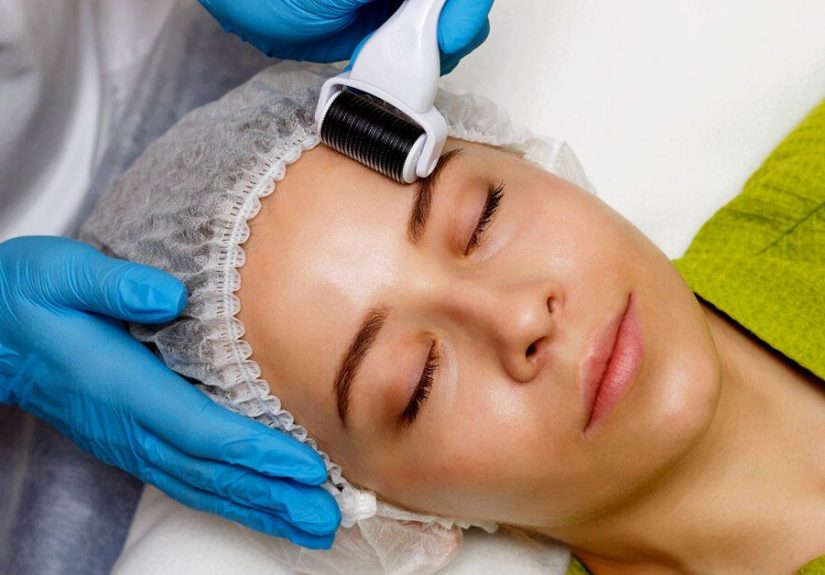
Microneedling, also called collagen induction therapy, is a minimally invasive skin procedure that uses fine, sterile needles to create controlled micro-injuries in the skin. The goal is not to “poke for fun,” despite what the device might suggest. The goal is to trigger the body’s repair response, which can support collagen and elastin production over time.
Dermatologists and trained providers use microneedling for concerns such as acne scars, rough texture, enlarged pores, fine lines, surgical scars, stretch marks, and uneven tone. The treatment is usually performed in an office or med spa setting with a topical numbing cream. Most sessions take about 30 to 60 minutes, depending on the area and whether add-ons like PRP are included.
Average Microneedling Cost in the U.S.
For basic professional microneedling, a realistic U.S. estimate is:
- Single session: $200 to $700
- Premium clinic or dermatologist setting: $700 to $1,000+
- Three-session package: $600 to $2,500+
- Six-session package: $1,200 to $4,500+
- At-home rollers: often under $50, but not comparable to medical-grade treatment
Why such a wide range? Because “microneedling” can mean a basic pen treatment on the cheeks, a full-face session with medical-grade technology, RF microneedling for skin tightening, PRP microneedling, or treatment across a large area like the abdomen or thighs. In other words, asking “How much is microneedling?” is a bit like asking “How much is dinner?” A taco truck and a steakhouse both technically count.
Microneedling Cost by Type
1. Traditional Microneedling
Estimated cost: $200 to $700 per session
Traditional microneedling uses a pen-like device with fine needles to create controlled channels in the skin. It is commonly used for texture, pores, mild scars, fine lines, and overall skin refreshment. This is usually the most affordable professional option and is often recommended in a series of three to six sessions spaced several weeks apart.
Traditional microneedling is popular because downtime is usually manageable. Expect redness, sensitivity, and a “fresh tomato with ambition” look for a day or two. More aggressive needle depth may mean longer recovery.
2. Microneedling With PRP
Estimated cost: $500 to $1,500 per session
Microneedling with PRP, often called a “vampire facial,” adds platelet-rich plasma taken from your own blood. The provider draws blood, processes it to concentrate platelets, and applies or injects it during the microneedling session. The idea is to use growth-factor-rich plasma to support healing and enhance results.
The added cost comes from the blood draw, processing equipment, extra time, and provider expertise. PRP is often chosen for acne scars, dullness, texture, early aging concerns, and sometimes hair restoration plans. It is not magic in a test tube, but it can be a valuable upgrade for the right candidate.
3. RF Microneedling
Estimated cost: $600 to $2,400 per session
Radiofrequency microneedling combines needles with heat energy delivered below the skin surface. It is often used for skin laxity, acne scars, crepey texture, jawline softening, and deeper collagen remodeling. Common device names may include Morpheus8, Potenza, Secret RF, and others.
RF microneedling costs more because the device is more advanced, treatment settings are more complex, and the procedure requires careful training. It may also require fewer sessions than traditional microneedling for some goals, but the price per session is higher. Because RF microneedling uses energy, choosing a qualified provider matters. Cheaper is not automatically better; sometimes cheaper is just a red flag wearing a coupon code.
4. Microneedling With Exosomes or Growth Factors
Estimated cost: $700 to $2,000+ per session
Some clinics offer microneedling with exosome serums or growth-factor products. These add-ons are marketed for faster recovery, glow, and improved skin rejuvenation. Prices vary widely because products, protocols, and claims differ from clinic to clinic.
Before paying extra, ask what product is being used, whether it is intended for topical application after microneedling, what evidence supports it, and whether the provider can explain the benefits without sounding like a sci-fi spa brochure.
5. At-Home Dermarolling
Estimated cost: $25 to $100 for a device
At-home rollers are inexpensive, but they are not the same as in-office microneedling. Professional devices can use sterile, single-use needle cartridges and controlled depths. At-home devices may increase the risk of irritation, infection, and uneven injury if used incorrectly. They also cannot safely reach the same depths used for scars or deeper texture concerns.
If your goal is mild product absorption or very light exfoliation, an at-home tool may seem tempting. If your goal is acne scar improvement, stretch mark treatment, or deeper collagen remodeling, professional care is the safer and more realistic route.
Microneedling Cost by Body Part
The size of the area matters. A small scar costs less than full-face treatment. A full abdomen or thighs costs more because it takes more time, product, and passes with the device.
| Body Part | Estimated Cost Per Session | Common Reasons for Treatment |
|---|---|---|
| Full face | $250 to $800 | Texture, pores, acne scars, fine lines, tone |
| Face and neck | $400 to $1,000 | Texture, early laxity, fine lines, crepey skin |
| Neck only | $200 to $600 | Crepiness, texture, mild lines |
| Chest or décolletage | $300 to $900 | Sun damage, texture, lines, pigment irregularity |
| Hands | $150 to $500 | Texture, thin-looking skin, mild roughness |
| Acne scars on cheeks | $300 to $900 | Rolling scars, boxcar scars, uneven texture |
| Stretch marks on stomach | $500 to $1,200 | Stretch marks, texture, skin quality |
| Thighs or buttocks | $600 to $1,500 | Stretch marks, texture, mild laxity |
| Scalp | $200 to $700 | Hair thinning support, often paired with PRP or topicals |
| Surgical scars | $300 to $1,000+ | Scar texture, firmness, uneven appearance |
These numbers are estimates, not universal price tags. A clinic in Manhattan, Los Angeles, Miami, or San Francisco may charge much more than a provider in a smaller city. Board-certified dermatologists and plastic surgeons often cost more than med spa providers, but their medical training may be especially important for deeper treatments, darker skin tones, scarring history, or RF microneedling.
Microneedling Versus Laser: Which Costs More?
Laser resurfacing usually has a higher upfront cost than traditional microneedling. Many laser treatments cost several hundred to several thousand dollars per session, depending on whether the laser is non-ablative, fractional, ablative, CO2, erbium, or a gentler resurfacing device.
Traditional microneedling may cost less per visit, but it usually requires multiple sessions. Laser resurfacing may cost more per session but sometimes achieves more dramatic results in fewer treatments, especially for deep wrinkles, significant sun damage, or advanced texture concerns.
Cost Comparison: Microneedling vs. Laser
| Treatment | Estimated Cost Per Session | Typical Number of Sessions | Downtime |
|---|---|---|---|
| Traditional microneedling | $200 to $700 | 3 to 6 | 1 to 3 days |
| PRP microneedling | $500 to $1,500 | 3 to 6 | 1 to 4 days |
| RF microneedling | $600 to $2,400 | 2 to 4+ | 2 to 7 days |
| Non-ablative laser | $500 to $2,000+ | 3 to 6 | 1 to 5 days |
| Ablative laser resurfacing | $1,500 to $6,000+ | 1 to 2 | 1 to 3+ weeks |
Microneedling may be a better fit for people who want gradual improvement, lower downtime, and collagen stimulation without the intensity of ablative laser resurfacing. Laser may be better for deeper wrinkles, stronger resurfacing, and more dramatic pigment or sun-damage correction. The best choice depends on skin type, goals, budget, downtime tolerance, and medical history.
What Affects Microneedling Price?
Provider Credentials
A board-certified dermatologist or plastic surgeon may charge more than a med spa. That does not mean every med spa is unsafe or every physician office is perfect, but deeper procedures and energy-based devices require judgment, training, and emergency readiness.
Location
Prices tend to be higher in large metro areas, luxury practices, and coastal cities. A $450 treatment in one state might be $900 in another. Rent, staff wages, demand, and local competition all show up in the final quote, usually without apologizing.
Technology Used
Basic microneedling pens cost less than RF devices. PRP, exosomes, specialized serums, LED therapy, or post-care kits can increase the total. Ask whether add-ons are optional or included.
Treatment Area Size
A small scar or hands-only treatment costs less than full face, neck, chest, stomach, or thighs. Large areas take longer and may require more numbing time, more supplies, and more careful technique.
Number of Sessions
Most people need a series. A single treatment may give temporary glow, but scars, stretch marks, and texture usually require patience. Collagen remodeling is not Amazon Prime; it does not arrive tomorrow with free shipping.
Is Microneedling Covered by Insurance?
Most microneedling is considered cosmetic, so insurance usually does not cover it. This includes treatments for fine lines, pores, texture, stretch marks, and general rejuvenation. In rare cases, scar treatment related to injury, surgery, or medical trauma may have partial coverage, but this is not common and requires documentation.
Some clinics offer payment plans, package discounts, or financing. Before signing up, compare the total package cost, cancellation rules, expiration dates, and whether unused sessions are refundable. A package is only a deal if you actually need every session.
How Many Sessions Will You Need?
The number of sessions depends on the concern:
- Glow and mild texture: 1 to 3 sessions
- Acne scars: 3 to 6 sessions or more
- Stretch marks: 4 to 6+ sessions
- Fine lines: 3 to 6 sessions
- RF skin tightening: 2 to 4+ sessions
- Scalp support: varies widely, often paired with other therapies
Results are gradual because collagen takes time to build. Many people notice early smoothness within days, but more meaningful changes often appear over several weeks to months. Maintenance treatments may be suggested once or twice a year, depending on goals.
Who Should Be Careful With Microneedling?
Microneedling is not ideal for everyone. People with active acne outbreaks, skin infections, open wounds, active cold sores, certain inflammatory skin conditions, a strong history of keloids, or immune suppression may need to avoid or delay treatment. Pregnant or breastfeeding patients should ask a medical professional before booking, especially if numbing agents, PRP, or energy devices are involved.
People with darker skin tones can often benefit from microneedling, but technique matters. Aggressive treatment, poor aftercare, or untrained providers can increase the risk of post-inflammatory hyperpigmentation. Choose someone who regularly treats your skin type and can explain their plan clearly.
How to Ask for a Smart Microneedling Quote
Before booking, ask these questions:
- What type of microneedling device do you use?
- Who performs the treatment, and what are their credentials?
- How many sessions do you recommend for my concern?
- Is PRP, RF, numbing, or aftercare included in the price?
- What downtime should I expect?
- What risks apply to my skin type or medical history?
- Do you have before-and-after photos of similar cases?
- What happens if I have irritation, infection, burns, or unexpected pigmentation?
A good provider should answer calmly and specifically. If the consultation feels rushed, overly salesy, or suspiciously vague, consider that your sign to keep shopping. Your skin is not a clearance-rack experiment.
Is Microneedling Worth the Cost?
Microneedling can be worth it when expectations are realistic. It is not a facelift, not a filter, and not a one-session miracle. It is best viewed as a gradual skin-quality treatment. For acne scars, fine lines, texture, and stretch marks, improvement usually comes from a series of well-planned treatments plus consistent aftercare.
It may not be worth it if you expect dramatic overnight results, cannot commit to a series, have active skin issues that need treatment first, or are choosing the cheapest provider without checking training and safety. A bargain treatment that causes complications is not a bargain; it is an expensive plot twist.
Real-World Experience: What Paying for Microneedling Feels Like
Here is the honest experience side of microneedling cost: the first quote often feels higher than expected because most people mentally price one session, while clinics price a result. A single session may make skin look temporarily brighter, but the bigger goalssoftening acne scars, improving stretch marks, smoothing texture, and building collagenusually require a plan. That is where the total cost starts to look less like “one appointment” and more like “a small skin project.”
For example, imagine someone booking traditional full-face microneedling for acne scars. The clinic charges $450 per session and recommends four sessions. The real cost is not $450; it is $1,800 before tip policies, post-care products, or optional add-ons. If PRP is added at $300 per visit, the plan becomes $3,000. That does not mean the clinic is doing anything wrong. It simply means the shopper needs to compare full treatment plans, not single-session advertisements.
Another common experience is the “upgrade moment.” You book a consultation thinking about basic microneedling, then the provider explains RF microneedling. RF may sound more powerful because it combines needle depth with heat energy. For mild laxity or deeper acne scars, it may be appropriate. But the cost can double or triple. A $350 traditional microneedling session might become a $1,200 RF session. That is when it helps to ask, “What result do you expect from each option, and how many sessions would I need?” A good answer should include trade-offs, not just enthusiasm.
Downtime also has a hidden cost. Traditional microneedling may leave you red for a day or two. RF microneedling can create swelling, grid marks, tenderness, or longer redness depending on settings. Laser resurfacing may require more serious recovery. If you have school, work, events, sports, or photos coming up, timing matters. The cheapest appointment is not helpful if it lands two days before something important and your face is still auditioning for the role of “sunburned tomato.”
People also learn quickly that aftercare is part of the budget. Gentle cleanser, plain moisturizer, sunscreen, and avoiding harsh actives are usually recommended. Some clinics sell post-procedure kits. These may be useful, but you should know whether they are required or optional. Aftercare is not the glamorous part, but it is the part that protects the investment.
The best experience usually comes from a provider who sets realistic expectations. If they say scars will “disappear,” be cautious. If they say improvement is gradual and varies by scar type, skin type, treatment depth, and session count, that is a more believable conversation. Microneedling can deliver meaningful improvement, but it works with biology, and biology does not care about your preferred deadline.
In the end, microneedling cost is not just about the number on the menu. It is about who performs it, what device is used, what area is treated, how many sessions are needed, how your skin responds, and whether the treatment matches your actual goal. Budget for the whole journey, ask direct questions, and choose skill over hype. Your skin deserves a plan, not a sales pitch with needles.
Conclusion
Microneedling cost varies widely because the treatment itself varies widely. Basic professional microneedling may cost a few hundred dollars per session, while PRP, RF microneedling, larger body areas, and premium providers can push prices into the thousands for a complete plan. Compared with laser resurfacing, microneedling often has a lower upfront price and less downtime, but it may require more sessions for visible results.
The smartest way to budget is to ask for the full treatment plan: number of sessions, device type, provider credentials, add-ons, aftercare, downtime, and expected maintenance. A lower price is attractive, but safe technique and realistic planning matter more. Tiny needles can do impressive work, but only when the hands holding the device know exactly what they are doing.
Note: This article is for educational publishing purposes only and does not replace medical advice. Prices are estimates and vary by provider, city, treatment area, technology, and individual skin needs.