Table of Contents >> Show >> Hide
- Physiology Definition: The Study of Function in Living Systems
- Anatomy vs. Physiology: What Is the Difference?
- Why Physiology Matters
- The Big Idea in Physiology: Homeostasis
- Main Branches of Physiology
- Examples of Physiology in Everyday Life
- How Physiology Relates to Disease
- How Scientists Study Physiology
- Why Students Learn Physiology
- So, What Is Physiology in One Simple Answer?
- Everyday Experiences Related to “What Is Physiology?”
Physiology is the science of how living things work. If anatomy is the map, physiology is the traffic report, weather update, and slightly dramatic live commentary all rolled into one. It explains how your heart keeps rhythm without a playlist, how your lungs swap gases like expert negotiators, how your brain sends signals at lightning speed, and how your body somehow manages to stay alive even when you decide lunch can be a coffee and a granola bar.
More formally, physiology focuses on function. It asks what cells, tissues, organs, and organ systems do, how they do it, and how they work together to keep the body stable. That “keep things stable” part matters a lot because one of the biggest ideas in physiology is homeostasis, the body’s ability to maintain a relatively steady internal environment even when the outside world is doing the most.
In plain English, physiology helps answer questions like these: Why do you sweat when you are hot? Why does your heart race when you are stressed? Why do you feel shaky when your blood sugar drops? Why does sleep deprivation turn your personality into a low-battery warning? Physiology is the field that connects those daily experiences to real biological mechanisms.
Physiology Definition: The Study of Function in Living Systems
At its core, physiology is the study of function in living organisms. In human physiology, that means understanding how the body carries out life-sustaining processes such as breathing, circulation, digestion, temperature regulation, movement, reproduction, and communication between body systems.
Physiologists study the body at many levels. Sometimes they zoom in on cells and molecules, looking at how ions move through membranes or how hormones deliver chemical messages. Other times they zoom out and study how whole organ systems cooperate, like how the nervous system and endocrine system team up to regulate blood pressure, thirst, metabolism, and sleep.
This is what makes physiology so fascinating: it is both tiny and enormous. One minute you are discussing calcium ions inside a muscle cell, and the next you are explaining how an athlete sprints, breathes harder, sweats, recovers, and complains about leg day.
Anatomy vs. Physiology: What Is the Difference?
People often pair anatomy and physiology together because they are close relatives in the science family. Still, they are not identical twins.
Anatomy is about structure
Anatomy looks at what body parts are and where they are located. It studies bones, muscles, nerves, organs, blood vessels, and tissues. If you want to know what the kidney looks like, where the liver sits, or how many chambers the heart has, you are in anatomy territory.
Physiology is about function
Physiology asks what those structures do. How do the kidneys filter blood? How does the liver process nutrients and detoxify substances? How does the heart generate pressure and keep blood moving? These are physiological questions.
The two fields depend on each other. Structure and function are deeply connected. A red blood cell’s shape supports its function. The branching design of the lungs helps gas exchange. The layers of the intestine support absorption. In other words, anatomy builds the stage, and physiology runs the show.
Why Physiology Matters
Physiology is not just an academic subject reserved for textbooks thicker than a brick. It matters in medicine, nursing, sports science, public health, pharmacology, physical therapy, nutrition, and basic life decisions such as whether your third energy drink is really a personality trait.
Doctors need physiology to recognize what normal body function looks like before they can identify disease. Pharmacists need it to understand how drugs affect organ systems. Athletic trainers use it to improve performance and recovery. Researchers use physiology to investigate aging, diabetes, heart disease, lung disorders, kidney problems, sleep, exercise, stress, and countless other health topics.
Put simply, you cannot fully understand health or disease without physiology. Illness often begins when normal physiological processes are disrupted. When insulin is missing or ineffective, blood glucose regulation fails. When airways narrow, breathing becomes difficult. When the heart cannot pump efficiently, tissues receive less oxygen and nutrients. Physiology provides the “why” behind the symptoms.
The Big Idea in Physiology: Homeostasis
If physiology had a greatest-hits album, homeostasis would be track one. Homeostasis is the body’s ability to maintain internal conditions within a range that supports life. Your body does not aim for random chaos. It aims for controlled balance.
This balance applies to body temperature, blood glucose, fluid levels, blood pressure, pH, oxygen, carbon dioxide, electrolytes, and more. The body constantly monitors these variables and makes adjustments when they drift too far.
How homeostasis works
Most homeostatic control uses negative feedback. That means the body detects a change and responds in a way that reverses it.
For example, if your body temperature rises, mechanisms such as sweating and increased blood flow to the skin help cool you down. If blood sugar falls, hormones help raise it. If blood pressure drops, the nervous system and hormones coordinate responses to support circulation.
There are also positive feedback loops, but they are less common and usually used for special situations. Childbirth is a classic example: contractions trigger signals that intensify contractions until delivery. Blood clotting is another example. In physiology, positive feedback is useful for finishing a job, while negative feedback is the everyday maintenance crew.
Main Branches of Physiology
Physiology is a broad field, and it can be studied by system, level, or species. Here are some of the major branches of human physiology.
Cell physiology
This area focuses on how cells function. It explores membrane transport, energy production, signaling, enzyme activity, and how cells respond to changes in their environment. Since cells are the body’s basic working units, this branch is a foundation for everything else.
Neurophysiology
Neurophysiology studies the nervous system. It examines how neurons generate electrical signals, how the brain processes information, how reflexes work, and how the nervous system helps regulate movement, sensation, memory, emotion, and autonomic functions like heart rate and breathing.
Cardiovascular physiology
This branch covers the heart and blood vessels. It looks at cardiac output, blood pressure, circulation, vessel tone, and how oxygen and nutrients are delivered throughout the body. It is hard to overstate this system’s importance. If circulation fails, everything else starts filing complaints immediately.
Respiratory physiology
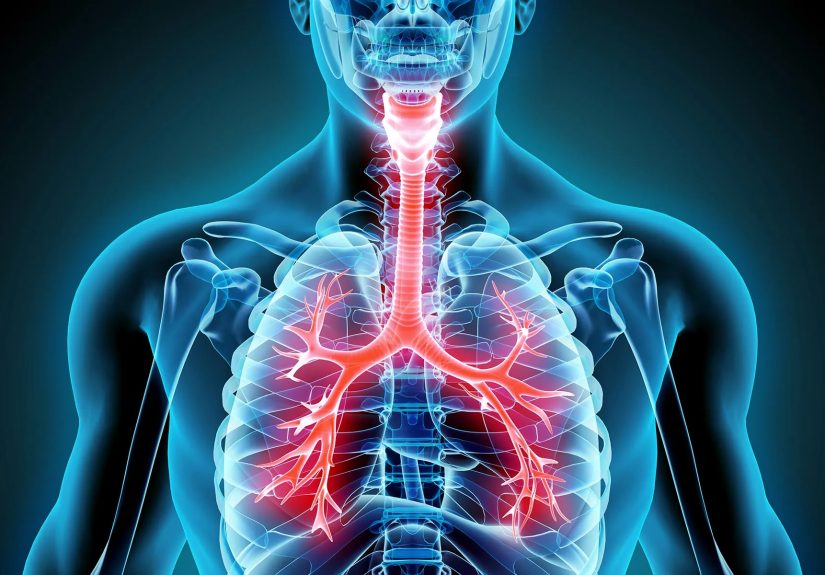
Respiratory physiology explains how we breathe and exchange gases. It covers airflow, lung volumes, oxygen uptake, carbon dioxide removal, and how breathing adjusts during exercise, sleep, stress, or illness.
Endocrine physiology
This area studies hormones and the glands that produce them. Hormones coordinate metabolism, growth, reproduction, fluid balance, stress responses, sleep-wake cycles, and more. Tiny molecules, huge attitude.
Renal physiology
Renal physiology focuses on the kidneys and urinary system. It explains how blood is filtered, how water and electrolytes are balanced, how waste is removed, and how blood pressure and acid-base balance are supported.
Exercise physiology
Exercise physiology examines how the body responds to physical activity. It looks at muscle function, energy use, oxygen demand, endurance, recovery, training adaptation, and performance. If you have ever wondered why stairs become a personal enemy after leg workouts, this branch has answers.
Examples of Physiology in Everyday Life
Physiology is not hiding in a laboratory wearing a white coat all the time. It shows up constantly in normal life.
When you get hot and start sweating
Your thermoregulatory system is working to keep body temperature in a healthy range. Sweat evaporates from the skin and removes heat, while changes in blood flow help release warmth.
When you stand up and feel briefly lightheaded
Your body suddenly has to adjust blood pressure and circulation against gravity. Receptors detect the shift, and your cardiovascular system responds to maintain blood flow to the brain.
When you are stressed before a presentation
Your sympathetic nervous system may increase heart rate, breathing, alertness, and sweating. Your body is preparing for action, even if the “danger” is only a slideshow and a room full of coworkers.
When you feel sleepy at night
Circadian rhythms, hormones, light exposure, and brain signaling work together to influence sleep timing. Physiology helps explain why scrolling on a bright screen at midnight is not exactly a love letter to your sleep cycle.
When you eat a meal
Digestive physiology takes over. Enzymes break down food, nutrients are absorbed, hormones regulate blood sugar, and the body stores or uses energy depending on need.
How Physiology Relates to Disease
One of the easiest ways to understand physiology is to see what happens when normal function breaks down. Disease often represents altered physiology.
Take diabetes as an example. Under normal physiology, insulin helps move glucose from the bloodstream into cells, where it can be used for energy. In diabetes, this process is disrupted. Blood glucose rises, cells may not get fuel efficiently, and the whole metabolic system becomes harder to manage.
Or consider asthma. Healthy respiratory physiology allows air to move in and out of the lungs with relatively little resistance. In asthma, the airways can become inflamed and narrowed, making breathing more difficult and changing oxygen delivery.
In heart failure, the heart’s pumping function no longer meets the body’s needs efficiently. In kidney disease, fluid and electrolyte balance can become unstable. In endocrine disorders, hormones may be too high, too low, or poorly regulated. Physiology gives health professionals a framework for understanding these disruptions and choosing effective treatments.
How Scientists Study Physiology
Physiology is studied using observation, measurement, experimentation, and comparison. Researchers measure variables such as heart rate, blood pressure, oxygen saturation, hormone levels, nerve activity, muscle contraction, and fluid balance. They may study isolated cells, tissues, animal models, healthy volunteers, or patients with specific conditions.
Modern physiology overlaps with biochemistry, molecular biology, genetics, neuroscience, and biomedical engineering. That is why the field feels so alive. It keeps evolving as scientists develop better tools to study the body in motion rather than as a static diagram.
Physiology also helps build better treatments. Drug development, ventilator design, rehabilitation programs, exercise protocols, and critical care practices all rely on physiological knowledge. The field is practical, dynamic, and very much connected to real-world health outcomes.
Why Students Learn Physiology
Students in medicine, nursing, dentistry, pharmacy, allied health, exercise science, biology, and public health often study physiology early in their training. That is because it builds a foundation for clinical reasoning.
When students understand normal physiology, they are better prepared to understand pathology, symptoms, lab results, and treatment effects. Instead of memorizing isolated facts, they can connect cause and effect. For example, they can reason through why dehydration affects blood pressure, why electrolyte imbalances can alter muscle or nerve function, or why hormone changes affect metabolism and mood.
Yes, physiology can be challenging. It asks learners to connect chemistry, biology, physics, and anatomy all at once. But it is also rewarding because it turns the body from a list of parts into a living, coordinated system that actually makes sense.
So, What Is Physiology in One Simple Answer?
Physiology is the branch of biology that explains how living organisms function. In humans, it studies how cells, tissues, organs, and body systems work together to keep us alive, balanced, responsive, and adaptable.
It is the science behind heartbeat, breath, sleep, hunger, movement, stress, recovery, and survival. It helps explain health, clarify disease, improve treatment, and deepen our understanding of the human body. In a world full of quick health claims and oversimplified advice, physiology is the helpful voice saying, “Let us look at how the body actually works before we get carried away.”
And honestly, that is a pretty good voice to keep around.
Everyday Experiences Related to “What Is Physiology?”
If physiology ever seems too technical, daily life is an excellent reminder that the subject is not abstract at all. It is personal. It is physical. It is happening every second whether you notice it or not.
Think about the experience of walking outside on a brutally hot summer afternoon. Within minutes, your skin feels warmer, sweat starts collecting on your forehead, and you may begin looking for shade like it is a luxury resort. That moment is physiology in action. Your body is detecting heat, increasing sweat production, shifting blood flow, and trying to protect your internal temperature. You are not “just hot.” You are watching a live demonstration of thermoregulation.
Or picture the opposite experience: stepping into freezing weather without enough layers. Your muscles tighten, you shiver, and your hands begin to feel stiff and less cooperative. Again, physiology is running the show. Shivering helps generate heat through rapid muscle activity, while your body works to conserve warmth and protect essential organs.
Then there is exercise, perhaps the most obvious everyday physiology lesson of all. Go for a fast run, climb several flights of stairs, or try a workout video hosted by someone who clearly has never suffered a day in their life. Your breathing speeds up, your heart rate climbs, your muscles burn, and your body starts demanding more oxygen and energy. Later, during recovery, heart rate slows, breathing settles, and the body begins repair and adaptation. That whole cycle is exercise physiology in a very sweaty nutshell.
Stress is another unforgettable example. Before an exam, interview, or difficult conversation, your stomach may flip, your palms may sweat, and your heart may start pounding like it is auditioning for a drum solo. That response involves the nervous system and hormones preparing you to react quickly. The experience feels emotional, but the machinery behind it is intensely physiological.
Even something as ordinary as skipping lunch can teach you physiology. As blood sugar changes, you may feel tired, irritable, shaky, or distracted. Eat a balanced meal, and your energy returns. Suddenly, metabolism, hormones, digestion, and blood glucose regulation are not textbook chapters. They are the reason you stopped feeling like a haunted scarecrow.
Sleep offers another deeply familiar physiology story. A good night of sleep can sharpen attention, mood, and coordination. A terrible night can make simple tasks feel bizarrely difficult. Those differences reflect real changes in brain function, hormone patterns, memory processing, and recovery.
In that sense, physiology is more than a science subject. It is the explanation behind common human experiences. It helps us understand why the body reacts the way it does, why balance matters, and why health is not random luck. The more you learn physiology, the more everyday life starts to make sense.