Table of Contents >> Show >> Hide
- What to Know Before Trying Home Remedies for Psoriasis
- 14 Natural and Home Remedies for Psoriasis
- 1. Moisturize Often and Use the Thick Stuff
- 2. Take Short, Lukewarm Baths or Showers
- 3. Try a Colloidal Oatmeal Bath for Itch Relief
- 4. Add Epsom Salts or Dead Sea Salts to the Bath
- 5. Switch to Gentle, Fragrance-Free Cleansers
- 6. Use Cool Compresses When the Itch Starts Winning
- 7. Run a Humidifier in Dry Weather
- 8. Get Careful, Limited Sunlight
- 9. Practice Stress Relief Like It Is Part of Skin Care
- 10. Improve Sleep Quality
- 11. Eat an Anti-Inflammatory, Mediterranean-Style Diet
- 12. Maintain a Healthy Weight and Keep Moving
- 13. Avoid Scratching and Protect Skin From Injury
- 14. Use Complementary Topicals Carefully: Aloe Vera Is the Best-Known Option
- Natural Remedies for Psoriasis That Deserve Extra Caution
- When Home Remedies Are Not Enough
- What Real-Life Psoriasis Self-Care Often Feels Like
- Conclusion
Psoriasis is one of those skin conditions that refuses to be subtle. It can itch, sting, flake, crack, and generally act like it owns the place. And because flare-ups have a talent for showing up at the worst possible time, plenty of people look for natural and home remedies for psoriasis that can help calm things down between doctor visits.
The good news: smart home care can absolutely help. The not-so-magical news: psoriasis is a chronic inflammatory condition, so there is no single kitchen-cabinet miracle that sends it packing forever. What works best is a realistic routine that protects your skin barrier, reduces common triggers, and supports the treatment plan your dermatologist recommends.
In other words, this is less “secret hack” and more “small daily habits that make your skin a lot less dramatic.” Below, you’ll find 14 home remedies and natural strategies that can help relieve itching, scaling, dryness, and irritation, plus tips on what to skip and when it is time to get medical care.
What to Know Before Trying Home Remedies for Psoriasis
Psoriasis is not caused by poor hygiene, bad luck, or a cursed bottle of body wash. It is a long-term immune-related condition that speeds up skin cell turnover, which can lead to thick, scaly plaques, redness, itching, and soreness. Symptoms can come and go, and many people notice flares after stress, skin injury, infections, cold weather, heavy alcohol use, or other personal triggers.
That is why the best home remedies for psoriasis do not try to “cure” the condition. Instead, they aim to do four practical things: keep skin hydrated, calm itch and inflammation, reduce triggers, and make prescribed treatments work better. If you keep that framework in mind, you are far less likely to waste time on trendy nonsense and far more likely to build a routine your skin actually appreciates.
14 Natural and Home Remedies for Psoriasis
1. Moisturize Often and Use the Thick Stuff
If psoriasis had an archenemy in the home-care world, it would probably be a rich, fragrance-free moisturizer. Thick creams, ointments, and oils help seal in water, soften scale, reduce cracking, and make itchy skin feel less like sandpaper wrapped around a nerve ending.
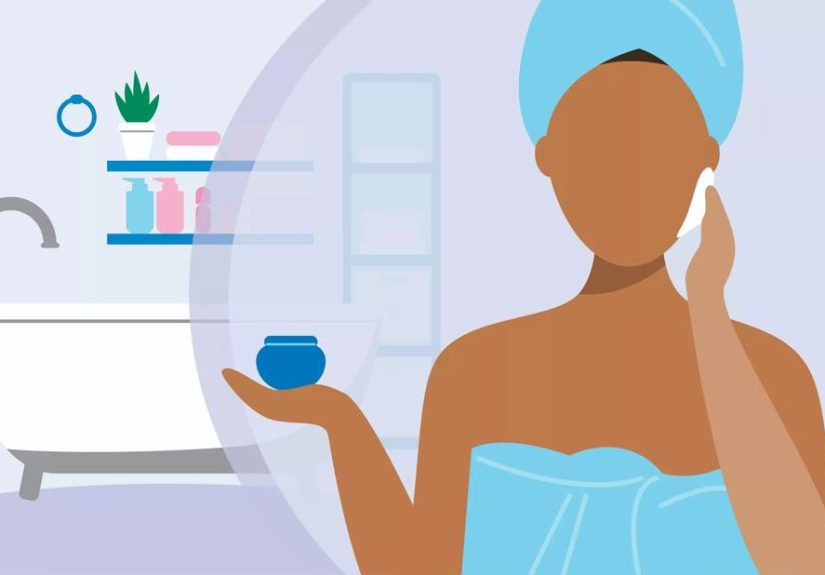
Apply moisturizer right after bathing, while your skin is still slightly damp. This helps lock in hydration. For very dry plaques, ointments usually outperform lightweight lotions. A simple routine is often the best one: morning application, post-shower application, and another layer before bed on stubborn spots like elbows, knees, and hands.
2. Take Short, Lukewarm Baths or Showers
A bath can help psoriasis, but only if it does not turn into a skin-drying marathon. Hot water may feel glorious for about 90 seconds, then it can leave skin drier and angrier. Stick with lukewarm water and keep showers short.
Wash gently instead of scrubbing. Psoriasis plaques are already irritated, so aggressive rubbing is not “exfoliation.” It is more like sending your skin a threatening letter. Pat dry instead of rubbing with a towel, then moisturize immediately.
3. Try a Colloidal Oatmeal Bath for Itch Relief
Colloidal oatmeal is a classic skin-soothing ingredient for a reason. In bath form, it may help relieve itching, dryness, and irritation. This is not the same as tossing breakfast oats into the tub and hoping for spa magic. Look for finely milled colloidal oatmeal products made for skin care.
An oatmeal soak can be especially helpful when plaques feel itchy and tight. It is a comfort measure, not a cure, but sometimes comfort is exactly what you need to stop scratching and making a flare worse.
4. Add Epsom Salts or Dead Sea Salts to the Bath
Warm baths with Epsom salts or Dead Sea salts may help loosen scales and reduce discomfort. Many people find these soaks soothing, especially during drier seasons when plaques feel extra rough and flaky.
The key is moderation. Use warm, not hot, water, soak briefly, and moisturize right afterward. Salts can help soften scales, but if you skip the moisturizer step, your skin may dry out and protest later.
5. Switch to Gentle, Fragrance-Free Cleansers
Harsh soaps, heavy fragrance, and overly “refreshing” body washes can make psoriasis worse. If your cleanser leaves your skin squeaky clean, your skin barrier may be filing a formal complaint. Choose mild, fragrance-free cleansers designed for sensitive or dry skin.
This is a small change that can make a surprisingly big difference, especially if your psoriasis affects large areas or if you wash your hands often. The goal is to clean the skin without stripping it.
6. Use Cool Compresses When the Itch Starts Winning
When psoriasis itches, scratching is tempting, but it often makes plaques more inflamed and can even trigger new spots after skin injury. A cool, damp washcloth or compress is a much smarter move. Cooling the area can temporarily reduce itch and calm the urge to claw at your own arm like a stressed-out raccoon.
Use cool compresses for several minutes at a time, especially on small, intensely itchy patches. Pairing this with moisturizer can be even more helpful.
7. Run a Humidifier in Dry Weather
Dry air is not a friend to psoriasis. Winter heat, cold outdoor air, and indoor air conditioning can all pull moisture from the skin. If your plaques predict the weather better than the forecast does, a humidifier may help.
Adding moisture to the air can reduce skin dryness and support the barrier your skin is trying very hard to maintain. It is especially useful in bedrooms, where skin spends hours rubbing against sheets and losing moisture overnight.
8. Get Careful, Limited Sunlight
For some people, small amounts of natural sunlight can improve psoriasis symptoms. Ultraviolet light can slow skin cell turnover, which is why medically supervised phototherapy is a real treatment. But this is where common sense needs to be in the driver’s seat.
A little sun may help. Too much sun can cause sunburn, and sunburn can trigger a flare. So if you use sunlight as part of your routine, keep it controlled, talk with your healthcare provider, and protect unaffected skin with sunscreen and clothing. This is “measured exposure,” not “accidental roast.”
9. Practice Stress Relief Like It Is Part of Skin Care
Stress is a very common psoriasis trigger. That does not mean your skin is imaginary or “just anxiety.” It means your body and mind are on the same group chat, and stress likes to hit reply-all. Meditation, yoga, breathing exercises, journaling, therapy, and even brief mindfulness breaks may help reduce flare frequency for some people.
You do not need a candle collection and a mountain retreat. Five to ten minutes of breathing exercises, stretching, or guided meditation can be a realistic starting point. If stress seems tightly linked to your flares, this is one of the most practical home remedies you can try.
10. Improve Sleep Quality
Psoriasis and poor sleep can feed each other. Itch makes it hard to sleep, and lack of sleep may worsen stress and inflammation. That is a rude little cycle, but it can be interrupted.
Create a cooler sleep environment, moisturize before bed, keep nails trimmed, and avoid irritating fabrics. If nighttime itching is a major issue, mention it to your doctor because sleep loss can seriously affect quality of life.
11. Eat an Anti-Inflammatory, Mediterranean-Style Diet
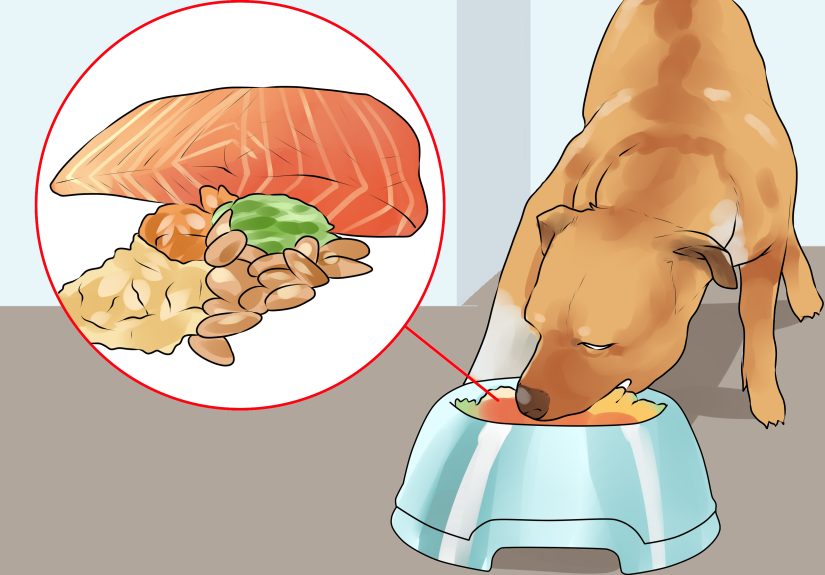
There is no single “psoriasis diet” that works for everyone, but a balanced eating pattern may help some people reduce inflammation and support overall health. Many experts point toward a Mediterranean-style approach: fruits, vegetables, whole grains, beans, fish, nuts, olive oil, and lean proteins.
That means your plate might look less like fast-food roulette and more like salmon with vegetables, lentil soup, Greek-style salads, oatmeal with berries, or a grain bowl with olive oil and beans. Some people also find it useful to cut back on heavily processed foods, refined carbs, and excess sugar if those seem to worsen symptoms.
12. Maintain a Healthy Weight and Keep Moving
Body weight and psoriasis severity can be connected, and regular movement can support weight management, stress relief, sleep, and overall inflammation control. You do not need to become a marathon runner unless that is genuinely your thing.
Walking, swimming, cycling, strength training, yoga, or low-impact home workouts can all be helpful. The best exercise plan is usually the one you can actually stick with without hating every second of it.
13. Avoid Scratching and Protect Skin From Injury
Psoriasis can flare after cuts, scrapes, bug bites, bad sunburns, or repeated scratching. This response to skin injury is a well-known issue, so protecting the skin matters. Keep nails short, wear soft fabrics, moisturize often, and treat itch early.
If shaving, waxing, or certain hair products irritate your skin, adjust your routine. Even small injuries can lead to new lesions in some people, so gentle skin care is not being fussy. It is strategy.
14. Use Complementary Topicals Carefully: Aloe Vera Is the Best-Known Option
Among plant-based options, aloe vera has some support as a soothing topical for redness and scaling, especially in mild psoriasis. If you try it, choose a simple product meant for skin use and patch test first.
Other complementary remedies, such as apple cider vinegar for scalp itch, mahonia-containing creams, or turmeric, get a lot of attention, but the evidence is more limited or mixed. Some can irritate broken skin or interact with medications. Natural does not always mean gentle, and it definitely does not always mean wise. When in doubt, ask your dermatologist before adding a new herbal product or supplement.
Natural Remedies for Psoriasis That Deserve Extra Caution
Not every popular remedy belongs in your routine. Tea tree oil can trigger irritation or allergy in some people. Apple cider vinegar may sting badly on cracked, bleeding, or inflamed skin. Essential oils are often marketed as soothing, but they are not first-line psoriasis treatments, and some can make skin more sensitive or irritated.
Supplements deserve caution, too. A label that says “immune support” is not automatically helpful for an immune-mediated skin condition. If you take prescription medicine or have other health issues, always ask a clinician before starting supplements or concentrated herbal products.
When Home Remedies Are Not Enough
Home remedies for psoriasis can make life easier, but they are not always strong enough on their own. It is time to talk to a healthcare professional if plaques are widespread, painful, infected, cracking and bleeding, or not improving. You should also get medical help if you have joint pain, swelling, morning stiffness, nail changes, or symptoms that suggest psoriatic arthritis.
See a doctor sooner rather than later if your psoriasis suddenly changes, covers sensitive areas like the face or genitals, or starts interfering with sleep, work, relationships, or mental health. You do not get bonus points for suffering in silence. You just get more suffering.
What Real-Life Psoriasis Self-Care Often Feels Like
Living with psoriasis is often less about one dramatic before-and-after moment and more about a long string of tiny decisions. People commonly describe it as a condition that demands attention even when they would really rather think about literally anything else. A shower is not just a shower. It becomes a negotiation about water temperature, cleanser choice, towel pressure, and whether there is enough moisturizer left in the jar to survive the week.
Many people notice that their best stretches do not come from one “miracle remedy,” but from stacking simple habits. Moisturizer after bathing. A humidifier when the weather turns cold. A softer shirt instead of a scratchy one. Better sleep when itching is under control. Less processed food because they feel better overall. None of these changes sounds glamorous, but together they can make plaques feel less tight, less flaky, and less demanding.
Stress shows up in these experiences again and again. Someone may have a steady routine for weeks, then a family problem, exam period, work deadline, breakup, move, or illness comes along, and suddenly the skin seems to erupt right on schedule. That pattern can feel frustrating, even unfair. But it also helps many people recognize that mental well-being is not separate from skin care. A walk, therapy session, breathing exercise, yoga class, or support group may not sound like a “skin treatment,” yet for some people it changes the rhythm of flares in a very real way.
There is also a strong trial-and-error element. One person loves oatmeal baths. Another finds them messy and underwhelming. One person swears their scalp feels calmer after simplifying hair products. Another realizes that alcohol is a bigger trigger than food ever was. Some people keep a symptom journal and slowly figure out what tends to happen before a flare. That detective work can be annoying, but it often gives people back a sense of control.
Another common experience is the social side of psoriasis. People may worry about flakes on dark clothing, avoid short sleeves, or feel embarrassed when someone asks whether the patches are contagious. Home care routines can help physically, but they also help emotionally because they create a sense of preparedness. Carrying moisturizer, wearing sunscreen, planning for dry weather, and treating itchy spots early can reduce the panic factor.
Over time, many people say the goal changes. In the beginning, they may chase perfect skin. Later, they often aim for something more realistic and kinder: fewer flares, better comfort, less itching, better sleep, less shame, and a routine they can actually keep. That is an important shift. Psoriasis self-care is rarely about doing everything perfectly. It is about building habits that make your skin easier to live in.
Conclusion
The best natural and home remedies for psoriasis are not flashy. They are practical, consistent, and boring in the most useful way. Moisturizing, gentle bathing, trigger management, careful sunlight, better stress control, healthy eating, and smart daily skin care can all help reduce discomfort and support healthier skin.
If your psoriasis is mild, these habits may make a noticeable difference. If your psoriasis is moderate or severe, they can still play a powerful supporting role alongside prescription treatment. Either way, the message is the same: psoriasis may be persistent, but you are not powerless. A smart home routine can go a long way toward making flare-ups shorter, calmer, and much easier to manage.