Table of Contents >> Show >> Hide
- Quick Answer: Which Dishwasher Detergent Wins?
- Pods: The Best Dishwasher Detergent for Convenience and Heavy-Duty Cleaning
- Powder: The Most Underrated Dishwasher Detergent on the Shelf
- Liquid: The Flexible Middle Ground
- What Actually Determines Dishwasher Detergent Performance?
- How to Choose the Best Dishwasher Detergent for Your Home
- Best Practices No Matter Which Dishwasher Detergent You Buy
- The Final Verdict: Pods, Powder, or Liquid?
- Real-World Experiences: What People Learn After Actually Using Pods, Powder, and Liquid
- SEO Tags
Note: Publish-ready HTML body only. No source URLs included.
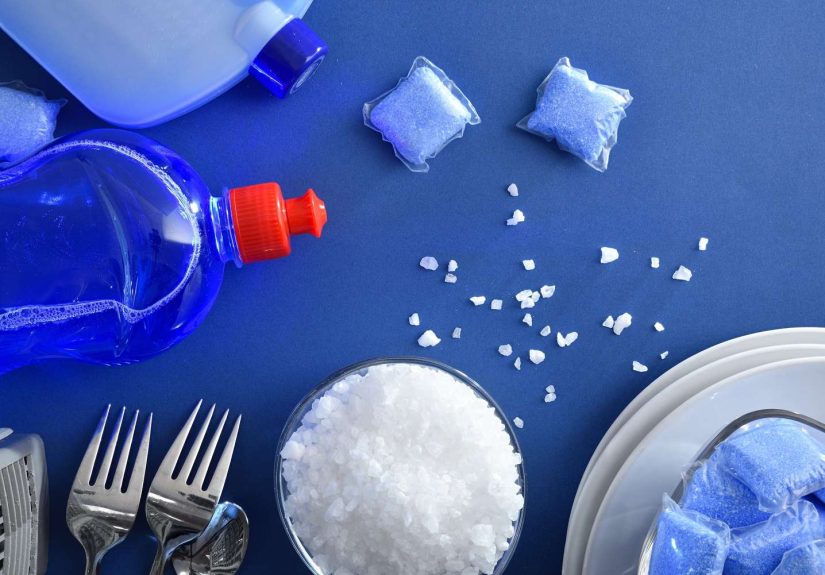
Choosing a dishwasher detergent should be simple. Instead, the cleaning aisle greets you like a game show: pods in shiny bags, powder in old-school boxes, liquid in squeeze bottles, and every label promising “spotless brilliance” as if your forks are about to audition for a jewelry commercial. So which dishwasher detergent actually works bestpods, powder, or liquid?
The honest answer is gloriously unglamorous: it depends on your dishwasher, your water, your wash cycle, and how chaotic your dinner plates look after taco night. Still, there is a practical winner for most households. Pods are usually the best all-around choice for cleaning power and convenience, powder is the best value and the most flexible, and liquid is the easiest to dissolve and often the gentlest option for quick or cooler cycles.
That means there is no single universal champion for every kitchen. There is, however, a clear best pick for different situations. Let’s break it all down without turning this into a chemistry lecture that ruins your lunch.
Quick Answer: Which Dishwasher Detergent Wins?
If you want the shortest useful answer possible, here it is:
- Best overall for most households: Pods
- Best for budget and dose control: Powder
- Best for easy dissolving and lighter loads: Liquid
Pods tend to come out on top because they are premeasured, easy to use, and often combine multiple cleaning agents in one small package. Many modern pods include enzymes, rinse-aid-style benefits, and boosters designed to attack dried-on food without requiring you to pre-rinse everything like it is 1997.
Powder deserves more respect than it gets. It is usually cheaper per load, lets you control how much detergent you use, and can be especially helpful if you have hard water or want to fine-tune your wash. It is the quiet overachiever of the detergent worldthe sensible sedan parked between flashy sports cars.
Liquid dishwasher detergent is the easiest to dispense and dissolves readily, especially in short or cooler cycles. It can be a solid choice for lightly soiled dishes, greasy residue, or homes where you do not want the fixed dosage of a pod. Its downside is that it is easier to overpour, and when that happens, you can end up with residue, cloudy glassware, or a dishwasher that feels personally offended.
Pods: The Best Dishwasher Detergent for Convenience and Heavy-Duty Cleaning
Pods are the reigning champions of modern dishwasher detergent for a reason. They are tidy, fast, and blessedly simple. You grab one, drop it into the dispenser, close the lid, and move on with your life. No scooping. No squeezing. No powder puff cloud drifting across the counter like a tiny detergent ghost.
Why pods work so well
Most high-performing pods are designed as compact multi-action formulas. That means they may combine powder and gel components, plus ingredients intended to tackle proteins, starches, grease, and dried-on messes in one dose. For households that regularly run full loads with crusty casserole dishes, coffee mugs, bowls with dried oatmeal, or that baking dish you left “to soak” for two days, pods are usually the strongest and most consistent choice.
Best reasons to choose pods
- Premeasured, so there is less guesswork
- Strong overall cleaning performance
- Often effective on baked-on or dried-on food
- Great for busy households that want grab-and-go convenience
- Less likely than liquid to be overused
When pods are not the perfect hero
Pods are not magic jellybeans. They can struggle when the cycle is too short, the water is too cool, or the pod is placed incorrectly. If a pod does not dissolve fully, you may find detergent residue or partially cleaned dishes. That is why proper placement matters. In most machines, the pod belongs in the main detergent compartmentnot tossed into the bottom of the tub like a dramatic mic drop.
Pods also cost more per load than powder in many cases. If you run your dishwasher often, that difference adds up over time. And because the dose is fixed, pods are less flexible when you are washing a half-load of lightly soiled dishes.
Powder: The Most Underrated Dishwasher Detergent on the Shelf
Powder detergent is the veteran player who has been doing the job for years while newer products get all the flashy marketing. Is it glamorous? No. Is it effective? Absolutelyespecially when you use it correctly.
Why powder still matters
Powder gives you control. That is its superpower. You can use a little for a lightly soiled load or more for pots, pans, and dishes that look like they survived a lasagna-related disaster. If your home has hard water, powder can also be a practical option because it pairs well with dosage adjustments and other water-treatment strategies.
Best reasons to choose powder
- Usually the most economical choice
- Easy to adjust for load size and soil level
- Often effective on baked-on food
- Helpful if you want tighter control over detergent use
- Can be a better environmental choice than pods in some comparisons
Powder’s weaknesses
Powder has a few bad habits. It can clump when exposed to moisture, lose effectiveness as it ages, and leave residue if you use too much or wash with cooler water. It also requires measuring, which is not difficult, but does create an opportunity for human creativity. And by “creativity,” I mean overpouring because the measuring line looked more like a suggestion than a rule.
If you want maximum control and lower cost, powder is excellent. If you want foolproof convenience before your first cup of coffee, powder may feel like extra homework.
Liquid: The Flexible Middle Ground
Liquid dishwasher detergent lives in the middle lane. It is not as trendy as pods or as frugal-legendary as powder, but it does have a place in the conversation.
Why liquid can be a smart pick
Liquid dissolves easily, which makes it especially useful in short cycles, cooler washes, or lighter everyday loads. It can also do a nice job on greasy soils. If your dishwasher use is mostly plates, cups, utensils, and lunch containers rather than scorched roasting pans, liquid may be all you need.
Best reasons to choose liquid
- Easy to pour and adjust
- Dissolves quickly
- Can work well in short or cool cycles
- Often gentler on glassware than harsher formulas
- Good for lighter or less crusty loads
Where liquid falls short
Liquid is more prone to overuse than pods and can be weaker than top-performing pod or powder formulas on stubborn, baked-on food. Too much liquid detergent can leave behind film, cloudiness, or residue. It can also separate in storage, so shaking the bottle and keeping it sealed matters more than many people realize.
In other words, liquid is capable, but it wants a little respect. Measure it well, use it for the right loads, and it behaves. Free-pour it with the confidence of a cooking show host? That is how your wine glasses start looking slightly haunted.
What Actually Determines Dishwasher Detergent Performance?
If you have ever switched detergents and seen zero improvement, the problem may not be the detergent type at all. A few hidden factors decide whether pods, powder, or liquid will shine.
1. Water hardness
Hard water can leave spots, chalky film, and that annoying cloudy look on glasses. In homes with hard water, powder can be especially useful because you can adjust the dose more precisely. Rinse aid also matters here. If your glasses look like they spent a weekend in a limestone cave, hard water is probably involved.
2. Cycle length and temperature
Pods and powders often do best in standard or heavy cycles with enough time and heat to dissolve properly. If you rely on quick wash or eco cycles, liquid may have an edge because it dissolves faster. That does not mean pods never work in those cyclesjust that they can be less reliable if conditions are not ideal.
3. Soil level
Lightly dirty dishes do not need a heavyweight detergent dose. A fixed pod can be overkill for a few plates and glasses. Heavily soiled loads, on the other hand, may overwhelm weaker liquid formulas. Match the detergent to the mess, not just the marketing.
4. Storage conditions
Powder hates humidity. Pods hate moisture on your hands and inside the dispenser. Liquid can separate over time. However good the formula is, it still needs proper storage. Detergent is not immortal just because it lives under the sink.
5. Dishwasher maintenance
A clogged filter, grimy spray arms, or a neglected machine can make any detergent look bad. Before declaring war on an innocent pod, check whether your dishwasher itself needs a little attention.
How to Choose the Best Dishwasher Detergent for Your Home
Choose pods if…
You want the simplest option, run regular or heavy cycles, wash full loads often, and care most about strong all-around cleaning. Pods are especially appealing for families, busy households, and anyone who wants consistent results with minimal fuss.
Choose powder if…
You want to save money, adjust your dose, deal with hard water, or avoid paying a premium for convenience. Powder is the practical favorite for people who like control and do not mind measuring.
Choose liquid if…
You run quick cycles, wash lighter loads, want easy dissolving, or prefer a gentler approach for everyday dishes and glassware. Liquid can be a smart choice when your dishwasher routine is more “weeknight reset” than “post-holiday cleanup operation.”
Best Practices No Matter Which Dishwasher Detergent You Buy
- Use only detergent designed for automatic dishwashers
- Do not use more detergent than necessary
- Store detergent in a cool, dry place
- Place pods in the dispenser unless your manual says otherwise
- Use rinse aid if you struggle with spots or hard water
- Clean your dishwasher filter and interior regularly
- Do not assume expensive always means better in your machine
And one more gentle reminder: hand dish soap does not belong in the dishwasher. Unless your dream kitchen aesthetic is “foam party in the cabinets,” keep those products in separate lanes.
The Final Verdict: Pods, Powder, or Liquid?
Pods work best for most people. They offer the strongest mix of convenience, consistency, and cleaning power, especially for heavily soiled dishes and standard wash cycles.
Powder is the smartest value choice. It is affordable, adjustable, and often excellent for households with hard water or people who want tighter control over how much detergent they use.
Liquid is the best specialist option. It shines on lighter loads, dissolves quickly, and fits homes that rely on shorter or cooler cycles.
So if you are standing in the cleaning aisle wondering which bottle, box, or bag deserves your money, here is the simplest rule: buy pods for convenience and strong performance, buy powder for savings and flexibility, and buy liquid when quick-dissolving ease matters most.
That is the real answer. No mystery. No gimmick. Just one tiny decision that can make your dishes cleaner and your mornings slightly less annoying, which, honestly, is a pretty respectable household victory.
Real-World Experiences: What People Learn After Actually Using Pods, Powder, and Liquid
In real kitchens, dishwasher detergent choices become less theoretical and much more personal. The family with three kids, a mountain of lunch containers, and a nightly full load often ends up loving pods because they remove one decision from a very busy evening. Nobody has to measure anything, nobody argues over how much is “about right,” and the results are usually consistent. When dinner has involved baked pasta, barbecue sauce, or scrambled eggs welded onto plates with the determination of industrial glue, pods often feel like the dependable overachiever.
Then there is the budget-conscious household that runs the dishwasher carefully and notices every grocery receipt. For them, powder often feels like finding out the quiet kid in class was secretly the valedictorian. It is cheaper, lasts a long time, and lets them use less on lighter loads. People who switch from pods to powder sometimes say the biggest surprise is not that powder works, but that it works well when paired with the right amount and a good cycle. The learning curve is small, but it exists: too much powder can leave film, too little can leave food behind, and a damp box can turn the whole experience into a scoopable brick.
Liquid tends to build a loyal following among people who want more control but do not want to fuss with powder. In everyday use, it often feels practical and forgiving, especially for lighter loads or quick cleanups. Someone who mostly washes plates, coffee mugs, stemware, and snack bowls may find liquid perfectly adequate. It pours easily, dissolves quickly, and does not demand much ceremony. The most common complaint is not that it fails completely, but that it can be inconsistent when people eyeball the amount. Many users discover they were using too much all along, which explains the mystery haze on their glasses and that vague suspicion that the dishwasher was being dramatic.
Hard water changes the experience fast. In homes with mineral-heavy water, detergent reviews can sound like people are talking about entirely different products because, in practice, they almost are. A pod that works beautifully in one kitchen may leave spots in another. Powder gets extra praise here because people can tweak the dose, and some notice that once they adjust the amount and add rinse aid, their dishwasher suddenly seems far more competent. It is not that the machine changed personalities overnight. It just finally got the chemistry memo.
Another common real-world lesson is that dishwasher detergent performance is tied to habits. People often blame the detergent first, but later discover the real culprit was a clogged filter, a blocked spray arm, or a quick cycle that never gave the detergent enough time to do its job. Once the machine is cleaned and the cycle matches the load, the “bad” detergent mysteriously improves. Funny how that works.
What most experience-based comparisons reveal is simple: pods usually win for convenience and strong everyday results, powder wins for economy and customization, and liquid wins for ease and lighter-duty flexibility. The best choice is rarely the one with the loudest packaging. It is the one that fits how your household actually cooks, loads dishes, and runs the machine on a random Wednesday night.