Table of Contents >> Show >> Hide
- What Is Zazen Meditation?
- How Zazen Meditation Works
- Types of Zazen Meditation
- Benefits of Zazen Meditation
- How to Practice Zazen Meditation: A Beginner-Friendly Guide
- Common Mistakes Beginners Make
- Who Should Be Careful With Zazen?
- Zazen vs. Mindfulness Meditation: Are They the Same?
- Real-Life Experiences With Zazen Meditation
- Conclusion
- SEO Metadata
Note: This article is for general wellness education only. Zazen meditation can support calm, focus, and self-awareness, but it is not a replacement for medical care, therapy, prescribed medication, or professional mental health support.
Zazen meditation sounds mysterious at first, mostly because the word has the elegant confidence of something that probably owns a very quiet teapot. But at its heart, zazen is beautifully simple: sit down, breathe naturally, stay awake, and notice what is happening without chasing it like a dog after a tennis ball.
The word zazen is often translated as “seated meditation.” It is a central practice in Zen Buddhism, especially in Japanese Zen traditions such as Soto and Rinzai. Unlike some meditation styles that focus heavily on visualization, affirmations, or guided relaxation, zazen is usually plain, direct, and surprisingly honest. You sit with your body, your breath, your thoughts, your boredom, your brilliant insights, your itchy ankle, and the part of your mind that suddenly remembers a grocery item from 2017.
Although zazen has deep spiritual roots, many modern practitioners also approach it as a practical way to reduce stress, build attention, improve emotional balance, and become less reactive in daily life. You do not need to become a monk, shave your head, or move to a mountain temple. You only need a seat, a little patience, and a willingness to meet your own mind without immediately trying to redecorate it.
What Is Zazen Meditation?
Zazen meditation is a form of sitting meditation practiced in Zen Buddhism. The basic posture is upright and stable, the breath is natural, and the mind is encouraged to remain present without clinging to thoughts, emotions, or sensations. Rather than forcing the mind to become blank, zazen teaches you to see thoughts arise and pass away.
That distinction matters. Many beginners believe meditation means “stop thinking.” This is a bit like believing fitness means “stop having muscles.” Thoughts are not the enemy. In zazen, the practice is to notice thinking without becoming tangled in it. A thought appears. You see it. You return to posture, breath, or open awareness. Repeat. Then repeat again. Then repeat after thinking about lunch. That is the practice.
Zazen is often associated with three foundations: body, breath, and mind. The body is arranged in a grounded posture. The breath settles naturally. The mind is allowed to become clear not by force, but by steady attention. Over time, this simple structure can create a powerful shift in how a person relates to stress, discomfort, distraction, and everyday emotional weather.
How Zazen Meditation Works
The Body: Stable but Not Stiff
Traditional zazen is practiced on a round cushion called a zafu, often placed on a mat called a zabuton. Practitioners may sit in full lotus, half lotus, Burmese posture, kneeling posture, or on a meditation bench. However, modern Zen centers commonly welcome chair sitting as well. The important point is not performing a heroic pretzel pose. The point is creating a posture that is alert, balanced, and sustainable.
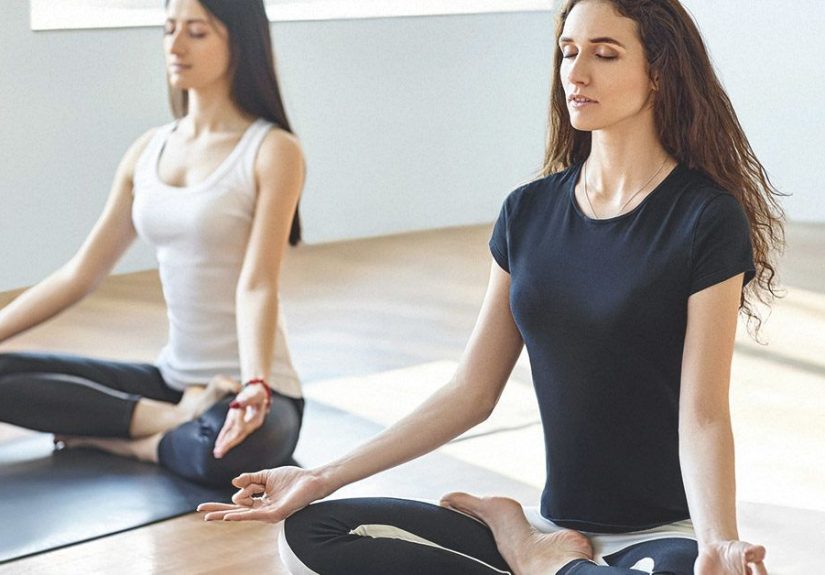
A useful zazen posture has a tall spine, relaxed shoulders, a slightly tucked chin, and a sense of upward lift through the crown of the head. The hands may form the cosmic mudra, with one hand resting in the other and the thumbs lightly touching. The eyes are often kept slightly open, resting softly downward, which helps prevent drifting into daydreaming or sleep.
The Breath: Natural and Grounding
In zazen, breathing is usually done through the nose when possible. Some teachers guide beginners to count breaths from one to ten, then begin again. Others recommend simply feeling the breath in the belly or allowing attention to rest with the natural rhythm of inhaling and exhaling.
The breath is not meant to be dramatic. No need to breathe like a dragon guarding ancient treasure. Zazen breathing is quiet, steady, and unforced. As the body settles, the breath often becomes slower and deeper on its own.
The Mind: Aware, Awake, and Unclenched
The mental instruction in zazen is simple but not always easy: let thoughts come and go. When a thought appears, do not wrestle with it, analyze it, decorate it, or build a vacation home inside it. Notice it and return. This return is not a failure. It is the exercise itself.
Types of Zazen Meditation
Different Zen traditions and teachers describe zazen in different ways. Some emphasize breath awareness, some emphasize koan practice, and some emphasize “just sitting.” Here are the major types and approaches beginners are most likely to encounter.
1. Breath-Counting Zazen
Breath counting is one of the most beginner-friendly forms of zazen. You sit upright, breathe naturally, and count each breath up to ten. When you lose count, which may happen approximately four seconds after beginning, you simply return to one.
This method develops concentration and gives the mind a simple anchor. It is especially helpful for people whose thoughts arrive like a browser with 47 tabs open.
2. Breath-Awareness Zazen
In breath-awareness practice, you do not necessarily count. Instead, you feel the breath directly. You might notice the air at the nostrils, the movement of the belly, or the whole body breathing. The goal is not to control the breath, but to stay intimate with it.
This type of zazen can feel softer than counting. It trains attention while also encouraging calm, patience, and body awareness.
3. Shikantaza: Just Sitting
Shikantaza is often translated as “just sitting.” It is strongly associated with Soto Zen. In this practice, there is no single object of meditation. You sit upright in open awareness, letting sounds, sensations, thoughts, and feelings arise and pass without grabbing onto them.
Shikantaza may sound easy because there is “nothing to do.” Then you try it and discover that doing nothing is apparently one of the hardest things a human nervous system can be asked to do. Still, with practice, it can become a deep training in presence and non-reactivity.
4. Koan Zazen
Koan practice is often associated with Rinzai Zen, though not exclusively. A koan is a brief story, question, or phrase used to challenge ordinary logical thinking. Famous examples include questions such as “What is the sound of one hand?”
In koan zazen, the practitioner may sit with the koan, not as a puzzle to solve intellectually, but as a way to bring the whole body-mind into inquiry. This type of practice is best learned with a qualified teacher because koans can be easily misunderstood when treated like riddles from a philosophy-themed escape room.
5. Kinhin: Walking Meditation Between Sitting Periods
Kinhin is walking meditation often practiced between periods of zazen. It helps maintain mindfulness while moving and gives the legs a civilized chance to rejoin society. The pace may be very slow or more natural depending on the tradition.
Although kinhin is not seated meditation, it is closely connected to zazen. It teaches that meditation is not limited to a cushion. Awareness can continue while walking, washing dishes, answering email, or choosing not to argue with a printer.
6. Sesshin and Zazenkai Practice
A zazenkai is often a half-day or one-day sitting practice. A sesshin is a more intensive retreat, traditionally involving multiple periods of sitting, walking meditation, chanting, work practice, meals, and rest. These formats give practitioners a deeper container for zazen than a short home session.
For beginners, a short introductory session at a local Zen center or online group can be more useful than trying to invent everything alone. Community practice can provide posture guidance, accountability, and reassurance that yes, everyone else’s knees also have opinions.
Benefits of Zazen Meditation
Stress Reduction
One of the most common reasons people try zazen meditation is stress. Sitting quietly, breathing naturally, and observing thoughts can help interrupt the cycle of rumination. Instead of automatically believing every anxious thought, you begin to recognize thoughts as events in the mind.
This can create space between stimulus and response. A stressful email arrives. Before zazen, you may react instantly. After consistent practice, you may still reactbut perhaps after one full breath, a calmer reply, and fewer dramatic facial expressions.
Better Focus and Attention
Zazen trains attention through repetition. Whether you count breaths, follow the breath, or practice open awareness, you repeatedly notice distraction and return. That returning strengthens concentration in a practical way.
This can be especially helpful in a world designed to scatter attention. Zazen does not magically delete distractions, but it can improve your ability to notice when your mind has wandered and gently bring it back.
Emotional Balance
By observing thoughts and emotions without immediately acting on them, zazen can support emotional regulation. Anger, sadness, worry, and excitement can all be noticed as changing experiences rather than permanent identities.
This does not make a person emotionless. In fact, many practitioners report becoming more emotionally honest. The difference is that feelings become something to meet, not something that automatically drives the car.
Support for Anxiety, Low Mood, and Pain Management
Research on meditation and mindfulness suggests benefits for anxiety, depression, stress, and pain, though the strength of evidence varies by condition and practice type. Zazen should not be presented as a cure-all. It is better understood as a supportive practice that may work alongside healthy routines, therapy, medical treatment, exercise, sleep care, and social support.
For pain, zazen may not remove the sensation, but it can change the relationship to discomfort. Practitioners learn to distinguish direct sensation from the extra layer of mental resistance: “This hurts,” followed by “This will ruin my entire life,” followed by “I should have bought a better chair.” Awareness can soften that second and third layer.
Improved Sleep Readiness
Zazen is not a sleeping pill, and technically the practice asks you to stay awake. Still, regular meditation may help some people unwind by reducing mental overactivity. A short evening sit can become a transition ritual: the day is done, the phone is not the boss, and the mind can stop hosting emergency meetings about tomorrow.
Greater Self-Awareness
Zazen has a way of showing you your patterns. You may notice impatience, perfectionism, self-criticism, fantasy, planning, resentment, or the sudden urge to reorganize your sock drawer instead of sitting for five more minutes.
This is not bad news. Seeing a pattern clearly is the first step toward freedom from it. Zazen does not demand that you become a different person overnight. It invites you to become less fooled by your automatic habits.
How to Practice Zazen Meditation: A Beginner-Friendly Guide
Step 1: Choose a Quiet Place
Find a clean, simple space where you are unlikely to be interrupted. It does not need to look like a temple. A corner of a bedroom, a chair by a window, or a quiet office space can work.
Step 2: Set a Realistic Time
Start with five to ten minutes. Consistency matters more than drama. Sitting for eight minutes every day is more useful than attempting one heroic forty-five-minute session and then avoiding the cushion for three weeks.
Step 3: Sit Upright
Use a cushion, bench, or chair. Keep the spine tall but not rigid. Let the shoulders relax. Place the hands comfortably, either in the lap or in a traditional mudra. If you use a chair, keep both feet on the floor.
Step 4: Soften the Gaze
Keep the eyes slightly open if that feels comfortable, with the gaze resting downward. If this is too distracting, you may close the eyes lightly, but be aware that sleepiness may increase.
Step 5: Breathe Naturally
Let the breath come and go. If you are counting, count from one to ten and begin again. If you lose count, return to one without scolding yourself. The return is the practice.
Step 6: Let Thoughts Pass
When thoughts arise, notice them. Do not chase them. Do not fight them. Come back to the body, breath, or open awareness. This may happen hundreds of times. That does not mean you are bad at zazen. It means you are awake enough to notice.
Common Mistakes Beginners Make
Trying to Empty the Mind
The mind produces thoughts. That is what it does. Zazen is not about creating a blank screen. It is about changing your relationship to the movie.
Sitting Through Sharp Pain
Some discomfort may happen, especially when learning posture. Sharp, burning, or nerve-like pain is different. Adjust your position, use a chair, or seek guidance. Wisdom does not require sacrificing your knees to the meditation gods.
Expecting Instant Peace
Sometimes zazen feels peaceful. Sometimes it feels boring, restless, emotional, or ordinary. The benefit comes from steady practice, not from collecting perfect meditation experiences.
Turning Zazen Into Another Productivity Hack
Yes, zazen may improve focus. But if you approach it only as a way to become a calmer spreadsheet machine, you may miss its deeper gift. Zazen is not just about doing more. It is also about seeing clearly, living more honestly, and not being completely owned by every passing thought.
Who Should Be Careful With Zazen?
For most people, gentle meditation is considered safe. However, some individuals may experience distressing emotions, intrusive memories, panic, dissociation, or increased anxiety during silent practice. This can happen especially for people with trauma histories, severe depression, psychosis, or certain anxiety conditions.
If meditation feels overwhelming, stop and ground yourself. Open your eyes, feel your feet, look around the room, or speak with a qualified mental health professional. Trauma-informed guidance, shorter sessions, walking meditation, or practicing with a trusted teacher may be more supportive than long silent sits.
Zazen vs. Mindfulness Meditation: Are They the Same?
Zazen and mindfulness meditation overlap, but they are not identical. Mindfulness meditation is often taught in secular health settings as present-moment awareness with acceptance. Zazen comes from Zen Buddhist practice and includes a particular emphasis on posture, non-grasping awareness, and direct experience.
In practical terms, both can involve noticing thoughts, returning to the present, and developing steadiness. But zazen is usually less about relaxation as a goal and more about sitting fully with reality as it is. Relaxation may happen. Insight may happen. Boredom may also happen. Zazen welcomes the whole guest list.
Real-Life Experiences With Zazen Meditation
Many beginners describe their first zazen experience as a meeting with the loudest quiet room on earth. The body sits down, the timer starts, and suddenly the mind becomes a talk-show host with unlimited guests. One person may notice old conversations replaying. Another may spend seven minutes negotiating with an itch on the nose. Someone else may feel calm for thirty seconds and then wonder whether they are “doing it right.” This is normal. Zazen often begins not with bliss, but with the honest discovery that the mind is busier than expected.
After a few weeks of short daily practice, the experience often changes. Not necessarily into fireworks or cosmic poetry, but into something more useful: familiarity. A beginner may start recognizing the same mental loops. Planning. Worrying. Comparing. Rehearsing imaginary arguments. Instead of being swept away every time, the practitioner begins to notice, “Ah, planning is here,” or “Anxiety is here.” That small moment of recognition can be surprisingly powerful. It gives a person room to choose a response instead of living on autopilot.
In daily life, zazen may show up in ordinary situations. Imagine being stuck in traffic. Before practice, the mind might build an entire courtroom case against every driver on the road. With zazen training, irritation may still appear, but there is also awareness of the hands gripping the wheel, the breath becoming shallow, and the story forming in the mind. One breath later, the situation may not be pleasant, but it is more workable.
At work, zazen can help with attention. A person who practices breath counting may become quicker at noticing when they have drifted from a task into email, news, or social media. The benefit is not perfect focus. It is faster recovery. You wander, you notice, you return. That is zazen on the cushion and zazen in a spreadsheet.
In relationships, zazen may create a pause before reaction. During a tense conversation, a practitioner might feel anger rising in the chest or jaw. Instead of immediately launching the perfectly sharpened comeback, they may breathe, listen, and respond with slightly more care. This does not make anyone saintly. It simply makes the gap between feeling and action more visible.
Some people also report that zazen changes their relationship with silence. At first, silence can feel empty or awkward. Over time, it may become nourishing. Sitting quietly in the morning before the demands of the day can feel like cleaning a window. The world is not magically fixed, but it may be seen with less smudge.
The most realistic experience of zazen is gradual. It is not a straight road from stress to serenity. Some days feel clear. Some days feel messy. Some sessions are peaceful; others are basically a weather report of knee discomfort and unfinished errands. Yet the practice keeps offering the same invitation: sit down, wake up, return, and meet this moment without needing it to be different first.
Conclusion
Zazen meditation is simple, but not shallow. By sitting upright, breathing naturally, and allowing thoughts to come and go, practitioners train attention, patience, emotional balance, and self-awareness. Its benefits may include reduced stress, improved focus, better sleep readiness, and a healthier relationship with anxiety, discomfort, and everyday reactivity.
The best way to understand zazen is not to read about it forever, although reading is a very comfortable way to avoid actually sitting. Start small. Sit for five minutes. Let the breath breathe. Let thoughts pass. Return again and again. Over time, zazen becomes less like a technique you perform and more like a way of meeting life directlyone ordinary, extraordinary breath at a time.