Table of Contents >> Show >> Hide
- What Is Zaru Soba?
- Why This Zaru Soba Recipe Works
- Ingredients for Zaru Soba
- How to Make Zaru Soba
- Pro Tips for the Best Zaru Soba Recipe
- Common Mistakes to Avoid
- Easy Variations
- What to Serve with Zaru Soba
- Why Zaru Soba Deserves a Spot in Your Summer Rotation
- Experience: Why Making Zaru Soba Feels Like a Tiny Vacation
- Conclusion
- SEO Tags
Zaru soba is one of those dishes that feels almost suspiciously simple. You boil noodles, chill them, stir together a dipping sauce, scatter a few toppings around, and suddenly you have a meal that tastes elegant, refreshing, and far more sophisticated than the amount of effort suggests. It is the culinary equivalent of showing up to a summer party in linen and pretending you did not try very hard.
If you have never made zaru soba at home, this guide will walk you through everything: what it is, which noodles to buy, how to make a balanced dipping sauce, how to avoid gummy noodles, and how to serve it in a way that feels restaurant-worthy without requiring a culinary crisis. This Zaru Soba Recipe is built for home cooks who want authentic flavor, smart shortcuts, and a little room for personality.
What Is Zaru Soba?
Zaru soba is a classic Japanese dish of chilled soba noodles served on a tray or bamboo mat with a cold dipping sauce called tsuyu or mentsuyu. Instead of soaking the noodles in broth, you pick up a bite, dip it lightly into the sauce, and slurp. Yes, slurp. This is one of those moments when making a little noodle noise is part of the fun, not a breach of table manners.
The beauty of zaru soba lies in contrast. The noodles are cool and lightly nutty, the sauce is savory and a little sweet, and the toppings bring sharp, fresh, or peppery notes. Classic garnishes include shredded nori, sliced scallions, wasabi, and grated daikon radish. The result is light but satisfying, minimalist but layered, and ideal for warm weather when turning on the oven feels like a personal attack.
Why This Zaru Soba Recipe Works
This version keeps the spirit of traditional zaru soba while staying practical for an American kitchen. The noodles are cooked according to package directions, then rinsed and chilled thoroughly so they stay springy instead of sticky. The dipping sauce balances dashi, soy sauce, and mirin for a clean umami flavor that tastes restaurant-level but comes together quickly.
It also leaves room for flexibility. You can use homemade dashi, instant dashi, or even a good-quality bottled mentsuyu in a pinch. You can choose 100% buckwheat soba for a stronger, earthier flavor, or blended soba for noodles that are a little easier to handle. This is not a fussy recipe. It is a smart one.
Ingredients for Zaru Soba
For the Noodles
- 8 ounces dried soba noodles
- Cold water and ice, for chilling
- 1 sheet nori, cut into thin strips
- 2 scallions, thinly sliced
- 1 to 2 teaspoons wasabi, to serve
- 1/3 cup grated daikon radish, optional but excellent
For the Tsuyu Dipping Sauce
- 1 cup dashi
- 1/4 cup soy sauce
- 1/4 cup mirin
- 1 teaspoon sugar, optional
Ingredient Notes
Soba noodles: Check the label. Some soba noodles are made with a high percentage of buckwheat, while others contain more wheat flour. Higher buckwheat soba usually has a stronger flavor but can be more delicate. Blended soba is very common and often easier for beginners.
Dashi: This is the backbone of the dipping sauce. If you have homemade dashi, wonderful. If you use instant dashi, your kitchen will not explode and your noodles will still taste great.
Mirin: Mirin adds sweetness and gloss. It helps round out the saltiness of the soy sauce, which is important because the dipping sauce is intentionally concentrated.
Daikon and wasabi: These are not decorative side characters. They brighten each bite and keep the dish from feeling flat.
How to Make Zaru Soba
Step 1: Make the Dipping Sauce
Combine the dashi, soy sauce, mirin, and sugar in a small saucepan. Bring the mixture to a gentle simmer over medium heat and cook for 2 to 3 minutes. This helps the flavors blend and mellows the edge of the soy sauce and mirin. Remove from the heat and let it cool completely. Transfer it to the refrigerator until cold.
If you want the sauce slightly lighter, you can dilute it with a few tablespoons of cold water before serving. If you want it bolder, leave it as is. The key is to remember that this is a dipping sauce, not a soup broth, so it should taste stronger than you might expect on its own.
Step 2: Cook the Soba Noodles
Bring a large pot of water to a boil. Do not salt the water. Add the soba noodles and cook according to package directions, usually about 4 to 5 minutes for dried noodles. Stir gently at the start so they separate and cook evenly.
This is not the moment to wander away and start answering emails. Soba can go from pleasantly chewy to limp and tragic pretty quickly. Watch it closely and taste a strand a minute before the suggested time is up.
Step 3: Rinse, Wash, and Chill
Drain the noodles immediately and rinse them under very cold running water. Use your hands to gently rub and loosen them as you rinse. This step removes excess surface starch and helps create that clean, springy texture that makes zaru soba so good.
Then plunge the noodles into a bowl of ice water for 30 seconds to 1 minute. Drain very well. If the noodles are watery, the dipping sauce gets diluted and the whole experience becomes a little sadder than necessary.
Step 4: Plate the Noodles
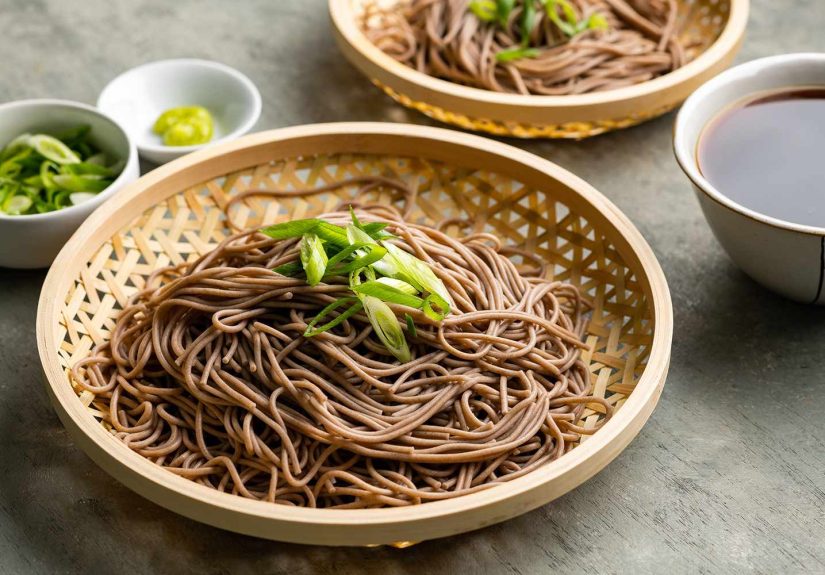
Arrange the chilled soba on a plate, tray, or bamboo mat if you have one. Sprinkle the shredded nori over the top. Serve the tsuyu in small cups or bowls on the side, along with scallions, wasabi, and grated daikon.
Step 5: Dip and Eat
To eat, add a little scallion, daikon, or wasabi to the dipping sauce, then dip a small bundle of noodles into the sauce before slurping. Dip lightly rather than soaking the noodles completely. You want flavor, not a salt bomb.
Pro Tips for the Best Zaru Soba Recipe
1. Follow the Package Timing
Soba varies a lot by brand. Some noodles are thin and delicate, others are sturdier. The package directions matter here more than they do for many other pastas.
2. Rinse More Than You Think You Need To
That cold rinse is not optional. It stops the cooking and washes away excess starch, which keeps the noodles from clumping into one buckwheat-flavored blob.
3. Chill the Sauce Fully
Zaru soba is all about temperature. Cold noodles with room-temperature sauce are still tasty, but cold noodles with properly chilled sauce are crisp, refreshing, and dramatically more satisfying.
4. Do Not Drown the Noodles
Dip only the lower half of the noodle bundle. This keeps the flavor balanced and preserves the contrast between the plain noodle and the concentrated sauce.
5. Use Good Garnishes
Nori, scallions, wasabi, and daikon are simple, but each one changes the bite. Skipping them is like buying a great blazer and forgetting the shirt.
Common Mistakes to Avoid
- Overcooking the soba: This makes the noodles soft and gummy.
- Skipping the rinse: Without rinsing, the noodles stay starchy and sticky.
- Serving watery noodles: Drain thoroughly so the sauce stays flavorful.
- Using weak sauce: Tsuyu should be assertive because only a little clings to the noodles.
- Buying random “soba” without checking the label: Some products contain very little buckwheat and taste more like generic pasta wearing a fake mustache.
Easy Variations
Vegetarian Zaru Soba
Use kombu or shiitake dashi instead of bonito-based dashi. You still get depth and umami, just without the fish element.
Shortcut Version
Use bottled mentsuyu and dilute according to the label. This is perfect for busy weeknights when the goal is dinner, not proving anything to anyone.
Extra-Refreshing Summer Plate
Add sliced cucumber, shiso, or chilled tomato wedges on the side. These are not traditional in every version, but they pair beautifully with the cold noodles.
Protein Add-Ons
Serve with tempura shrimp, grilled tofu, or a soft-boiled egg. Zaru soba is often a light meal, but it can easily become a more filling lunch or dinner.
What to Serve with Zaru Soba
Zaru soba is wonderful on its own, but it also plays well with a few simple sides. Edamame, cucumber salad, tamagoyaki, or light tempura all work beautifully. If you want a more complete spread, add chilled tofu with ginger and soy sauce, or a crisp vegetable side with sesame dressing.
And if you are serving guests, this dish has a secret social advantage: it looks fancy without demanding much last-minute work. You can make the sauce ahead, prep the toppings in advance, and cook the noodles right before serving. That means more time pretending you are effortlessly calm.
Why Zaru Soba Deserves a Spot in Your Summer Rotation
Some recipes are memorable because they are rich, dramatic, or wildly indulgent. Zaru soba earns its place for the opposite reason. It is cool, clean, and thoughtful. It proves that a dish does not need melted cheese, twelve spices, or a blowtorch moment to feel deeply satisfying.
It is also a great reminder that texture matters as much as flavor. The chew of properly cooked soba, the cold slickness of the noodles, the sharp dab of wasabi, the soft bite of grated daikon, the salty whisper of nori, all of it works together in a way that feels simple but not boring. That is harder to pull off than it sounds, which is exactly why zaru soba feels so special.
Experience: Why Making Zaru Soba Feels Like a Tiny Vacation
There is a certain kind of meal that changes the mood of your whole evening, and zaru soba is one of them. Not because it is flashy, but because it asks you to slow down in a very specific way. You boil the noodles, rinse them under cold water, feel them turn from hot and slippery to cool and springy in your hands, and suddenly the kitchen feels less like a workplace and more like a calm little corner of the world.
That may sound dramatic for a bowl of noodles, but honestly, some foods earn a little drama. Zaru soba is especially good at creating that small ritual feeling. The dipping sauce goes into little bowls. The garnishes get arranged in tidy piles. The noodles are twirled onto a plate instead of dumped there like you have given up on beauty. You sit down, dip, slurp, pause, repeat. Dinner becomes an experience instead of just a task you completed between notifications.
One of the best things about this dish is how cool it feels, both literally and emotionally. On a brutally hot day, a heavy meal can feel like the food equivalent of wearing a wool coat to the beach. Zaru soba does the opposite. It refreshes without being boring. It is satisfying without leaving you ready for an immediate nap on the floor. It feels clean, bright, and intentional.
There is also a quiet confidence to serving zaru soba. It is not trying to overwhelm you. It is not hiding behind too much sauce or too many toppings. It trusts the noodles to matter. That is probably why people who love soba really love soba. They are not just eating pasta with a different passport. They are paying attention to texture, aroma, temperature, and balance in a way that feels almost meditative.
And then there is the slurping. For people raised to treat noodle noise like a social offense, this can be surprisingly liberating. Zaru soba is not a neat little fork-twirling situation. It is interactive. You pick up the noodles, dip just enough, and slurp while everything is still cold and lively. It is fun. It is a little messy. It makes the meal feel alive.
My favorite thing about making zaru soba at home is that it feels special without demanding a huge budget or an entire afternoon. You do not need a complicated shopping list or advanced knife skills. You just need decent soba, a well-balanced sauce, and the good sense not to overcook the noodles into oblivion. After that, the dish does most of the work for you.
So yes, zaru soba is a recipe. But it is also a mood. It is what you make when you want dinner to feel refreshing, elegant, and slightly smarter than average. It is what you make when summer is loud and you need your plate to be calm. And once you get the rhythm of it, there is a very good chance it will become one of those meals you crave not just for the taste, but for the feeling that comes with it.
Conclusion
If you want a dish that is easy, elegant, and genuinely refreshing, this Zaru Soba Recipe deserves a place in your regular lineup. It delivers nutty buckwheat noodles, a savory-sweet dipping sauce, and just enough garnish drama to keep every bite interesting. Better yet, it proves that simple food can still feel special when the technique is right.
Make it once for a hot afternoon lunch, again for a low-effort dinner, and then a third time because you suddenly became the kind of person who keeps soba in the pantry on purpose. No judgment. That is a solid life choice.