Table of Contents >> Show >> Hide
- What Is Potassium?
- How Much Potassium Do Adults Need?
- Why Your Body Needs Potassium Every Day
- Best Potassium-Rich Foods to Add to Your Diet
- Signs You Might Not Be Getting Enough Potassium
- Can You Get Too Much Potassium?
- Potassium and Sodium: The Nutrition Duo That Needs Balance
- Easy Ways to Get More Potassium From Food
- Who Should Be Careful With Potassium?
- Common Myths About Potassium
- A Practical One-Day Potassium-Friendly Meal Idea
- of Real-Life Experience: What Potassium Looks Like in Everyday Eating
- Conclusion
Note: This article is for educational purposes only and is not a substitute for medical advice. People with kidney disease, heart conditions, or those taking blood pressure medications, diuretics, ACE inhibitors, ARBs, or potassium supplements should ask a healthcare professional before changing potassium intake.
Potassium does not get the celebrity treatment that protein, vitamin C, or collagen powder enjoy. It rarely appears on glossy wellness ads, and nobody brags at brunch, “I’m really optimizing my potassium lately.” Yet this quiet mineral is doing backstage work every second of your life. It helps your heart beat steadily, your muscles contract, your nerves send messages, and your body keep fluid levels from turning into a chaotic water park.
In simple terms, potassium is an essential mineral and electrolyte. That means it carries an electrical charge when dissolved in body fluids, helping cells communicate and function. Your body cannot make potassium on its own, so you must get it from food and drinks. The good news? Potassium-rich foods are not rare superfoods guarded by dragons. They include potatoes, beans, lentils, bananas, oranges, spinach, yogurt, tomatoes, avocados, fish, and many other everyday foods that do not require a wellness influencer discount code.
Still, many people do not get enough potassium-rich foods, especially when their diet leans heavily on processed meals, salty snacks, restaurant food, and not enough fruits, vegetables, legumes, and dairy or fortified alternatives. Understanding why your body needs potassium can help you build meals that support energy, blood pressure, heart health, muscle function, and long-term wellness.
What Is Potassium?
Potassium is a mineral found mostly inside your cells. It works closely with sodium, another electrolyte, to regulate fluid balance and electrical signaling. Think of sodium and potassium as two coworkers who need to cooperate. When sodium dominates the office, things can get tense. Potassium helps balance the situation by supporting normal fluid movement, helping the body process sodium, and supporting healthy blood vessel function.
Potassium is also involved in the movement of nutrients into cells and waste products out of cells. Your muscles, nerves, kidneys, and heart all rely on proper potassium levels. Too little or too much potassium in the blood can be dangerous, which is why the body carefully regulates it, especially through the kidneys.
How Much Potassium Do Adults Need?
Potassium needs vary by age, sex, health status, pregnancy, lactation, activity level, and medical conditions. In U.S. nutrition guidance, the adequate intake for most adults is commonly listed as about 3,400 milligrams per day for men and 2,600 milligrams per day for women. The FDA Daily Value used on Nutrition Facts labels is 4,700 milligrams per day, which helps shoppers compare packaged foods quickly.
This difference can confuse people, but here is the practical takeaway: most healthy adults benefit from eating more potassium-rich whole foods, especially fruits, vegetables, beans, lentils, dairy foods, and fish, while also reducing excess sodium from highly processed foods. Food first is the golden rule. Supplements should not be treated like candy, because too much potassium can be harmful, especially for people with kidney problems or certain medications.
Why Your Body Needs Potassium Every Day
1. Potassium Helps Keep Your Heartbeat Steady
Your heart is a muscle with an electrical rhythm. Potassium helps support the electrical signals that tell your heart when to contract and relax. When potassium levels are too low or too high, that rhythm can be affected. This is one reason potassium is often included in routine electrolyte blood tests, especially for people with heart disease, kidney disease, high blood pressure, or medication changes.
Getting potassium from a balanced diet supports normal heart function. That does not mean eating one banana suddenly turns your heart into a luxury sports engine. It means that consistent intake of potassium-rich foods helps maintain the mineral balance your heart depends on every day.
2. Potassium Supports Healthy Blood Pressure
One of potassium’s best-known roles is helping manage blood pressure. Potassium can help blunt some effects of sodium, support sodium excretion through urine, and help blood vessel walls relax. This is important because many people consume too much sodium and too little potassium, a combination that can push blood pressure in the wrong direction.
For example, a meal pattern rich in vegetables, fruits, beans, whole grains, low-fat dairy, nuts, seeds, and lean proteins naturally raises potassium while lowering sodium. That is one reason the DASH eating plan is often recommended for heart health. It is not magic. It is just your arteries politely thanking you for not making every meal taste like it came from a salt mine.
3. Potassium Helps Muscles Contract Properly
Every time you walk, stretch, lift a grocery bag, climb stairs, or dramatically flop onto the couch after a long day, your muscles use electrical signals. Potassium helps those signals work properly. Low potassium may contribute to muscle weakness, cramps, fatigue, or a general “why do my legs feel like overcooked noodles?” sensation.
Of course, muscle cramps can have many causes, including dehydration, overuse, sodium imbalance, magnesium status, medication effects, or medical conditions. But potassium is one of the key electrolytes involved in normal muscle function, especially when paired with hydration and overall nutrient balance.
4. Potassium Helps Nerves Send Messages
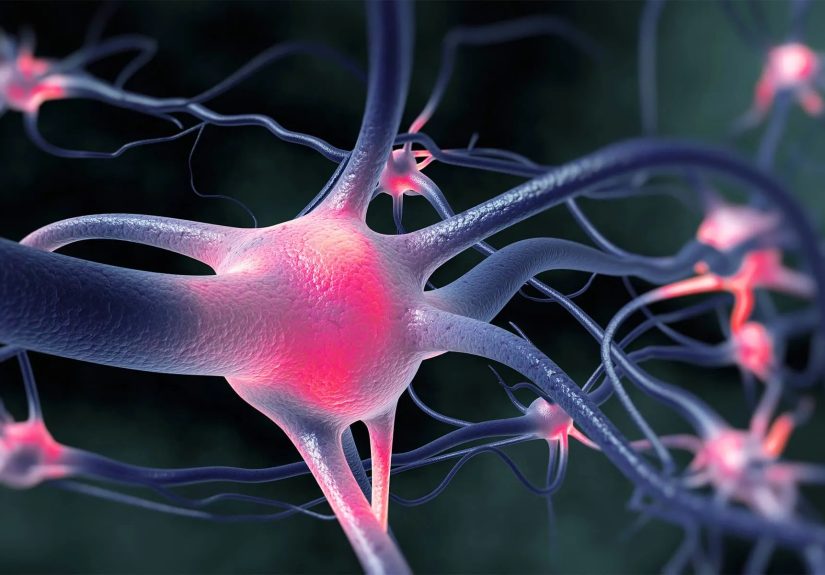
Your nervous system is basically the body’s group chat. It sends constant messages between the brain, spinal cord, and the rest of the body. Potassium helps maintain the electrical gradients that allow nerve impulses to travel. Without proper electrolyte balance, communication between nerves and muscles can become less efficient.
This is not something most people notice when everything is working well. You do not wake up thinking, “Great job, nerve impulse transmission team.” But when electrolytes are off, the body can feel tired, weak, sluggish, or irregular. Potassium is part of the invisible infrastructure that keeps the lights on.
5. Potassium Supports Fluid Balance
Potassium and sodium help regulate the movement of water inside and outside cells. This matters for hydration, blood volume, blood pressure, and cellular function. When your diet is overloaded with sodium and low in potassium, your body may retain more fluid, which can place extra pressure on blood vessels.
This does not mean sodium is evil. Your body needs sodium too. The problem is imbalance. A diet filled with processed meats, packaged snacks, fast food, frozen meals, and restaurant sauces can deliver a sodium avalanche while leaving potassium behind in the produce aisle, quietly waving for attention.
6. Potassium May Support Bone Health
Potassium-rich foods may help support bone health in part because many of them are fruits and vegetables that contribute alkalizing compounds and other nutrients. Low potassium intake has been associated with increased urinary calcium loss and higher bone turnover. Translation: potassium is not just about bananas and blood pressure; it may also be part of a long-term eating pattern that helps protect your skeleton.
That said, bones need a team effort. Calcium, vitamin D, protein, magnesium, strength-building activity, and overall diet quality all matter. Potassium is one important player, not the entire orchestra.
7. Potassium May Help Reduce Kidney Stone Risk
Higher potassium intake from foods, especially fruits and vegetables, may help lower the risk of certain kidney stones. Potassium can influence urinary calcium and acid-base balance, both of which are related to stone formation. If you have a history of kidney stones, however, your ideal diet may depend on the stone type and your lab results, so personalized medical guidance is smart.
Best Potassium-Rich Foods to Add to Your Diet
When most people hear “potassium,” they immediately think of bananas. Bananas are helpful, portable, and dramatically better behaved than many snack foods. But they are not the only option, and they are not even the highest-potassium food on the list.
Potassium-Rich Fruits
- Bananas
- Oranges and orange juice
- Cantaloupe and honeydew
- Apricots, especially dried apricots
- Prunes and prune juice
- Kiwi
- Pomegranate juice
- Avocado
Potassium-Rich Vegetables
- White potatoes with skin
- Sweet potatoes
- Spinach
- Beet greens
- Swiss chard
- Tomatoes and tomato sauce
- Winter squash
- Mushrooms
Beans, Lentils, Dairy, and Protein Foods
- Lentils
- Kidney beans, black beans, pinto beans, and soybeans
- Yogurt and milk
- Fortified soy beverages
- Salmon
- Tuna
- Chicken and turkey
- Nuts and seeds in moderate portions
A simple potassium-friendly plate might include baked salmon, roasted sweet potato, sautéed spinach, and a side of yogurt with fruit. Another easy option is a bean-and-avocado bowl with brown rice, tomatoes, greens, and a squeeze of lime. No complicated math, no tiny scoop of mystery powder, and no need to whisper “electrolytes” into a shaker bottle.
Signs You Might Not Be Getting Enough Potassium
Low potassium intake from food is common, but true low blood potassium, called hypokalemia, often happens because the body loses potassium through urine or the digestive tract. Causes can include certain diuretics, vomiting, diarrhea, heavy sweating, laxative misuse, dialysis, and some medical conditions.
Possible symptoms of low potassium may include fatigue, muscle weakness, constipation, cramps, and feeling generally unwell. Severe potassium deficiency can affect heart rhythm and requires medical attention. These symptoms are not specific, so it is not wise to diagnose yourself based on a tired afternoon and a suspicious leg cramp. If symptoms are persistent, severe, or unusual, a healthcare professional can check potassium through a blood test.
Can You Get Too Much Potassium?
Yes. Too much potassium in the blood is called hyperkalemia, and it can be serious. The kidneys usually remove extra potassium, so high potassium is more likely in people with kidney disease, acute kidney injury, uncontrolled diabetes, adrenal problems, or those taking certain medications. Some salt substitutes also contain potassium chloride, which can be risky for people who need to limit potassium.
For healthy people with normal kidney function, getting potassium from food is generally safe because the body can regulate levels effectively. The bigger caution is supplements. Taking potassium pills or powders without medical guidance is not a “more is better” situation. It is a “please do not freelance your blood chemistry” situation.
Potassium and Sodium: The Nutrition Duo That Needs Balance
If potassium had a rival in the modern diet, it would be excessive sodium. Sodium is not bad by itself. Your body needs it for fluid balance, nerve signaling, and muscle function. But many people get far more sodium than recommended because processed and restaurant foods are loaded with it.
Potassium helps counterbalance sodium’s effect on blood pressure. This is why a diet high in fruits, vegetables, beans, and low-fat dairy can be so powerful. It does two helpful things at once: raises potassium and often lowers sodium. Instead of obsessing over one nutrient, think about the overall pattern. More whole foods. Fewer ultra-salty packaged foods. More plants. Less “this soup contains enough sodium to preserve a woolly mammoth.”
Easy Ways to Get More Potassium From Food
Upgrade Breakfast
Add banana slices, berries, or dried apricots to oatmeal. Use yogurt as a base for a fruit bowl. Blend spinach, orange, and yogurt into a smoothie. Breakfast is a great place to sneak in potassium before the day starts throwing emails at you.
Make Potatoes Respectable Again
Potatoes are often unfairly blamed for what happens after we deep-fry them, bury them in salt, and introduce them to a cheese volcano. A baked or roasted potato with skin can be a potassium-rich, satisfying food. Top it with Greek yogurt, beans, salsa, or steamed vegetables for a meal that feels cozy without turning into a sodium bomb.
Use Beans Like a Meal Prep Superpower
Beans and lentils are rich in potassium, fiber, and plant-based protein. Add them to soups, salads, tacos, pasta, grain bowls, and stews. If using canned beans, rinse them to reduce sodium. Your future self will appreciate having a container of seasoned lentils waiting in the fridge like a responsible adult.
Choose Smart Snacks
Try fruit with yogurt, avocado toast, a small handful of nuts with an orange, or hummus with vegetables. Potassium-rich snacks can help replace salty chips and ultra-processed foods without making snack time feel like a punishment.
Read Nutrition Facts Labels
Food labels list potassium in milligrams and as a percent Daily Value. As a general label-reading rule, 5% Daily Value or less is considered low, while 20% Daily Value or more is considered high. This makes it easier to compare foods quickly, especially when choosing packaged items like soups, sauces, cereals, and dairy alternatives.
Who Should Be Careful With Potassium?
Potassium is essential, but not everyone should increase it freely. People with chronic kidney disease may need to limit high-potassium foods because their kidneys may not remove extra potassium efficiently. People taking certain blood pressure medications, heart medications, potassium-sparing diuretics, or potassium supplements also need individualized guidance.
If you have kidney disease, do not rely on generic lists of “healthy foods” without checking your care plan. A food that is heart-healthy for one person may be too high in potassium for someone with advanced kidney disease. This is why registered dietitians, nephrologists, and healthcare professionals exist: to make nutrition less like a guessing game and more like a plan.
Common Myths About Potassium
Myth 1: Bananas Are the Only Good Source
Bananas are useful, but potatoes, beans, lentils, spinach, tomatoes, yogurt, squash, and fish can also provide potassium. A varied diet beats banana tunnel vision.
Myth 2: Everyone Should Take a Potassium Supplement
Most people should aim to get potassium from food unless a healthcare professional recommends otherwise. Supplements can be risky for people with kidney issues or medication interactions.
Myth 3: Potassium Only Matters for Athletes
Athletes may pay more attention to electrolytes because they sweat, train, and recover, but potassium matters for everyone. Your heart, muscles, and nerves do not stop needing potassium just because you skipped leg day.
Myth 4: More Potassium Is Always Better
Balance is the goal. Too little potassium can be a problem, and too much potassium in the blood can also be dangerous. Food-based potassium within a balanced diet is usually the safest path for healthy people.
A Practical One-Day Potassium-Friendly Meal Idea
Here is a simple example of how potassium-rich foods can fit into a normal day:
- Breakfast: Oatmeal topped with banana slices, walnuts, and a spoonful of yogurt.
- Lunch: Lentil soup with tomatoes, spinach, carrots, and a side of whole-grain toast.
- Snack: Orange slices with a small serving of nuts.
- Dinner: Baked salmon with roasted sweet potato, steamed greens, and a cucumber-tomato salad.
- Dessert: Greek yogurt with kiwi or berries.
This kind of day naturally includes potassium, fiber, protein, and other important nutrients without needing a spreadsheet, a supplement stack, or a motivational speech from a blender.
of Real-Life Experience: What Potassium Looks Like in Everyday Eating
Potassium sounds clinical until you start noticing how it shows up in ordinary life. For many people, the first experience with potassium is being told to eat a banana after a workout, during a long walk, or after a sweaty summer afternoon. That advice is not perfect for every situation, but it points to something true: when your body works hard, loses fluid, or feels drained, electrolytes matter. Potassium is part of that recovery picture, along with sodium, magnesium, carbohydrates, protein, and plain old water.
One practical experience many people have is realizing that “healthy eating” feels better when it is built into meals rather than forced through supplements. For example, a lunch of instant noodles may be fast, cheap, and emotionally comforting in the way only noodles can be, but it is often high in sodium and low in potassium-rich ingredients. Add spinach, mushrooms, tofu, beans, or leftover chicken, and suddenly that meal becomes more balanced. The goal is not to become a perfect eater. The goal is to stop making your body run on nutritional fumes.
Another common experience is the afternoon slump. People often blame caffeine, sleep, or stress, and those can absolutely matter. But meals low in produce, protein, and minerals can also leave you feeling less steady. Swapping a pastry-only breakfast for oatmeal with banana and yogurt, or adding avocado and tomatoes to lunch, may not produce superhero energy, but it can help meals feel more sustaining. Potassium works quietly; it is not a lightning bolt, more like reliable Wi-Fi for your cells.
Families also notice potassium when trying to improve blood pressure habits. The usual advice is “eat less salt,” which is helpful, but it can feel negative and boring. A more enjoyable approach is to add flavor with potassium-rich foods: tomato-based salsa, roasted sweet potatoes, bean salads, citrus, herbs, leafy greens, and yogurt sauces. Instead of only removing things, you build better plates. That feels less like punishment and more like upgrading from economy nutrition to extra legroom.
People who cook at home often discover that potassium-rich eating is also budget-friendly. Beans, lentils, potatoes, bananas, canned tomatoes, frozen spinach, and yogurt can be affordable staples. You do not need rare berries harvested under a full moon. A pot of lentil soup, a baked potato with beans, or a spinach omelet can be simple, filling, and rich in nutrients.
There is also a helpful lesson in personalization. Someone training for a marathon, a teen athlete, an older adult with high blood pressure, and a person with kidney disease may all need different guidance. Potassium is essential, but context matters. The best experience is not chasing a number blindly. It is learning your body, checking labels, eating more whole foods, and asking a professional when health conditions or medications are involved.
Conclusion
Potassium is one of the body’s most important minerals, even if it does not get much applause. It supports heart rhythm, muscle contraction, nerve signaling, fluid balance, blood pressure, bone health, and kidney stone prevention. The best way for most healthy people to get more potassium is not through random supplements, but through a colorful, balanced diet rich in fruits, vegetables, beans, lentils, dairy or fortified alternatives, fish, and minimally processed foods.
If your meals are heavy on sodium and light on plants, your body may be missing out on one of nutrition’s quiet power players. Start with small changes: add beans to soup, eat potatoes with the skin, snack on fruit, stir spinach into meals, choose yogurt, and compare food labels. Potassium does not need to be complicated. It just needs a regular seat at the table.