Table of Contents >> Show >> Hide
- Before You Start: What Makes a Diya Competition-Worthy?
- Materials You Will Need
- How to Decorate Diyas for Competition: 15 Steps
- 1. Read the Competition Rules First
- 2. Choose the Right Diya Shape
- 3. Clean and Smooth the Surface
- 4. Seal Porous Clay Before Painting
- 5. Pick a Theme That Judges Can Understand
- 6. Sketch Your Design on Paper
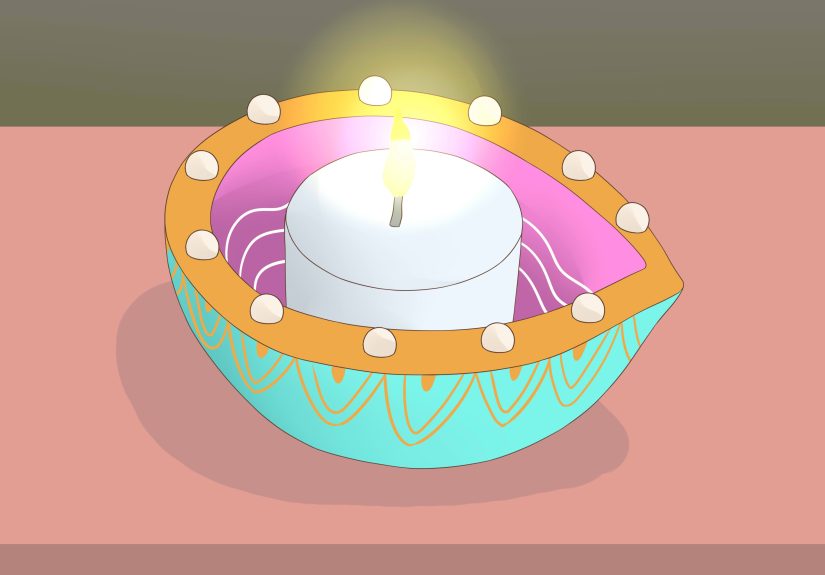
- 7. Apply a Clean Base Coat
- 8. Add Contrast With Metallic Accents
- 9. Use Dot Painting for Precision
- 10. Decorate the Rim Like a Frame
- 11. Add Embellishments Without Overloading
- 12. Create a Matching Base or Display Plate
- 13. Add a Safe Light Source
- 14. Seal the Design for a Finished Look
- 15. Practice Your Final Presentation
- Best Diya Decoration Ideas for Competition
- Common Mistakes to Avoid
- How Judges Usually Evaluate Decorated Diyas
- Competition-Day Experience: Practical Lessons That Really Help
- Conclusion
Note: This guide is written as a publish-ready article for school, community, and festive craft competitions. It focuses on creative presentation, safe decoration, clean finishing, and practical judging tips.
Decorating direspect, durability, and that little “wow” moment that makes people lean closer. Whether you are preparing for a Diwali celebration, a school art contest, a community event, or a festive display, the best diya decoration ideas combine tradition with imagination.
A diya is traditionally a small oil lamp, often made of clay or metal, and it holds a special place in Diwali, the Festival of Lights. In many homes, rows of diyas symbolize light overcoming darkness, knowledge overcoming ignorance, and joy entering the home like a very polite but sparkly guest. In a competition, however, your diya also needs to overcome uneven paint, runaway glue, and rhinestones that mysteriously migrate to the table.
This detailed 15-step guide will show you how to decorate diyas for competition with a professional finish. You will learn how to prepare the surface, choose a theme, paint cleanly, add embellishments, use safe lighting, and present your design like it belongs on the winner’s table.
Before You Start: What Makes a Diya Competition-Worthy?
A decorated diya looks impressive when it is beautiful from a distance and clean up close. Judges usually notice three things first: the overall theme, the color harmony, and the neatness of the finish. After that, they look for creativity, effort, originality, and whether the diya can actually function safely as a decorative lamp.
For competition purposes, think of your diya as a tiny stage. The rim, bowl, base, and surrounding platter all work together. A simple diya painted neatly in jewel tones can beat a heavily decorated one if the second one looks like it lost a fight with a craft drawer. Plan before you glue. Test before you paint. And never underestimate the power of a clean gold outline.
Materials You Will Need
- Plain clay, terracotta, ceramic, or metal diyas
- Fine-grit sandpaper or a soft nail buffer
- Soft cloth or paper towel
- Acrylic paints or multi-surface craft paints
- Paintbrushes in different sizes
- Metallic paint, especially gold, copper, or silver
- Glitter glue or fine loose glitter
- Craft glue or strong adhesive suitable for embellishments
- Rhinestones, mirrors, beads, sequins, pearls, lace, or decorative stones
- Paint pens or dotting tools
- Clear acrylic sealer or craft varnish
- Battery-operated tea lights or real cotton wicks and oil, depending on the rules
- A tray, cardboard base, rangoli plate, or small display stand
- Pencil and paper for sketching your design
How to Decorate Diyas for Competition: 15 Steps
1. Read the Competition Rules First
Before you open the paint bottle, check the rules. Some competitions allow only eco-friendly materials. Others may ban real flames, spray paint, plastic decorations, or pre-made designer diyas. If the contest is for children, battery-operated tea lights are usually the safer choice. Knowing the rules early prevents the heartbreak of creating a masterpiece that gets disqualified faster than you can say “but the glitter was necessary.”
2. Choose the Right Diya Shape
Start with a diya that suits your idea. A classic round clay diya is perfect for traditional painting, mandala designs, and mirror work. A lotus-shaped diya looks elegant for floral themes. A peacock-shaped diya gives you built-in drama, which is helpful when you want the judges to notice your work immediately. Terracotta diyas are popular because they absorb paint well, but they may need sealing for a smooth finish.
3. Clean and Smooth the Surface
Dust, clay powder, and rough edges can ruin the final look. Wipe the diya with a dry cloth. If it feels gritty, lightly sand the surface with fine-grit sandpaper. Do not press too hard because clay diyas can chip. After sanding, wipe again to remove dust. This small preparation step makes your paint glide better and helps the decoration look polished instead of rushed.
4. Seal Porous Clay Before Painting
Clay and terracotta are porous, which means they can absorb moisture and paint unevenly. For a competition finish, apply a thin coat of clay sealer, clear acrylic medium, or primer. Let it dry completely before painting. This helps prevent patchy color and gives your diya a smoother surface. If you are decorating only for display and not lighting the diya, sealing is especially useful because it protects the design.
5. Pick a Theme That Judges Can Understand
A strong theme makes your diya memorable. Popular diya decoration themes include lotus garden, peacock feathers, royal palace, rangoli pattern, mandala art, eco-friendly earth tones, mirror-work glam, traditional red-and-gold, and modern pastel Diwali. The theme should be clear without needing a long speech. If your diya is supposed to represent a peacock, viewers should not have to squint and ask, “Is it a festive pineapple?”
6. Sketch Your Design on Paper
Draw a quick plan before touching the diya. Mark where the main color will go, where stones or beads will sit, and which areas need outlines. A pencil sketch saves time and prevents overcrowding. For small diyas, choose one focal point: a jeweled rim, a painted mandala, a lotus petal border, or a dramatic metallic edge. Too many ideas on one tiny lamp can make the design look busy.
7. Apply a Clean Base Coat
Paint the diya with a base color that supports your theme. Deep red, maroon, royal blue, emerald green, purple, orange, and gold are classic festive choices. White, cream, pastel pink, and mint green can create a modern look. Use two thin coats instead of one thick coat. Thick paint can form ridges, hide details, and take forever to dry. Thin coats look cleaner and more professional.
8. Add Contrast With Metallic Accents
Metallic paint instantly makes a diya look competition-ready. Use gold on the rim, copper on the base, or silver for fine dots and borders. A thin metallic outline around the edge helps define the shape and catches light beautifully. If your base is dark, gold dots and swirls look rich. If your base is light, copper or bronze can add warmth without overpowering the design.
9. Use Dot Painting for Precision
Dot painting is one of the easiest ways to create a neat, detailed design. Use the back of a paintbrush, a toothpick, or a dotting tool. Start with larger dots near the rim and smaller dots toward the center. Repeat the same spacing for a professional look. Mandala-style dot patterns work especially well on clay diyas because they look intricate but are surprisingly beginner-friendly.
10. Decorate the Rim Like a Frame
The rim of the diya is like the frame of a painting. It can make the whole design look finished. Add small rhinestones, mirror pieces, beads, pearls, or alternating dots around the rim. Keep the spacing even. If using stones, apply glue with a toothpick so it does not ooze out. For a traditional look, try red stones with gold paint. For a royal look, combine navy blue, emerald, and gold.
11. Add Embellishments Without Overloading
Embellishments add sparkle, but too many can make a diya look heavy. Choose one or two decoration types. For example, pair mirror pieces with dot painting, or pearls with metallic borders. Avoid placing flammable items too close to the flame area if you plan to light the diya with oil and a wick. For real flame use, keep decoration on the outer rim and base, not inside the bowl where heat collects.
12. Create a Matching Base or Display Plate
In competitions, presentation matters. Place your diya on a painted cardboard base, wooden circle, small thali, mirror plate, or handmade rangoli mat. Decorate the base in the same color palette as the diya. You can add paper flowers, faux marigolds, rice flour rangoli patterns, or painted borders. A matching base makes the diya look intentional and helps it stand out on a crowded table.
13. Add a Safe Light Source
If the competition allows lighting, choose carefully. Battery-operated tea lights are safe, clean, and easy for school displays. Real diyas with oil and cotton wicks create a traditional glow, but they require supervision. Keep decorations away from open flame, place the diya on a stable nonflammable surface, and never leave it unattended. If young children are involved, flameless lights are the smarter choice.
14. Seal the Design for a Finished Look
Once all paint and glue are fully dry, apply a clear acrylic sealer or craft varnish to the painted areas. Use a thin coat and avoid brushing over loose glitter too aggressively. Sealing protects the design, adds shine, and helps stones stay in place. Let the diya dry overnight if possible. A sealed diya looks smoother, brighter, and more durable, which can give it an advantage in judging.
15. Practice Your Final Presentation
Before competition day, place your diya on its base and view it from different angles. Check for glue strings, uneven paint, loose stones, or messy edges. Add a small label if allowed, such as “Lotus of Light” or “Peacock Diya of Joy.” A title makes your design feel complete. Clean the display surface, fix any wobbles, and pack the diya safely in a box with tissue or bubble wrap.
Best Diya Decoration Ideas for Competition
Peacock Theme
Paint the diya in turquoise, green, royal blue, and gold. Add feather-like strokes around the rim and use a teardrop stone as the “eye” of each feather. This theme is colorful, festive, and easy to recognize.
Lotus Theme
Use pink, white, gold, and green. Paint lotus petals around the outside of the diya and place it on a base shaped like leaves. This theme feels elegant and spiritual without being overly complicated.
Mirror Work Theme
Use small craft mirrors, metallic paint, and bold colors like red, orange, and yellow. Mirror work reflects light beautifully, making the diya look brighter even before it is lit.
Eco-Friendly Theme
Use natural clay tones, turmeric yellow, leaf green, jute, dried flowers, and minimal plastic. This is a great option if the competition rewards sustainability. Keep the finish neat and earthy rather than plain.
Mandala Theme
Paint a dark base, then create symmetrical dots and lines in white, gold, and bright colors. Mandala designs are excellent for judges who appreciate patience, detail, and precision.
Common Mistakes to Avoid
One common mistake is starting without a plan. Random decoration may feel creative at first, but it often looks messy. Another mistake is using too much glue. Clear-drying glue is helpful, but big glue blobs can ruin a neat design. Also avoid mixing too many colors. Three main colors and one metallic accent are usually enough.
Do not decorate the inner bowl heavily if you will use a flame. Heat can damage glue, plastic stones, paper, or glitter. If your diya is for display only, you have more freedom. Still, keep the center clean so the lamp shape remains recognizable. Finally, never pack a freshly painted diya. Paint that feels dry on top may still smudge if pressed against paper or fabric.
How Judges Usually Evaluate Decorated Diyas
While every competition is different, many judges look for originality, neatness, use of color, theme clarity, creativity, safety, and overall presentation. A winning diya does not have to be expensive. In fact, handmade details often impress more than store-bought decorations. A carefully painted clay diya with clean dot work, balanced colors, and a thoughtful base can look more artistic than one covered in random rhinestones.
Think like a judge: Can the theme be understood quickly? Is the work neat? Are materials used wisely? Does the diya look festive? Is it safe to display? If the answer is yes, your diya is already ahead of many entries.
Competition-Day Experience: Practical Lessons That Really Help
After watching many craft tables turn into glitter-covered battlefields, one thing becomes clear: the most successful diya decorators are not always the ones with the most supplies. They are the ones who stay calm, plan their work, and finish neatly. A competition can be exciting, but it can also make your hands suddenly forget how glue works. That is why preparation matters.
One helpful experience is to create a practice diya before the final one. The practice diya teaches you how your paint behaves, how quickly glue dries, and whether your color combination looks festive or strangely like a traffic cone. Many people discover too late that yellow paint needs a white base underneath, or that large stones slide down curved clay surfaces. A trial piece saves the final design from these surprises.
Another useful tip is to pack a small repair kit. Bring a tiny bottle of glue, a fine brush, a few extra rhinestones, tissue paper, and a cotton swab. Diyas can get bumped during transport, and one missing bead can look obvious if it breaks the pattern. A quick repair before judging can make your entry look fresh and flawless.
Lighting also changes everything. A diya that looks ordinary in daylight may glow beautifully with a tea light. Before the competition, test your diya in the kind of light the venue may have. If the room is bright, metallic outlines and mirror work help the design stand out. If the room is dim, lighter colors and reflective stones create a stronger effect. Do not rely only on glitter; use contrast and shape to make the design visible.
Time management is another big lesson. Paint and glue need drying time, and no amount of staring at them dramatically will make them dry faster. Finish major painting at least one day before the competition. Save only tiny touch-ups for the final morning. Rushing the sealing step often causes smudges, fingerprints, or cloudy varnish. A calm finish looks more professional than a last-minute sparkle explosion.
Presentation can quietly decide the result. A beautiful diya placed on a plain, dusty table may not impress as much as a neat diya displayed on a coordinated base. Use a small tray, painted card, or rangoli-inspired platform. Keep the base clean and avoid loose glitter that spreads everywhere. Judges appreciate designs that look complete, stable, and ready for display.
Finally, confidence matters. If you are asked to explain your diya, keep it simple. Mention the theme, colors, and meaning. For example: “I chose a lotus theme because the lotus represents beauty and purity, and I used gold accents to reflect the light of Diwali.” That short explanation sounds thoughtful without turning into a school assembly speech. A decorated diya should show creativity, but your explanation can help judges understand the idea behind the sparkle.
Conclusion
Learning how to decorate diyas for competition is a mix of art, planning, patience, and safe crafting. Start with a clean diya, choose a clear theme, apply smooth paint, add thoughtful embellishments, and finish with a matching display base. The goal is not to cover every inch with glitter. The goal is to create a diya that feels festive, meaningful, neat, and memorable.
Whether you choose a peacock design, lotus pattern, mirror-work style, mandala theme, or eco-friendly look, the best decorated diya is one that reflects care. Take your time, test your materials, and let each layer dry properly. In the end, your diya should do what every good diya does: bring light, beauty, and a little bit of magic to the space around it.