Table of Contents >> Show >> Hide
- What Black Garlic Actually Is
- Why Chefs Love Black Garlic So Much
- Why Health Professionals Pay Attention to Black Garlic
- Black Garlic vs. Regular Garlic: Which Is Better?
- How to Use Black Garlic at Home
- How to Buy and Store It
- Who Should Be Careful With Black Garlic?
- The Real Reason Black Garlic Wins Both Crowds
- Experiences Related to Why Black Garlic Is Loved by Chefs and Health Professionals Alike
Black garlic has one of the best glow-ups in food. Regular garlic walks into the room loud, sharp, and ready to pick a fight with your breath. Black garlic arrives later, dressed in dark velvet, smelling mysterious, tasting sweet-savory, and somehow making everything around it seem more expensive. That dramatic personality shift is exactly why chefs adore it. And the reason health professionals keep talking about it? Black garlic is more than a trendy pantry flex. It has an interesting nutritional profile, promising early research, and a flavor that makes healthy cooking easier to enjoy.
In other words, black garlic sits in a very rare sweet spot: it makes food taste better and it gives evidence-minded nutrition people something worth discussing. It is not a miracle cure. It is not magic candy from the wellness universe. But it is a fascinating ingredient that bridges restaurant-level flavor and real-world nutrition in a way few foods manage to do.
What Black Garlic Actually Is
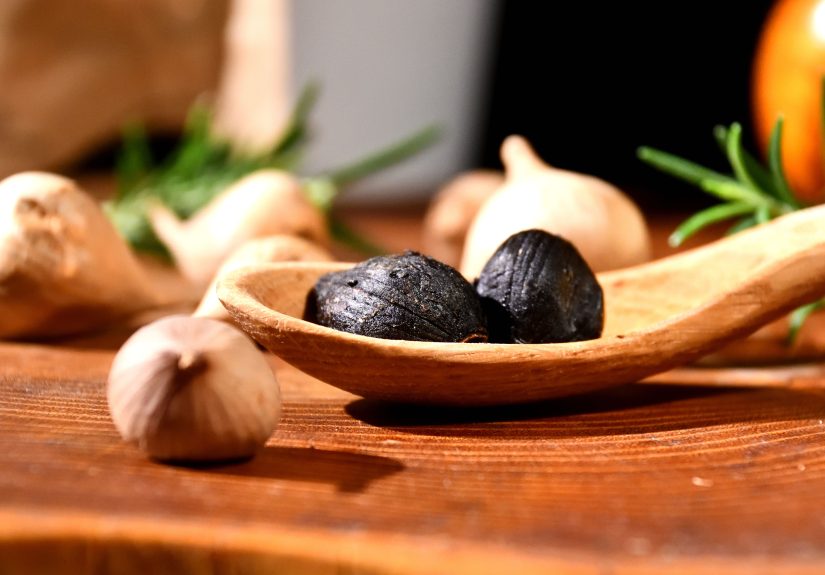
Black garlic starts as ordinary garlic. Then it is aged under carefully controlled heat and humidity for weeks. During that slow transformation, the cloves turn black, soft, and sticky, and their flavor changes dramatically. The harsh bite of fresh garlic mellows out. In its place, you get a rich, almost jammy combination of sweetness, tanginess, and umami.
People often describe black garlic with flavor notes like molasses, balsamic vinegar, tamarind, soy sauce, prune, date, or even a whisper of licorice. That sounds like a chaotic group chat of ingredients, but somehow it works. Instead of shouting “GARLIC!” the way raw cloves do, black garlic whispers depth. It brings complexity without steamrolling the rest of the dish.
This is one reason it has become a favorite in restaurant kitchens and ambitious home kitchens alike. It tastes familiar enough to feel comforting, but different enough to make people pause after the first bite and ask, “Okay, what is in this?”
Why Chefs Love Black Garlic So Much
It Delivers Umami Without the Aggression
Chefs are always chasing balance. They want acidity, sweetness, salt, bitterness, richness, and texture to play nicely together instead of elbowing one another in the ribs. Black garlic helps with that because it adds deep savory character without the fiery pungency of raw garlic.
That matters in dishes where raw garlic would be too sharp and roasted garlic would be too mellow or buttery. Black garlic lives in the delicious middle. It can deepen vinaigrettes, make aioli feel more luxurious, turn butter into steakhouse-level drama, and give sauces a haunting, slow-building complexity that diners remember.
It is especially useful in dishes that need savory depth but not extra heaviness. A spoonful of black garlic paste can make a vegetable-forward sauce taste fuller. A few cloves blended into a dressing can make greens feel less virtuous and more craveable. In chef terms, that is what you call a very handy trick.
It Plays Well With Many Ingredients
Black garlic is a team player. It loves olive oil, butter, mushrooms, beef, fish, roasted vegetables, tahini, miso, anchovy, soy sauce, lemon, vinegar, and chiles. That broad compatibility is a big reason chefs keep reaching for it.
Think about how many directions that opens up. You can fold it into a black garlic butter for steak. Blend it into a Caesar-style dressing for an inky, savory twist. Add it to vinaigrette for charred broccoli. Mash it into mayonnaise for sandwiches. Stir it into a glaze for ribs. Use it in a salsa, a purée, a dip, or a pan sauce. A single ingredient that can move from salad to seafood to red meat without seeming lost is not just trendy. It is practical.
That flexibility is culinary gold. Restaurant kitchens love ingredients that can work across multiple stations, and home cooks love ingredients that justify the purchase. Black garlic does both.
It Makes Food Taste Fancy Without Being Fussy
Let us be honest: part of black garlic’s charm is theatrical. It is glossy. It is dark. It sounds intriguing on a menu. But unlike some fashionable ingredients that are mostly there for bragging rights, black garlic actually earns its keep.
You do not need molecular gastronomy, tweezers, or a twelve-step reduction to use it well. Mash it into softened butter and suddenly your roast chicken has range. Blend it with olive oil, lemon, and a little salt, and your dressing now tastes like it went to culinary school. Stir it into mashed potatoes and watch everyone at the table become suspiciously quiet because they are too busy eating.
Chefs love ingredients that create a strong payoff with relatively little effort. Black garlic is one of them.
It Adds Character to Plant-Forward Cooking
One of the biggest challenges in healthier cooking is making vegetables feel satisfying rather than obligatory. Black garlic helps close that gap. Because it is naturally rich in umami, it can give vegetable dishes a fuller, meatier impression without needing extra cream, bacon, or heaps of cheese.
That is why it shows up so well in vinaigrettes, sauces, grain bowls, roasted eggplant dishes, mushroom preparations, and vegetable sides. It gives plant-forward cooking a little swagger. Even a simple plate of roasted broccoli or grilled eggplant can taste restaurant-worthy with black garlic in the mix.
Why Health Professionals Pay Attention to Black Garlic
Its Antioxidant Story Is Genuinely Interesting
Health professionals tend to perk up when a food has both culinary appeal and a plausible nutrition story. Black garlic checks that box. Research suggests that the aging process changes garlic’s chemical makeup and may increase certain antioxidant compounds compared with raw garlic. That does not automatically make it a superfood superhero wearing a cape, but it does make it a food worth studying.
Antioxidants matter because they help protect cells from oxidative stress. That is one reason black garlic gets attention in conversations about heart health, inflammation, and general wellness. The science is promising enough to be interesting, but not so settled that responsible professionals should oversell it. That middle ground is exactly where good nutrition advice belongs.
It May Offer Benefits, but the Evidence Is Still Developing
Here is the responsible version, with no wellness glitter thrown on top: black garlic has shown encouraging results in laboratory studies, animal studies, reviews, and some small human research related to cardiovascular markers, antioxidant activity, and metabolic health. There have also been human studies suggesting possible improvements in things like endothelial function, lipid profile, and blood pressure in certain groups.
That said, health professionals generally know better than to turn “promising” into “proven.” Garlic supplements as a category have mixed evidence overall, and authoritative medical sources still describe much of the research as limited, preliminary, or based on small trials. So while black garlic is interesting, it should not be framed as a cure for heart disease, diabetes, or anything else with a waiting room and insurance codes.
The smartest takeaway is this: black garlic may be a beneficial food to include in a balanced diet, especially if it helps people cook more at home and enjoy more vegetables, legumes, fish, and whole-food meals. That is a lot less flashy than miracle claims, but a lot more useful.
It Is Easier for Many People to Enjoy
Another reason dietitians and health-minded cooks appreciate black garlic is simple: people will actually eat it. Raw garlic can be intense. Roasted garlic is delicious but often tied to richer dishes. Black garlic has a softer, sweeter personality that works in small amounts and blends beautifully into sauces, dressings, and spreads.
That makes it easier to use as a flavor builder in meals centered on vegetables, grains, beans, and lean proteins. In real life, “healthy” ingredients only help if they fit the way people actually cook and eat. Black garlic has a practical advantage because it can make simple food more exciting without requiring anyone to chew through a mouthful of raw cloves and then apologize to the room.
It Encourages Better Cooking Habits
Sometimes the benefit of a food is not just in the food itself. It is in what the food helps you do. Black garlic can inspire people to make their own dressings instead of buying ultra-processed ones. It can add depth to vegetables without extra sodium-heavy flavor boosters. It can make home-cooked meals feel special enough that takeout loses a little of its power.
Health professionals love that kind of upgrade. Not because black garlic is a miracle ingredient, but because it can support better patterns: more cooking, more flavor from whole ingredients, and more enjoyment from meals that are actually nourishing.
Black Garlic vs. Regular Garlic: Which Is Better?
This is not a cage match. Regular garlic and black garlic each bring something different to the table.
Regular garlic is sharper, brighter, and more pungent. It works beautifully in sautés, marinades, soups, and countless savory dishes. It is also the version most closely associated with allicin, the compound that forms when garlic is chopped or crushed.
Black garlic is sweeter, softer, darker, and more umami-driven. It is better when you want complexity, depth, and a mellow finish instead of a punchy garlic hit.
So which one should you use? The boring but correct answer is both. Fresh garlic is excellent for building classic savory flavor. Black garlic is excellent when you want sophistication, richness, and a slightly mysterious edge. One is the dependable workhorse. The other is the cool cousin who knows how to make a plain outfit look expensive.
How to Use Black Garlic at Home
You do not need a restaurant kitchen to make black garlic shine. Start small and let it do its thing.
Easy Ways to Use It
- Mash it into butter for steak, fish, or roasted vegetables.
- Blend it into vinaigrette for salads, grain bowls, or grilled vegetables.
- Whisk it into mayonnaise or yogurt-based sauces.
- Stir it into mashed potatoes, hummus, or white bean dip.
- Add it to pan sauces, glazes, or pasta sauces for deeper flavor.
- Mix it with olive oil and lemon for a quick finishing sauce.
- Use it in marinades with soy sauce, miso, or balsamic vinegar.
Because black garlic is concentrated and rich, a little usually goes a long way. You can always add more, but it is smarter to begin modestly and build from there.
How to Buy and Store It
Black garlic is sold as whole bulbs, peeled cloves, paste, and powder. If you are new to it, peeled cloves or a paste are the easiest formats to use. Whole bulbs feel dramatic, but they also require a little more peeling and patience. Choose whichever version makes you most likely to use it before it turns into a very expensive fridge souvenir.
Store unopened black garlic according to package directions. Once opened, it is usually best kept refrigerated in an airtight container. As with many specialty ingredients, the smartest strategy is not buying the most impressive version. It is buying the version you will actually reach for on a Tuesday night.
Who Should Be Careful With Black Garlic?
Used as a food ingredient, black garlic is generally considered safe for most people. But “generally safe” is not the same as “carefree for everyone forever.” Garlic products can interact with some medications, and concentrated garlic supplements may increase bleeding risk. That matters especially for people taking blood thinners, preparing for surgery, or managing complex medical conditions.
There is also a difference between eating black garlic in a dressing and taking a concentrated extract because the internet promised you a new personality and perfect cholesterol. Health professionals tend to be much more comfortable recommending flavorful whole foods than encouraging people to self-prescribe supplements. That distinction matters.
If you are thinking about black garlic as a supplement rather than a food, it is wise to check with a qualified healthcare professional first. That is not the most glamorous advice on the internet, but it is excellent advice in real life.
The Real Reason Black Garlic Wins Both Crowds
Chefs love black garlic because it makes food taste deep, balanced, and memorable. Health professionals like it because it is a genuinely interesting food with promising research, useful culinary flexibility, and a far more realistic role in a healthy diet than many overhyped wellness products.
The overlap between those two groups is where black garlic becomes special. It is not just “good for you,” and it is not just “delicious.” It is one of those rare ingredients that helps close the gap between flavor and function. It can make a bowl of vegetables more exciting, a sauce more layered, a sandwich more craveable, and a home-cooked meal more satisfying.
That is why black garlic keeps showing up in restaurant kitchens, on grocery shelves, and in nutrition conversations. It is not trying to replace fresh garlic. It is offering a different experience entirely: darker, sweeter, softer, and more complex. And in a world full of ingredients that promise everything and deliver very little, that kind of honest usefulness is easy to love.
Experiences Related to Why Black Garlic Is Loved by Chefs and Health Professionals Alike
The experience of black garlic is often the same whether it happens in a restaurant kitchen, a home kitchen, or a clinic conversation about better eating habits: surprise first, appreciation second, obsession third. Many people expect it to taste like burned garlic or old garlic that should have been thrown away three Fridays ago. Then they taste it and realize it is soft, sweet, savory, and strangely elegant. That first reaction matters. Food that changes expectations tends to stick in memory.
For chefs, the experience is usually practical before it becomes emotional. They try black garlic because they want another way to build depth. Then they discover that it solves problems. A sauce tastes flat? Black garlic helps. A vegetable dish needs more presence? Black garlic helps. A sandwich spread needs more personality? Black garlic helps. Once chefs see how easily it folds into butter, purée, vinaigrette, glaze, or aioli, it becomes less of a novelty and more of a secret weapon. The ingredient earns trust because it performs consistently.
For health professionals, the experience is often different but equally telling. They are usually not impressed by food trends on sight, because they have seen too many ingredients get crowned as miracle cures before the evidence is ready. Black garlic gets a more measured response. It is interesting because it may contain higher levels of certain antioxidant compounds than raw garlic, and because early research gives it some credibility. But what often makes it appealing in practice is not just the biochemistry. It is the behavior change. When patients or clients use black garlic to make vegetables, beans, fish, or grain bowls taste better, they are more likely to keep cooking and keep eating those foods. That is a meaningful experience, even before any lab markers enter the chat.
Home cooks tend to describe black garlic in the most relatable way: it makes ordinary meals feel upgraded. Stirring a few cloves into mashed potatoes, blending them into a salad dressing, or mashing them into mayo can make dinner feel unexpectedly restaurant-like. That emotional lift is not trivial. When people feel excited about what they cook, they cook more often. And when they cook more often, they usually gain more control over ingredients, portions, sodium, and overall meal quality.
There is also a social experience attached to black garlic. It is one of those ingredients that starts conversations. Guests ask what the flavor is. Diners pause between bites. Someone at the table eventually says, “I have never tasted anything exactly like this.” That curiosity is part of its appeal. Black garlic feels distinctive without being difficult. It is sophisticated, but still comforting.
In the end, the shared experience is simple: black garlic gives professionals and everyday eaters a reason to come back. Chefs come back for flavor. Health professionals come back for the balance of promise and practicality. Home cooks come back because it makes healthy, flavorful food easier to love. Not many ingredients can do all three at once. Black garlic can, and that is exactly why it keeps winning people over.