Table of Contents >> Show >> Hide
- What Temperature Should a Whirlpool Refrigerator Be?
- Whirlpool Refrigerator Not Cooling? 15 Troubleshooting Tips
- 1. Make Sure the Refrigerator Has Power
- 2. Check the Temperature Settings
- 3. Confirm the Cooling Mode Is Turned On
- 4. Give the Refrigerator Enough Breathing Room
- 5. Clean the Condenser Coils
- 6. Check for Blocked Air Vents
- 7. Avoid Overpacking the Refrigerator
- 8. Inspect the Door Gaskets
- 9. Make Sure the Doors Close Properly
- 10. Listen for the Evaporator Fan
- 11. Check the Condenser Fan
- 12. Look for Frost Buildup in the Freezer
- 13. Check the Damper Control
- 14. Consider a Faulty Thermistor or Temperature Sensor
- 15. Know When It May Be the Compressor, Start Relay, or Sealed System
- What to Do With Food When Your Refrigerator Stops Cooling
- Quick Symptom Guide
- When to Call a Professional
- Real-World Experience: What Usually Works First
- Conclusion
A Whirlpool refrigerator not cooling is one of those household problems that feels dramatic immediately. One minute, your fridge is quietly guarding the milk like a loyal kitchen soldier. The next, your yogurt is lukewarm, your lettuce looks emotionally defeated, and the freezer may or may not be doing its job. Before you panic-buy a new refrigerator or start giving your appliance a motivational speech, take a breath.
In many cases, a Whirlpool fridge not getting cold can be traced to simple issues: wrong temperature settings, blocked vents, dirty condenser coils, a weak door seal, or poor airflow. Other times, the problem may involve a fan motor, defrost system, thermistor, start relay, compressor, or control board. Translation: some fixes are beginner-friendly, while others are firmly in “call a qualified appliance technician” territory.
This guide walks you through 15 practical troubleshooting tips for a Whirlpool refrigerator not cooling properly. The goal is to help you check the easy stuff first, understand what the symptoms mean, and avoid turning a small cooling issue into a full-blown grocery funeral.
What Temperature Should a Whirlpool Refrigerator Be?
For food safety, your refrigerator should stay at or below 40°F, while the freezer should be at 0°F. Many homeowners aim for about 37°F in the fresh food section because it keeps food safely cold without freezing the strawberries into tiny red rocks.
Do not rely only on the digital display or control dial. Those settings tell the refrigerator what you want, not always what is actually happening inside. Place an inexpensive appliance thermometer in the refrigerator and another in the freezer. Check them after the doors have stayed closed for several hours.
Whirlpool Refrigerator Not Cooling? 15 Troubleshooting Tips
1. Make Sure the Refrigerator Has Power
Start with the obvious because the obvious loves to embarrass us. Open the refrigerator door and check whether the interior light comes on. If the fridge is completely dark and silent, confirm that the power cord is plugged in securely. Check the breaker box, outlet, and any GFCI outlet that may have tripped.
If your refrigerator recently experienced a power outage or surge, the cooling function may need to be turned back on, depending on the model. Look at your owner’s manual for the correct restart instructions. Avoid using extension cords for refrigerators because they can cause voltage issues and safety problems.
2. Check the Temperature Settings
A bumped control panel can make a perfectly good refrigerator act like it has joined a tropical vacation club. Check that the refrigerator and freezer settings are not too warm. A good target is around 37°F for the fridge and 0°F for the freezer.
After adjusting the settings, give the appliance time to respond. Refrigerators do not cool instantly. It may take several hours, and sometimes up to 24 hours, for the temperature to stabilize after a change, especially if the doors have been opened often.
3. Confirm the Cooling Mode Is Turned On
Some Whirlpool refrigerators have cooling on/off controls, showroom mode, demo mode, or vacation-style settings. If the display is active but the refrigerator is not cooling, the appliance may not actually be running the cooling system.
Look for indicators on the control panel and consult your model-specific manual. This is especially important after cleaning, moving the refrigerator, or recovering from a power outage. Sometimes the fridge is not broken; it is simply waiting for someone to tell it to get back to work.
4. Give the Refrigerator Enough Breathing Room
Refrigerators remove heat from the inside and release it outside. If your Whirlpool fridge is crammed tightly against the wall, tucked beside a hot oven, or sitting in direct sunlight, it has to work harder to stay cold.
Check that there is proper clearance around the refrigerator according to your manual. Leave space behind and around the appliance for air circulation. If the fridge is in a garage or unheated area, extreme hot or cold room temperatures may affect performance. Your refrigerator is tough, but it is not a superhero in stainless steel.
5. Clean the Condenser Coils
Dirty condenser coils are one of the most common reasons a refrigerator cools poorly. Coils release heat from the refrigeration system. When they are covered in dust, pet hair, kitchen grease, or the mysterious gray fuzz that appears behind every appliance, the fridge has trouble dumping heat.
Unplug the refrigerator before cleaning. Depending on the model, the coils may be behind the toe grille, underneath the unit, or at the back. Use a coil brush and vacuum attachment to remove buildup gently. Homes with pets, heavy dust, or greasy kitchen air may need coil cleaning more often.
6. Check for Blocked Air Vents
Cold air must move between compartments through vents. If those vents are blocked by food containers, bags, or one heroic casserole dish that refuses to fit anywhere else, the refrigerator section may warm up even while the freezer seems fine.
Find the air vents in both the refrigerator and freezer compartments. Move items away from them so air can circulate freely. Do not pack food tightly against the back wall. A fridge needs airflow, not a game of grocery Tetris set to expert mode.
7. Avoid Overpacking the Refrigerator
A refrigerator that is too full cannot circulate cold air properly. On the other hand, a nearly empty fridge may struggle to hold a steady temperature because there is less chilled mass inside to help stabilize cooling.
Try to keep your refrigerator reasonably stocked but not jammed. Leave small gaps between items. Store leftovers in shallow containers so cold air can move around them. If the fridge looks like someone challenged you to fit a supermarket aisle inside it, it is time to rearrange.
8. Inspect the Door Gaskets
The rubber gasket around each door keeps cold air in and warm air out. If the gasket is dirty, cracked, loose, warped, or sticky with old jelly, your Whirlpool refrigerator may run constantly and still fail to cool well.
Clean the gasket with warm water and mild soap. Then try the dollar bill test: close the door on a dollar bill and gently pull. If it slides out with almost no resistance in several spots, the seal may be weak. A damaged gasket should be replaced because even a small air leak can cause big cooling problems.
9. Make Sure the Doors Close Properly
Sometimes the gasket is fine, but the door still does not close fully. Check for tall bottles, misaligned shelves, bulky produce drawers, or freezer items pushing the door open. Even a tiny gap can let warm air sneak in all day like it owns the place.
Also check the hinges and door alignment. If the refrigerator is not level, the doors may not seal properly. Many refrigerators are designed to lean slightly backward so the doors close naturally. Use the leveling legs as directed in your manual.
10. Listen for the Evaporator Fan
The evaporator fan moves cold air from the freezer area through the refrigerator. If your freezer is cold but the refrigerator section is warm, a failed or blocked evaporator fan may be involved.
Open the freezer door and listen. On many models, the fan may stop when the door opens, so you may need to press the door switch gently to hear it. If you hear grinding, squealing, or nothing at all, there may be ice buildup, a blocked fan blade, or a failing motor. Do not remove internal panels unless you are comfortable and the appliance is unplugged. For electrical diagnosis or part replacement, call a technician.
11. Check the Condenser Fan
Many Whirlpool refrigerators use a condenser fan near the compressor and condenser coils. This fan helps move air over the coils and compressor. If it stops working, the refrigerator can overheat and cool poorly.
Signs of condenser fan trouble include a hot compressor area, poor cooling in both compartments, or unusual buzzing near the bottom rear of the fridge. Unplug the refrigerator before inspecting the area. If the fan blade is blocked by dust or debris, cleaning may help. If the motor has failed, professional service is usually the smarter and safer choice.
12. Look for Frost Buildup in the Freezer
A light layer of frost is not always alarming, but heavy frost on the back freezer wall can point to a defrost problem. When the evaporator coils freeze over, air cannot move properly, and the refrigerator section may become warm.
Possible causes include a faulty defrost heater, defrost thermostat, control board, sensor, or clogged drain. A temporary manual defrost may get the fridge cooling again for a short time, but if frost returns, the real cause still needs attention. Think of defrosting as pressing the snooze button, not solving the alarm clock problem.
13. Check the Damper Control
The damper controls how much cold air moves from the freezer into the fresh food compartment. If the damper is stuck closed, the refrigerator may not cool even though the freezer is working. If it is stuck open, food in the fridge may freeze.
You may hear or see the damper open and close on some models when temperatures change. Ice, food packaging, or a mechanical failure can interfere with it. Because damper designs vary, use your model number when checking parts or service instructions.
14. Consider a Faulty Thermistor or Temperature Sensor
The thermistor is a temperature sensor that tells the control board how cold the refrigerator is. If it gives incorrect readings, the fridge may run too little, too often, or at the wrong time.
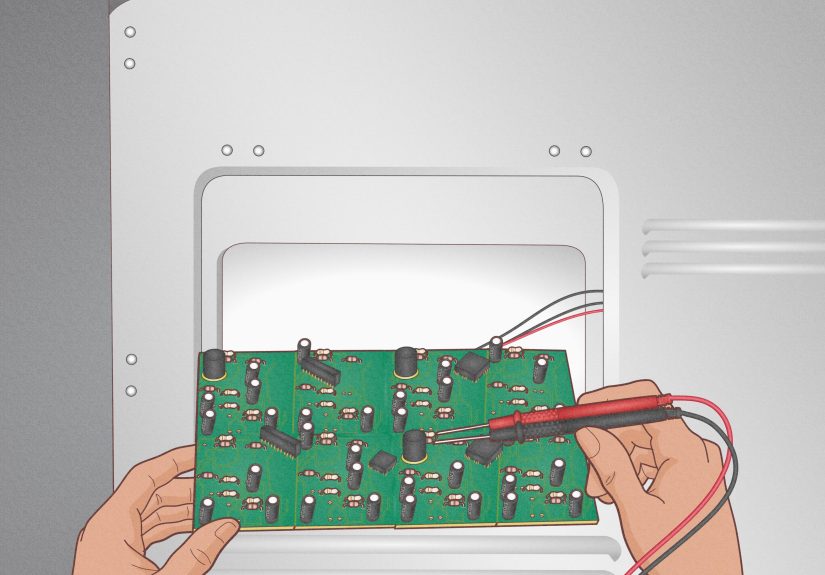
Symptoms can include inconsistent temperatures, spoiled food, freezing in the fresh food area, or cooling that seems random. Testing a thermistor often requires a multimeter and the correct resistance chart for the model. This is where many DIY repairs stop being fun and start becoming a science fair with consequences.
15. Know When It May Be the Compressor, Start Relay, or Sealed System
If your Whirlpool refrigerator is not cooling at all, and the fans and settings seem normal, the issue may involve the compressor, start relay, overload device, control board, or sealed refrigeration system. Clicking sounds every few minutes can sometimes indicate that the compressor is trying to start but cannot.
Sealed system repairs involve refrigerant and specialized tools. Do not attempt to recharge refrigerant or open sealed lines yourself. Refrigerant work should be handled by certified professionals. If the refrigerator is older, ask for a repair estimate before approving major work. Sometimes repair makes sense; sometimes replacement is the less painful path.
What to Do With Food When Your Refrigerator Stops Cooling
Food safety matters as much as appliance repair. If the refrigerator has been above 40°F for more than two hours, perishable foods such as meat, poultry, seafood, eggs, milk, soft cheeses, cooked leftovers, and cut fruit may no longer be safe.
During a power outage, keep refrigerator and freezer doors closed as much as possible. A closed refrigerator can keep food cold for about four hours. A full freezer can hold temperature longer than a half-full freezer. When in doubt, throw it out. That rule may feel harsh, but it is friendlier than spending the evening regretting suspicious chicken salad.
Quick Symptom Guide
Freezer Cold but Refrigerator Warm
Common suspects include blocked vents, a bad evaporator fan, a stuck damper, frost buildup on evaporator coils, or overpacked shelves preventing airflow.
Both Refrigerator and Freezer Are Warm
Check power, temperature settings, cooling mode, condenser coils, condenser fan, compressor operation, start relay, and control board issues.
Refrigerator Runs Constantly
Possible causes include dirty coils, door gasket leaks, frequent door openings, hot room temperatures, poor clearance, or an overloaded refrigerator.
Refrigerator Clicks but Does Not Cool
A repeated clicking sound may point to a start relay, overload device, compressor problem, or electrical issue. This usually calls for professional diagnosis.
When to Call a Professional
Call an appliance technician if you suspect a failed compressor, refrigerant leak, sealed system problem, control board failure, faulty fan motor, or defrost system issue. Also call for service if the refrigerator trips the breaker, smells like burning, leaks near electrical parts, or makes loud mechanical noises.
A good rule: clean, inspect, reset, and rearrange on your own. Test live electrical components or sealed refrigerant systems only if you are qualified. Your refrigerator can be replaced. You, however, are a limited edition.
Real-World Experience: What Usually Works First
In real homes, the most successful refrigerator troubleshooting often starts with the least glamorous fixes. Nobody wants to believe a $2,000 appliance is struggling because of dust bunnies under the grille, but condenser coils are repeat offenders. One common experience is a Whirlpool refrigerator that still hums, still lights up, and still seems alive, but the milk is slowly drifting toward room temperature. After the coils are cleaned and the vents are cleared, the temperature may begin improving within several hours.
Another frequent pattern is the “freezer is fine, fridge is warm” mystery. Homeowners often assume the entire cooling system has failed, but the freezer may be producing cold air perfectly well. The problem is that the cold air is not reaching the fresh food section. Blocked vents, an overstuffed freezer, frost buildup, or a weak evaporator fan can all cause this. In everyday use, the fix may be as simple as moving a giant frozen pizza box away from the vent. Yes, frozen pizza can become the villain. It had range.
Door seals are another sneaky issue. A gasket can look acceptable at a glance but fail in one corner. Warm air enters, moisture follows, frost forms, and the refrigerator works harder while cooling less. Cleaning sticky residue from the gasket sometimes restores the seal. If the gasket is cracked or warped, replacement is usually needed. Many homeowners notice the problem after seeing condensation, frost near the door, or food spoiling faster than usual.
Temperature settings also deserve more respect than they get. A refrigerator control can be bumped while loading groceries or cleaning the panel. Kids may press buttons. Adults may press buttons and blame the kids. Either way, checking the settings with a thermometer is better than guessing. A display setting is not the same as actual internal temperature, especially when the fridge is recovering from heavy use, hot leftovers, or a long door-open session.
One practical habit is to troubleshoot in stages. First, confirm power and settings. Second, check food placement, vents, and door seals. Third, clean the coils and give the refrigerator time to stabilize. Fourth, listen for fans and watch for frost patterns. This order keeps you from replacing parts before solving basic airflow or maintenance problems. It also gives you better information if you do call a technician.
Finally, do not ignore food safety while diagnosing the appliance. A refrigerator can look normal from the outside while sitting above safe temperatures inside. Keep a thermometer in both compartments, especially during summer, after outages, or when the fridge seems suspicious. If food has been too warm for too long, replacing groceries is annoying, but it beats getting sick. The refrigerator’s job is to protect your food. Your job is to know when the fridge is asking for helppreferably before the cheese starts writing its farewell letter.
Conclusion
A Whirlpool refrigerator not cooling does not always mean disaster. Start with simple checks: power, settings, cooling mode, airflow, door seals, and condenser coils. Then move toward more technical possibilities such as evaporator fans, condenser fans, frost buildup, dampers, sensors, start relays, and compressors.
The smartest troubleshooting strategy is simple: check the easy, safe items first; use a thermometer instead of guessing; protect your food; and call a qualified technician when the issue involves electrical parts, refrigerant, or sealed system repairs. With a little patience, your Whirlpool refrigerator may return to doing what it does best: keeping leftovers cold and silently judging how many times you open the door.