Table of Contents >> Show >> Hide
- Why Behavior Comes Before Food
- The Hidden Behaviors That Shape a Diet
- What Sustainable Diet Change Actually Looks Like
- Small Behavior Shifts That Make a Big Difference
- The Emotional Side of Eating Deserves Respect
- Family, Work, and Social Life Change Diets Too
- What Success Really Means
- Experiences People Commonly Have When Behavior Changes First
- Conclusion
- SEO Tags
section and ends with the requested visible JSON SEO tags. The article is synthesized from current U.S. guidance and education materials from CDC, NIDDK/NIH, NHLBI/NIH, USDA MyPlate, the Dietary Guidelines forDietary Guidelines+4NIDDK+4CDC+4tion Source, MedlinePlus, NIMH, and Mayo Clinic. Dietary Guidelines+4NIDDK+4CDC+4Mayo Clinic+5www.heart.org+5Eat Right+5le>
A funny thing happens when people say they want to “change their diet.” They usually picture the food first: more greens, fewer chips, less late-night fridge diplomacy. But real change rarely starts on the plate. It starts in the moments before the plate ever appears. It begins with habits, routines, emotions, schedules, shopping patterns, sleep, stress, and the sneaky little autopilot decisions that happen long before lunch.
That is the real story behind lasting nutrition change. When a diet is changed, a behavior is changed first. Not because food does not matter. It absolutely does. But behavior is the engine, and food is often the passenger. You can buy the world’s healthiest groceries, but if your routine is chaos, your stress is sky-high, and your kitchen strategy is “I guess crackers count as dinner,” those groceries may become decorative produce.
The good news is that this works in your favor. You do not need a dramatic reinvention. You need a few better patterns repeated often enough that they stop feeling like effort and start feeling like normal life. That is where sustainable healthy eating habits are built, and that is where diets become lifestyles instead of short-lived episodes with a very emotional jar of peanut butter.
Why Behavior Comes Before Food
Most eating choices are not made in a grand philosophical moment. They happen in ordinary settings: during a rushed commute, after a stressful meeting, while standing in the kitchen, while scrolling on the couch, or while trying to answer one more email before dinner. In other words, food decisions are usually behavior decisions wearing a snack disguise.
If someone wants to eat more vegetables, the real behavior may be meal planning on Sunday, keeping washed produce visible in the fridge, or choosing a simple sheet-pan dinner instead of takeout three nights a week. If someone wants to cut back on sugary drinks, the first shift may be carrying a water bottle, not summoning superhuman willpower at 3 p.m. If someone wants more balanced meals, the behavior may be eating lunch away from a laptop so hunger and fullness cues have a fighting chance.
This is why all-or-nothing diets often fall apart. They focus on rules before routines. They change the menu without changing the system. And systems matter. Your daily habits determine whether healthy eating feels smooth, annoying, affordable, satisfying, or nearly impossible.
Behavior-first thinking also removes a lot of guilt. Instead of saying, “I failed because I ate the wrong thing,” you can ask a smarter question: “What behavior set that decision up?” Maybe the answer is skipping breakfast, not grocery shopping, eating while distracted, or using food as the fastest stress relief tool in the room. That shift is powerful because behaviors can be practiced, adjusted, repeated, and improved.
The Hidden Behaviors That Shape a Diet
1. The way you shop
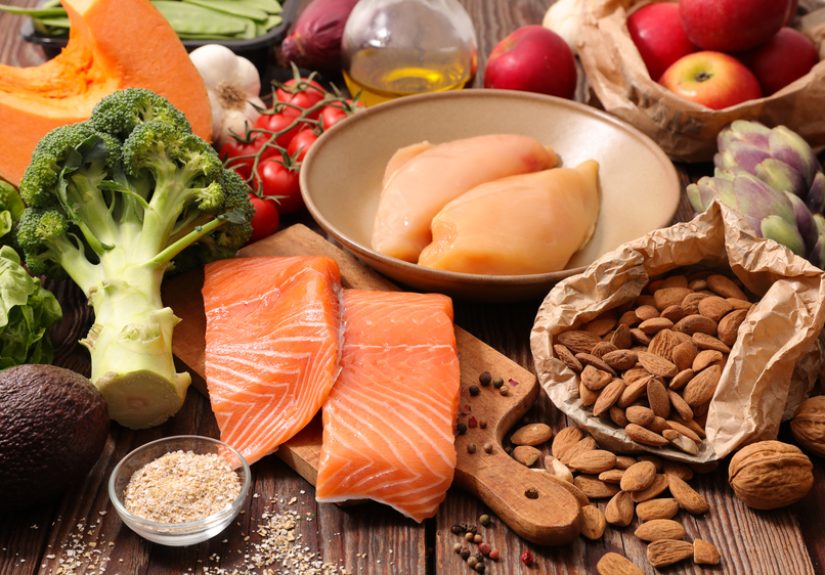
A diet is often built at the grocery store before it is built in the kitchen. People who stock easy, practical staples usually eat better without needing a motivational speech every evening. Frozen vegetables, fruit, beans, yogurt, eggs, oats, whole grains, nuts, and convenient proteins may not feel glamorous, but they are the backstage crew that keeps the show running.
2. The way you plan
Healthy eating gets easier when it is decided earlier. That does not mean color-coded spreadsheets and military-grade meal prep containers, unless that is your thing. It simply means reducing decision fatigue. When dinner already has a rough plan, there is less room for panic ordering and fewer opportunities for “cereal again” to become a personality trait.
3. The way you respond to stress
Many people are not hungry when they eat. They are tired, bored, lonely, overwhelmed, or reward-seeking. That does not make them weak. It makes them human. But it does mean nutrition change often depends on building nonfood coping tools: a short walk, a glass of water, a break from screens, a call to a friend, five quiet minutes, or simply eating a real meal earlier so desperation does not arrive at 9 p.m. wearing sweatpants.
4. The way you structure your environment
Willpower is unreliable. Environment is underrated. If healthier foods are visible, accessible, and ready to eat, people are more likely to choose them. If every counter is a shrine to snack temptation, the odds shift in the other direction. Behavior change is easier when the environment makes the better choice the easier choice.
5. The way you eat
Eating too fast, eating distracted, and eating on autopilot can make it harder to notice satisfaction. Slowing down, sitting at a table, and paying attention sound almost too simple, but these behaviors can meaningfully improve eating patterns. A healthier diet is not only about what you eat. It is also about how you eat.
What Sustainable Diet Change Actually Looks Like
Realistic diet change is usually less dramatic than people expect and far more effective than they fear. It often looks like small shifts repeated consistently:
- adding fruit to breakfast instead of skipping breakfast entirely
- choosing water more often without banning every favorite drink
- building a plate around vegetables, whole grains, and protein
- keeping balanced snacks nearby to avoid the afternoon crash-and-grab
- cooking at home a little more often, not suddenly becoming a celebrity chef
- using smaller cues and routines instead of relying on motivation alone
This approach matters because healthy eating is not a performance. It is a pattern. A person does not need a perfect day of eating. They need a decent pattern that keeps showing up across busy Mondays, lazy Saturdays, stressful deadlines, grocery budget weeks, and the occasional “I absolutely needed fries today” moment.
That is also why adding before subtracting works so well. Add vegetables to one meal. Add protein to breakfast. Add a grocery list. Add a consistent lunch break. Add a reusable water bottle to the front seat of the car. Once useful behaviors are in place, less helpful habits often begin to shrink naturally. The diet improves because the routine improves.
Small Behavior Shifts That Make a Big Difference
Create a cue
New habits stick better when tied to something you already do. After making coffee, fill your water bottle. After putting groceries away, wash and portion fruit. After work, chop vegetables before you sit down. A cue turns an intention into an action.
Make healthy foods easier, not harder
If dinner ingredients require a quest, a map, and several emotional sacrifices, takeout will win. Keep healthy options simple. Rotisserie chicken, microwavable brown rice, bagged salad, canned beans, yogurt, fruit, nuts, and whole grain toast can support better eating without turning the kitchen into a stress laboratory.
Reduce friction
The best nutrition strategy may be the one that removes one obstacle. Pack lunch the night before. Put cut vegetables at eye level. Keep a short grocery list on your phone. Freeze leftovers in single servings. Tiny acts of convenience can create major behavior change over time.
Practice mindful pauses
Before reaching for food, pause for a moment and ask: am I hungry, stressed, bored, or just following a habit cue? Sometimes the answer is hunger, and the solution is to eat a balanced meal like a sensible adult. Sometimes the answer is stress, and the solution is not cookies pretending to be a therapist.
Expect imperfection
People who maintain healthier habits are not perfect. They are flexible. One heavier meal does not ruin a week. One missed workout does not cancel a routine. One stressful day does not mean “start over Monday.” Sustainable change depends less on avoiding lapses and more on recovering from them without turning one detour into a full road trip.
The Emotional Side of Eating Deserves Respect
Food is not only fuel. It is comfort, culture, celebration, routine, memory, and sometimes relief. Any honest conversation about diet change has to respect that. Telling people to “just eat better” without addressing stress, sleep, mental load, family patterns, and emotional eating is like telling someone to drive better while ignoring the flat tire.
This is one reason extremely rigid diets can backfire. The tighter the rules, the louder food can become in the mind. Restriction may create rebellion, guilt, and overeating cycles in some people. A steadier approach is to build structure without obsession: regular meals, satisfying foods, balanced plates, fewer distractions, and enough flexibility that the plan still works in real life.
It is also important to say this clearly: if changing eating habits becomes overly restrictive, fear-driven, obsessive, or emotionally distressing, professional support matters. People with medical conditions, a history of disordered eating, or concerns about eating disorder symptoms should work with a qualified clinician or a registered dietitian nutritionist rather than trying to out-stubborn the problem with internet advice and sheer determination.
Family, Work, and Social Life Change Diets Too
Behavior does not happen in a vacuum. Families influence shopping, meal timing, and what becomes “normal.” Work schedules affect whether lunch is planned or inhaled at a desk. Social circles shape restaurant choices, weekend habits, and the emotional tone around food.
That means successful diet change often includes social and environmental adjustments. Families may benefit from eating together more often, involving kids in meal prep, and keeping a calmer mealtime atmosphere. Work routines may improve with packed snacks, a scheduled lunch break, and a water bottle within reach. Social habits may get easier when people choose restaurants with balanced options or decide in advance how they want to approach a celebration meal.
None of this requires perfection. It requires awareness. When people understand the context around their eating, they stop seeing healthy eating as a moral test and start seeing it as a practical skill.
What Success Really Means
Success is not a week of flawless salads followed by a dramatic breakup with carbohydrates. Success is quieter than that. It is more boring, more useful, and much kinder.
Success looks like eating in a way that supports energy, health, and daily life most of the time. It looks like cooking one more night per week than before. It looks like learning which breakfasts keep you full. It looks like noticing when stress is driving cravings. It looks like keeping nutritious foods around, eating more intentionally, and recovering from imperfect days without spiraling.
Most of all, success looks like behavior becoming routine. Once that happens, the diet changes almost as a side effect. The person who plans meals tends to eat differently. The person who sleeps better tends to snack differently. The person who keeps balanced foods on hand tends to make steadier choices. The person who slows down while eating often notices enough sooner. Behavior leads. Diet follows.
So yes, when a diet is changed, a behavior is changed first. That is not bad news. That is the shortcut hiding in plain sight. You do not have to become a different person by next Tuesday. You just have to repeat a few better actions until your future self starts doing them automatically. That is how real change works. Quietly. Repeatedly. And usually with fewer miracles than advertised, but much better odds of lasting.
Experiences People Commonly Have When Behavior Changes First
One of the most common experiences is surprise. People assume they need a strict diet plan, a long list of forbidden foods, or a dramatic kitchen reset. Then they make one behavior change, such as eating a real lunch instead of skipping it, and suddenly the afternoon vending machine loses some of its mysterious power. They do not become perfect. They just stop arriving at 4 p.m. nutritionally unprepared and emotionally available for crackers, candy, or whatever was easiest to grab. The lesson is simple: a better routine often solves what looked like a food problem.
Another familiar experience is discovering how much environment matters. Someone decides to “eat cleaner,” but the real breakthrough comes when they shop differently, keep ready-to-eat foods visible, and stop expecting themselves to prepare a complicated meal when they are already exhausted. They learn that behavior change is not just discipline. It is design. The bowl of fruit on the counter, the yogurt at eye level, the prepped leftovers in the fridge, and the grocery list saved in a phone note start doing some of the heavy lifting. Suddenly healthy eating feels less like a battle and more like the path of least resistance.
Many people also notice that emotional eating does not disappear just because they declare a new diet on Monday morning. Stress still shows up. Boredom still shows up. So does the urge to reward yourself after a hard day with something salty, sweet, crunchy, or all three at once. But when behavior changes first, people begin to build a pause between emotion and eating. Maybe they drink water first. Maybe they take a short walk. Maybe they ask whether they need food, rest, comfort, or a break from screens. That pause does not make them robots. It makes them more aware, and awareness is often where change begins.
There is also the experience of letting go of perfection. This may be the most freeing part. People who focus only on diet often feel that one off-plan meal means failure. People who focus on behavior tend to recover faster. They may have takeout on a chaotic night and still return to their routine the next morning. They stop treating every meal like a final exam and start treating healthy eating like a long game. That mindset reduces guilt, lowers the odds of all-or-nothing thinking, and makes consistency much more realistic.
Finally, many people experience a shift in identity. At first, they are “trying to eat better.” Over time, with repeated behaviors, they become someone who plans ahead, someone who keeps balanced snacks nearby, someone who cooks simple meals, someone who notices hunger cues, someone who drinks water regularly, someone who does not panic every time life gets busy. That identity shift is subtle, but it matters. Long-term diet change is not just about eating different foods. It is about becoming the kind of person whose everyday behaviors naturally support better choices. When that happens, healthy eating starts to feel less like a temporary project and more like everyday life.
Conclusion
If you want a healthier diet, start by looking at the behaviors wrapped around your meals. Look at your shopping habits, your meal timing, your stress patterns, your home setup, your pace of eating, and your daily cues. Change one useful thing. Then repeat it. Then build the next one.
That is the unglamorous truth and the very good news: lasting nutrition change is usually built with ordinary behaviors, not heroic restriction. Start where life actually happens. The plate will catch up.
Note: This article is for general educational purposes and is not a substitute for medical care. For medical conditions, major dietary changes, or concerns about disordered eating, consult a physician or registered dietitian nutritionist.