Table of Contents >> Show >> Hide
- Plasma fibroblast therapy, explained in plain English
- What happens during a typical plasma pen appointment?
- What people use plasma fibroblast therapy for
- Potential benefits: why people are interested
- Risks and side effects (the part you should read twice)
- Who should avoid plasma fibroblast therapy (or be extra cautious)
- The regulatory reality check (especially in the U.S.)
- Aftercare and recovery: what “normal” often looks like
- Cost: what to expect
- Alternatives to compare (often with better-studied track records)
- How to choose a safer provider (and avoid regret)
- Bottom line
- Experiences people commonly report (a realistic “what it’s like” section)
Plasma fibroblast therapy is one of those beauty treatments that sounds like it was invented in a sci-fi lab (“Activate the fibroblasts!”),
but it’s actually a real cosmetic procedure that’s become popular in med spas and on social media. It’s often marketed as a way to tighten
skinespecially around the eyeswithout surgery. And yes, it usually creates those tiny dot “crusts” you’ve probably seen in before-and-after
photos.
Here’s the honest, in-depth rundown: what it is, how it works, what it might help, what could go wrong, and how to make a smart decision
if you’re considering it.
Plasma fibroblast therapy, explained in plain English
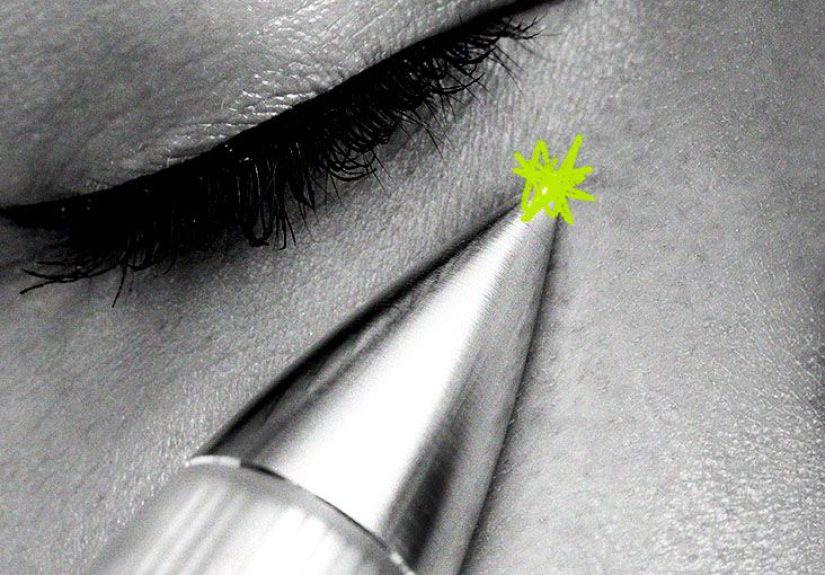
Plasma fibroblast therapy (often called plasma pen treatment or fibroblast skin tightening) uses a pen-like device to create a small electrical
arc just above the skin. That arc ionizes the air and forms “plasma” (sometimes called the fourth state of matter). The device doesn’t
need to physically touch the skin to create a tiny, controlled burn-like micro-injury.
The basic idea is simple: controlled injury → healing response → collagen remodeling. Fibroblasts are cells in the dermis that help produce collagen
and other structural proteins. By creating pinpoint micro-injuries on the surface, providers aim to trigger fibroblasts to kick into repair mode,
tightening and smoothing the treated area over time.
Important: “plasma” doesn’t mean blood plasma
Plasma fibroblast therapy is not platelet-rich plasma (PRP) and it does not involve drawing your blood. PRP is an injection-based
procedure made from your own blood components. Plasma fibroblast therapy is an energy-based skin procedure using a device.
Also important: not all “plasma” skin treatments are the same
Some dermatology offices use FDA-cleared plasma resurfacing systems (for specific indications) that rely on controlled plasma energy delivered in a clinical setting.
Meanwhile, many consumer “plasma pens” and some spa devices are marketed aggressively online with mixed oversight. That difference matters for safety, training,
and realistic expectations.
What happens during a typical plasma pen appointment?
Exact steps vary by provider and device, but most in-office treatments follow a similar flow:
- Consultation: A provider reviews your goals, skin type, medical history, scarring tendency, pigment risk, and whether you’re a good candidate.
- Numbing: A topical anesthetic cream is commonly used to reduce discomfort.
- Eye protection (for eye-area treatments): This should be taken very seriouslyyour eyes are not the place for “close enough.”
- Application: The device delivers tiny plasma arcs in a dotted pattern (often a grid) across the treatment area.
- Immediate aftermath: Swelling and redness are common. Small dark “carbon crusts” (tiny scabs) form where each spot was treated.
Downtime is usually measured in days, not monthsbut it can still be socially awkward. Those dots are visible. You may look like you lost a close
battle with a sesame-seed bagel for about a week.
What people use plasma fibroblast therapy for
Plasma fibroblast therapy is commonly marketed for:
- Fine lines and “crepey” skin texture
- Upper eyelid laxity (often described as “non-surgical blepharoplasty” marketing)
- Crow’s feet and under-eye lines (with extra caution because the area is delicate)
- Smoker’s lines (vertical lip lines) and small areas around the mouth
- Neck texture in small zones
- Some types of scars or uneven texture (results vary widely)
What it usually can’t do (no matter what the ad says)
- Severe skin laxity: If there’s a lot of excess skin, surgery may be the only option that truly “removes” it.
- Deep folds: Significant nasolabial folds and heavy jowling often respond better to other modalities (or a combination approach).
- Instant perfection: Some tightening can look immediate from swelling, but final results take weeks to months as collagen remodels.
Potential benefits: why people are interested
When performed well on the right candidate, plasma fibroblast therapy may offer:
- Mild-to-moderate tightening in small, targeted areas
- Texture improvement as the skin heals and remodels
- No incisions and typically a shorter recovery than surgery
- Single-session convenience for some patients (though not everyone)
A realistic example: someone with mild upper eyelid creasing who isn’t ready for surgery might see a subtle smoothing effect after healing, especially
if they’re careful with sun protection and aftercare. The key word is subtle. If you’re expecting a full surgical eyelid lift, this may disappoint you.
One more reality check: plasma fibroblast therapy is still considered a newer cosmetic technique, and high-quality research on long-term outcomes is limited.
That doesn’t mean “it never works.” It means the evidence base isn’t as deep as for some established procedures.
Risks and side effects (the part you should read twice)
Any procedure that intentionally creates controlled injury can go sideways. With plasma fibroblast therapy, risks range from common-but-temporary to rare-but-serious.
Common, expected side effects
- Redness and swelling (often most noticeable for 24–72 hours)
- Tenderness, tightness, and itching during healing
- Visible carbon crusts/scabs for about a week (sometimes longer)
- Temporary dryness or flaking as the skin recovers
More serious risks to consider
- Burns: If energy is too high, spots overlap, or technique is poor, injury can be deeper than intended.
- Scarring or pitting: Over-treatment can leave texture changes that are harder to fix than the original issue.
- Infection: Any break in the skin is an invitationespecially if aftercare is sloppy or the setting isn’t appropriately sterile.
- Hyperpigmentation or hypopigmentation: Dark spots or light spots can occur, particularly in deeper skin tones or in people prone to post-inflammatory hyperpigmentation.
- Prolonged redness: Some people experience redness that lingers longer than expected.
- Cold sore flare-ups: If you’re prone to herpes simplex outbreaks, facial procedures can trigger reactivation.
- Eye-area complications: Treatments around the eyes require meticulous protection and preparation.
The eye-area deserves its own warning label. There are documented reports of serious eye injuries related to periocular preparation and poor handling of topical anesthetics.
In other words: your “non-surgical eyelid refresh” should not come with a side quest to the emergency department.
Who should avoid plasma fibroblast therapy (or be extra cautious)
You should be cautiousor avoid it entirelyif you have:
- A history of keloids or hypertrophic scarring
- Active skin infection, cold sore outbreak, or significant inflammation in the area
- Recent isotretinoin use (ask a dermatologist; timing matters)
- Uncontrolled diabetes or conditions that impair wound healing
- Melasma or a strong tendency toward post-inflammatory hyperpigmentation
- Darker skin tones where pigment risk may be higher (this is not a “never,” but it demands extra expertise and caution)
- Pregnancy or breastfeeding (often avoided in elective cosmetic procedures)
And one more: if you’re doing this because an influencer made it look like a one-week miracle and you’re counting on that timeline for a wedding, reunion,
or job interviewpause. Healing is personal, and surprises aren’t always cute.
The regulatory reality check (especially in the U.S.)
In the United States, it’s smart to ask direct questions about the device being used and the provider’s qualifications. Why? Because marketing and regulation
don’t always move at the same speed.
Many at-home plasma pens sold online and some devices promoted for cosmetic tightening have raised regulatory concerns, and there have been enforcement actions
involving companies marketing plasma-based devices without appropriate clearance for those claims. Even when a device is “registered” or a facility claims it is
“FDA registered,” that does not automatically mean it’s FDA-cleared for a specific aesthetic indication.
A helpful distinction
There are FDA-cleared plasma-based systems used in dermatology for certain dermatologic indications in controlled medical settings.
But that doesn’t automatically validate every pen-style “fibroblast” device (or every spa offering) for cosmetic tightening.
Aftercare and recovery: what “normal” often looks like
Providers vary in their protocols, so always follow your clinician’s instructions. In general, recovery tends to involve:
- Visible crusting: Tiny scabs typically remain until they shed naturally.
- Sun sensitivity: Freshly healing skin is more vulnerable to pigmentation changes.
- Patience: Final results often develop gradually over several weeks.
The biggest “don’t” most reputable providers agree on: don’t pick. Picking scabs is basically sending an RSVP to the scar-and-dark-spot party.
If you’re prone to fidgeting, keep your hands busy with something saferlike texting a friend about how you’re temporarily a human connect-the-dots page.
Contact a qualified clinician promptly if you notice signs of infection (worsening redness, increasing pain, pus-like drainage), unexpected blistering,
or any eye symptoms after periocular treatment.
Cost: what to expect
Prices vary widely by region, provider credentials, and treatment area. In the U.S., it’s commonly priced in the hundreds to a few thousand dollars
range per session for cosmetic areas, and it’s usually not covered by insurance.
Some people do one session; others are advised to do moreespecially if treating larger areas or seeking more noticeable change. Be wary of anyone promising
dramatic surgical-level results for bargain pricing.
Alternatives to compare (often with better-studied track records)
Depending on your goal, these options may be worth discussing with a board-certified dermatologist or plastic surgeon:
| Goal | Common Alternatives | Why People Choose Them |
|---|---|---|
| Upper eyelid laxity | Surgical blepharoplasty, laser resurfacing | Surgery removes excess skin; lasers can improve texture with established protocols |
| Fine lines / texture | Fractional lasers, microneedling, chemical peels | Better-studied options; customizable intensity |
| Skin “tightening” | RF treatments, ultrasound-based devices | Can target deeper layers; often used in multi-session plans |
| Scars | Microneedling, lasers, combination therapies | Evidence base is broader for many scar types |
Note: alternatives can have risks too. For example, the FDA has issued safety communications about serious complications reported with certain uses of RF microneedling.
The point isn’t “everything is scary.” The point is: choose a trained medical professional and make sure the risk-to-reward trade makes sense for you.
How to choose a safer provider (and avoid regret)
If you’re considering plasma fibroblast therapy, these questions can save you a lot of painfinancially and literally:
- Who is performing the procedure? Are they a licensed medical provider? Is there physician oversight?
- What device is being used? What is it cleared/indicated for (if anything), and can they explain it without getting weirdly evasive?
- How do they handle complications? If pigment changes or scarring occurs, what’s the plan?
- What’s the protocol for the eye area? Ask about protective measures and preparation steps.
- Can you see healed results? Not just “immediately after,” but weeks later on similar skin types.
And please treat “DIY plasma pen night” the same way you’d treat “DIY parachute night”: as a concept that should not leave the group chat.
Bottom line
Plasma fibroblast therapy is an energy-based cosmetic procedure designed to create tiny controlled injuries that may stimulate collagen remodeling and lead to mild-to-moderate tightening,
especially in small areas. Some people like their resultsparticularly for subtle texture changes and early laxity.
But it comes with real risks: burns, scarring, and pigmentation changes are possible, and the eye area requires serious caution. Evidence is still limited compared with many established
dermatologic procedures, and device oversight/claims can be murkyespecially with at-home and online-sold plasma pens.
If you’re interested, the safest path is simple: consult a qualified, licensed medical professional, ask hard questions, and choose realistic goals over viral marketing.
Experiences people commonly report (a realistic “what it’s like” section)
Because plasma fibroblast therapy is often shown online as a fast glow-up, it helps to talk about what the process feels like in real lifemessy middle included.
The most common experience starts with excitement (“Finally, my eyelids will stop looking tired!”) and quickly moves into a week of creative scheduling
(“Okay, so I’m not turning my camera on for that Zoom call…”).
Day 0: The appointment and the “dot surprise”
Most people describe the treatment as uncomfortable but manageable, especially with numbing cream. During the procedure, you may feel brief heat, tiny zaps,
or a prickly sensation. It’s not usually described as “relaxing,” unless your idea of relaxation includes the occasional smell of hot air doing science.
Right after, the area often looks red and swollen. If the eyes are treated, swelling can be dramatic enough that some people joke they look like they
lost an argument with a pillow.
Days 1–3: Peak puffiness and the temptation to overthink
This is when swelling often peaks. The carbon crusts darken and become more noticeable. Many people report tightness and itchiness, which sounds minor
until you remember the dots are right where you’d love to scratch. Socially, this is the “hat and sunglasses” era, and it’s also when regret can pop up
if someone wasn’t properly prepared for downtime. The best patient experiences tend to come from clinics that set expectations clearlywhat’s normal,
what’s not, and what the healing timeline typically looks like.
Days 4–8: The crusts shed… and you become obsessed with mirrors
Around this window, many people see crusts start to lift and fall off naturally. Underneath, the skin may look pink, sensitive, and slightly shiny.
This stage can be emotionally confusing: the dots are fading (yay), but the skin can look uneven (panic). A common pattern is checking the mirror
too often, then deciding the procedure “did nothing,” then checking again and deciding it’s “amazing,” all in the same afternoon.
People who have smoother recoveries often mention two things: strict sun avoidance and leaving the area alone (no picking, no aggressive skincare,
no “I’ll just exfoliate a little” experiments). People who have tougher recoveries often mention the opposite: sun exposure too soon, crusts picked off early,
or a provider who treated too aggressively for their skin type.
Weeks 2–6: The slow reveal (and where results can diverge)
If the treatment is going to look good, this is when many people start noticing gradual improvements: slightly smoother texture, a tighter look in small zones,
and makeup sitting better. It’s also when some people notice problems that weren’t obvious earlier, like lingering redness or pigment changes.
A common report from individuals prone to hyperpigmentation is that darkening can show up after the initial healing looks “fine,” especially if sun protection is inconsistent.
The “happy camper” vs. the “I wish I hadn’t” stories
The happiest patients tend to share a similar profile: mild laxity, realistic expectations, careful provider selection, and excellent aftercare.
They often describe the result as “refreshed” rather than “different,” and they like that it was localized and didn’t require surgery.
On the other hand, dissatisfied experiences often cluster around a few themes: bargain shopping, at-home devices, under-trained operators, and treating the eye area without
meticulous protection. These are also the situations where complications like pitting, scarring, or stubborn discoloration are more likely to become the headline.
In short: the internet can sell you a gadget. It can’t sell you good judgmentor safe technique.
If you’re considering plasma fibroblast therapy, a useful mindset is: “I’m choosing a wound-and-heal process on purpose.” That framing encourages better decisions:
qualified provider, proper medical screening, and the patience to let healing do its job.