Table of Contents >> Show >> Hide
Pink eye, also known as conjunctivitis, is a common eye condition that affects people of all ages, including babies. While it is often harmless, it can be quite uncomfortable for your little one, causing redness, swelling, and irritation in their eyes. As a parent, it’s important to understand the symptoms, causes, and available treatments to ensure your baby’s eyes are taken care of. In this article, we’ll dive deep into the symptoms, causes, treatment options, and more to help you navigate pink eye in babies.
What is Pink Eye in Babies?
Pink eye refers to the inflammation of the conjunctiva, the thin, transparent layer that covers the white part of the eye and lines the inner eyelids. When this area becomes irritated, it can cause the eyes to appear pink or red. Pink eye in babies can result from several factors, including viral or bacterial infections, allergies, or irritants like smoke or chemicals. Although it can be concerning to see your baby’s eyes swollen or irritated, it’s important to know that pink eye is usually treatable and doesn’t often lead to long-term issues.
Symptoms of Pink Eye in Babies
The symptoms of pink eye in babies can vary depending on the cause of the infection. However, some common signs include:
- Redness or pinkness in the white part of the eyes: This is the most obvious sign and is what gives pink eye its name.
- Excessive tearing: Your baby may have watery eyes or produce more tears than usual.
- Discharge: There might be a thick yellow or green discharge, or a crust may form on the eyelids, especially after naps or in the morning.
- Swelling: The eyelids may become puffy or swollen, sometimes making it difficult for your baby to open their eyes fully.
- Irritability: Pink eye can make babies uncomfortable, leading to fussiness, especially when their eyes are touched or exposed to light.
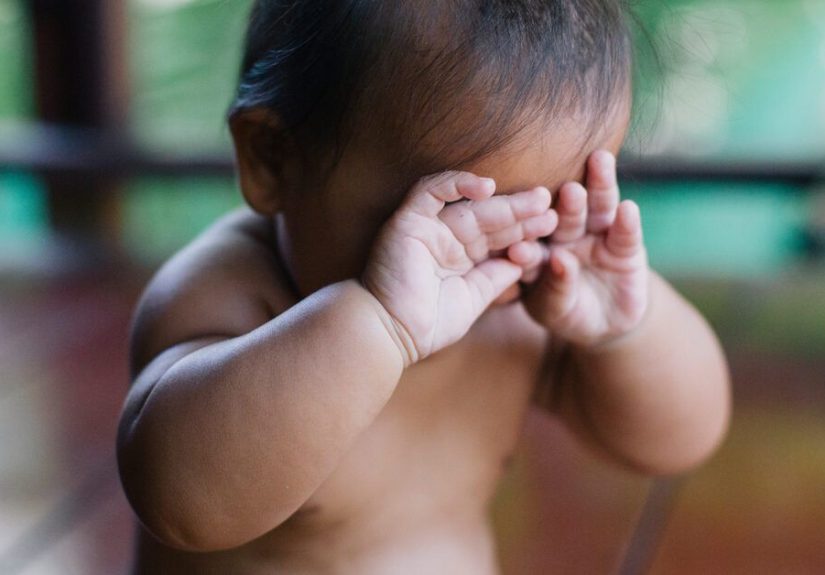
- Eye itching or rubbing: Although babies may not be able to tell you, they may rub their eyes more frequently when they’re uncomfortable.
If your baby is showing these symptoms, it’s important to consult a pediatrician to determine the underlying cause and receive proper treatment.
Causes of Pink Eye in Babies
There are several potential causes for pink eye in babies. The most common are:
1. Viral Infection
Viral conjunctivitis is the most common cause of pink eye. It’s usually caused by a virus, such as the adenovirus, that spreads through direct contact with infected eye secretions or contaminated surfaces. Viral pink eye often resolves on its own within one to two weeks, but it can be highly contagious during that time.
2. Bacterial Infection
Bacterial pink eye is another common cause, particularly in newborns. It is caused by bacteria, often from the same group of bacteria that cause ear infections or respiratory illnesses. Bacterial conjunctivitis tends to produce thicker, yellowish discharge and may require antibiotic treatment to help the infection clear up.
3. Allergies
Allergic conjunctivitis can also lead to pink eye symptoms, especially in babies who are sensitive to things like pollen, pet dander, or dust mites. Allergic pink eye is not contagious and can be accompanied by other allergy symptoms like sneezing or a runny nose.
4. Irritants
Certain environmental factors, such as exposure to smoke, chlorine in swimming pools, or harsh chemicals, can irritate the eyes and lead to pink eye-like symptoms. These cases typically resolve once the irritant is removed.
5. Blocked Tear Duct
In some cases, babies may develop pink eye due to a blocked tear duct. This condition can lead to a buildup of tears and a watery eye, which can irritate the eye and cause redness. A blocked tear duct is relatively common in newborns and usually resolves on its own as the baby grows.
Treatment Options for Pink Eye in Babies
The treatment for pink eye in babies depends on the underlying cause of the condition. Here’s a breakdown of treatment options for the most common causes of pink eye:
1. Viral Pink Eye
Viral pink eye typically resolves on its own within 1 to 2 weeks, so treatment mainly focuses on relieving symptoms. To help ease your baby’s discomfort:
- Use a clean, damp cloth to gently wipe away discharge.
- Apply cool compresses to the affected eye to reduce swelling and irritation.
- Make sure your baby avoids rubbing their eyes.
- Ensure that your baby’s hands are kept clean to prevent spreading the virus.
2. Bacterial Pink Eye
If your baby’s pink eye is caused by a bacterial infection, your pediatrician may prescribe antibiotic eye drops or ointment. These medications help eliminate the bacteria and can speed up recovery. Be sure to follow your doctor’s instructions carefully when applying the medication to ensure the best results.
3. Allergic Pink Eye
If allergies are the cause of pink eye, antihistamine or anti-inflammatory eye drops may be recommended by your doctor. Additionally, avoiding known allergens can help prevent flare-ups. If your baby has other allergy symptoms, antihistamines may also be helpful.
4. Irritant-Induced Pink Eye
If your baby’s pink eye is caused by an irritant, the best course of action is to remove the irritant and give your baby’s eyes time to heal. Avoid exposure to smoke, chemicals, or chlorine, and use lubricating eye drops to soothe the eyes.
5. Blocked Tear Duct
For a blocked tear duct, gentle massage of the area around the duct may help to clear the blockage. In some cases, your pediatrician may recommend other treatments. However, most cases of blocked tear ducts resolve on their own within the first year of life.
Preventing Pink Eye in Babies
While it’s not always possible to prevent pink eye, there are some steps you can take to reduce the risk of your baby getting it:
- Wash your hands frequently: Handwashing is one of the best ways to prevent the spread of viruses and bacteria.
- Keep your baby’s environment clean: Clean surfaces and toys regularly to remove germs.
- Avoid exposure to sick individuals: Limit your baby’s exposure to people who are sick, especially those with respiratory or eye infections.
- Clean your baby’s eyes: If your baby has a blocked tear duct, regular eye hygiene can help prevent infection.
When to See a Doctor
While pink eye is often mild and resolves on its own, it’s important to seek medical attention if:
- Your baby is less than 3 months old and has symptoms of pink eye.
- The symptoms persist or worsen after a few days.
- Your baby’s eyes are excessively swollen or painful.
- There is a yellow or green discharge from the eyes.
- Your baby is experiencing fever, sensitivity to light, or other concerning symptoms.
Conclusion
Pink eye in babies, though concerning, is usually a temporary condition that can be managed with the right treatment. By recognizing the symptoms and understanding the causes of pink eye, you can help keep your baby comfortable while they recover. Always consult your pediatrician to ensure the appropriate treatment is given, especially if the symptoms worsen or persist.
Experiences with Pink Eye in Babies
Having a baby with pink eye can be a worrying experience for any parent. My friend, Sarah, recently dealt with this when her 6-month-old, Ella, developed the condition. At first, it was hard for her to tell if it was just a little irritation or something more serious. Sarah noticed that Ella’s eyes were pink, and there was a bit of discharge. She was concerned, especially since Ella had a slight fever. After seeing the pediatrician, Sarah learned that it was viral conjunctivitis, which would resolve on its own in about a week.
Sarah followed the pediatrician’s advice, using cool compresses to help soothe Ella’s eyes, and made sure to keep Ella’s hands clean to prevent the virus from spreading. By the second day, the redness began to decrease, and the discharge lessened. It was a relief to see Ella feeling better.
From this experience, Sarah learned how essential it is to monitor the baby closely and keep their environment clean. She also learned that while pink eye can be contagious, it’s usually not something to panic over as long as it’s treated properly. Pink eye, though inconvenient, is part of growing up for many babies.