Table of Contents >> Show >> Hide
- The Deal (And Why “$9 Each” Is Real Math)
- What You’re Actually Getting for Nine Bucks
- Who These $9(ish) Amazon Pillows Are Best For
- A 60-Second Pillow Fit Check Before You Click “Buy”
- Budget Pillow vs. Fancy Pillow: When $9 Wins (And When It Doesn’t)
- How to Make Cheap Pillows Feel Weirdly Expensive
- Care and Cleaning: Keep Them Fresh Without Ruining Them
- Shopping Smarter on Amazon: How to Actually Land the $9 Price
- If the Deal Disappears: Solid Alternatives That Often Go on Sale
- Bottom Line: A Cheap Pillow Can Still Be a Smart Pillow
- Real-World Experiences: What Living With $9 Amazon Pillows Feels Like (500+ Words)
- Conclusion
If your pillow has the structural integrity of a sad taco (floppy, lopsided, and somehow still taking up the whole plate),
it might be time for a refresh. And yesevery so often, Amazon deals deliver that rare unicorn moment: a two-pack of
fluffy, down-alternative bed pillows drops to around $18 total, which works out to about $9 per pillow.
Quick reality check before we get cozy: Amazon prices change constantly. The “$9 apiece” math typically comes from a
limited-time discount on a two-pack of pillows (often during promo periods). So think of this as a
“watch-for-this-price” playbookbecause when it hits, it’s a surprisingly good value for a bedroom basic you use every single night.
The Deal (And Why “$9 Each” Is Real Math)
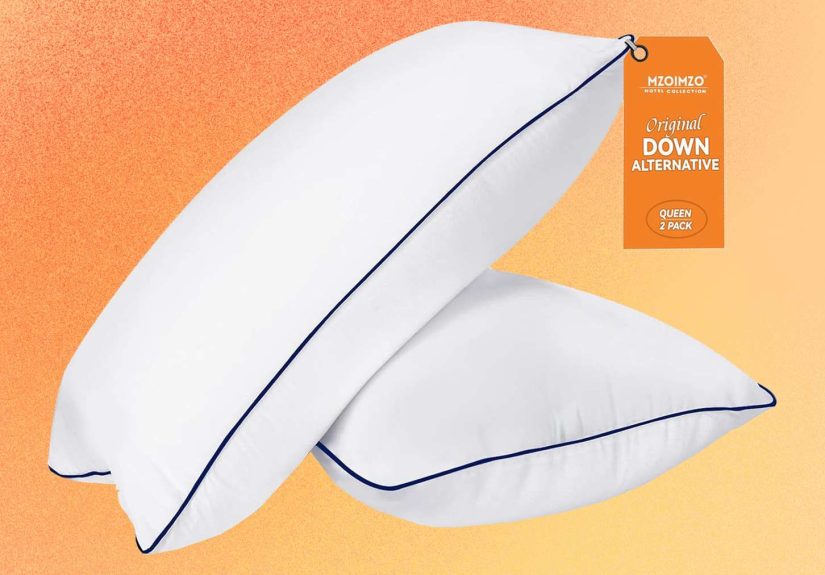
The headline usually points to a two-pack of hotel-style, down-alternative pillows that discounts to roughly
$18. Divide by two, and you’ve got the sweet spot: nine bucks per pillow. Deal coverage in the U.S. has
repeatedly highlighted this kind of pricing on shopper-loved, microfiber-filled pillowsespecially in standard/queen sizing.
Translation: you’re not buying one lonely pillow for $9. You’re snagging a set, which is ideal if you’re replacing a pair,
upgrading a guest bed, or finally admitting your decorative throw pillows can’t double as functional neck support.
What You’re Actually Getting for Nine Bucks
1) Down-Alternative Fill (Allergy-Friendly, “Hotel-ish” Feel)
Most budget “hotel pillows” on Amazon use polyester microfiber fill designed to mimic the plushness of down.
Down-alternative tends to feel soft and cushiony, and it’s a popular option for people who don’t want feathers (or the sneezes that
sometimes come with them). The upside is comfort and easy care; the trade-off is that ultra-budget polyfill can compress faster than
premium materials like latex or quality foam.
2) A Medium, Crowd-Pleasing Support Level
Deal-featured pillows in this price lane are usually described as “not too firm, not too flat”aiming for that middle-of-the-road
support that works for a lot of sleepers. If you’re a side sleeper, you generally need enough loft to fill the gap
between shoulder and neck. If you’re a back sleeper, medium loft often helps keep your neck aligned without pushing
your head forward.
If you’re a dedicated stomach sleeper, you’ll typically want a lower loft so your neck isn’t cranked
at an awkward angle. (Stomach sleeping can be hard on the neck, so pillow height matters a lot.)
3) “Cooling” Claims: What That Usually Means
In the under-$25 two-pack universe, “cooling” usually doesn’t mean space-age technology. It often means a breathable cover,
a gusseted design, or side mesh panels intended to move air better than a dense, sealed fabric.
That can feel less stuffyespecially if you tend to flip your pillow to “the cool side” like it’s a competitive sport.
4) Standard, Queen, King: Size Isn’t Just a Vibe
Pillow size affects everything: how your pillowcase fits, how full your pillow looks on the bed, and how much surface area you have
to arrange your nightly “pillow architecture.” Standard and queen are the most common for everyday sleepers. King pillows can feel luxurious,
but they’re larger, often pricier, and can overwhelm smaller mattresses.
Who These $9(ish) Amazon Pillows Are Best For
Side Sleepers Who Want “Fluffy, Not Brick”
Side sleepers usually do best when the pillow loft matches the distance between the neck and the shoulder, helping keep the spine neutral.
A medium-to-higher loft can be helpfulespecially if you have broader shoulders. If the pillow is too low, your head tilts downward;
too high, and your neck bends upward. Neither is a recipe for waking up feeling like you lost a wrestling match with your mattress.
Back Sleepers Who Need Gentle Neck Support
Back sleepers often prefer medium loft with support that cradles the natural curve of the neck. A pillow that’s overly thick can push the head
forward; too flat can leave the neck unsupported. Many budget hotel-style pillows aim for that “just right” middle that works well for back sleepers.
Guest Rooms, Dorms, First Apartments, and “I Need Two Pillows by Friday” Emergencies
A two-pack at a low price is perfect for practical situations: a guest room refresh, sending a kid to college, setting up an Airbnb,
or replacing the pillow you’ve had since your streaming passwords were shared “as a family.” (No judgment. Mild concern, yes. Judgment, no.)
Not Ideal For: People Who Need Structured, Medical-Grade Support
If you have significant neck pain, chronic headaches, or you’ve been told to use a specific pillow shape (like an ergonomic cervical pillow),
a bargain two-pack may not be the answer. Premium or specialized pillows (foam contour, adjustable fill, latex) can provide more consistent structure.
Budget microfiber pillows can be comfy, but they’re not always the most durable or supportive for people who need firmer alignment help.
A 60-Second Pillow Fit Check Before You Click “Buy”
- Your sleep position: Side sleepers usually need more loft; stomach sleepers usually need less.
- Your shoulder width: Broader shoulders often need a higher pillow to keep the neck level.
- Your mattress firmness: Soft mattresses let your shoulder sink more, sometimes reducing the loft you need.
- Your “wake-up report”: Neck stiffness, shoulder soreness, or frequent tossing can signal a mismatch.
- Return policy: Even affordable pillows should come with a reasonable return windowcomfort is personal.
Budget Pillow vs. Fancy Pillow: When $9 Wins (And When It Doesn’t)
A $9-per-pillow deal can absolutely be a win for comfort-per-dollar. But let’s be honest about what you’re paying for:
microfiber fill is cozy and accessible, but it can compress faster than higher-end options. Testing outlets that review pillows
across price tiers often point out that budget down-alternative pillows feel great initially but may need more frequent fluffing
and might not hold shape as long as adjustable or premium builds.
That doesn’t mean you shouldn’t buy them. It means you should buy them for the right job:
daily comfort on a budget, guest beds, backup pillows, or short-term upgrades.
If you’re investing in a “forever pillow,” you may want a material that resists flattening (latex, higher-quality foam, adjustable fill systems).
How to Make Cheap Pillows Feel Weirdly Expensive
Use a Pillow Protector (Your Secret Weapon)
A zippered protector helps reduce sweat, skin oils, and allergens reaching the pillow. It also makes your pillow easier to keep fresh,
since you can wash the protector more often than the pillow itself. Bonus: it adds a tiny bit of structure, which can help a soft pillow
feel more “together.”
Fluff Like You Mean It (But Don’t Abuse It)
Polyester fill can clump if it’s neglected. A quick fluff morning and night can help distribute fill and keep loft more consistent.
Think of it as a 10-second tune-up for your spine alignment. Way cheaper than complaining all day.
Try the Two-Pillow Stack for Reading (Not Sleeping)
Want hotel vibes while you read or scroll? Stack two pillows behind you for back support. But for sleeping, stacking can push your head too far forward,
especially on your backso keep the pillow geometry sane once the lights go out.
Care and Cleaning: Keep Them Fresh Without Ruining Them
Most synthetic/down-alternative pillows can be machine washed on a gentle cycle with mild detergent (always check the care label).
Many cleaning guides recommend washing pillows periodically and drying thoroughly on low to medium heat, often with dryer balls to help restore fluff.
The big caution: foam, gel, and latex pillows usually shouldn’t be machine washed because agitation and water can damage structure.
- Washing rhythm: Some guidance suggests washing pillows about every six months, or as needed (more often if allergies flare).
- Cycle choice: Gentle cycle, mild detergent, and balanced loads (wash two pillows at once if possible).
- Dry thoroughly: Low heat, extra dry time, and occasional fluffing during the cycle to prevent damp spots.
One more thing: a damp pillow can become a science project. If it still feels cool or heavy after drying, it’s not donekeep drying until fully dry.
Your future self (and your nose) will thank you.
Shopping Smarter on Amazon: How to Actually Land the $9 Price
Because pricing fluctuates, the best strategy is to shop like a calm adulteven if you’re excited.
Here’s how to improve your odds of catching the “$9 each” moment without buying something sketchy:
- Watch the two-pack total price: The magic number is usually around $18 for the set.
- Check who ships it: Look for reputable sellers and reliable shipping/returns.
- Read recent reviews: Focus on comments about loft over time, neck comfort, and heat retention.
- Look for certifications: Some deal-featured pillows note OEKO-TEX Standard 100 certification, which is a plus for sensitive sleepers.
- Know your pillowcase size: Standard vs. queen vs. king mattersavoid the sad baggy pillowcase look (unless that’s your aesthetic).
If the Deal Disappears: Solid Alternatives That Often Go on Sale
If the exact $18 two-pack isn’t available when you shop, you’re not doomed to lumpy sleep. A few other Amazon favorites frequently appear in
deal roundups or testing lists:
- Other down-alternative two-packs: Similar microfiber-fill pillows from popular budget brands can hit comparable pricing during promos.
- Amazon Basics down-alternative pillows: Often positioned as affordable, simple, and easy-care.
- Well-known “hotel collection” pillows: Some are praised for plushness but may compress fastergreat for guest beds and soft-lovers.
- Post–big-sale leftovers: It’s common to see pillow deals linger after major shopping eventsso check again a day or two later.
Bottom Line: A Cheap Pillow Can Still Be a Smart Pillow
If you catch the two-pack around $18, the “$9 apiece” deal is one of those rare home buys that can make an immediate difference in how you sleep.
You’re getting a cozy, down-alternative style that’s easy to care for, widely appealing across sleep positions (especially back and many side sleepers),
and budget-friendly enough that you won’t feel guilty upgrading both your bed and your guest room.
Just remember the golden rule of pillow shopping: comfort is personal, and loft matters. If your neck feels better after the switch, you’ll wonder
why you waited so long. If not, returns exist for a reasonand your old pillow can retire with honor.
Real-World Experiences: What Living With $9 Amazon Pillows Feels Like (500+ Words)
Since nobody wants a pillow review that sounds like it was written by a robot who has never met a human neck, let’s talk about
the kind of day-to-day experiences people commonly report when they upgrade to a budget-friendly, hotel-style down-alternative pillow set.
Think of this as a realistic “what to expect” timelinebased on the patterns you see in customer feedback and the practical realities of microfiber-fill pillows.
Night 1: The “Oh… This Is Fluffy” Moment
The first night is usually the honeymoon phase. Fresh out of the package (after a little time to fully expand), the pillows tend to look
surprisingly plump on the bed. Many sleepers describe an immediate sense of relief compared with an old flattened pillowespecially if they’ve been
folding, bunching, or karate-chopping their existing pillow into a shape that vaguely resembles support.
Side sleepers often notice the biggest instant improvement: the pillow fills that shoulder-to-neck gap better than a worn-out pillow,
which can translate into less neck crankiness in the morning. Back sleepers often describe it as “soft but not sinking straight to the mattress,”
which is exactly what most budget hotel-style pillows are trying to achieve.
Week 1: Learning Your Ideal “Fluff Routine”
By the end of the first week, you start to see the personality of the pillow. Microfiber-fill pillows can be very comfortable, but they often benefit
from a quick fluffespecially if you move around a lot at night. A common experience is realizing that two quick shakes (top-to-bottom, side-to-side)
before bed makes the pillow feel more consistent and “even” under your head.
People who sleep hot sometimes say the breathable cover feels less stuffy than older pillows that have absorbed years of heat and mystery. But the pillow
won’t magically turn your bed into an ice hotel. If you’re a furnace sleeper, you’ll still want breathable sheets and maybe a fan. The pillow can help,
but it’s not a superhero cape for your temperature.
Weeks 2–4: The “Support Reality Check”
This is the honest part: around the 2–4 week mark, some sleepers notice that the pillow doesn’t feel quite as lofty as day one. That’s normal for many
budget microfiber pillows. The fill can settle. The best-case scenario is that it settles into a comfortable shape and stays there with simple fluffing.
The less-ideal scenario is that it starts to compress more than you’d like, especially if you’re a side sleeper who needs consistent height.
This is also when people often experiment with small tweaks: adding a pillow protector for a slightly “tighter” feel, using a different pillowcase fabric,
or pairing the pillow with a second one behind it for reading. Some even rotate pillows (yes, like tires) so each pillow gets equal “sleep duty.”
Is it a little extra? Sure. Is it still cheaper than a $120 specialty pillow? Also yes.
After a Wash: The “New Again” Trick (If You Dry It Properly)
One surprisingly common experience: after washing and thoroughly drying, a synthetic pillow can feel perkieralmost refreshedbecause the fill gets
redistributed. The key is complete drying. People who rush this step often regret it. Those who use low heat, dryer balls, and enough time
usually report the pillow regains much of its fluff.
Longer Term: Best Use Cases
Over time, many sleepers decide these pillows are a fantastic value for guest beds, backup pillows, and budget-conscious upgrades. If you need serious
structure for neck pain, you might still end up preferring an ergonomic or adjustable pillow. But for everyday comfortespecially at a “$9 each” deal
the experience is often: “Why didn’t I do this sooner?”
In other words, these pillows tend to deliver what most people actually want: a cleaner, fresher, more supportive start than an old worn-out pillow,
with enough comfort to noticeably improve bedtimewithout requiring a luxury budget.
Conclusion
When a comfy two-pack drops to around $18, the “$9 apiece” Amazon pillow deal is one of the easiest ways to upgrade your sleep setup fast.
Choose the right loft for your sleep position, keep expectations realistic about long-term structure, and take basic care steps (protector + periodic washing),
and you’ll get a lot of comfort for not a lot of money. Your neck may not write you a thank-you note, but it might stop filing complaints every morning.