Table of Contents >> Show >> Hide
- American Shad in One Sentence
- How to Identify American Shad
- Where American Shad Live
- The American Shad Life Cycle
- Why American Shad Matter
- “The Founding Fish” and a Quick History Lesson
- Why American Shad Declined in Many Rivers
- Restoration and Conservation: The Comeback Story (Sometimes)
- How People Fish for American Shad
- Is American Shad Good to Eat?
- American Shad vs. Hickory Shad vs. River Herring
- FAQ: Quick Answers About American Shad
- of Real-World Experiences: What American Shad Feels Like in Practice
- Conclusion
If you’ve ever heard anglers talk about “the shad run” like it’s a seasonal holiday (because… it kind of is), they’re usually talking about
American shada silvery, hard-fighting fish that lives most of its life in the ocean, then storms back into freshwater rivers to spawn.
It’s a fish with serious American history, serious athleticism, and (depending on who’s cooking) seriously underrated flavor.
American shad (Alosa sapidissima) is often nicknamed “America’s founding fish,” and it earned that title honestly: shad runs fed
communities for centuries, powered commercial fisheries on big rivers, and still pull people to riverbanks each spring like clockworkcoffee in one hand,
rod in the other, optimism fully charged.
American Shad in One Sentence
American shad is an anadromous herring-family fish that grows in the Atlantic Ocean and returns to freshwater rivers to spawn, creating
famous seasonal “shad runs” along much of the U.S. East Coast.
How to Identify American Shad
At a glance, American shad looks like a sleek, bright herring that went to the gym. It’s typically silvery with a darker greenish-blue back, and many fish
show a row of darker spots behind the gill cover. Like other clupeids (the herring family), shad have a sharp-edged “keel” along the belly formed by
saw-like scales called scutesnature’s way of giving the fish a built-in zipper line.
Size and “Wow, That’s Bigger Than I Expected” Factor
American shad is the largest of the “true herring” types you’ll hear about in rivers. Adults can be quite large compared with river herring (like alewife
and blueback herring), and that size difference matters when you’re trying to figure out what you just hookedor when you’re explaining to a friend why your
arms are tired from “just a fish.”
Where American Shad Live
Naturally, American shad are found along the Atlantic coast of North America, migrating between the ocean and freshwater rivers. In the U.S., they’re closely
tied to iconic systems like the Connecticut, Hudson, Delaware, Susquehanna, Potomac, and Jamesplus many other coastal rivers that historically had runs.
Wait, Are There American Shad on the West Coast?
YesAmerican shad were introduced to the Pacific coast long ago and established sizable populations in places such as the Columbia River basin. That means
“American shad” can be an East Coast heritage story and a West Coast angling opportunity, depending on where you stand (geographically, emotionally,
and with your tackle box).
The American Shad Life Cycle
The word that unlocks the whole story is anadromous. Anadromous fish spend most of their adult lives in saltwater but migrate into freshwater
to reproduce. For American shad, that migration is the headline act.
1) Ocean Phase: The Grow-Out Years
After leaving rivers as juveniles, shad spend years at sea feeding and growing. By the time they return, they’re built for travel: streamlined, powerful,
and capable of moving long distances along the coast.
2) The Shad Run: Spring Migration Into Rivers
Each year, adult shad return to freshwater rivers to spawn. Timing varies by latitudeearlier in the south, later in the northso “shad season” moves up the
map like a traveling tour. In many places, the run peaks in spring when river conditions line up just right.
3) Spawning: A Nighttime Broadcast Event
American shad are broadcast spawners. Instead of building nests, groups of fish release eggs and milt into the water columnoften during the
evening or nighttime hours. Spawning tends to happen when water temperatures hit the sweet spot (commonly reported around the mid-60s °F), which is why anglers
obsess over thermometers like they’re reading stock charts.
4) A Tale of Two Strategies: “Spawn Once” vs “Spawn Again”
One of the most interesting (and easy-to-miss) details about American shad is that their life history can vary by region.
In parts of the southern range, many shad are more likely to spawn once and die; farther north, more shad survive spawning and may return in future years.
Same species, different survival patternsbecause nature loves a plot twist.
Why American Shad Matter
American shad are more than a fish you catch. They’re a moving piece of the ecosystem:
- They connect ocean and river food webs by transporting energy and nutrients across habitats.
- They’re a cultural markerruns historically shaped seasonal eating, local economies, and river traditions.
- They’re an indicator species in many watersheds: when shad runs struggle, it often signals bigger habitat problems.
“The Founding Fish” and a Quick History Lesson
American shad supported Indigenous communities long before European settlement and later became a major springtime food source for colonists. In the Mid-Atlantic,
shad fisheries were once so economically important that they shaped riverfront towns, labor seasons, and local trade.
Even major historical figures took advantage of shad abundancebecause nothing says “early American hustle” like running a fishery when the river is basically
handing you dinner.
Shad Roe: The Seasonal Celebrity
If you’ve heard people get dramatic about shad, there’s a decent chance they were talking about shad roe (the egg sacs), which has a
long-standing reputation as a spring delicacy in parts of the U.S. It’s rich, it’s traditional, and it can turn an otherwise calm cook into someone who says
things like, “No, you don’t understandroe season is now.”
Why American Shad Declined in Many Rivers
The short version: shad need access to freshwater spawning habitat, and humans got very good at blocking rivers and changing water quality.
Major Drivers
- Dams and blocked passage: Barriers can prevent adults from reaching spawning grounds and limit juveniles’ downstream movement.
- Habitat and water-quality changes: Pollution, sedimentation, and altered flow can reduce spawning and nursery success.
- Historic overharvest: Intense commercial fishing pressure in the past contributed to steep declines in many systems.
The result: in some rivers, runs collapsed; in others, they persisted but at reduced levels. And because shad migrate and mix across regions,
restoration can require coordination beyond a single town or even a single state.
Restoration and Conservation: The Comeback Story (Sometimes)
American shad restoration is one of the clearest examples of how fish conservation isn’t just about the fishit’s about rivers.
Efforts often focus on reopening habitat and improving survival through the entire migration route.
What Restoration Looks Like
- Fish passage upgrades: Improving fish ladders and fishways so shad can move upstream more effectively.
- Dam removal and river reconnection: Where feasible, removing barriers can restore miles of spawning habitat.
- Stocking and monitoring programs: Some watersheds have used hatchery support and careful monitoring at fish passage sites.
- Regional management: Because shad are migratory, multi-state coordination is common in management and recovery planning.
The good news: some places have documented improved access and returns after passage improvements or habitat reconnection. The realistic news:
progress can be uneven, because rivers have multiple stressorstemperature, flow, barriers, and human use all interact.
How People Fish for American Shad
Shad have a reputation for being a “poor man’s tarpon,” which is mostly angler code for: they fight like they’re personally offended.
They jump, run, and make light tackle feel like a bad life decision (in a fun way).
Common Methods
- Light spinning tackle: Small shad darts, spoons, or jigs drifted through current seams.
- Fly fishing: Brightly colored streamers and shad-style flies swung through runs.
- Reading water: Focus on current breaks, deeper channels, and staging areas below barriers or riffles.
Regulations: The Most Important Tackle You Own
Shad rules vary widely by state and river system. Some waters have open seasons and daily limits; others are closed or restricted to protect runs.
Always check current local regulations before harvesting fishbecause “I didn’t know” is not a conservation plan.
As examples, some states restrict harvest to specific rivers or set aggregate limits for shad species, and in some regions commercial harvest may be prohibited.
Is American Shad Good to Eat?
Yesbut American shad has a famous quirk: bones. The pin bones are real, plentiful, and have ruined many a first-time shad dinner
for people who expected “salmon energy” and got “bone confetti.”
How People Deal With the Bones
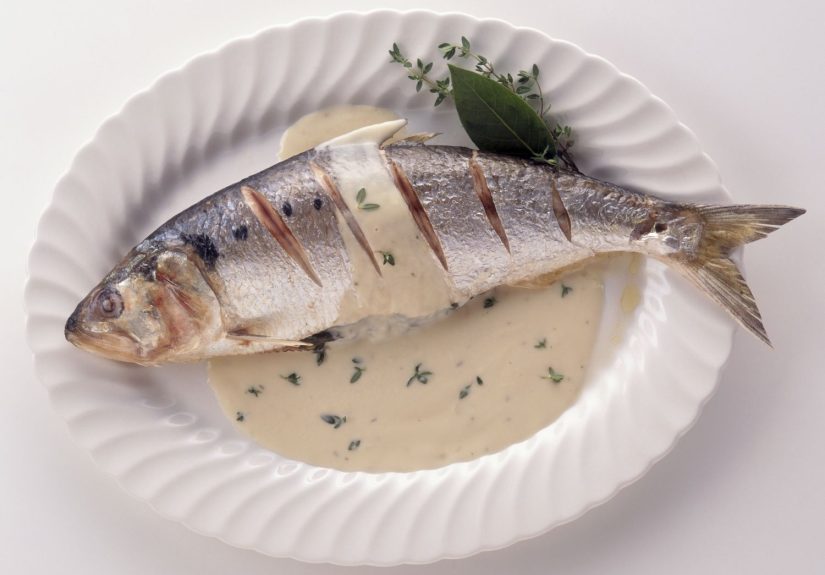
- Scoring: Making tight, shallow cuts across the flesh helps break up small bones so they soften during cooking.
- Slow baking or braising: Gentle heat can soften bones more than quick high-heat methods.
- Smoking: A classic approach in some regionsplus smoke makes almost everything taste like a good decision.
And yes, shad roe is a major reason many people harvest shad at all. It’s typically pan-fried or sautéed and served with simple sides.
If you harvest for the table, also pay attention to any local fish-consumption advisories for the river you’re fishing.
American Shad vs. Hickory Shad vs. River Herring
“Shad” gets used casually, but multiple similar species exist, and they don’t all have the same rules or run timing. American shad are generally larger than
river herring (alewife and blueback herring). Hickory shad are another lookalike that anglers commonly encounter during spring runs.
If you’re unsure what you caught, treat it like a mystery novel: check the mouth/jaw shape, body depth, size, spot patterns, and (most importantly)
your local species ID guidesthen match it to the regulations for that specific species and waterbody.
FAQ: Quick Answers About American Shad
When is shad season?
Usually spring, but timing shifts earlier in southern rivers and later in northern rivers. Water temperature and flow matter as much as the calendar.
Do American shad come back to the same river?
They often show strong “homing” behavior, returning to spawn in the river system where they hatchedone reason river restoration can pay off in a very visible way.
Are American shad endangered?
American shad are not universally endangered, but many individual river runs have been heavily reduced from historic levels. Conservation status and management
priorities vary by region, watershed, and population trend.
of Real-World Experiences: What American Shad Feels Like in Practice
Ask ten people about American shad and you’ll get ten versions of the same emotional arc: anticipation, chaos, joy, and then a weird amount of gratitude for a fish
that just tried to throw your hook into next week. Here are common experiences people reporton the river, in the kitchen, and in the stories that get told
(and re-told) until shad season comes back around.
The Riverbank “Family Reunion” Vibe
In many towns, the shad run feels like an informal reunion. Regulars appear as if summoned by a secret alarm clock. Someone’s already talking about water
temperature. Someone’s already claiming they “saw a roll” (which means a fish surfaced, which means hope is officially legal).
Even if the bite is slow, people lingerbecause the run is a seasonal event, not just a fishing trip.
The First Hookup Surprise
A common first-timer moment: you expect a polite tug…and instead your rod tip jolts like it touched an outlet. Shad fight with quick bursts and sudden direction
changes, and they’re notorious for popping hooks near the bank. That’s why you’ll often see long-handled nets and a lot of last-second drama.
It’s also why experienced shad anglers sound mildly philosophical: “Keep pressure. Don’t rush. Let it run.” (This is also decent advice for group projects.)
The “Gear Rabbit Hole” (It’s Real)
Another shared experience is the shad tackle rabbit hole. People start simplethen suddenly they’re debating dart weights, leader length, and whether chartreuse
is “obviously better” than pink. Shad-specific lures are small, but opinions about them are huge.
And because runs can be weather- and river-condition dependent, many anglers build a tiny “shad kit” that’s ready to go the moment the river looks right.
Cooking: Bones, Breakthroughs, and Roe Season Excitement
In the kitchen, first experiences often revolve around bones. Many cooks learn quickly that shad rewards preparation: scoring the flesh, cooking gently, and
choosing recipes that respect the fish. People who grow up with shad traditions tend to talk about it like a seasonal comfort foodsomething you wait for, not
something you buy every week. Roe season, in particular, can feel like a culinary countdown: menus get planned, pans get warmed, and someone inevitably announces,
“We’re doing it the classic way.”
Conservation as a “You Can Actually See It” Story
Finally, a lot of shad experiences connect to conservation in a surprisingly direct way. People notice when a fishway improves, when a dam comes down, or when
a river section reopens and fish show up where they haven’t been seen in years. It’s one of those rare wildlife stories where everyday observersanglers,
paddlers, riverside walkerscan witness changes over time. For many communities, that makes American shad more than a catch: it becomes a yearly sign that
the river is still alive, still connected, and still capable of surprise.
Conclusion
American shad is a fish with rangegeographic range, historical range, and emotional range (especially when it jumps and throws your hook at the last second).
It’s an anadromous traveler that ties oceans to rivers, traditions to modern conservation, and springtime to a very specific kind of riverbank optimism.
Whether you meet shad through history, ecology, fishing, or food, the takeaway is the same: when rivers are connected and healthy, shad runs can be one of the
most vivid seasonal wildlife events in the United States.