Table of Contents >> Show >> Hide
- What Exactly Makes Something a “Tincture”?
- Why People Use Tinctures: Common Benefits
- Alcohol vs. Glycerin vs. Vinegar: Choosing a Solvent (Without the Chemistry Headache)
- Herbal Recipes: Safer, Alcohol-Free “Tincture-Style” Extracts You Can Make
- How to Use a Tincture (Smartly)
- Common Tincture Uses (With Reality Checks)
- Precautions and Safety: The Part Everyone Skims (But Shouldn’t)
- How to Store Tinctures So They Don’t Turn Into a Cabinet Mystery
- of “Real-World Experience” (What People Commonly Learn the Hard Way)
- Conclusion
A tincture is the “espresso shot” of the herbal world: a concentrated liquid made by soaking plant material in a
solvent so the plant’s useful compounds move into the liquid. The result is an herbal extract you can measure by
drops, stash in a cabinet, and use without brewing a whole mug of tea every time you want support.
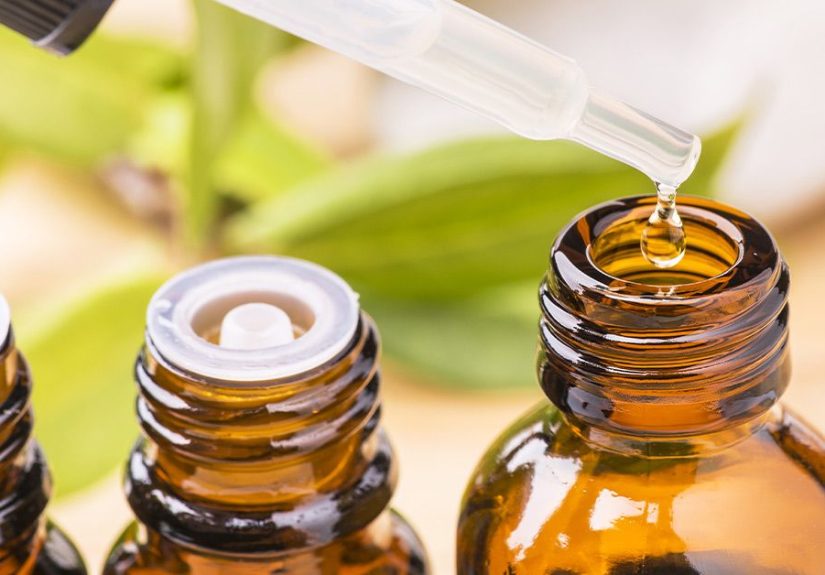
You’ll see tinctures sold as liquids with droppers (or sometimes sprays). Some are made with alcohol, others with
alcohol-free solvents like glycerin or vinegar. Either way, the goal is the same: extract plant constituents into a
stable, easy-to-use format.
Important note: Herbal products can interact with medications and aren’t automatically safe just
because they’re “natural.” If you’re pregnant, nursing, managing a health condition, taking prescription meds, or
planning surgery, talk to a qualified clinician before using tinctures. (Yes, even if the label is covered in leaves
and promises “ancient wisdom.”)
What Exactly Makes Something a “Tincture”?
In everyday herbal use, “tincture” typically means a liquid extract made by macerating (soaking)
herbs in a solvent for a period of time, then straining and bottling the liquid. In pharmacy contexts, tinctures are
recognized as solutions and often involve alcohol or a mix of alcohol and water.
Tincture vs. Tea vs. Infusion vs. Extract
-
Tea/Infusion: Herbs steeped in hot water. Great for gentle, water-soluble compounds and cozy
rituals. - Decoction: Harder plant parts (roots/barks) simmered longer. Stronger than a quick steep.
-
Tincture: A concentrated liquid extract made with a solvent (often alcohol, but sometimes
glycerin or vinegar). -
Extract: A broad term for anything “pulled out” of a plantliquid extracts, powders, resins, and
more. A tincture is one type of extract.
Labels can also show ratios (like plant-to-extract info). That’s supposed to help describe how concentrated an
extract isbut it can be confusing, and not every product uses the same conventions. When in doubt, choose brands
that clearly explain what’s in the bottle and how it’s made.
Why People Use Tinctures: Common Benefits
Tinctures are popular because they’re convenient and portable. But the practical benefits go deeper than “tiny
bottle, big vibes.”
1) Concentration and convenience
Because tinctures are concentrated, you typically use small amounts. That can be helpful for people who don’t love
the taste of herbal tea or don’t have time for daily brewing.
2) Faster, flexible use
Many people like tinctures because they’re quick: shake, measure, take. They can also be mixed into a little water
or tea (which can improve the experience if the herb is famously… assertive).
3) Shelf life (often longer than teas)
Liquid extracts can last longer than dried herbs or brewed teaespecially when stored properly in a cool, dark place
with a tightly closed cap. Shelf life varies by solvent and product quality, so always follow the manufacturer’s
date and storage guidance.
4) Custom blends
Tinctures make it easy to combine multiple herbs into a single routine (sometimes called a “compound” formula).
That’s convenientbut also a reason to be extra careful about interactions and duplicate ingredients.
Alcohol vs. Glycerin vs. Vinegar: Choosing a Solvent (Without the Chemistry Headache)
The solvent matters because different plant compounds dissolve better in different liquids. Think of it like
cleaning: water removes some messes; oil removes others; and your shirt sleeve removes… regret.
Alcohol-based tinctures (common, adult-only)
Alcohol is widely used because it can extract a broad range of constituents and can help preserve the final product.
However, alcohol-based tinctures may not be appropriate for everyone (including people avoiding alcohol, those with
certain medical conditions, and many children/teens).
For teens: If you’re underage, avoid DIY alcohol tinctures and ask a parent/guardian or healthcare
professional about safer alternatives.
Glycerites (sweet, alcohol-free option)
Glycerin-based extracts (often called glycerites) are popular for people who want to avoid alcohol.
They tend to taste sweeter and can be gentler, though glycerin may not extract certain resinous or oil-soluble
compounds as effectively as alcohol.
Vinegar extracts (another alcohol-free option)
Vinegar can extract some compounds well and is a common folk-preparation choice. It’s tangier than glycerin and can
be a nice fit for culinary-style herbsthough it’s still not a “one-size-fits-all” solvent.
Herbal Recipes: Safer, Alcohol-Free “Tincture-Style” Extracts You Can Make
Because alcohol-based tincture-making involves high-proof alcohol and adult-only handling, the recipes below focus
on alcohol-free options (glycerin and vinegar). If you want an alcohol-based tincture, the safest
routeespecially for households with minorsis to purchase from a reputable brand that follows good manufacturing
practices and provides clear labeling.
Recipe 1: Simple glycerite (glycerin-based herbal extract)
- Choose your herb: Use culinary-safe, commonly used herbs (for example: lemon balm, chamomile, or ginger).
- Prep the plant: Use dried herb (less risk of spoilage than fresh). Lightly crumble to increase surface area.
- Combine: Add herb to a clean glass jar, then cover fully with vegetable glycerin (some people use a small amount of water to thin glycerin, but keep it modest to reduce spoilage risk).
- Steep: Cap tightly and store in a cool, dark place. Shake gently once a day.
- Strain: After the steeping period, strain through a fine mesh or clean cloth into a labeled bottle.
- Label & store: Write the herb name and date. Store away from heat and sunlight.
Food-safety tip: If you see mold, smell “off” odors, or notice bubbling you didn’t plan for, don’t
use it. When in doubt, toss it out. Herbal projects should not turn into science-fair horror stories.
Recipe 2: Vinegar-based herbal extract (“acetum” style)
- Pick an herb: Culinary herbs like rosemary, thyme, or ginger work well in vinegar preparations.
- Jar it: Place the herb in a clean jar and cover completely with food-grade vinegar.
- Steep: Cap and keep in a cool, dark place, shaking occasionally.
- Strain & label: Strain into a clean bottle, label with herb and date, and store properly.
Vinegar extracts are often used in culinary ways (like adding to dressings) or as part of traditional herbal routines.
If you’re using an extract for health reasons, don’t guess dosagefollow reputable guidance and talk to a clinician.
How to Use a Tincture (Smartly)
Read the label like it mattersbecause it does
Tincture labels may include:
- Herb name (common and botanical)
- Plant part used (leaf, root, flower, etc.)
- Solvent type (alcohol, glycerin, vinegar) and sometimes % alcohol
- Serving size guidance and cautions
- Batch/lot number and expiration date
Start low and go slow
Herbs can be potent, and liquid extracts make it easy to take “just a little more” without noticing. If you’re new,
start with the smallest suggested amount on the label and monitor how you feel.
Mixing options (taste management strategies)
- Add to a small amount of water or tea (especially for strong-tasting herbs).
- Take with food if the herb is known to be harsh on your stomach.
- Avoid mixing with alcohol if the product already contains alcohol or if you’re taking sedating herbs.
Common Tincture Uses (With Reality Checks)
People use herbal tinctures for a wide range of goalsstress support, digestion, sleep routines, seasonal wellness,
and more. The big reality check is that evidence varies a lot by herb, and “tincture” describes the
format, not a guaranteed effect.
Popular categories of use
- Calm and stress support: Often includes herbs like lemon balm or chamomile (effects vary by person).
- Sleep routines: Some people explore herbs like valerian, but sedating herbs can interact with medications and alcoholuse caution.
- Digestive comfort: Bitter herbs and ginger-style preparations are common in traditional use.
- Seasonal wellness: Herbs like echinacea are popular, though evidence and results are mixed.
If you’re using tinctures to address symptoms that are persistent, severe, or worsening, that’s your cue to talk to
a healthcare professional. Herbs can support well-being, but they should not replace proper diagnosis and treatment.
Precautions and Safety: The Part Everyone Skims (But Shouldn’t)
Here’s the truth: the biggest “benefit” of tinctures is convenience, and the biggest risk is also convenience.
When something is easy to take, it’s easy to overdoor to combine it with something it shouldn’t be combined with.
1) Medication interactions are real
Some herbs can affect how the body processes medications or influence bleeding risk, blood pressure, sedation, or
other pathways. This is especially important for people taking anticoagulants (blood thinners), heart medications,
antidepressants, diabetes meds, seizure meds, or sedatives.
2) Surgery and procedures
Many clinicians recommend stopping certain herbal supplements before surgery because of bleeding risk or interactions
with anesthesia. Don’t surprise your surgical team with a “secret tincture.”
3) Pregnancy, breastfeeding, and kids/teens
Many supplements haven’t been well tested in pregnancy, breastfeeding, or in children. Use extra caution, and
involve a qualified professional. Also, avoid alcohol-based tinctures for minors.
4) Allergies and sensitivities
Herbs can trigger allergic reactionsespecially if you’re sensitive to plants in the same family (for example,
ragweed-related sensitivities can matter for some botanicals). Stop use if you develop rash, swelling, or breathing
issues and seek medical care if symptoms are severe.
5) Quality varieschoose brands carefully
In the U.S., dietary supplements aren’t approved like medications before hitting the market, so quality can vary.
Look for transparent labeling, reputable manufacturing practices, and third-party testing marks when possible.
6) Avoid risky DIY ingredients
Don’t experiment with potentially toxic plants, concentrated essential oils, or “viral” recipes from random corners
of the internet. “Natural” is not a synonym for “safe.”
How to Store Tinctures So They Don’t Turn Into a Cabinet Mystery
- Use dark glass: Amber or cobalt bottles help protect from light.
- Keep it cool and dry: Heat and sunlight speed degradation.
- Label everything: Herb name, solvent type, date, and any notable cautions.
- Keep out of reach of kids: Especially dropper bottles, which look like “potion.”
of “Real-World Experience” (What People Commonly Learn the Hard Way)
If you ask herbalists what beginners struggle with, you’ll hear a lot of the same storiesbecause humans are
delightfully predictable. First: taste shock. Many people expect tinctures to taste like herbal tea.
Then they take their first dropper and realize it tastes like the plant decided to shout instead of speak. This is
especially true with bitter herbs. The workaround most people land on is simple: mix it into a little water, sip it
like a tiny shot of “herbal truth,” and chase it with something normallike being a person with hobbies.
Second: label regret. Someone makes a gorgeous extract, pours it into a nice bottle, and thinks,
“I’ll remember what this is.” Two months later they’ve got three brown bottles labeled “calm??” and one labeled
“maybe digestion??” This is how cabinet folklore is born. People who stick with tinctures long-term usually become
obsessive labelers. Not because they’re Type A (okay, sometimes), but because it’s genuinely saferespecially if
multiple people in the house use herbal products.
Third: the ‘more must be better’ trap. Because tinctures are small and easy, beginners sometimes
escalate too quickly, especially with herbs that can be sedating or stimulating. Common experience: someone tries a
“relaxing” extract and feels unexpectedly drowsy, then realizes they also had a glass of wine, took an allergy
med, or used another supplement with similar effects. The lesson most people learn is to change only one variable
at a time: try a new tincture on a low-key day, use the smallest suggested amount, and wait to see how you respond
before piling on additional products.
Fourth: DIY reality vs. DIY fantasy. Beginners imagine a rustic apothecary momentsunlight, jars,
handwritten labels. The real experience often includes: sticky hands, strained cheesecloth, and the dawning
realization that plants don’t care about your aesthetic. People who love DIY keep going anyway, but they simplify:
fewer herbs at once, smaller batches, and “kitchen-safe” choices that are less likely to spoil. Many also discover
that buying certain tinctures from reputable brands is more practical than making everything themselvesespecially
when quality control matters.
Fifth: the confidence curve. At first, tinctures feel mysteriouslike potion-making. Then, with a
little education, they become normal: a measured liquid supplement that should be treated with the same respect as
any other health product. Most people who have positive experiences settle into a balanced mindset: tinctures are a
helpful tool, not magic; quality and safety matter; and your healthcare team should know what you’re taking. That’s
not boringit’s how you keep the “herbal” part fun without letting the “precautions” part turn into a plot twist.
Conclusion
A tincture is a concentrated herbal extract in liquid formpopular because it’s convenient, portable, and easy to
measure. The solvent (alcohol, glycerin, or vinegar) affects what gets extracted and who can use it safely. If you
choose tinctures, prioritize quality, read labels carefully, and treat herbs with the same common sense you’d apply
to any supplement: watch for interactions, be cautious with special populations, and talk to a qualified clinician
when you’re unsure. Your body isn’t a group projectdon’t let the internet assign it random homework.