Table of Contents >> Show >> Hide
Plunge pools have gained popularity in recent years as an alternative to traditional swimming pools, offering a compact yet luxurious way to enjoy water features in your backyard. With their sleek design and functionality, plunge pools are the perfect solution for those who want to cool off, relax, or even swim a few laps without committing to a large pool. In this article, we’ll dive deep into everything you need to know about plunge poolswhat they are, their ideal size, the cost, and more.
What Exactly Is a Plunge Pool?
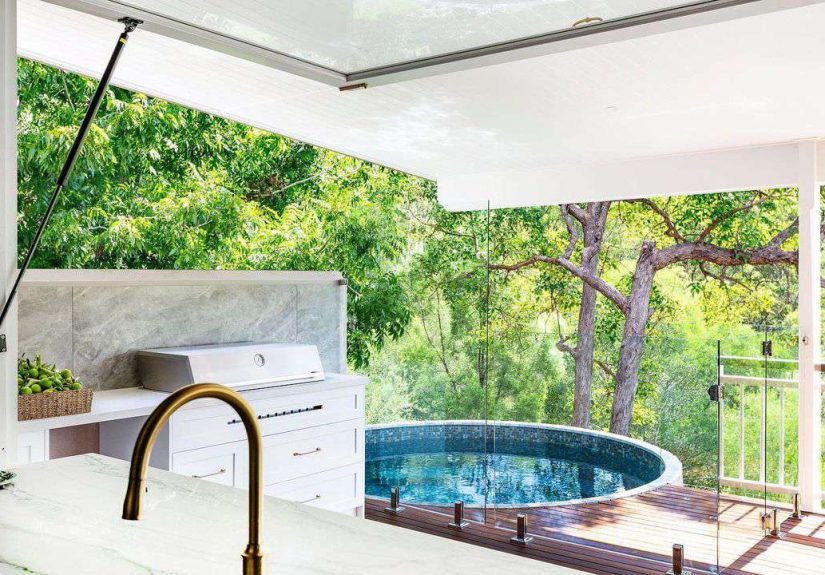
A plunge pool is a small, deep pool designed primarily for cooling off and relaxation, often characterized by its compact size. Unlike traditional swimming pools, which are built for swimming and exercise, plunge pools are more for unwinding, soaking, and offering a luxurious touch to a home or outdoor space. The water temperature in a plunge pool is often cooler than that of a hot tub, and it provides an ideal environment for a quick dip or relaxation.
These pools are generally about half the size of a standard swimming pool and are often used as a backyard spa or to complement a larger pool. In many cases, plunge pools are made with stylish materials like tile, stone, or even concrete, making them an aesthetic addition to any outdoor area.
Ideal Size for a Plunge Pool
When it comes to plunge pools, size matters, but it’s all about how much space you have and how you want to use the pool. Typically, plunge pools are much smaller than a traditional swimming pool, but they can still vary in size based on your preferences.
- Small Plunge Pools: These are the most common type, often measuring around 7-8 feet in length and 4-5 feet in width. They’re compact enough for small backyards and are designed for two or three people to comfortably soak in.
- Medium Plunge Pools: These pools range from 8-12 feet in length and 5-6 feet in width, offering more space for relaxation and small gatherings. They’re a good fit for larger yards but still keep the intimate feel of a plunge pool.
- Large Plunge Pools: While not as common, larger plunge pools can measure 12 feet or more in length and 7 feet or more in width. These pools are perfect for those who want a little extra space for lounging, entertaining, or even a few gentle laps.
Overall, plunge pools tend to be on the deeper side rather than expansive, with depths ranging from 4 to 6 feet. The depth makes it ideal for soaking or lounging, but it’s not meant for swimming laps. If you’re considering a plunge pool, make sure to choose a size that fits your space and lifestyle.
Plunge Pool Costs
When it comes to building a plunge pool, costs can vary widely depending on several factors, including size, materials, and installation complexity. The initial cost of a plunge pool can be more affordable than a traditional pool due to its smaller size and simpler design. However, factors like customization, landscaping, and accessories can increase the price.
Here’s a breakdown of potential costs for a plunge pool:
- Basic Plunge Pool: On average, a basic plunge pool without any frills can cost between $10,000 and $20,000. This cost typically includes the pool shell, installation, and basic landscaping.
- Mid-range Plunge Pool: If you’re looking for a pool with additional features like heating, a custom design, or premium materials like tile or stone, the cost can rise to between $20,000 and $40,000.
- High-end Plunge Pool: For those who want a truly luxurious plunge pool with advanced features such as waterfalls, LED lighting, advanced filtration systems, or custom landscaping, the cost can go above $50,000 or more.
Additional costs to consider include ongoing maintenance, which can cost anywhere from $300 to $1,000 per year depending on the pool size and features. You should also factor in costs for pool covers, heating systems, or a pool enclosure if you want to extend the usability of your plunge pool into colder months.
Benefits of a Plunge Pool
While plunge pools are compact, they offer several benefits that make them a great investment for your home. Here are a few reasons why you might want to consider one:
- Space-saving: Plunge pools are perfect for smaller yards or urban settings where space is limited. Their small size allows you to have the luxury of a pool without taking up your entire yard.
- Relaxation and Therapy: The primary purpose of a plunge pool is relaxation. The cool water offers an ideal environment for stress relief and can even serve as a form of hydrotherapy for aching muscles.
- Low Maintenance: Because of their size, plunge pools require less maintenance than traditional pools. You’ll spend less time cleaning and more time relaxing.
- Cost-effective: As mentioned, plunge pools are typically less expensive to install than traditional pools, which makes them a great option for those on a budget who still want the experience of a pool in their backyard.
- Aesthetic Appeal: With their sleek design, plunge pools can enhance the visual appeal of your outdoor space. They add a touch of luxury and elegance to any home.
Considerations Before Installing a Plunge Pool
Before you make the decision to install a plunge pool, there are several things you need to consider:
- Space: While plunge pools are smaller than traditional pools, they still require adequate space. Make sure you have enough room for installation, access, and safety features.
- Location: The location of your plunge pool is crucial. Consider factors like privacy, exposure to sunlight, and access to utilities like electricity and water.
- Climate: If you live in an area with colder winters, you may want to consider installing a heating system to ensure the plunge pool can be used year-round.
- Safety: As with any pool, safety should be a top priority. Install proper fencing, covers, and pool alarms to keep children and pets safe.
Experiences With Plunge Pools: What Users Are Saying
Many homeowners who have installed plunge pools rave about their compact yet refreshing nature. They offer a quick, private getaway right in the comfort of your backyard. Some users love the ability to host small gatherings with a bit of fun water entertainment without the commitment of maintaining a large pool. Others appreciate the therapeutic benefits, especially after a long day or a tough workout.
Here’s a summary of what some users have to say:
- “We love our plunge pool! It’s the perfect size for our small backyard. It’s not just for swimming, but also for unwinding after work. The kids love it too.” Sarah, homeowner in Florida
- “The plunge pool was a game-changer for us. We use it for hydrotherapy and cooling off on hot days. It fits perfectly into our garden and adds a lot of value to the property.” Michael, homeowner in California
- “We didn’t have the space for a full pool, but the plunge pool has been an excellent substitute. It’s small, deep, and the kids love jumping in!” Jessica, homeowner in Texas
In conclusion, a plunge pool can be a wonderful addition to your home if you’re looking for a compact, cost-effective, and aesthetically pleasing water feature. With the right size, cost considerations, and planning, you can transform your backyard into a relaxing oasis with a plunge pool that meets all your needs.
Conclusion
If you’re considering a plunge pool for your home, it’s important to weigh the factors like space, cost, and benefits. Whether you want to install it for relaxation, therapeutic purposes, or aesthetic appeal, a plunge pool can add value and luxury to your outdoor space. With the right planning and installation, you’ll soon be enjoying a private oasis in the comfort of your own home.