Table of Contents >> Show >> Hide
- First: What Are Hemorrhoids (and Why Do We Even Have Them)?
- The Core Mechanism: Pressure + Weak Support = Trouble
- What Causes Hemorrhoids? The Most Common Triggers
- 1) Straining During Bowel Movements
- 2) Constipation (Especially with Hard, Dry Stool)
- 3) Chronic Diarrhea (Yes, the Opposite Problem Can Also Do It)
- 4) Sitting on the Toilet Too Long
- 5) Low-Fiber Diet (and Not Enough Fluids)
- 6) Pregnancy and Childbirth
- 7) Overweight/Obesity
- 8) Heavy Lifting (and Holding Your Breath Like a Powerlifter)
- 9) Aging and Tissue Weakening
- 10) Genetics and Family History
- 11) Certain Medical Conditions (Less Common, But Worth Knowing)
- Myths vs. Facts About Hemorrhoid Causes
- Why Hemorrhoids Flare Up: The “Trigger Stack” Effect
- How to Lower Your Risk (Without Turning Life Into a Wellness Spreadsheet)
- When to See a Doctor
- Experiences Related to Hemorrhoids: What People Often Notice (And What Actually Helps)
- Conclusion
Let’s talk about one of humanity’s oldest, least-glamorous problems: hemorrhoids (aka “piles,” aka “why is sitting suddenly a full-time job?”). If you’ve ever wondered what causes hemorrhoids, you’re not aloneand you’re not weird. Hemorrhoids are extremely common, and the reasons they flare up are usually more “everyday life” than “medical mystery.”
In this guide, we’ll break down what hemorrhoids actually are, the main causes and risk factors, and why some habits (yes, including long bathroom scrolling sessions) can make your body stage a tiny protest right where you least want one.
First: What Are Hemorrhoids (and Why Do We Even Have Them)?
Hemorrhoids are swollen or enlarged blood vessels and surrounding tissue in the lower rectum and anus. Here’s the plot twist: everyone has hemorrhoidal “cushions”they’re part of normal anatomy and help with continence (a polite word for “keeping things where they belong”). Problems happen when these cushions become enlarged, irritated, prolapse outward, or develop clots.
Internal vs. External Hemorrhoids
- Internal hemorrhoids are inside the rectum. They often cause painless bleeding or a feeling of fullness/pressure.
- External hemorrhoids are under the skin around the anus. They can itch, burn, or hurtespecially if a clot forms.
- Thrombosed hemorrhoids are hemorrhoids with a blood clot, usually causing sudden, significant pain and a firm lump.
The Core Mechanism: Pressure + Weak Support = Trouble
Most hemorrhoids develop because of increased pressure in the lower rectum/anus and/or weakening of supporting tissues. Think of it like a stretchy waistband: repeated stress plus wear-and-tear eventually means things don’t bounce back like they used to.
Pressure can build from straining, constipation, diarrhea, pregnancy, obesity, heavy lifting, or even prolonged sitting on the toilet. Over time, the tissues that hold the hemorrhoidal cushions in place may weaken (often with age), making swelling and prolapse more likely.
What Causes Hemorrhoids? The Most Common Triggers
1) Straining During Bowel Movements
Straining is the classic culprit. When you push hard to pass stool, pressure spikes in the veins and tissues around the anus. Repeated pressure can lead to swelling, irritation, and sometimes bleeding. Straining is often tied to constipation, but it can also happen if you’re rushing, stressed, or ignoring the body’s natural timing.
Real-world example: You skip water all day, eat mostly low-fiber foods, and then try to “force” a bowel movement the next morning because you’re late. Your hemorrhoids do not share your commitment to punctuality.
2) Constipation (Especially with Hard, Dry Stool)
Constipation increases the odds you’ll strain, and hard stool can mechanically irritate the anal canal. It’s a one-two punch: more pressure, more friction. Chronic constipation is one of the most consistently listed risk factors across medical sources.
3) Chronic Diarrhea (Yes, the Opposite Problem Can Also Do It)
Frequent loose stools can inflame and irritate the anal area, and repeated trips to the bathroom can increase irritation and swelling. In other words: hemorrhoids don’t care whether your problem is “too slow” or “too fast”they just dislike chaos.
4) Sitting on the Toilet Too Long
Prolonged toilet sitting increases pressure in the anal regionespecially because the position and seat can reduce support to pelvic tissues. Lingering also increases the chance you’ll strain “just to finish,” even when your body isn’t ready.
A modern add-on: bathroom phone time. If your “quick bathroom break” regularly turns into a 12-minute doomscrolling session, you’re spending extra time with pressure where you don’t want it. (Your group chat will survive without you. Your butt would appreciate it.)
5) Low-Fiber Diet (and Not Enough Fluids)
Fiber helps stools stay soft and easier to pass, which reduces straining. Diets low in fruits, vegetables, legumes, and whole grains are associated with constipation and hemorrhoid risk. Fluids matter too: fiber without water can be like hiring movers but not giving them a truck.
6) Pregnancy and Childbirth
Pregnancy raises pressure in the pelvic area due to the growing uterus, hormonal changes that can affect bowel habits, and increased constipation risk. Childbirth can also strain the area, and hemorrhoids commonly show up during late pregnancy or postpartum.
7) Overweight/Obesity
Higher abdominal pressure can increase strain on pelvic and rectal veins. Obesity is consistently listed as a risk factor, especially when combined with constipation or sedentary time.
8) Heavy Lifting (and Holding Your Breath Like a Powerlifter)
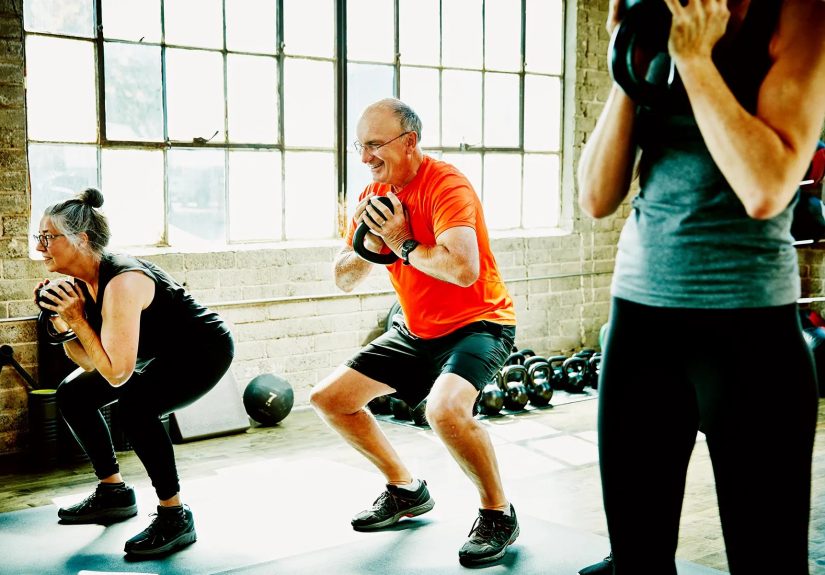
Frequent heavy lifting can increase intra-abdominal pressure, especially if you hold your breath and bear down (the classic “Valsalva maneuver”). That pressure can be transmitted downward to pelvic veins, including the hemorrhoidal tissue.
Practical example: If you treat every grocery bag like it’s an Olympic clean-and-jerk, and you brace hard while lifting, you might be inviting hemorrhoids to your next workout.
9) Aging and Tissue Weakening
As we age, supporting tissues in the rectum and anus can weaken, making hemorrhoids more likely to enlarge or prolapse. Many people experience their first noticeable flare-ups in midlife or laternot because they “did something wrong,” but because connective tissues change over time.
10) Genetics and Family History
Some people seem more prone to hemorrhoids, possibly due to differences in vein structure, connective tissue strength, or bowel patterns that run in families. You can’t out-hydrate your DNA, but you can outsmart your habits.
11) Certain Medical Conditions (Less Common, But Worth Knowing)
Some conditions can increase pressure in abdominal or pelvic veins or affect bowel habits. For example, liver disease with portal hypertension can cause rectal varices (which are distinct from hemorrhoids but can be confused with them). Also, anything that causes chronic constipation or chronic diarrhea can indirectly raise hemorrhoid risk.
Myths vs. Facts About Hemorrhoid Causes
Myth: “Hemorrhoids only happen if you’re dirty.”
Fact: Hemorrhoids are about pressure, bowel habits, and tissue supportnot hygiene. Over-scrubbing can actually irritate the area.
Myth: “Only older people get hemorrhoids.”
Fact: Aging increases risk, but hemorrhoids can happen at any ageespecially with constipation, pregnancy, obesity, or long toilet time.
Myth: “Spicy food causes hemorrhoids.”
Fact: Spicy foods don’t directly cause hemorrhoids, but they can irritate symptoms in some people (burning on the way out is still a form of communication).
Myth: “If I see blood, it’s definitely hemorrhoids.”
Fact: Hemorrhoids are a common cause of rectal bleeding, but not the only one. Bleeding can also come from fissures, inflammation, polyps, or more serious conditions. If you have rectal bleedingespecially if it’s persistent, heavy, or paired with weight loss, anemia, or changes in bowel habitsget checked.
Why Hemorrhoids Flare Up: The “Trigger Stack” Effect
Hemorrhoids often worsen because multiple factors pile on at once. One trigger may not be enough to cause symptoms, but three or four together can be.
- Low fiber + dehydration → harder stool
- Harder stool → more straining
- More straining + long toilet time → more pressure
- More pressure → swelling, irritation, bleeding
The upside: this means small changes can help a lot, because you don’t need to fix everythingjust reduce the pressure points (literally).
How to Lower Your Risk (Without Turning Life Into a Wellness Spreadsheet)
Since hemorrhoids are linked to pressure and bowel habits, prevention focuses on making bowel movements easier and reducing prolonged pressure on the area.
Bathroom habits that help
- Don’t delay the urge (waiting can make stool drier and harder to pass).
- Don’t force itif nothing happens in a few minutes, take a break and try later.
- Keep toilet time short (your phone can wait outside the bathroom).
Diet and hydration
- Increase fiber gradually (beans, oats, berries, leafy greens, whole grains).
- Drink enough fluids so fiber can do its job.
Movement and pressure management
- Move your body daily (walking counts, and your colon is a fan).
- Lift smart: breathe properly, avoid breath-holding strain, and use good form.
- Address constipation/diarrhea early instead of “powering through.”
When to See a Doctor
Hemorrhoids are common, but you should seek medical care if you have:
- Rectal bleeding that is persistent, heavy, or unexplained
- Severe pain, a hard lump, or sudden swelling (possible thrombosis)
- Symptoms that don’t improve with basic self-care
- Black/tarry stool, dizziness, fainting, or signs of anemia
- New bowel habit changes (especially if you’re over 40 or have risk factors)
A clinician can confirm whether it’s hemorrhoids and rule out other causes of bleeding. This matters because “it’s probably hemorrhoids” is not a diagnosisit’s a guess, and your body deserves better than guesses.
Experiences Related to Hemorrhoids: What People Often Notice (And What Actually Helps)
The most frustrating thing about hemorrhoids is that they’re often caused by completely normal life eventswork deadlines, travel, pregnancy, gym goals, or the simple fact that humans are not designed to sit 9 hours a day and then try to produce a perfect bowel movement on command. Below are common experiences people report (shared as typical scenariosnot as personal medical stories), along with the practical patterns behind them.
The “Busy Professional + Bathroom Scroll” Experience
A lot of people describe hemorrhoids showing up during a stretch of long workdays: more sitting, less movement, quick low-fiber meals, and not enough water. Then they finally get to the bathroom andbecause it’s the only quiet place left on Earthstay there scrolling on the phone. The result is often a combo of constipation and prolonged toilet time, which is basically the hemorrhoid equivalent of sending a formal invitation.
What tends to help in this scenario isn’t a complicated cleanseit’s boring, effective basics: drinking more water, adding fiber slowly, taking short movement breaks, and keeping bathroom visits short and purposeful (think “pit stop,” not “season finale”).
The “Travel Constipation” Experience
People frequently notice flare-ups while travelingespecially on road trips or long flights. Travel changes routines, limits bathroom access, and can lead to dehydration. Some people avoid public restrooms, which delays bowel movements, making stool drier and harder. Then, when they finally go, there’s straining, and hemorrhoids may complain immediatelyor a day later when everything feels sore and irritated.
What helps: planning ahead. Hydration, fiber you can actually tolerate (not a sudden mountain of bran), walking when possible, and responding to the urge when it appears. Many people also swear by a simple mindset shift: the restroom is not a place to “try harder.” It’s a place to let biology do its job.
The “Postpartum Surprise” Experience
Pregnancy and childbirth are a very common setup for hemorrhoids. People often describe feeling fine, delivering the baby, and thensurpriseexperiencing swelling, itching, or pain afterward. Postpartum constipation (sometimes worsened by dehydration, pain meds, or fear of straining) can add fuel to the fire.
The most useful pattern here is gentle pressure reduction: keeping stools soft, avoiding straining, and using comfort measures recommended by a clinician. Many people find that small, consistent steps beat dramatic changesespecially when sleep is scarce and you’re already running a tiny human support desk.
The “Gym Era” Experience
Some people notice hemorrhoids during a phase of heavier lifting. The common thread is breath-holding and bracing hard during lifts, plus sometimes a high-protein/low-fiber diet that slows digestion. It’s not that exercise is “bad”movement is generally helpfulbut how you lift matters. People often describe that when they improve breathing technique (exhaling during effort) and balance protein with fiber and fluids, flare-ups become less frequent.
The “I Thought It Was Something Else” Experience
Another common experience is confusion. Hemorrhoid symptomsitching, soreness, bleedingoverlap with fissures and other conditions. People often report feeling embarrassed and waiting too long, hoping it resolves on its own. The turning point is usually realizing that medical professionals discuss this topic all day long and would rather evaluate a simple hemorrhoid than miss something more serious.
The best “lesson learned” people share: if there’s bleeding, severe pain, or symptoms that persist, it’s worth getting checked. Peace of mind is an underrated form of treatment.
Hemorrhoids may be common, but suffering in silence shouldn’t be. Understanding what causes hemorrhoidspressure, bowel habits, tissue changescan take the shame out of it and put the focus where it belongs: practical prevention and smart care.
Conclusion
Hemorrhoids (piles) are usually caused by a mix of increased pressure in the lower rectum/anus and weakened support tissues over time. The biggest drivers are straining, constipation or diarrhea, long toilet sitting, low-fiber eating patterns, pregnancy, obesity, heavy lifting, and aging. The good news is that small changesshorter toilet time, more fiber and fluids, and less strainingoften reduce flare-ups dramatically.
And if you’re dealing with rectal bleeding or intense pain: don’t guess. Get it evaluated. Your future self (and your sitting bones) will thank you.