Table of Contents >> Show >> Hide
- What Is the JLTV?
- Why the Humvee Needed a Successor
- First Impressions: Big, Heavy, and Surprisingly Composed
- The Suspension Is the Secret Sauce
- Protection Without Becoming a Giant MRAP
- How the JLTV Compares With the Humvee
- A Vehicle Built Around Trade-Offs
- Why the Marine Corps Still Likes the JLTV
- What Riding in a JLTV Teaches You About Modern Military Design
- The Human Side: Less Punishment, More Confidence
- Experience Section: What It Feels Like to Ride in the JLTV
- Conclusion: The JLTV Is More Than the Humvee 2.0
Note: This article is based on publicly available information from reputable U.S. defense, automotive, government, and military-analysis sources. It is written for editorial and educational web publication and does not include operational instructions.
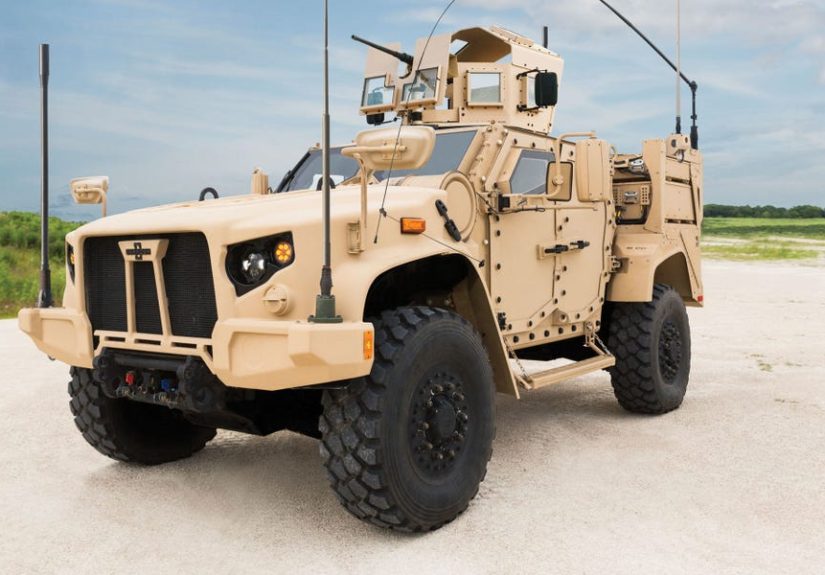
Climbing into a Joint Light Tactical Vehicle, better known as the JLTV, is not like stepping into a normal truck. It is more like entering a bank vault that decided to join a desert rally. The doors are heavy, the cabin sits high, the stance is wide, and the whole machine gives off the quiet confidence of something designed to keep moving when the road gives up and goes home.
The JLTV is widely described as the Humvee’s successor, but that simple phrase does not tell the whole story. The Humvee became one of the most recognizable military vehicles in modern American history. It hauled troops, gear, radios, supplies, and a thousand different mission loads across every kind of terrain. It also became a cultural icon, thanks partly to its civilian cousin, the Hummer. But the battlefield changed, and the Humvee was asked to do jobs it was never originally designed to do.
The JLTV was created to answer that problem. It had to deliver the mobility of a light tactical vehicle, the protection lessons learned from Mine-Resistant Ambush Protected vehicles, and the flexibility needed by modern Army and Marine Corps units. In plain English, it needed to be tougher than a Humvee, more agile than a giant armored truck, and smart enough to carry modern systems without feeling like a 1980s vehicle wearing a laptop as a hat.
What Is the JLTV?
JLTV stands for Joint Light Tactical Vehicle. The word “joint” matters because the program was designed around the needs of multiple U.S. military services, especially the Army and Marine Corps. It was not created as a flashy showroom toy. It was built as a family of tactical vehicles that could replace part of the aging High Mobility Multipurpose Wheeled Vehicle fleet, better known as the HMMWV or Humvee.
The original production vehicle selected for the JLTV program was Oshkosh Defense’s Light Combat Tactical All-Terrain Vehicle platform. Oshkosh won the major production award in 2015 after competing against other defense manufacturers. The vehicle entered full-rate production in 2019, marking a major step in the long effort to modernize light tactical mobility.
In 2023, the Army awarded a follow-on JLTV production contract to AM General, the company historically associated with the Humvee. That decision showed something important: the JLTV had moved from experimental newcomer to established military platform. The vehicle was no longer simply “the next Humvee.” It had become its own category of protected light mobility.
Why the Humvee Needed a Successor
To understand the JLTV, you have to understand the Humvee’s original mission. When the Humvee entered service in the 1980s, it was designed primarily for mobility, utility, and transport. It could carry people and equipment across rough terrain. It was adaptable, simple, and widely useful. For its time, it was a very successful answer to military transportation needs.
But later conflicts exposed a hard truth: the Humvee was not originally built for the kind of threats that became common in Iraq and Afghanistan. Improvised explosive devices, roadside attacks, and close-range ambushes forced the military to add armor to vehicles that had not been designed around that level of protection. Up-armored Humvees were better than unarmored ones, but the extra weight affected performance, handling, payload, and wear.
That created a painful engineering trade-off. Add protection, and the Humvee became heavier and less nimble. Keep it light, and it could not offer the survivability troops needed. The JLTV program grew out of that tension. Its mission was not simply to make a “bigger Humvee.” It was to build a vehicle from the start with protection, mobility, payload, and electronics in mind.
First Impressions: Big, Heavy, and Surprisingly Composed
The first thing you notice about the JLTV is its mass. This is not a pickup truck with a tough grille and a patriotic paint job. Depending on configuration, it is a large armored tactical vehicle with the presence of a rolling bunker. Yet the surprise is how controlled it feels in reported ride-along and driving impressions. The JLTV was designed to be heavy without feeling helpless.
The seating position is high, the view forward is commanding, and the cabin feels purposeful rather than luxurious. Nobody is confusing this interior with a leather-trimmed SUV. There is no mood lighting, no panoramic sunroof, and no tiny perfume dispenser telling you the dashboard is having a spa day. Everything inside has a job. Switches, screens, restraints, handles, and storage areas are arranged for people wearing gear and working under pressure.
Still, the JLTV’s ride quality is one of its most discussed features. Oshkosh’s TAK-4i intelligent independent suspension gives the vehicle far more wheel travel than a normal road vehicle. That helps the JLTV move over rough terrain with less body punishment than older tactical trucks. In practical terms, it can feel less like being thrown around inside a steel lunchbox and more like riding in a very serious off-road machine that has done its homework.
The Suspension Is the Secret Sauce
If the JLTV has a party trick, it is the suspension. The TAK-4i system was developed to give the vehicle high levels of off-road mobility while supporting the weight of armor and equipment. Publicly available manufacturer information describes the system as offering around 20 inches of wheel travel. That is a huge number compared with conventional civilian vehicles.
Why does that matter? Because off-road performance is not only about horsepower. It is about keeping tires in contact with the ground, absorbing impacts, maintaining stability, and reducing fatigue for the people inside. A vehicle that pounds its passengers into mashed potatoes is not just uncomfortable; it can reduce effectiveness and increase wear on equipment.
The JLTV’s suspension allows the vehicle to move quickly over broken ground while staying more composed than older tactical platforms. That does not mean it rides like a luxury sedan. It means it is better at managing violence from the terrain. Think less “floating cloud” and more “armored mountain goat with a master’s degree in shock absorption.”
Protection Without Becoming a Giant MRAP
The JLTV was shaped by the same battlefield lessons that produced the MRAP boom. MRAP vehicles offered much greater protection against mines and roadside blasts, but many were large, heavy, and less suited for missions requiring agility or transportability. The JLTV aimed for a middle ground: more protection than the Humvee, but in a package still considered light tactical mobility.
Oshkosh’s early JLTV design emphasized an integrated crew protection system rather than armor added as an afterthought. That distinction matters. When protection is baked into the architecture of a vehicle, engineers can think about the hull, seats, restraints, materials, cabin structure, and weight distribution as one system. The result is more balanced than simply bolting heavy plates onto an older design and hoping physics is in a generous mood.
The JLTV also uses a scalable protection approach. In broad terms, that means protection can be adjusted around mission requirements and vehicle configuration. This gives military planners more flexibility than a one-size-fits-all design. For readers outside the defense world, imagine buying a winter coat where the insulation, shell, and pockets can change depending on whether you are walking the dog or climbing a mountain. Now make the coat weigh several tons and give it diesel power.
How the JLTV Compares With the Humvee
Mobility
The Humvee earned its reputation by being rugged, versatile, and capable across difficult terrain. But the JLTV was designed decades later, with modern suspension technology and updated requirements. Its off-road performance benefits from a more advanced chassis and suspension setup, allowing it to carry protection and equipment while remaining highly mobile.
Protection
The biggest difference is survivability. The Humvee was not originally designed around the threat environment that later became common in counterinsurgency conflicts. The JLTV was. Its structure, seating, armor approach, and underbody design reflect lessons learned from years of combat vehicle experience.
Technology
The Humvee came from an earlier era of military design. The JLTV was created with modern communications, electronics, power needs, and mission systems in mind. That does not make it a rolling smartphone, but it does make it better suited for today’s networked military environment.
Comfort
Comfort is relative. A JLTV is not trying to pamper anyone. However, compared with older tactical vehicles, its suspension and cabin design can reduce fatigue during long off-road movement. In military terms, “less miserable” is sometimes a luxury package.
A Vehicle Built Around Trade-Offs
No military vehicle is perfect. The JLTV is more protected than the Humvee, but that comes with cost, complexity, and weight. It is more capable off-road than many heavily armored vehicles, but it is still a large machine. It brings modern systems, but modern systems require maintenance, training, supply chains, and budgets.
This is where the JLTV story becomes more than a cool ride review. It is also a case study in military procurement. The U.S. military must constantly balance yesterday’s lessons against tomorrow’s threats. The Humvee was criticized because it lacked protection for certain conflicts. The JLTV answered that problem. But newer debates about drones, long-range sensors, dispersed operations, and Indo-Pacific mobility have pushed the Army to rethink some future ground vehicle buys.
In 2025, the Army signaled that it would stop future procurement of some ground vehicle programs, including the JLTV, as part of a broader transformation effort. The Marine Corps, however, has continued to emphasize its commitment to replacing Humvees with JLTVs. That split shows how different services can look at the same vehicle and reach different conclusions based on mission, geography, budget, and future operating concepts.
Why the Marine Corps Still Likes the JLTV
The Marine Corps has strong reasons to value a protected, mobile, transportable tactical vehicle. Marines often think in terms of expeditionary operations, moving from ship to shore, operating in austere areas, and keeping equipment flexible. For that world, the JLTV’s mix of mobility, protection, and modularity remains attractive.
The Marine Corps has publicly emphasized that the JLTV remains central to replacing its Humvee fleet. That does not mean the vehicle is cheap or simple. It means the service sees the JLTV as a better fit for its future force than continuing to rely on older Humvees. In other words, the Marines are not ready to send the Humvee into a peaceful retirement community with a golf cart and a commemorative bumper sticker.
What Riding in a JLTV Teaches You About Modern Military Design
A ride in the JLTV makes one thing obvious: modern tactical vehicles are no longer just trucks. They are platforms. They carry people, power, sensors, communications, armor, cargo, and mission equipment. They must survive rough roads, rougher climates, and the roughest budget meetings known to humankind.
The JLTV also shows how military engineering often moves in cycles. A vehicle is built for one era. The threat changes. The vehicle is modified. Those modifications create new problems. Eventually, a replacement is designed around the lessons learned. That is exactly what happened with the Humvee and JLTV.
The Humvee was not a failure. It became legendary because it was useful almost everywhere. But no vehicle can remain ideal forever. The JLTV exists because the job changed. Calling it the Humvee’s successor is accurate, but incomplete. It is also the successor to a generation of hard-earned lessons about protection, mobility, and the real cost of adapting old equipment to new dangers.
The Human Side: Less Punishment, More Confidence
For all the talk about armor and contracts, the most important part of the JLTV is still the crew. A vehicle that protects people but exhausts them can create its own problems. Long rides over rough terrain can wear down drivers and passengers. Vibration, impact, heat, noise, and cramped interiors all matter when people spend hours inside a vehicle.
The JLTV’s better ride quality is not just a comfort feature. It is part of the vehicle’s operational value. Reduced fatigue can help occupants arrive more alert. Better suspension can reduce stress on equipment. Improved protection can increase confidence. None of this makes the ride cozy. But it does make the vehicle feel more modern, more deliberate, and less like a compromise stacked on top of another compromise.
Experience Section: What It Feels Like to Ride in the JLTV
The experience begins before the JLTV even moves. Standing next to it, you understand scale in a way no spec sheet can explain. The tires are enormous, the body sits high, and the doors look like they were designed by someone who distrusts the entire concept of flimsy objects. You do not casually hop in. You climb, brace, step, and settle. The vehicle makes you earn your seat.
Inside, the cabin feels compact for such a large machine. That is one of the funny surprises of armored vehicles: they look huge outside, but much of that size is structure, protection, equipment space, and engineering. The interior is not designed around stretching out with a latte. It is designed around staying secure, communicating, monitoring systems, and getting the job done. The seats feel firm, the restraints feel serious, and the view through the armored glass reminds you that this is a vehicle with responsibilities.
When the JLTV starts moving, the engine note and vehicle weight are immediately noticeable. It does not whisper along like a commuter crossover. It has a mechanical confidence, a deep working sound, and the sense that many heavy components are cooperating under the floor. At low speed, the JLTV feels substantial. The steering does not let you forget that you are guiding a large armored platform, but it also does not feel primitive. The vehicle feels engineered rather than improvised.
The real surprise comes when the pavement ends. In an older rough-riding vehicle, broken ground can quickly become a comedy routine, except nobody is laughing because everyone’s spine has filed a complaint. The JLTV still moves with weight and purpose, but the suspension takes away much of the harshness. Ruts, bumps, and uneven surfaces are absorbed with a level of control that feels almost strange for something this heavy. You still feel the terrain, but the vehicle does not seem personally offended by it.
As speed builds over rough ground, the JLTV’s personality becomes clearer. It is not nimble in the sports-car sense, and it never lets you forget its size. But it feels planted. The suspension works constantly beneath you, allowing the body to remain more stable than expected. The result is confidence. You begin to understand why engineers obsessed over wheel travel, stability, and crew fatigue. Those are not brochure words. They are the difference between arriving shaken and arriving ready.
Visibility is another part of the experience. From the high seating position, the driver gets a commanding forward view, but armored design brings limits. You become aware of mirrors, sightlines, and the importance of careful movement. The JLTV is powerful, but it is not careless. It encourages deliberate driving, the kind where every input matters. In that sense, it feels less like a monster truck and more like a professional tool.
After time inside, the biggest takeaway is not that the JLTV is intimidating, though it is. It is not that it is heavy, though it certainly is. The real takeaway is that the vehicle feels like a response to history. Every major feature seems to answer a problem someone had before: not enough protection, too much added weight, rough rides, limited payload, outdated systems, and vehicles pushed beyond their original purpose. The JLTV feels like a machine built after the hard lesson, not before it.
Conclusion: The JLTV Is More Than the Humvee 2.0
The JLTV is often introduced as the Humvee’s successor, but it deserves more than that shorthand. It represents a major shift in how the U.S. military thinks about light tactical vehicles. The Humvee was built for mobility and utility in a different era. The JLTV was built after decades of battlefield experience showed that protection, electronics, suspension, payload, and adaptability had to be designed together from the beginning.
Riding in the JLTV makes the transformation easy to understand. It is heavier, stronger, more advanced, and more complex than the Humvee. It is also a reminder that every military vehicle is a compromise between protection, mobility, cost, maintainability, and future relevance. The JLTV may not be the final answer to every tactical mobility question, especially as drones and new operating concepts reshape defense planning. But as a successor to the Humvee, it is a serious, capable, and fascinating machine.
In the end, the JLTV is not a celebrity vehicle trying to look tough in a parking lot. It is a working platform built from hard lessons. It takes the Humvee’s go-anywhere spirit and adds the protection and engineering demanded by modern conflict. That combination makes it one of the most important tactical vehicle stories of the past decadeand one of the most interesting rides you could ever take without needing a luxury badge, heated cupholders, or a dealership salesperson named Todd.