Table of Contents >> Show >> Hide
Note: This article discusses depression, trauma, bullying, suicide, grief, social anxiety, and emotional distress in fictional stories. If you or someone you know may be in danger, contact local emergency services or a crisis hotline right away.
Anime has a magical talent for doing two things at once: making us emotionally attached to fictional people with unusually great hair, and quietly handing us a mirror. Behind the glowing fight scenes, school festival episodes, and dramatic violin solos, many anime series and films explore mental health with surprising depth. Some tell stories about depression and loneliness. Others focus on grief, trauma, social anxiety, bullying, self-worth, or the exhausting pressure to appear “fine” when your emotional battery is blinking red.
The best anime about mental health do not treat pain like a plot accessory. They show how complicated healing can be. Recovery is rarely one inspirational speech and a sparkly montage. Sometimes it looks like sending one text. Sometimes it looks like eating dinner with people who notice you. Sometimes it looks like failing, apologizing, trying again, and realizing that “getting better” is not a straight lineit is more of a suspiciously complicated subway map.
Below are 13 fantastic anime that tackle mental health issues with empathy, creativity, and memorable storytelling. Not every title is clinically precise, and fictional characters should not be treated as diagnostic checklists. Still, these anime open meaningful conversations about emotional survival, support systems, identity, and the brave little act of staying connected to the world.
Why Anime Is So Good at Exploring Mental Health
Anime can make internal emotions visible. A panic spiral becomes a melting background. Depression becomes an ocean pulling a character under. Grief becomes a silent room, an empty chair, or a song that no longer sounds the same. Because animation is not limited by live-action realism, it can turn invisible pain into images viewers immediately understand.
That visual freedom matters. Mental health issues often feel difficult to explain. People may know they are anxious, depressed, traumatized, or burned out, but describing the experience can feel like trying to subtitle a thunderstorm. Anime gives those feelings color, sound, movement, and metaphor. When done well, it helps viewers feel less alone without pretending that an episode can replace therapy, medical care, or real-life support.
13 Fantastic Anime That Tackle Mental Health Issues
1. March Comes in Like a Lion
March Comes in Like a Lion is one of the most sensitive anime about depression, loneliness, grief, and gradual recovery. Rei Kiriyama is a young professional shogi player who appears successful from the outside, but internally he is isolated, emotionally exhausted, and haunted by family loss. The show does not shout its themes. It lets silence do the talking.
What makes the series powerful is its patience. Rei does not magically become cheerful because kind people enter his life. Instead, the Kawamoto family offers him warmth, meals, ordinary conversation, and a place where he can exist without performing. The anime understands that healing often begins with small forms of safety. A bowl of homemade food can be more emotionally devastating than a dragon fight, and yes, that is a compliment.
2. A Silent Voice
A Silent Voice is a moving film about bullying, guilt, depression, disability, social isolation, and the difficult work of making amends. The story follows Shoya Ishida, a boy who bullied Shoko Nishimiya, a deaf classmate, when they were children. Years later, Shoya is deeply isolated and overwhelmed by shame. His journey back toward human connection is painful, awkward, and deeply human.
The film is not just about regret; it is about whether people can face the harm they caused without collapsing under it. It also explores how bullying affects both the targeted person and the social environment around them. A Silent Voice treats forgiveness as complicated, not automatic. Its emotional honesty makes it one of the most important anime films for conversations about teen mental health, accountability, and compassion.
3. Orange
Orange combines romance, science fiction, friendship, and mental health themes into a story about regret and suicide prevention. Naho receives letters from her future self warning her about choices connected to Kakeru, a transfer student carrying intense grief and guilt. The premise may sound like a time-travel mystery, but the emotional core is grounded in one question: What if we paid closer attention to the people quietly suffering beside us?
The anime highlights the importance of friends who do more than say “cheer up.” Kakeru’s pain is not treated as a puzzle that can be solved with one dramatic gesture. Instead, Orange emphasizes consistency, listening, and the courage to reach out before it is too late. It is tender, occasionally heartbreaking, and a reminder that small acts of care can matter more than we realize.
4. Welcome to the N.H.K.
Welcome to the N.H.K. is a dark comedy about isolation, paranoia, social withdrawal, and the painful absurdity of being stuck in your own head. Tatsuhiro Satou is a hikikomori, a young man who has withdrawn from society and built a conspiracy theory around his own suffering. The show can be uncomfortable, messy, and strangewhich is exactly why it feels honest.
This anime does not romanticize isolation. Satou’s room becomes both shelter and prison. His thought patterns are funny one minute and alarming the next. The humor works because it exposes avoidance without mocking the person trapped inside it. Welcome to the N.H.K. is especially memorable for viewers interested in anime about social anxiety, loneliness, avoidance, and the fear of re-entering life after a long emotional shutdown.
5. Neon Genesis Evangelion
Neon Genesis Evangelion may look like a mecha anime, but its true battlefield is psychological. Yes, giant biomechanical robots fight terrifying beings. But underneath the explosions is a raw study of depression, trauma, parental neglect, fear of rejection, and the desperate need to be loved without being consumed by that need.
Shinji Ikari is not the typical heroic pilot. He is frightened, lonely, and emotionally starved. Other characters, including Asuka and Rei, also carry wounds that shape how they connect, compete, or withdraw. The series uses surreal imagery and internal monologues to explore the terror of intimacy: wanting closeness, fearing pain, and not knowing how to exist with other people. It is not always gentle, but it remains one of anime’s most influential psychological works.
6. Fruits Basket
Fruits Basket begins with a whimsical curse involving zodiac animals, but underneath the fantasy is a layered story about family trauma, emotional abuse, shame, grief, and recovery. Tohru Honda, Yuki Sohma, Kyo Sohma, and the rest of the Sohma family each carry different forms of pain. Some wounds are loud. Others are hidden behind politeness, anger, perfectionism, or jokes.
The anime shines because it does not suggest love fixes everything overnight. Tohru’s kindness helps, but the characters must still confront fear, manipulation, and long-standing patterns. Fruits Basket is especially strong in showing how trauma can distort self-worth. It also shows how healing often requires boundaries, truth-telling, and the terrifying realization that you deserve a life beyond survival mode.
7. Violet Evergarden
Violet Evergarden is a beautifully animated story about trauma, grief, emotional numbness, and learning to understand feelings after violence. Violet is a former child soldier trying to build a life after war. She becomes an Auto Memory Doll, writing letters for others while slowly learning how language can hold love, sorrow, apology, and farewell.
The series is often quiet, but its emotional impact is enormous. Violet’s struggle is not simply that she “does not understand feelings.” It is that she has been shaped by a life where emotions were suppressed for survival. Through the letters she writes, she witnesses other people’s grief and begins to process her own. Violet Evergarden is a strong recommendation for viewers interested in anime about PTSD-related themes, post-traumatic growth, and the healing power of communication.
8. Your Lie in April
Your Lie in April tackles grief, performance trauma, depression, and the fear of returning to something you once loved. Kosei Arima is a piano prodigy who loses the ability to hear his own playing after the death of his mother. His world becomes dull and emotionally muted until violinist Kaori Miyazono pulls him back toward music.
The show is famous for making viewers cry, and it earns those tears by connecting art with emotional recovery. Kosei’s relationship with music is complicated by pressure, abuse, memory, and loss. Kaori’s energy challenges him, but the story also raises questions about how much one person can push another toward healing. Your Lie in April is melodramatic at times, but its portrayal of grief’s grip on the body and mind remains deeply affecting.
9. Wonder Egg Priority
Wonder Egg Priority is visually dazzling and emotionally heavy. It follows Ai Ohto, an introverted girl grieving the death of a friend, as she enters surreal dreamlike battles connected to suicide, bullying, abuse, gender identity, and trauma. The series can be controversial, especially in how much difficult material it attempts to handle, but its early episodes are among anime’s most striking portrayals of adolescent pain.
The show uses fantasy horror to externalize trauma. Monsters are not just monsters; they represent the people, systems, and memories that harmed vulnerable girls. Wonder Egg Priority is not a casual comfort watch. It is intense, symbolic, and sometimes uneven. Still, it deserves discussion because it tries to take young people’s suffering seriously instead of brushing it aside as “teen drama.”
10. Serial Experiments Lain
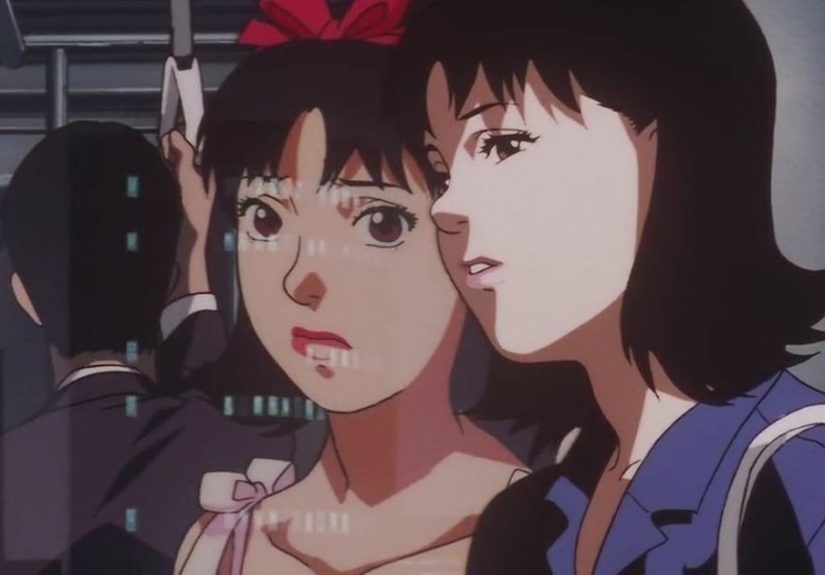
Serial Experiments Lain feels more relevant with every passing year, which is impressive and also slightly rude of it. This 1998 psychological sci-fi anime explores identity, dissociation, loneliness, digital life, and the blurring line between the self we live in and the self we project through technology.
Lain Iwakura is quiet, isolated, and increasingly pulled into the Wired, a network that resembles an eerie early vision of the internet. The series does not provide simple answers. Instead, it creates a mood of paranoia and disconnection. For modern viewers living with social media pressure, online personas, and digital overstimulation, Serial Experiments Lain can feel less like retro cyberpunk and more like a warning label someone forgot to attach to the Wi-Fi router.
11. Mob Psycho 100
Mob Psycho 100 is funny, explosive, visually wild, and surprisingly wise about emotional regulation. Shigeo “Mob” Kageyama has immense psychic power, but he suppresses his emotions because he fears losing control. The premise turns emotional repression into a literal countdown: when Mob’s feelings reach 100%, things happen. Usually dramatic things. Sometimes furniture suffers.
What makes the anime special is its message that emotions are not enemies. Mob does not need to become emotionless to be good. He needs to understand himself, build honest relationships, and stop measuring his worth by usefulness or power. The series addresses self-acceptance, social pressure, insecurity, and the importance of healthy mentors. Beneath the comedy and supernatural chaos, it is one of the kindest anime about growing up emotionally.
12. Blue Period
Blue Period focuses on Yatora Yaguchi, a high-achieving student who appears socially successful but feels empty. When he discovers painting, he enters the competitive world of art school preparation and begins confronting identity, ambition, anxiety, comparison, and burnout. This is not an anime where creativity floats down like fairy dust. Art here is beautiful, difficult, expensive, vulnerable, and occasionally a personal attack in the form of charcoal.
The mental health angle comes from Yatora’s pressure to prove himself. He is talented, but not magically protected from doubt. The show understands how pursuing a dream can awaken both purpose and panic. Blue Period is excellent for anyone who has ever asked, “Am I doing this because I love it, or because I need it to prove I matter?” That question is heavier than a final exam and much harder to grade.
13. Bocchi the Rock!
Bocchi the Rock! is one of the funniest modern anime about social anxiety. Hitori Gotoh wants friends and dreams of being in a band, but everyday interaction feels like crossing a canyon on a pool noodle. Her anxious imagination transforms simple social situations into absurd visual gags, from melting into goo to glitching out of reality.
The brilliance of Bocchi the Rock! is that it laughs with Bocchi, not cruelly at her. Her anxiety is exaggerated for comedy, but the emotional truth remains recognizable. She wants connection, fears judgment, and often overthinks herself into paralysis. Through music and friendship, she slowly expands her comfort zone. The show never pretends confidence appears instantly. It celebrates tiny wins: speaking up, showing up, and playing one more song even when your brain is screaming “abort mission.”
Common Mental Health Themes These Anime Explore
Depression and Emotional Numbness
Anime such as March Comes in Like a Lion, A Silent Voice, Orange, and Violet Evergarden show depression in different ways. Sometimes it looks like self-hatred. Sometimes it looks like silence. Sometimes it looks like functioning well enough that others do not notice the person is struggling. These stories matter because they challenge the idea that pain always announces itself loudly.
Trauma, Grief, and the Body
Your Lie in April, Fruits Basket, Violet Evergarden, and Neon Genesis Evangelion show how trauma can live in memory, behavior, posture, and relationships. Characters avoid certain places, sounds, people, or forms of closeness. They may become angry, numb, perfectionistic, or desperate for approval. These anime remind viewers that trauma is not just “something bad happened.” It is also what the mind and body learn to do afterward.
Social Anxiety and Isolation
Bocchi the Rock! and Welcome to the N.H.K. approach social anxiety and isolation from very different tones. One is bright, musical, and comedic. The other is darker and more uncomfortable. Together, they show a wide emotional range: the shy wish to connect, the fear of embarrassment, the habit of avoidance, and the deep loneliness that can grow when life becomes too small.
Friendship as Support, Not a Cure-All
Many mental-health anime understand that friendship helps, but it is not a magic button. Supportive friends can notice warning signs, reduce isolation, and create safe spaces. However, serious mental health issues may also require professional care, family support, crisis intervention, medication, therapy, or long-term treatment. The best stories honor friendship without turning it into a replacement for real help.
Personal Viewing Experiences: Why These Anime Stay With Us
Watching anime that tackles mental health issues can feel strangely personal, even when the plot involves psychic explosions, mysterious eggs, or teenagers piloting machines that absolutely need a better workplace safety policy. The emotional truth sneaks in through the details. A character avoids messages because replying feels impossible. Someone sits in a room that has become both safe and suffocating. A student smiles in public, then falls apart alone. These moments can make viewers pause and think, “Oh. I know that feeling.”
One powerful experience these anime create is recognition. Many people grow up believing their emotional struggles are too weird, too dramatic, or too private to name. Then a show like Bocchi the Rock! turns social anxiety into a hilarious visual meltdown, and suddenly the fear of ordering food, joining a conversation, or being perceived by other humans feels less embarrassing. It is still difficult, but it is no longer invisible. Comedy becomes a soft doorway into self-understanding.
Another experience is empathy. A Silent Voice can make viewers think about bullying from multiple angles: the person harmed, the person who caused harm, the bystanders, and the long echo of childhood cruelty. It asks uncomfortable questions without offering easy answers. That discomfort is useful. It pushes the audience to consider apology, accountability, and the difference between wanting forgiveness and actually changing.
Shows like March Comes in Like a Lion and Violet Evergarden create a quieter kind of impact. They teach patience. Rei’s healing is slow. Violet’s emotional growth happens through repeated encounters with other people’s words and grief. These stories can be comforting because they do not demand instant transformation. For viewers who are tired, grieving, or rebuilding themselves, that slowness feels respectful. It says, “You are allowed to take time.”
Then there are anime like Neon Genesis Evangelion and Serial Experiments Lain, which may not feel comforting at all. They can feel confusing, intense, even overwhelming. But they capture mental states that cleaner stories often avoid: dissociation, alienation, fear of intimacy, identity confusion, and the loneliness of being surrounded by people yet still unreachable. These anime are not warm blankets. They are more like storm windows. They let viewers look directly at emotional chaos from a safer distance.
The best experience, though, is conversation. After watching these anime, people often talk about their own lives: school pressure, family expectations, burnout, grief, anxiety, or the friend they wish they had checked on sooner. That is the real value of mental-health storytelling. It does not diagnose the viewer. It does not cure anyone through screen time. But it can reduce shame, increase compassion, and encourage someone to say the thing they have been holding in. Sometimes a fictional character gives us the language we needed in real life.
Conclusion
Anime that tackles mental health issues can be entertaining, heartbreaking, funny, strange, and deeply healing to watch. From March Comes in Like a Lion to Bocchi the Rock!, these stories show that emotional pain is not a weakness or a personality flaw. It is part of being human, and it deserves care.
The 13 anime above approach mental health from different angles: depression, grief, trauma, social anxiety, isolation, bullying, emotional repression, and identity. Some are gentle. Some are intense. Some will make you laugh five seconds before emotionally drop-kicking you into reflection. But each one offers something valuable: a reminder that people are complicated, healing is possible, and connection matters.
If you are watching these anime because you relate to them, be kind to yourself. Fiction can help us feel seen, but real support matters too. Talk to someone you trust, reach out for professional help when needed, and remember that even the smallest step toward connection still counts as movement.