Table of Contents >> Show >> Hide
- What Makes a Vintage Ocean Scape So Timeless?
- The History Behind Seascape Art
- Why Vintage Ocean Art Works So Well in Modern Homes
- Key Styles of Vintage Ocean Scape Art
- How to Choose the Right Vintage Ocean Scape
- Where to Use Vintage Ocean Scape Décor
- How to Style Vintage Ocean Scape Art Without Looking Kitschy
- Vintage Ocean Scape as a Collectible
- Popular Color Palettes for Vintage Ocean Scape Interiors
- DIY Ideas Inspired by Vintage Ocean Scape Style
- The Emotional Power of Ocean Imagery
- Experiences Related to Vintage Ocean Scape
- Conclusion: Why Vintage Ocean Scape Still Belongs in Today’s Home
Note: This article is written as original, publication-ready web content based on reputable U.S. museum, archive, design, and public-history references about seascape art, maritime imagery, coastal interiors, and vintage visual culture.
What Makes a Vintage Ocean Scape So Timeless?
A vintage ocean scape is more than a pretty picture of waves behaving dramatically for the camera. It is a mood, a memory, and a tiny vacation your wall can take without asking for paid time off. Whether it appears as an oil painting of stormy cliffs, a faded travel poster, a moody black-and-white photograph, or a sun-washed coastal print, vintage ocean art has a rare ability to make a room feel calmer, older, and more interesting.
The ocean has always been a favorite subject for artists because it refuses to sit still. One minute it is polished silver; the next it is throwing foam like an overcaffeinated barista. That constant movement gives seascape art emotional range. A quiet horizon can suggest peace. A ship battling heavy waves can suggest courage. A misty beach scene can make even a modern apartment feel like it has a salty breeze sneaking through the windows.
Today, vintage ocean scape art is especially popular in coastal homes, beach cottages, lake houses, and city apartments that want a touch of maritime nostalgia. It fits beautifully with coastal wall art, nautical décor, antique frames, linen upholstery, weathered wood, brass lamps, rattan furniture, and soft blue-gray palettes. But the best part? You do not need to live near the Atlantic, Pacific, Gulf Coast, or any body of water larger than your kitchen sink to enjoy it.
The History Behind Seascape Art
Seascape painting has deep roots in European and American art. Dutch marine painters of the 17th century helped establish the sea as a powerful artistic subject, often using ships, harbors, clouds, and churning water to reflect trade, exploration, danger, and national pride. Later, Romantic artists made the ocean feel grand, mysterious, and sometimes terrifying. In their hands, the sea was not just scenery; it was a character with excellent lighting and questionable manners.
By the 19th century, artists such as J.M.W. Turner, Gustave Courbet, Winslow Homer, Claude Monet, William Trost Richards, and James McNeill Whistler explored the ocean in very different ways. Some focused on dramatic storms and shipwrecks. Others studied changing light, rocky coasts, beach resorts, fishing communities, or the soft blur between sky and water. The rise of photography also changed ocean imagery. Early photographers experimented with capturing clouds and waves, often facing technical challenges because sky and sea required different exposures.
In the United States, the seascape became tied to both wilderness and work. American marine art often showed fishermen, sailors, ports, lighthouses, and rugged coastlines. These images reflected real maritime life, not just romantic dreams. The ocean was beautiful, yes, but it was also a workplace, a trade route, a frontier, and occasionally a very wet reminder that humans are small.
Why Vintage Ocean Art Works So Well in Modern Homes
Modern interiors often need warmth and personality. Clean lines, white walls, and minimalist furniture can look elegant, but without character they may drift into “fancy waiting room” territory. A vintage ocean scape solves that problem. It adds softness, story, and visual depth.
Unlike trendy décor that announces itself with a megaphone, vintage seascape art usually whispers. Its faded tones, aged paper, brushy texture, or antique frame create a sense of history. A painting of a sailboat under cloudy skies can balance a sleek sofa. A vintage beach poster can bring playfulness to a hallway. A small maritime sketch can make a bathroom feel curated instead of simply tiled.
Designers often use coastal art because it pairs naturally with relaxed materials: linen, jute, cane, wicker, driftwood, ceramic, and unfinished or lightly stained wood. But good coastal design avoids turning the room into a souvenir shop. One strong vintage ocean scape is usually more sophisticated than twelve anchors, six rope knots, and a sign that says “Beach Vibes” in distressed lettering. The sea deserves better. So do your guests.
Key Styles of Vintage Ocean Scape Art
1. Romantic Storm Seascapes
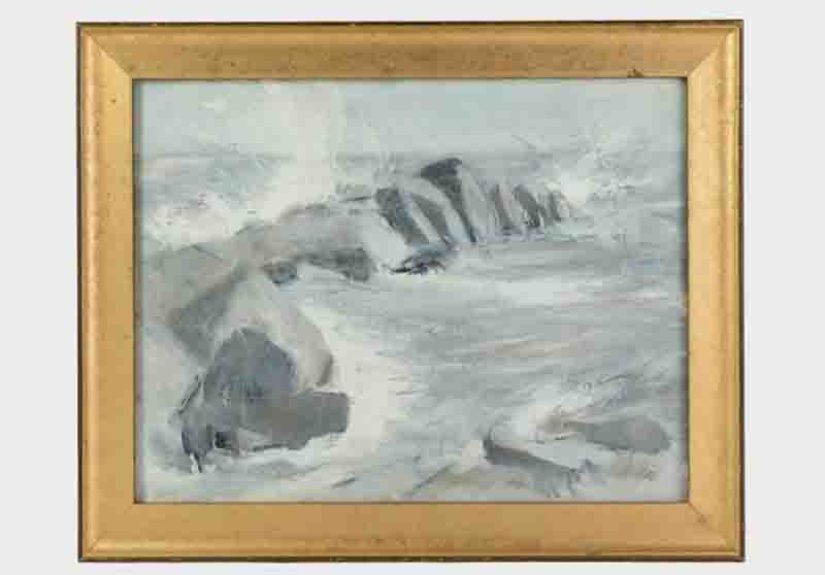
These works feature dark skies, crashing waves, ships in danger, rocky cliffs, and dramatic contrast. They are ideal for rooms that need depth and a little cinematic tension. A stormy seascape can look stunning above a fireplace, in a study, or in a dining room with moody paint colors.
2. Impressionist Coastal Scenes
Impressionist ocean art focuses on light, color, and atmosphere rather than sharp detail. Think quick brushstrokes, shimmering water, beachgoers, sailboats, and coastal towns. These pieces work beautifully in bedrooms, breakfast nooks, and living rooms where a softer mood is welcome.
3. Vintage Travel Posters
Old travel posters often use bold typography, simplified shapes, and cheerful colors to sell the dream of escape. Beaches, ocean liners, seaside resorts, and coastal cities appear as glamorous destinations. These pieces are perfect for kitchens, entryways, guest rooms, and casual family spaces.
4. Maritime Photography
Black-and-white or sepia-toned ocean photographs bring documentary charm. Images of piers, fishing boats, boardwalks, lighthouses, and harbors can feel both nostalgic and grounded. They are especially effective in gallery walls or narrow spaces such as staircases and corridors.
5. Minimal Horizon Studies
Some vintage ocean scapes are quiet: a line of water, a pale sky, a small boat, maybe a bird or two doing bird things. These pieces suit modern, Scandinavian, Japandi, and minimalist interiors because they offer calm without clutter.
How to Choose the Right Vintage Ocean Scape
Start with mood. Do you want calm, drama, nostalgia, romance, or adventure? A foggy harbor feels different from a sunny beach. A ship under sail feels different from a lone wave study. Before choosing a piece, decide what emotional job it should perform in the room.
Next, consider color. Vintage ocean art often includes blues, grays, greens, creams, browns, and touches of gold, coral, or rust. If your room already has a neutral palette, a seascape can introduce color gently. If your space has bold patterns, choose a quieter ocean scene so the walls do not start arguing with the furniture.
Scale matters too. A large vintage seascape above a sofa or bed can become the room’s anchor. A small painting may work better in a reading corner, bathroom, or shelf vignette. When in doubt, go slightly larger than you think. Tiny art floating alone on a big wall can look like it got lost on the way to a gallery wall.
Finally, look at the frame. A gilt frame adds elegance. A weathered wood frame feels relaxed. A thin black frame modernizes the piece. An ornate antique frame can create a collected, old-world look. Framing is not an afterthought; it is the artwork’s outfit. Choose accordingly.
Where to Use Vintage Ocean Scape Décor
Living Room
A vintage ocean scape above the sofa can instantly set the tone. Pair it with linen pillows, a jute rug, ceramic lamps, and warm wood accents. For a more refined look, use one large piece instead of a crowded gallery wall.
Bedroom
Ocean art is a natural fit for bedrooms because it encourages calm. Choose misty beaches, soft horizons, pale blues, or moonlit water. Avoid overly chaotic storm scenes unless you enjoy dreaming about maritime insurance claims.
Bathroom
A small vintage coastal print can make a bathroom feel thoughtful and charming. Choose moisture-resistant framing and avoid placing valuable originals where steam can damage them.
Entryway
A vintage travel poster or maritime photograph can create a welcoming first impression. It suggests movement, adventure, and fresh airthree things every entryway secretly wants.
Home Office
A horizon line can help visually open a work area. If your desk faces a wall, an ocean scape offers the illusion of distance. It is cheaper than oceanfront property and much easier to dust.
How to Style Vintage Ocean Scape Art Without Looking Kitschy
The trick is restraint. Coastal décor becomes elegant when it suggests the sea rather than reenacting an entire marina. Choose natural textures, muted colors, and authentic materials. Let the art do the storytelling.
Pair vintage ocean scape art with aged brass, woven baskets, white oak, cotton slipcovers, antique books, and handmade ceramics. Avoid overloading the room with shells, anchors, nets, and signs. One shell? Lovely. A whole bowl of shells? Fine. A shell lamp, shell mirror, shell chandelier, and shell-shaped soap dish? The ocean may file a complaint.
Mixing old and new also helps. A vintage seascape above a modern console table feels fresh. A faded ocean poster in a clean frame looks intentional. An antique marine painting next to contemporary lighting creates contrast. The goal is not to build a museum; it is to create a room that feels layered, personal, and relaxed.
Vintage Ocean Scape as a Collectible
Many people collect vintage ocean art because it is accessible, varied, and emotionally appealing. Original oil paintings, watercolors, etchings, lithographs, travel posters, and photographic prints all fall under the broader category. Prices vary widely depending on artist, age, condition, medium, size, provenance, and subject.
If you are buying an original piece, inspect the condition carefully. Look for tears, stains, fading, warping, paint loss, mold, or frame damage. Some wear is normal and even desirable because it gives the work character. But serious damage can affect value and longevity. For important purchases, consider asking a reputable dealer, appraiser, or conservator for guidance.
Reproductions can also be excellent choices. Museum-quality prints, archival reproductions, and public-domain images from historical collections make vintage ocean style more affordable. A well-framed reproduction can still deliver the mood, color, and history you want without requiring you to sell your car or explain an auction bill to your family.
Popular Color Palettes for Vintage Ocean Scape Interiors
Soft Atlantic
This palette uses fog gray, slate blue, warm white, sand, and weathered wood. It works well with traditional, cottage, and transitional interiors.
Golden Coastal
Use antique gold, cream, faded teal, warm brown, and soft coral. This palette pairs beautifully with gilt frames, vintage lamps, and patterned textiles.
Pacific Mood
Try deep navy, charcoal, sea green, ivory, and black accents. It is ideal for dramatic seascapes, modern furniture, and rooms that need a richer atmosphere.
Sun-Faded Resort
Choose pale aqua, linen white, butter yellow, faded red, and natural rattan. This palette feels cheerful, relaxed, and slightly retro.
DIY Ideas Inspired by Vintage Ocean Scape Style
If you love the look but not the price tag, create your own vintage-inspired ocean wall. Search for public-domain maritime images, antique maps, old beach photographs, or travel poster reproductions. Print them on textured paper, use simple mats, and frame them in thrifted wood or brass frames.
You can also create a gallery wall with mixed media: one painted seascape, one old map, one black-and-white pier photograph, and one small sketch of a sailboat. Keep the color palette consistent so the arrangement feels curated instead of chaotic. The ocean may be wild; your gallery wall does not have to be.
For a personal touch, frame postcards from coastal trips, ticket stubs from ferry rides, or photographs from family beach vacations. When mixed with vintage ocean art, these small memories make the display feel less like decoration and more like a story.
The Emotional Power of Ocean Imagery
Part of the appeal of a vintage ocean scape is psychological. Water is often associated with calm, reflection, renewal, and escape. A seascape can make a room feel more open, especially when the image includes a long horizon. That line where sea meets sky gives the eye somewhere to rest.
At the same time, ocean art can carry complexity. A stormy sea may represent struggle. A harbor may suggest return. A ship may symbolize ambition. A beach may recall childhood, summer, or the delicious laziness of doing absolutely nothing with great commitment. This emotional flexibility is why vintage seascape art never really goes out of style.
Experiences Related to Vintage Ocean Scape
There is a particular feeling that comes from finding a vintage ocean scape in the wild. Maybe it is leaning against the wall of an antique shop, half-hidden behind a stack of old mirrors. Maybe it is sitting in a dusty frame at a flea market, looking slightly offended that nobody has noticed it yet. You pick it up, and suddenly the room around you gets quieter. The image might show a gray shoreline, a fishing boat, or waves curling under a pale sky. It may not be famous. It may not even be signed. But it feels like it remembers something.
That is the magic of vintage ocean art. It does not need perfection to be powerful. In fact, a little age often makes it better. A worn frame, softened colors, or tiny marks on the paper can make the piece feel lived-in. It suggests that someone else once loved it, hung it over a mantel, packed it during a move, or placed it in a guest room where visitors fell asleep imagining the tide.
Decorating with a vintage ocean scape can also change how you experience your own home. A hallway becomes less ordinary when a faded beach print catches the afternoon light. A bedroom feels cooler and calmer with a misty horizon above the headboard. A dining room gains conversation when guests notice a tiny ship in the distance and begin inventing stories about where it is going. Good art invites imagination; ocean art practically hands it a boarding pass.
One enjoyable approach is to build a room around the feeling of the artwork rather than matching it too literally. If the piece shows a stormy coast, you might add dark wood, textured linen, and a brass lamp. If it shows a sunny seaside resort, you might use striped pillows, white ceramics, and a woven chair. If it shows a lonely sailboat, keep the surrounding décor quiet and let the image breathe. The best styling often feels effortless, even when you spent twenty minutes moving one lamp three inches to the left. Interior design is glamorous like that.
Vintage ocean scape pieces also make meaningful gifts. They suit people who love travel, sailing, beach houses, history, painting, or simply the calming presence of water. A framed maritime print can feel personal without being too risky. Unlike clothing, it does not require guessing someone’s size. Unlike a scented candle, it will not make the house smell like “Tropical Thunderstorm Cupcake.” Art lasts, and ocean art carries a universal appeal.
For collectors, the experience can become wonderfully addictive. Once you buy one small seascape, you start noticing them everywhere: estate sales, online auctions, museum shops, used bookstores, local galleries, and antique malls. Soon you are comparing cloud formations and saying things like, “This wave has excellent movement,” which is how you know the sea has officially claimed you.
But the greatest experience is personal. A vintage ocean scape lets you bring the horizon indoors. It offers a daily pause, a breath of salt air, a reminder that life is larger than your inbox. You can stand in front of it for ten seconds and feel transported. No sunscreen required. No sand in your shoes. No seagull stealing your lunch. Just the quiet pleasure of looking at the sea through another era’s eyes.
Conclusion: Why Vintage Ocean Scape Still Belongs in Today’s Home
A vintage ocean scape is timeless because it combines beauty, history, emotion, and design flexibility. It can be dramatic or peaceful, formal or casual, valuable or affordable. It works in beach houses and city apartments, traditional rooms and modern spaces, large walls and tiny corners. Most importantly, it brings a sense of depth that mass-produced décor often lacks.
Whether you choose an antique oil painting, a faded travel poster, a maritime photograph, or a museum-quality reproduction, vintage ocean art gives your space a story. It reminds us of travel, weather, memory, work, leisure, and the endless pull of the horizon. In a world that often feels noisy and rushed, a quiet seascape on the wall is a small but meaningful luxury.
So yes, bring the ocean home. Just maybe skip the plastic anchor.