Table of Contents >> Show >> Hide
- Why Vintage French Small Amber Apothecary Jars Still Matter
- A Brief History Behind the Glow
- How to Identify Authentic Vintage French Small Amber Apothecary Jars
- What Makes French Amber Examples So Desirable?
- How to Style Vintage French Small Amber Apothecary Jars at Home
- Buying Tips: What Smart Shoppers Check First
- Care and Display Without Regret
- The Experience of Living With Vintage French Small Amber Apothecary Jars
- Final Thoughts
Some objects whisper. Vintage French small amber apothecary jars practically purr. They have that rare talent for looking scholarly, slightly mysterious, and effortlessly stylish all at once. Set one on a shelf and suddenly the room seems smarter. Group three together and your home starts giving off “I read old cookbooks for fun” energy.
These little amber beauties are more than decorative glass. They sit at the crossroads of pharmacy history, European craftsmanship, practical storage, and modern interior style. Once used to hold tinctures, herbs, powders, syrups, and other pharmacy staples, they now charm collectors, decorators, stylists, and anyone who thinks ordinary storage is a wasted opportunity.
If you have been eyeing a set online, spotting them at flea markets, or wondering whether that dusty brown bottle in an antique shop is treasure or just very confident clutter, this guide will help. Let’s get into what makes vintage French small amber apothecary jars special, how to identify the real thing, why people love them, and how to style them without making your house look like a haunted chemistry lab.
Why Vintage French Small Amber Apothecary Jars Still Matter
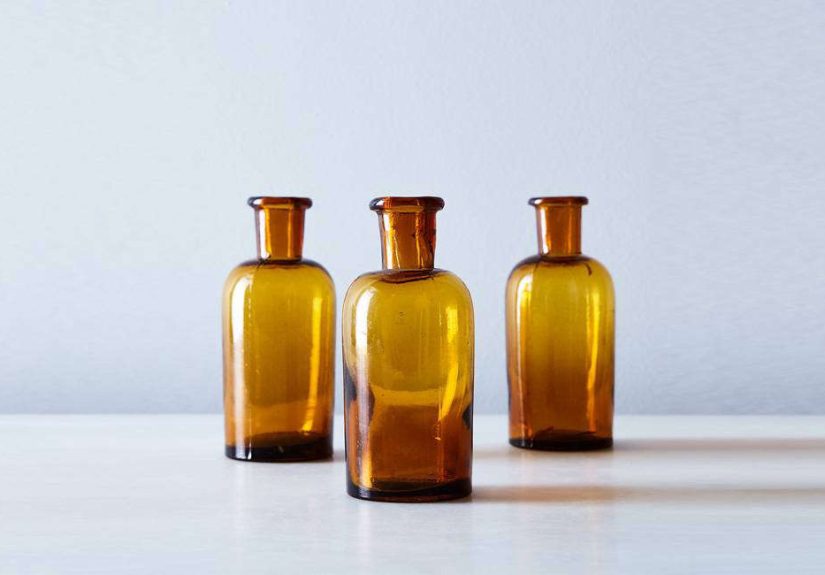
The appeal starts with color. Amber glass has depth that clear glass simply cannot fake. It shifts from honey to tobacco to dark caramel depending on the light. In the morning it glows; by evening it turns moody and cinematic. That warm tone is one reason these jars feel so inviting in modern homes, especially when paired with wood, linen, brass, marble, or old books.
But the color was not just for show. Historically, amber glass had a practical role. Apothecaries and druggists used colored glass because it helped protect light-sensitive contents. In other words, these jars were the original “beautiful and functional” storage containers long before every catalog started using that phrase like it invented the concept.
The “small” scale is part of the charm too. Large pharmacy vessels can look dramatic, but smaller amber apothecary jars are easier to live with. They tuck into bookshelves, bathroom counters, kitchen nooks, bedside tables, and curio cabinets. They add history without hogging the spotlight.
A Brief History Behind the Glow
Apothecary containers have a long and fascinating lineage. Across Europe, pharmacies used a mix of ceramic, wood, and glass vessels to store medicines and ingredients. Glass jars were especially useful for liquids, ointments, tinctures, and bulk compounds because they could be formed in a range of sizes and shapes. Over time, shelf-ready pharmacy containers became part of the visual language of the druggist’s shop: ordered, labeled, functional, and a little theatrical.
French apothecary tradition is often associated with elegant porcelain jars, and for good reason. Yet glass examples were also very much part of the story. Antique dealers regularly document French glass apothecary jars from the mid-19th century, including lidded jars with Latin labels and early 20th-century amber pharmacy bottles. That means when you see a vintage French amber apothecary jar today, you are not looking at some random rustic prop. You are seeing a practical object tied to a real medical and retail tradition.
Many older pharmacy jars were made for “shop furniture,” meaning the organized bottles and jars displayed on shelves behind the counter. Some wide-mouth vessels held solids such as herbs or powders, while narrower forms were better for liquids. Ground-glass stoppers, corks, paper labels, painted titles, and embossed marks all played a role in how these jars were used and identified.
And yes, the labels could be delightfully intimidating. Latin names, abbreviations, and pharmaceutical shorthand gave these jars their unmistakable intellectual swagger. You did not need to read the label to know the jar meant business.
How to Identify Authentic Vintage French Small Amber Apothecary Jars
1. Look at the Glass Itself
Real vintage glass often has character. That means tiny bubbles, slight waviness, thickness variations, or subtle imperfections. These are not flaws in the annoying modern sense; they are clues. Older handmade or mouth-blown pieces often show irregularities that machine-perfect reproductions lack.
Amber can also vary. Some jars are a deep medicinal brown, while others lean more golden or tea-colored. That range is normal. A uniform, flat color paired with suspiciously perfect construction can be a sign that a piece is decorative reproduction glass rather than a genuine period jar.
2. Check the Seam Lines
Seams can tell a surprising amount about age. On many older jars, mold seams stop lower on the neck or below the finish. On later machine-made containers, seams often run much higher and may continue to the top area of the jar. That does not automatically make a jar bad, of course. Early 20th-century machine-made pharmacy containers are still vintage. But seam height helps you place the piece more accurately on the timeline.
If you are shopping in person, rotate the jar slowly in good light. Antique bottle lovers do this with the concentration of jewel thieves for a reason.
3. Study the Lip, Rim, and Stopper
One of the best signs of age is the finish at the top. Older mouth-blown bottles may show an applied or tooled finish, meaning the lip was shaped by hand after the body was formed. Some have slight excess glass near the finish or a less perfectly symmetrical rim. Many pharmacy jars also used ground-glass stoppers made to fit the opening snugly, especially on jars meant to protect contents from moisture or evaporation.
If the stopper is original, that is a bonus. A mismatched cork or replacement lid is not a deal breaker, but it may affect value and authenticity.
4. Search for Labels and Wear
Original labels can be paper, painted, enamel, or under-glass styles depending on the period and purpose. Faded edges, foxing, minor peeling, and age toning are common. A label that looks freshly printed on bright white paper but claims to be from 1900 should raise an eyebrow. Two eyebrows, honestly.
Also inspect for honest wear: shelf rub, light scratching, interior residue, and slight stopper clouding can all be part of a normal old piece. Chips around the rim, major cracks, or heavy staining are another matter and should affect price.
5. Watch for Pontil Marks and Other Handmade Clues
Some earlier handmade glass may show a pontil scar on the base, a sign of how the piece was held during production. Not every old jar will have one, and not every collectible French amber jar is that early. Still, when present, it is a strong clue that you are holding something made by older hand processes rather than modern mass production.
What Makes French Amber Examples So Desirable?
French decorative objects have a reputation for balancing usefulness and elegance, and apothecary jars fit that reputation perfectly. Even the simplest examples feel considered. The silhouettes are often pleasingly restrained: cylindrical bodies, rounded shoulders, softly proportioned necks, and practical stoppers. No unnecessary drama. Just confidence.
Then there is the mood. Amber glass has what designers love to call an “old soul.” It instantly softens a room and makes even a new shelf feel storied. A cluster of small French amber jars can bridge styles beautifully. They work in farmhouse interiors, classic kitchens, Parisian-inspired spaces, dark academia corners, minimalist rooms that need warmth, and bathrooms that would otherwise look like a dentist’s waiting area.
How to Style Vintage French Small Amber Apothecary Jars at Home
The best styling approach is restraint. These jars do not need much help. Their power lies in shape, tone, and patina.
On Open Shelving
Mix two or three small amber jars with stacked books, a framed sketch, and one natural element such as dried lavender or olive branches. The result feels layered rather than staged.
In the Bathroom
Use them for cotton rounds, bath salts, wooden matches, or simply as display pieces. Amber glass gives bathrooms a warmer, more collected look than standard clear plastic containers ever could. That is a low bar, admittedly, but still.
In the Kitchen
Keep them purely decorative near cookbooks, stoneware, and brass utensils, or use them for non-food display items if the condition is uncertain. If you plan to store anything consumable, make sure the jar is thoroughly cleaned and that the interior is appropriate for practical reuse.
On a Tabletop or Mantel
Small amber jars look excellent grouped by tone and height. Add feathers, dried stems, or nothing at all. Empty jars often look more elegant than overfilled ones.
Buying Tips: What Smart Shoppers Check First
- Look for chips around the rim and inside the mouth.
- Check whether the stopper is original and fits well.
- Ask whether labels are original, restored, or later additions.
- Inspect the base for wear consistent with age.
- Be cautious with pieces that look artificially distressed.
- Compare shape, glass thickness, and color across several examples before buying.
Do not assume every “French vintage apothecary jar” listing is ancient. Some are early 20th century. Some are mid-century. Some are decorative pieces wearing history like a borrowed coat. Read descriptions carefully, zoom in on photos, and trust physical details more than poetic seller captions.
Care and Display Without Regret
Vintage glass deserves gentle treatment. Wash carefully by hand using mild soap and lukewarm water. Avoid harsh chemicals, abrasive scrubbers, and sudden temperature changes. Do not force a stuck stopper; that is how collectors end up learning new vocabulary.
If a jar still has an old paper label, keep water exposure to a minimum. Dust with a soft brush or dry microfiber cloth instead. Display the jars away from high-traffic edges, direct impact zones, and spots where pets, children, or your own elbow enthusiasm can send them to the floor.
And one practical note: just because a jar once stored medicine does not mean it should automatically store skincare, food, or supplements today. Antique charm is not the same thing as food-safe certification.
The Experience of Living With Vintage French Small Amber Apothecary Jars
Owning vintage French small amber apothecary jars is less like owning decor and more like adopting tiny pieces of atmosphere. They change a room without making a fuss about it. You do not always notice them first, but once you do, they quietly take over the mood. That is the magic.
The first experience most people have is the thrill of the hunt. You spot one in a flea market booth wedged between silverplate spoons and a porcelain dog with emotional damage in its eyes. At first glance, it is just a brown bottle. Then the light catches it. The glass glows. The stopper is still there. Maybe the label is half-faded and written in French or Latin. Suddenly, you are no longer shopping. You are investigating. You tilt it, inspect the base, wonder what it held, and start inventing a whole backstory before you even ask the price.
Then comes the second experience: bringing it home and discovering that it works almost anywhere. A small amber apothecary jar can sit beside modern objects and somehow make them behave better. A plain white shelf looks intentional. A stack of books looks curated. Even a simple bathroom tray starts giving boutique-hotel energy. These jars are excellent at making a home feel collected rather than decorated, and that is a big difference. Decor says, “I bought things.” Collected says, “I have stories.”
There is also the tactile pleasure. Vintage glass feels different in the hand. It often has a reassuring weight, a cool surface, and subtle irregularities that remind you a human being once made it. The stopper may not glide like a brand-new factory piece. It may resist a little, then settle with a soft, satisfying fit. That tiny interaction is oddly enjoyable, like closing the cover of an old hardcover book.
Another part of the experience is learning to appreciate imperfection. At first, a bubble in the glass or a little waviness might seem like damage. Then you realize those quirks are the point. They are evidence of process, time, and use. A slightly worn label or a cloudy shoulder tells you this jar had a job before it had an Instagram future. It was useful before it was fashionable, which makes it more interesting than most brand-new “vintage-inspired” pieces trying very hard to look relaxed.
Perhaps the best experience, though, is how these jars slow you down. They invite curiosity. Guests ask about them. You end up talking about old pharmacies, French markets, flea finds, amber glass, and why beautiful storage is one of life’s underappreciated pleasures. In a home full of fast purchases and disposable objects, a vintage French small amber apothecary jar feels patient. It has already lasted decades. It is in no hurry. That calm presence is part of why people fall for them so hard.
So yes, they are lovely. Yes, they style well. Yes, they photograph like champions. But the real joy is more personal than that. These jars make everyday spaces feel layered, thoughtful, and quietly romantic. Not romance-novel romantic. Better than that. Smart romantic. The kind that knows beauty works harder when it has a little history behind it.
Final Thoughts
Vintage French small amber apothecary jars are the kind of objects that earn their shelf space. They bring history, function, warmth, and character in one compact package. Whether you collect them seriously or just want one perfect piece to elevate a corner of your home, they offer more than decoration. They offer presence.
And in a world full of forgettable containers, that is saying quite a lot.