Table of Contents >> Show >> Hide
- Why Dijon Mustard Is the Secret Weapon in Ham Glaze
- The Real Trick: Dijon Plus Timing
- Pick Your Ham: Spiral, Whole, Boneless, Bone-In
- How to Heat Ham Without Drying It Out
- The “One Ingredient” Dijon Ham Glaze Formula
- 3 Dijon-Forward Glazes That Consistently Win
- Step-by-Step: How to Glaze a Ham Like You Meant To
- Food Safety and Temperature (Don’t Skip This Part)
- Common Glazed Ham Mistakes (And How Dijon Helps)
- A Few Specific Flavor Twists (Still Powered by Dijon)
- Conclusion: The Best Glazed Ham Is Sweet, Tangy, and GlossyNot Just Sweet
- of Real-World “Glazed Ham Experiences” (What It’s Like When You Try This)
Glazed ham has a reputation problem. It’s either (1) jaw-droppingly glossy and perfect, with a crackly-sweet shell that makes people “accidentally” hover near the carving board, or (2) weirdly sticky, oddly burnt, and so sweet it could qualify as a dessert with delusions of grandeur.
The good news: the difference is usually one simple, grocery-store ingredient that makes the glaze taste sharper, look shinier, and actually stay on the ham instead of sliding off like it’s late for a meeting.
That ingredient is Dijon mustard.
Yes, mustard. The condiment you keep around for sandwiches, hot dogs, and that one “fancy” charcuterie board you assembled like it was a competitive sport. Dijon isn’t just a flavor add-onit’s the behind-the-scenes hero that turns a basic sweet glaze into a balanced, clingy, caramelized masterpiece.
Why Dijon Mustard Is the Secret Weapon in Ham Glaze
1) It balances the ham’s saltiness without making things sugary
Ham is cured. That means it’s salty by designand salt loves sweetness. But a glaze that’s only sweet can taste flat, like candy stuck to pork. Dijon brings acidity and a gentle heat that cuts richness and keeps the flavor from tipping into “holiday syrup incident.”
2) It helps your glaze cling (so you get that glossy crust)
A great glaze needs to coat the ham evenly and stick long enough to caramelize. Dijon mustard naturally helps bind and stabilize mixtures (it’s why it’s used in classic emulsions like vinaigrettes). Translation: your glaze becomes more cohesive instead of separating into a watery puddle and a sugar blob.
3) It makes “sweet” taste more complex
Brown sugar and honey are delicious, but they’re one-note without contrast. Dijon adds depth: tangy, savory, and just sharp enough to make each bite taste like you did something impressive on purpose.
The Real Trick: Dijon Plus Timing
Dijon is the ingredient that upgrades flavor and texturebut the timing is what saves your glaze from burning. Most glazes contain sugar (brown sugar, honey, maple syrup, preserves). Sugar caramelizes beautifully… right up until it scorches and turns bitter.
The most consistent pro move is simple: heat the ham first, glaze near the end. When you apply a sugary glaze only in the last stretch of cooking, you get shine and caramelization instead of burnt patches and smoke-alarm jazz.
Pick Your Ham: Spiral, Whole, Boneless, Bone-In
Before we talk glaze recipes, let’s talk ham reality. Most holiday hams are already cooked, and you’re reheating them. Spiral-cut hams are convenient (pre-sliced!) but can dry out faster because so much surface area is exposed.
Quick ham selection tips
- Spiral-cut ham: easiest to serve, but protect it with foil and gentle heat.
- Bone-in ham: often richer flavor and stays juicy; bonus points for a dramatic centerpiece vibe.
- Boneless ham: easy carving; sometimes a little less “wow,” but glaze fixes a lot.
How to Heat Ham Without Drying It Out
Dry ham usually happens because it’s overheated. Remember: if it’s pre-cooked, you’re not “cooking” ityou’re warming it through gently.
Moisture-friendly ham reheating rules
- Go low and steady: 325°F is a common, reliable oven temp for reheating.
- Cover most of the time: foil is your humidity blanket. Use it.
- Use a thermometer: guesswork is how ham becomes “holiday jerky.”
- Add a little liquid to the pan (optional): water, broth, apple ciderjust enough to create gentle steam under the foil.
Once the ham is warm, then you glaze. That order matters more than your choice of holiday playlist.
The “One Ingredient” Dijon Ham Glaze Formula
Dijon doesn’t replace sweetnessit fixes it. Here’s the easiest way to think about glaze building:
- Sweet: brown sugar, honey, maple syrup, or fruit preserves
- Tang + binder: Dijon mustard
- Liquid for brushability: apple cider, pineapple juice, bourbon, cola, or water
- Optional spice: cloves, cinnamon, black pepper, ginger
If you only change one thing in your usual glaze, make it this: add Dijon. Even a few tablespoons can make the whole ham taste more “chef-y.”
3 Dijon-Forward Glazes That Consistently Win
Each option below is designed to be easy, balanced, and hard to mess up (the best kind of holiday cooking).
Option A: The Classic Brown Sugar + Dijon “Two-Ingredient” Style
This is the minimalist glaze that tastes like traditionsweet, tangy, and ridiculously simple.
- 1 cup brown sugar
- 1/4 to 1/2 cup Dijon mustard (start smaller if you’re mustard-shy)
Stir into a paste. If it’s too thick, loosen with 1–2 tablespoons water or apple cider. Brush in thin layers so it builds a lacquer instead of sliding off.
Option B: Honey-Dijon Shine (Sweet, Tangy, Glossy)
- 1/2 cup honey
- 1/4 cup Dijon mustard
- 2–3 tablespoons brown sugar
- 1–2 tablespoons apple cider vinegar or apple cider
Heat gently in a small saucepan just until smooth. This one gives you a gorgeous, glossy finish and a flavor that doesn’t scream “dessert ham.”
Option C: Apple Cider Dijon Glaze (Holiday Smells Included)
- 3/4 cup apple cider
- 1/2 cup brown sugar
- 1/4 cup Dijon mustard
- Pinch of cinnamon + clove (optional but festive)
Simmer the cider and sugar for a few minutes to slightly thicken, then whisk in Dijon off heat. You’ll get sweet-tangy depth with that “something’s baking” aroma that makes neighbors suddenly remember your address.
Step-by-Step: How to Glaze a Ham Like You Meant To
Step 1: Warm the ham (covered)
Place ham cut-side down in a roasting pan. Add a splash of liquid to the bottom of the pan if you want extra insurance. Cover tightly with foil.
Step 2: Prep the surface so glaze can grip
If your ham isn’t spiral-sliced, score the fat in a shallow diamond pattern. This gives the glaze more edges to cling to and looks like you attended culinary school for at least a week.
Step 3: Make the glaze and keep it brushable
Warm glazes spread better. If yours is too thick, add a tablespoon of liquid. If it’s too thin, simmer it briefly to reduce.
Step 4: Glaze near the end
Remove foil during the final cooking stretch. Brush on a thin layer of glaze, return to oven uncovered, and repeat every 8–10 minutes until you get a glossy coating. Thin layers beat one heavy coat every time.
Step 5: Rest, slice, and serve with extra glaze
Let the ham rest 10–15 minutes before slicing. Warm any remaining glaze and serve it on the side. People will use it like a dipping sauce. They will pretend it’s “just a little.” It will not be just a little.
Food Safety and Temperature (Don’t Skip This Part)
The label on your ham matters because “ham” can mean different things: fully cooked, partially cooked, or raw/fresh. Most holiday hams are fully cooked and just need reheating.
General temperature guidance
- Fully cooked ham (reheating): commonly reheated to 140°F when it’s packaged in a USDA-inspected plant; some guidance says other cooked hams should be reheated to 165°Ffollow package directions if they differ.
- Fresh/uncooked ham: cook to 145°F and rest at least 3 minutes.
Use a thermometer and check the thickest part without touching bone. This is the easiest way to keep your ham juicy and safe.
Common Glazed Ham Mistakes (And How Dijon Helps)
Mistake: The glaze burns before the ham is warm
Fix: heat the ham covered first, then glaze near the end. Dijon can’t stop physics, but it can help you build thin layers that brown more evenly.
Mistake: The glaze tastes one-dimensional
Fix: add Dijon. It brings tang, savoriness, and a gentle heat that makes sweetness feel intentional instead of accidental.
Mistake: The glaze slides off
Fix: make the glaze slightly thicker (reduce it) and use Dijon for a more cohesive mixture. Apply in multiple thin coats.
Mistake: Spiral ham dries out
Fix: cover tightly with foil for most of the reheating time, don’t overcook, and glaze at the end. Spiral ham is already slicedprotect it like it’s fragile holiday gold.
A Few Specific Flavor Twists (Still Powered by Dijon)
Once Dijon is in the mix, you can customize without losing balance:
- Maple + Dijon: swap honey for maple syrup for deeper sweetness.
- Bourbon + Dijon: add 2–3 tablespoons bourbon for warmth and complexity.
- Pineapple + Dijon: use pineapple juice to lean into classic holiday ham vibes.
- Cola + Dijon: cola reduces into a caramel-y glaze that pairs surprisingly well with mustard and spice.
The point isn’t to build a complicated glazeit’s to build a balanced one. Dijon is the shortcut.
Conclusion: The Best Glazed Ham Is Sweet, Tangy, and GlossyNot Just Sweet
If you want the best glazed ham ever, don’t chase exotic ingredients or complicated techniques. Add Dijon mustard. It’s the one ingredient that makes sweet glazes taste grown-up, helps the coating cling, and gives you that shiny, caramelized finish people remember (and request) next year.
Heat your ham gently, glaze late, build thin layers, and keep a little extra warm glaze on the side. Congratulations: you’ve just turned “holiday ham” into “ham people talk about.”
of Real-World “Glazed Ham Experiences” (What It’s Like When You Try This)
If you’ve ever made a glazed ham before, you probably remember at least one of these moments: the first time you open the oven and realize the glaze smells amazing, the second time you open the oven and realize the glaze is trying to burn, and the third time you open the oven because you’re suddenly convinced you can smell “too sweet” as a distinct aroma.
Adding Dijon mustard changes the whole experience in a very practical way: it makes the glaze feel more cooperative. Home cooks often describe the difference as “less candy, more craveable.” The sweetness is still there (it’s a glaze, not a salad), but the flavor has a tangy backbone that keeps each bite interesting. It’s the same reason people love dipping salty fries into something sweet-and-tangyyour brain gets contrast, and contrast gets attention.
The hands-on part is where the Dijon payoff really shows up. When a glaze is only sugar and liquid, it can turn slick and separate in the bowl, especially if it sits for a few minutes. With Dijon in the mix, the glaze tends to look smoother and more unified, which makes brushing feel easier and less like you’re painting with a puddle. That matters because glazing is usually done in repeated passes. The first coat sinks in. The second coat starts to shine. By the third coat, you’re basically applying edible lacquerand everyone nearby suddenly becomes “very interested in the kitchen.”
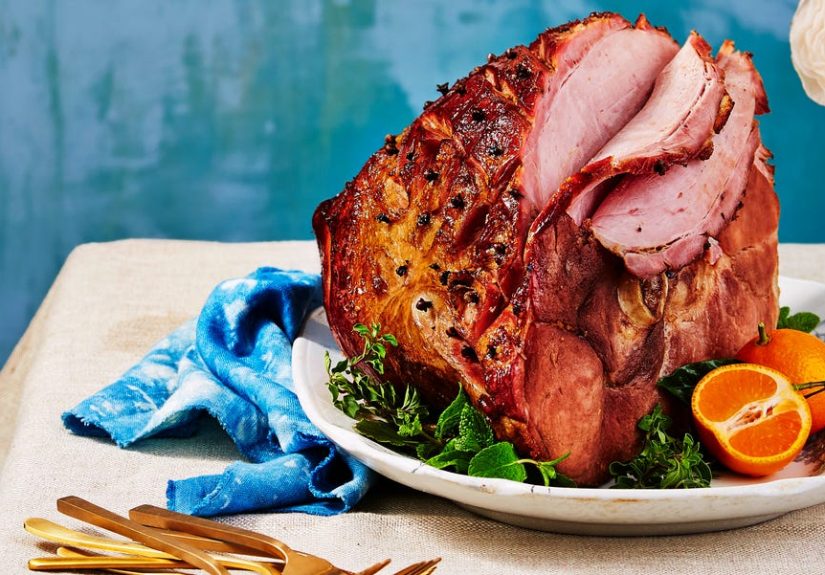
Another common experience: the “spiral ham dilemma.” Spiral hams are convenient, but the slices can pull apart and dry at the edges. People who cover the ham tightly for most of the reheating time usually report a much juicier resultthen, when the foil comes off near the end, the glaze can do its job without sacrificing moisture. That late-stage glazing routine also creates the most satisfying moment of the whole process: when you finally see that glossy, bronzed surface and think, “Okay, this looks like the photo.”
And then there’s the carving board drama: sticky glaze drips, a knife that suddenly needs wiping every two slices, and at least one person “just tasting” a corner that’s mostly glaze. The Dijon version tends to make those tastes more balancedless sugar shock, more savory-sweet depthso people come back for a second “taste” that is, in spirit, a small meal.
Finally, leftovers. The best glazed ham experiences often happen the next day: a warm ham-and-cheddar sandwich with a swipe of extra Dijon glaze; diced ham folded into scrambled eggs; a thick slice warmed gently with a spoonful of glaze on top like it’s a sauce. A good Dijon-powered glaze doesn’t just make the centerpiece betterit makes the encore performances worth showing up for.