Table of Contents >> Show >> Hide
- Why “Not-Sweet” Foods Can Still Wreck Teeth
- 1) Crackers, Chips, and Pretzels
- 2) White Bread (and “Soft” Carbs Like Pasta)
- 3) Dried Fruit and “Fruit Snacks”
- 4) Citrus Fruits and Fruit Juice
- 5) Pickles and Vinegar-Heavy Snacks
- Make Any Snack Less Harmful: A Quick “Damage Control” Checklist
- Tooth-Friendlier Snack Swaps (That Don’t Feel Like Punishment)
- Signs Your Teeth Might Be Taking the Hit
- Conclusion: Sugar Isn’t the Only VillainIt’s the Pattern
- of Real-Life Experiences: When “Healthy” Snacking Backfires
- SEO Tags
Sugar has a terrible dental reputation. And sure, if cavities had a “Most Wanted” poster, sticky candy would be front and center.
But here’s the plot twist: your teeth don’t only get into trouble with “sweet” foods. Plenty of everyday snacksespecially the ones
that look harmless, healthy, or “not dessert”can be just as rough on your enamel.
Why? Because your mouth doesn’t run a morality court where sugar is guilty and everything else is innocent. It runs a chemistry lab.
If bacteria can turn what you eat into acid, enamel can lose minerals. And if what you eat is already acidic, enamel can get softened
before you even pick up a toothbrush. (Yes, your teeth can have a bad day without a single jelly bean involved.)
Why “Not-Sweet” Foods Can Still Wreck Teeth
Tooth decay is basically an acid problem. Bacteria in plaque use fermentable carbohydratesthink sugars and many starchesas fuel.
When they feast, they produce acids that attack enamel. The more often your teeth get hit with acid (snacking all day, sipping all day,
grazing like a delightful human goat), the more chances enamel has to lose minerals.
Separate but related: enamel erosion isn’t primarily caused by bacteriait’s caused by acids directly contacting your teeth, softening
the surface. Citrus, vinegar-heavy foods, and acidic drinks can all contribute. And timing matters: brushing right after something acidic
can be extra abrasive because enamel is temporarily softened.
Bottom line: it’s not just what you eat. It’s how sticky it is, how often it shows up, how long it hangs around, and whether it’s acidic.
Now let’s meet five “popular and sneaky” foods that can be just as bad as obvious sugar.
1) Crackers, Chips, and Pretzels
These snacks don’t taste sweet, but your mouth can treat them like a slow-release candy. Many crackers, chips, and pretzels are made from
refined starches that break down quickly into simple sugars. Even worse: they love to wedge themselves into grooves and between teeth like
they’re paying rent.
Why they’re trouble
- They turn into sugar in your mouth: Refined starches can break down into sugars that bacteria happily convert to acid.
- They cling: Cracker “paste” and chip crumbs stick to molars and hide in crevices.
- They encourage frequent nibbling: It’s easy to eat them slowly over an hour, which means repeated acid exposure.
Specific examples
Think: cheese crackers, buttery round crackers, pretzels, tortilla chips, potato chips, and those “light” rice crackers you can inhale
without noticing (until your molars file a complaint).
Snack smarter
- Eat them with meals instead of as an all-afternoon nibble.
- Pair with protein or dairy (cheese, Greek yogurt, nut butter) to reduce mindless grazing and help saliva do its job.
- Finish with water to help rinse crumbs away.
- If you’re prone to cavities, consider a sugar-free gum after snacking to stimulate saliva.
2) White Bread (and “Soft” Carbs Like Pasta)
Bread doesn’t seem like a dental villain. It’s not neon-colored. It doesn’t come in a foil wrapper. It doesn’t even squeal when you bite it.
Yet refined breads and many soft carbs can be major cavity contributors because they’re fermentable, sticky, and easy to snack on repeatedly.
Why it’s trouble
- Fermentable carbs feed bacteria: Refined grains can break down into sugars in the mouth.
- “Dough ball” effect: Soft bread compresses and sticks to teeth, especially in pits and fissures.
- Convenience leads to frequency: Toast, sandwiches, and rolls can become constant “little bites,” which keeps acids in play.
Specific examples
White sandwich bread, hamburger buns, bagels, soft tortillas, and many pasta dishesespecially if you’re sampling bites while cooking, tasting
sauce, and “just grabbing one more piece of garlic bread.”
Snack smarter
- Choose whole grains more often (they tend to be less “instant mush” and often come with more fiber).
- Balance bread-heavy meals with crunchy vegetables (carrots, cucumber, celery) that can help mechanically clean the tooth surface.
- If you’re doing a carb-forward meal, end with water and avoid lingering bites for the next hour.
3) Dried Fruit and “Fruit Snacks”
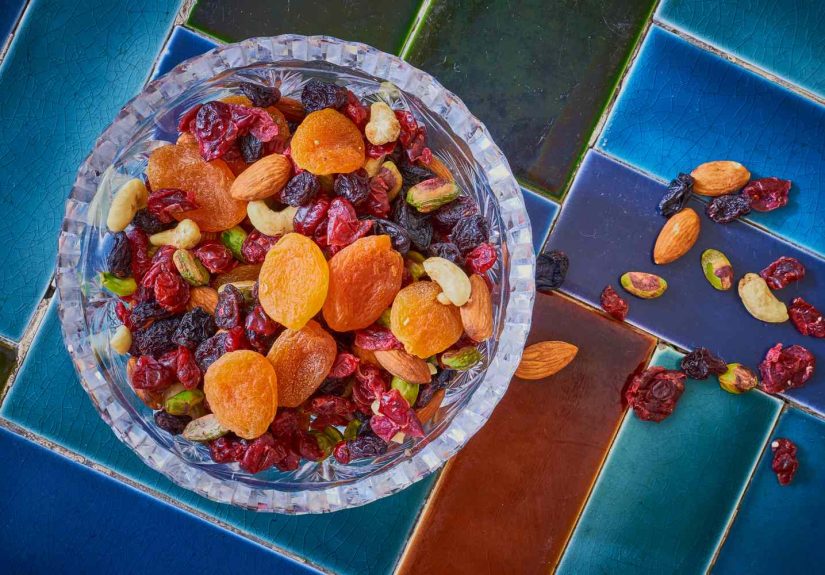
Dried fruit is where healthy intentions go to get sticky. Raisins, dates, dried mango, and fruit leather can be nutrient-dense, surebut they’re
also concentrated in natural sugars and famously clingy. That combo makes them a cavity-friendly environment for bacteria.
Why it’s trouble
- Concentrated sugar: Removing water concentrates sugars, so a small handful can deliver a lot of fermentable carbohydrate.
- Sticky texture: Dried fruit can stick in grooves and between teeth, hanging around longer than fresh fruit typically does.
- “It’s healthy, so I snack more” effect: People often graze on it throughout the day, extending acid exposure.
Specific examples
Raisins in lunchboxes, dried cranberries in trail mix, dates as “natural sweetener,” fruit snacks, fruit roll-ups/leather, and those chewy
“organic gummy” packs that are basically candy in a yoga outfit.
Snack smarter
- Prefer fresh fruit most of the time; it’s generally less sticky and comes with more water.
- If you do dried fruit, eat it with a meal or with nuts/cheese rather than solo grazing.
- Rinse with water after, and floss regularlyespecially if dried fruit is a staple snack.
4) Citrus Fruits and Fruit Juice
Citrus is the dentist’s version of a complicated relationship: it has real nutritional benefits, but it’s also acidic. Acids can soften enamel,
making it more vulnerableespecially when exposure is frequent (hello, all-day lemon water) or when you brush immediately afterward.
Why it’s trouble
- Acid exposure: Citrus acids can contribute to enamel softening and erosion over time.
- Juice is a double-whammy: Juice is acidic and can also contain significant sugars, and it coats teeth easily.
- “Sip culture” makes it worse: Slowly drinking juice or citrusy drinks keeps teeth in an acidic environment longer.
Specific examples
Grapefruit at breakfast, orange slices as a “clean snack,” lemon in water, lemonade, orange juice, and fruit-based pops.
The issue isn’t a single orangeit’s the habit of frequent acid contact.
Snack smarter
- Have citrus with meals instead of on an empty mouth all day.
- After citrus, rinse with water. If you want to brush, wait a bit so enamel can re-harden.
- If you drink juice, consider shorter exposure (sip and finish, not sip for an hour).
- Pair citrus with dairy (like yogurt) when it fitscalcium-rich foods can support enamel mineral balance.
5) Pickles and Vinegar-Heavy Snacks
Pickles are delicious. Pickle-flavored chips are even more delicious. And vinegar-based snackspickled veggies, vinegar dressings, kombucha-style
tangy foodscan be part of a balanced diet. The dental issue is that vinegar is acidic. Frequent acid contact can contribute to enamel wear over time.
Why it’s trouble
- Acidity: Vinegar can be harsh on enamel if exposure is frequent.
- Acid + crunch isn’t a free pass: Even if it’s “just pickles,” the pH can still soften enamel.
- Common snacking pattern: People often snack on pickles or sip pickle juice repeatedly (especially in fitness trends).
Specific examples
Pickle spears as a low-cal snack, pickled onions on everything, vinegar-heavy salads, and salt-and-vinegar chips. Also: “pickle everything”
phases (we’ve all been there).
Snack smarter
- Enjoy acidic snacks in a sitting instead of in repeated bites across the day.
- Chase with water to reduce acid contact time.
- Consider pairing with cheese or yogurt when appropriate.
- Avoid brushing immediately after a very acidic snack; give your mouth time to recover.
Make Any Snack Less Harmful: A Quick “Damage Control” Checklist
You don’t need to ban crackers forever or break up with citrus. The goal is to reduce how long and how often acids attack enamel. Here’s how to
keep your teeth happier without living on plain tofu and regret.
- Think frequency, not just quantity: One snack eaten quickly is usually less harmful than the same snack grazed over two hours.
- Drink water afterward: A simple rinse helps wash away sugars, acids, and crumbs.
- Chew sugar-free gum: It boosts saliva, which helps neutralize acids and move food particles along.
- Wait before brushing after acidic foods: If you just had citrus or vinegar-heavy foods, give enamel time to re-harden.
- Don’t swish acidic drinks/foods around: The longer acid sits on enamel, the more opportunity it has to soften the surface.
- Keep fluoride in the picture: Fluoride toothpaste and regular dental care help strengthen enamel and reduce decay risk.
Tooth-Friendlier Snack Swaps (That Don’t Feel Like Punishment)
If you want practical swaps that don’t taste like cardboard, try these:
- Instead of crackers alone: Add cheese, hummus, or nut butterand keep it to a defined snack time.
- Instead of dried fruit solo: Mix a small portion with nuts (or choose fresh fruit most days).
- Instead of sipping juice: Have a smaller serving with a meal and drink water after.
- Instead of pickle-only snacking: Eat pickles alongside a meal, then rinse with water.
- For crunchy satisfaction: Carrots, cucumbers, bell peppers, and snap peas bring crunch with less sticky starch.
Signs Your Teeth Might Be Taking the Hit
If you’re doing “healthy” snacks but your mouth feels like it’s staging a protest, pay attention. Common signs that warrant a dental check-in include:
- New or worsening sensitivity to cold, hot, or sweet foods
- Teeth that look more yellow (enamel thinning can make underlying tooth structure show through)
- Rough edges, small chips, or a “worn” look
- White spots (early mineral loss) or recurring cavities
If any of that sounds familiar, it’s worth talking with a dentistespecially if you’ve recently changed your diet and added more acidic or
snacky habits.
Conclusion: Sugar Isn’t the Only VillainIt’s the Pattern
Sugar can absolutely be brutal on teeth. But it’s not working alone. Refined starches can turn into sugar right in your mouth, and acidic foods can
soften enamel even when bacteria aren’t the main problem. Crackers, white bread, dried fruit, citrus/juice, and vinegar-heavy snacks can all be
“just as bad” if they’re frequent, sticky, or lingering.
The good news: you don’t have to fear your pantry. A few habit upgradessnacking less often, rinsing with water, pairing foods wisely, waiting to brush
after acidscan make a real difference. Your teeth don’t need perfection. They just need fewer surprise chemistry experiments.
of Real-Life Experiences: When “Healthy” Snacking Backfires
If you’ve ever thought, “I don’t even eat candywhy do I keep getting cavities?” you’re in very crowded company. One common experience is the
desk-drawer snacker: you keep crackers or pretzels nearby because they feel safer than cookies. Meetings run long, so you grab “just a few”
repeatedly. By the end of the day, you haven’t had a big sugar momentbut your teeth have had twenty mini acid moments. That’s the sneaky part:
the snack wasn’t dramatic; the frequency was.
Another classic is the trail-mix optimist. You’re trying to eat better, so you swap candy for dried fruit and nuts. Great ideauntil the
dried fruit becomes the part you pick at all afternoon. Raisins and dried mango are sticky, and they can cling in places your toothbrush can’t immediately
reach. People often notice their teeth feel “fuzzy” afterward or that flossing turns into a surprise excavation. The experience teaches a simple lesson:
dried fruit is best as a small portion eaten at once, not as a background hobby.
Then there’s the morning citrus routine. You start your day with grapefruit, lemon water, or orange juice because it feels energizing and
virtuous. But if you sip acidic drinks slowly (especially when your mouth is dry in the morning), enamel gets a longer acid bath. Some people also brush
immediately after because they want to “wash it off.” The problem is that brushing right after acid can be more abrasive when enamel is softened. Many
end up with sensitivity and assume they need a stronger toothpaste, when the real fix is timing: rinse with water, give it a little time, then brush.
The gym sipper has a different story. You’re working hard, staying hydrated, and you pick a flavored drink that tastes refreshing. Even if
it’s not loaded with sugar, many sporty or tangy drinks (and some trendy “sour” choices) can still be acidic. Sipping throughout a workout stretches the
exposure window. People sometimes report that their teeth feel sensitive after a few weeks of “better hydration.” The “aha” moment is realizing that
it’s not only sugarit’s also acid contact time. Switching to water more often and reserving acidic drinks for a shorter window can help.
Finally, meet the pickle phase. Pickles are low-cal, salty, and satisfyingso they become a go-to snack. Add salt-and-vinegar chips on
weekends, and suddenly your enamel is getting frequent vinegar contact. The experience here is subtle: no immediate toothache, just gradual sensitivity or
a feeling that teeth are more reactive to cold. The fix doesn’t require giving up pickles; it’s about treating them like an “acid event”: eat them with a
meal, rinse with water afterward, and avoid brushing right away.
Across all these experiences, the theme is the same: your teeth care less about your snack’s reputation and more about the chemistry and timing. Once you
notice patternssticky starches lingering, acids showing up all dayyou can keep your favorite foods and still protect your smile.